Weighing up the options
Tough times present an opportunity to weigh up your farming business and evaluate your options. Now could be the time to diversify into income streams that don’t rely on the cyclical nature of farm commodities. Words Rebecca Greaves.
Listen on the Country-Wide Podcast:
Marcus Bousfield, Regional Manager for ANZ East Coast, Wairarapa and Manawatū says it is a good time for farmers to revisit their business plan and ask whether diversification is a good fit for their business. Options on the table could include anything from agritourism to renewable energy or evaluating the carbon asset.
“What we tend to see play out in these recessionary times is farming businesses look really hard at their business. Most of the time it’s changes to the operating model – things like do we drop our beef numbers and replace them with dairy grazers. But with the large land base and often diverse contours, locations or landscapes there have been many small business opportunities pursued that, when done successfully, bring cashflow into sheep and beef farming that don’t rely on the cyclical nature of farm commodities,” Bousfield says.
He says some ventures have started well, but as the market grows or matures, have lacked the scale to support consistent returns, things like cashmere, honey and oil extracts. Whereas others like agri-forestry and tourism have provided more consistent returns.
Like most success in farming, it comes down to the partnership or individuals running the business. “Rural hospitality cannot be beaten anywhere in the world, but there’s a recipe that needs to include prioritising how you market your brand and channel the right type of customer,” he says.
“We’ve seen some align with their own product (wool or meat) or simply use the redundant quarters for accommodation, giving walking access to key vantage points. At the high net worth end,
luxury accommodation and guided hunting and fishing is successful, but comes with a requirement to invest in lodgings and other capital-intensive assets. Probably the most common
is the glamping trend, which suits modern, urban families seeking a natural retreat. The arrival of online booking and marketing with the likes of AirBnB has made this a low cost, simple market to access.”
RENEWABLE ENERGY
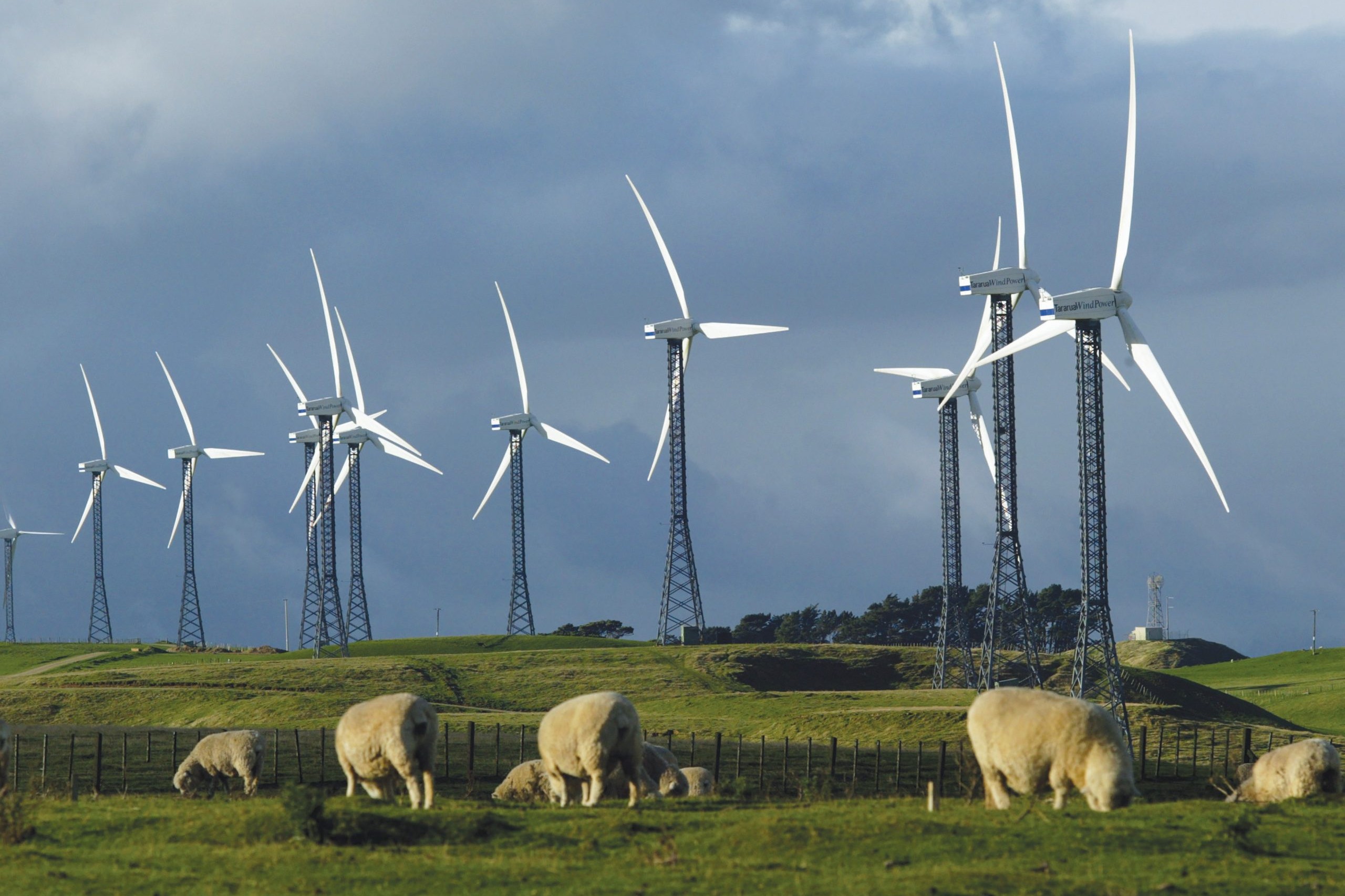
Then there’s the growth in renewable energy options and what that means for hill country farmers. Both solar and wind farms have become recent features to New Zealand’s landscape and steady growth is expected to continue.
Bousfield says renewables are a relatively new source of revenue and there’s an element of the unknown. “The big thing for any of these projects is, what’s the capital required? It’s no different to any investment – what’s the outlay and what does that look like for my future cashflow? There’s also the consideration that they are going to occupy your land and there’s a degree of legality and contracts to negotiate.”
CARBON MARKET
Recent uncertainty around the Emissions Trading Scheme has led to NZUs trading well off their peak, and he expects there to continue to be a voluntary carbon market over the next few years, which may support some mixed farming options where trees sequester carbon amongst the
farming enterprise.
WEIGHING IT UP
So how much non-core farming income is being derived from these types of opportunities across New Zealand? It depends. There are a number of variables and location is often the biggest factor that determines whether one venture may prove out better than the next. “What we do see though is that where there is a business plan and good independent advice or research to support the alternative, then this generally leads to success and good integration into the farming model.”
Take a hard look at your business plan and test if it’s fit for purpose. Run the business model with your accountant, banker or advisor. “When finances are tight it’s always good to be thinking about other opportunities. You might find the time is right to bring a different option into the business, whether that’s agritourism, trees or a different stock class.”
If you are prepared to open your business up (which you are likely doing to some degree already, you just haven’t monetised it) then agritourism could be a good option. Increasingly, farmers are open to showcasing the good work they do, and Bousfield believes it’s an opportune time to evaluate whether there is a chance to gain something in return that adds to the bottom line.
“Ultimately, go back to why you do what you do. Do you have a sound business plan to deliver on your goals? If part of it is you enjoy the environment you live in, maybe there’s an opportunity there to share it with others and receive an income for that. Be considered about it.”
He points out that, historically, sheep and beef farming has always been multi-income. But the traditional streams of the wool cheque, sheep meat and beef are not delivering the returns needed to survive in the current climate.
We are used to viewing farming as a multi-stream business, with the core based around farming animals. Is now the time to ask the question, what else could your farming system do?
When what we have always done is not delivering profitability, it comes down to how prepared we are to adapt and take a deep dive into our enterprises to look at what else might be possible with a land-based asset.