
Crops and Forage
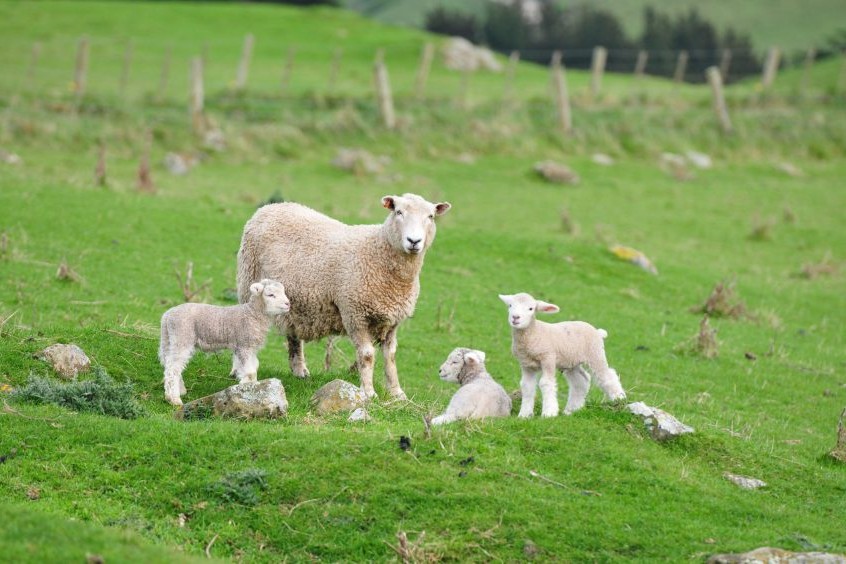
Setting up for growing great lambs
With the outlook for lamb positive, Beef + Lamb New Zealand’s Growing Great Lambs workshops outline ways farmers can maximise lamb growth rates to make the most of the strong returns. Words Sandra Taylor.
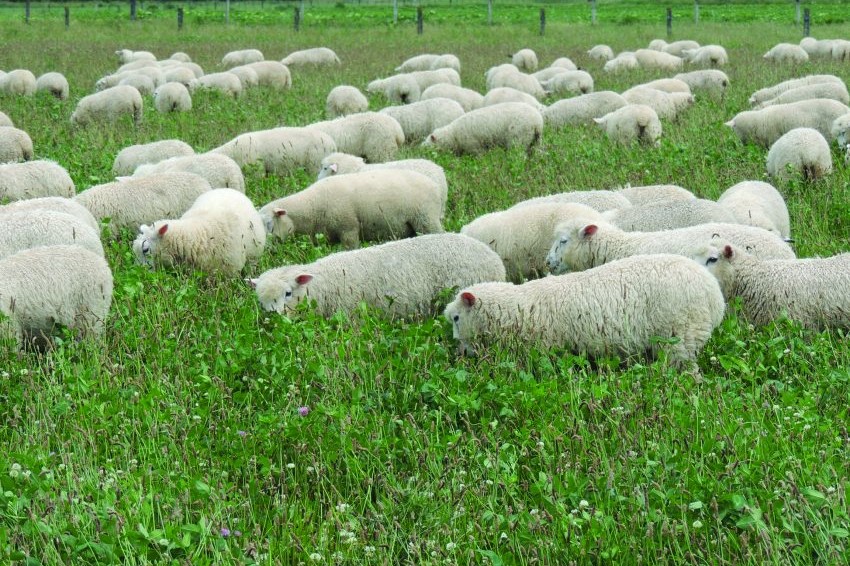
Summer forage crops an ideal lamb finishing option
Strong returns for lamb, increasingly widespread drench resistance and the prospect of a hot, dry summer all build a strong case for establishing specialist lamb finishing forages this spring. Words Sandra Taylor.
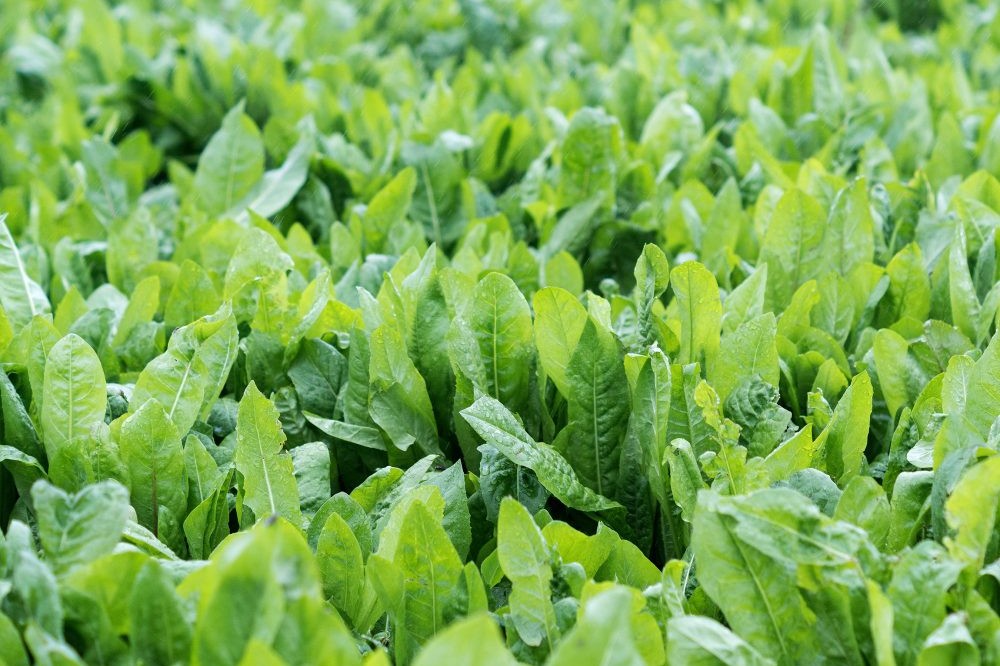
Summer forage crops ideal for dry conditions
Strong El Niño weather patterns are expected this summer, Beef + Lamb New Zealand is encouraging farmers to consider the tools they have available to them to deal with hot, dry conditions. Summer forage crops allow farmers to make use of soil moisture in spring to grow feed that will be available over summer. Words Sandra Taylor.
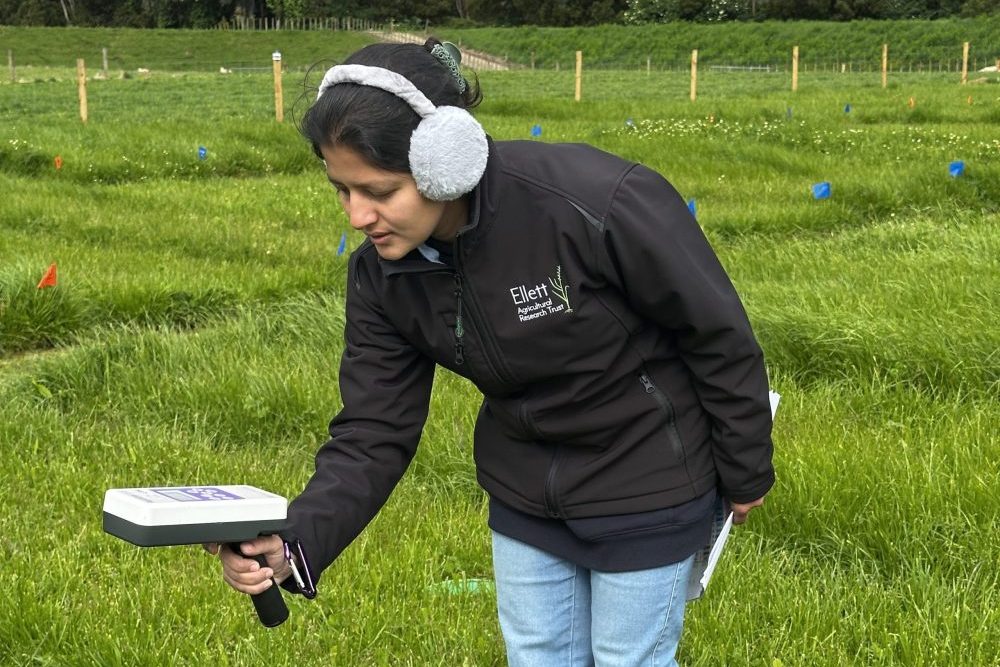
Performance above and below ground
Two Massey University PhD scholars, supported by the T.R. Ellett Agricultural Research Trust, are building a fuller picture of how New Zealand pasture systems work – one measuring what happens above the ground, the other what happens beneath it.Words Sarah Perriam-Lampp.
More leaf, less stem
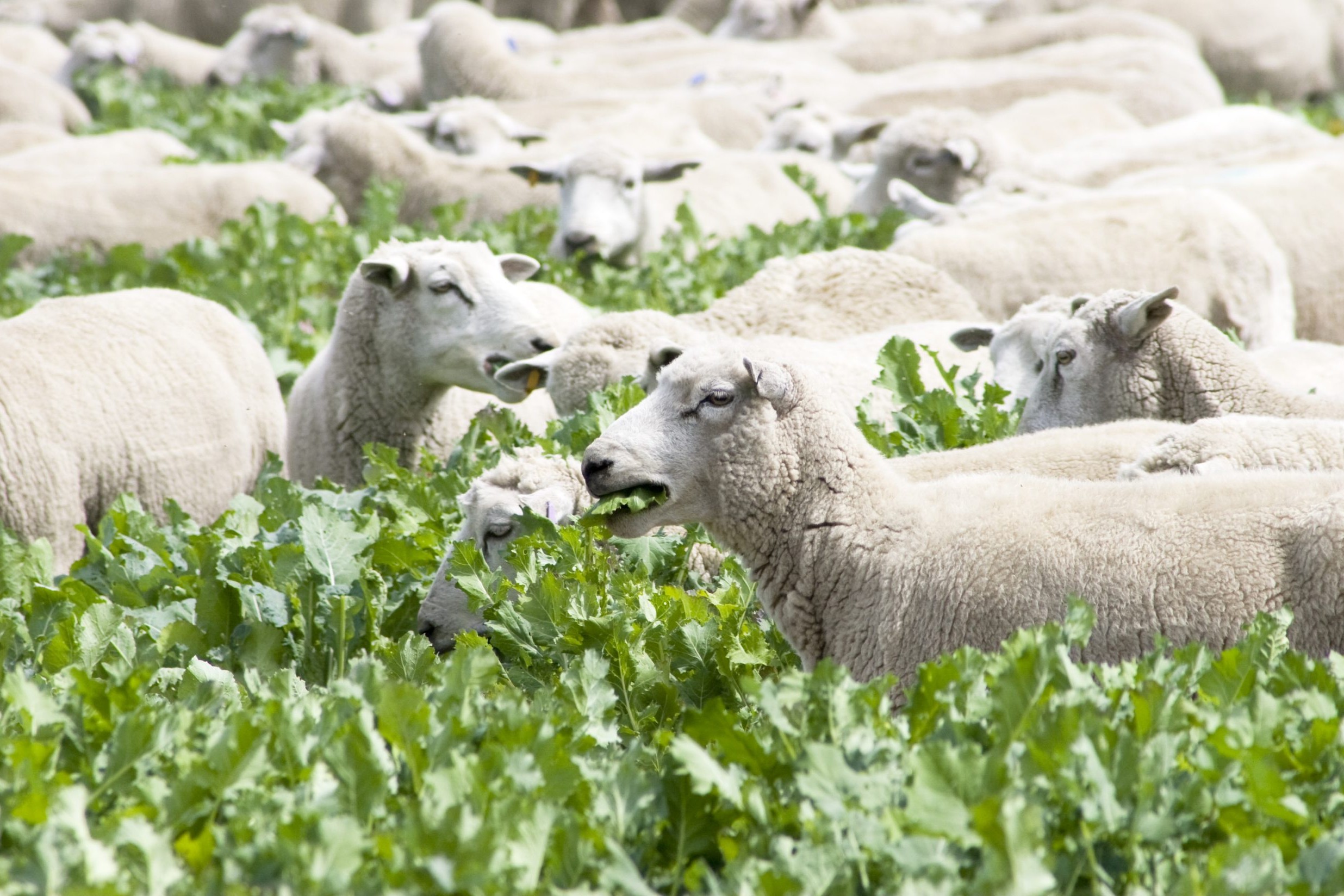
If you are wanting feed quality where it counts and an early maturity ahead of a dry summer, a new summer forage rape, bred for lamb and cattle finishing, could be the answer that lines up with your weaning schedule. Words Sarah Perriam-Lampp

Functionality the key to diverse pastures
Diverse pasture mixes are often misunderstood and require a clear strategy to be beneficial says a Massey University professor at the 2026 Beef + Lamb NZ AgInnovation Conference. Words Rebecca Greaves.
Maize is a team effort
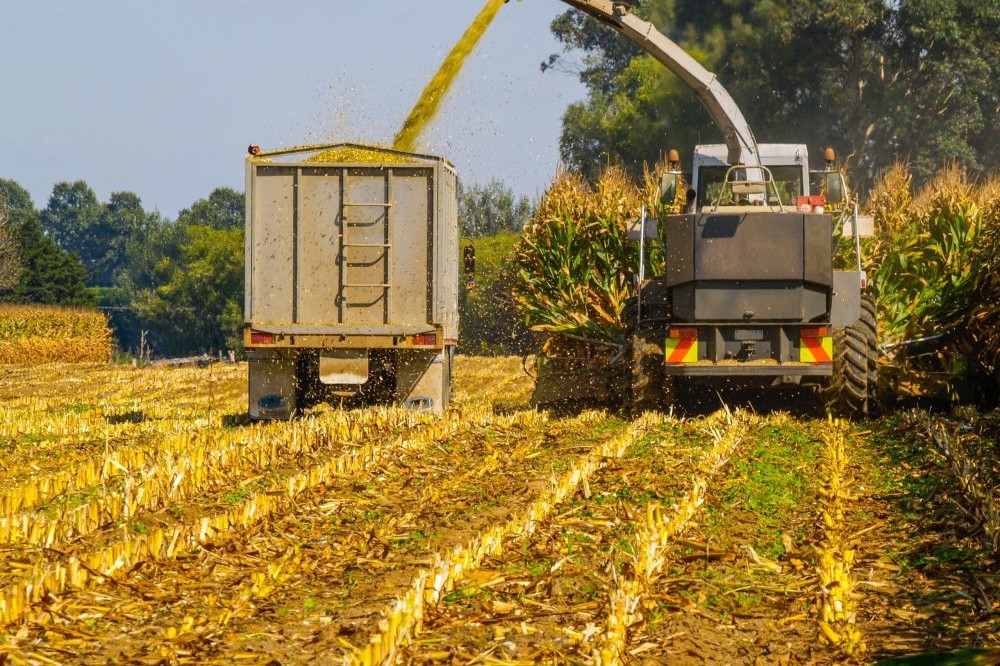
Maize has become a reliable and valuable crop for King Country farmers Matt and Olivia Buckley, but changing seasons and growing pressure from damaging insect populations mean consistently good yields don’t happen without effort. Words Anne Lee.
Winter grazing programme three years in the making
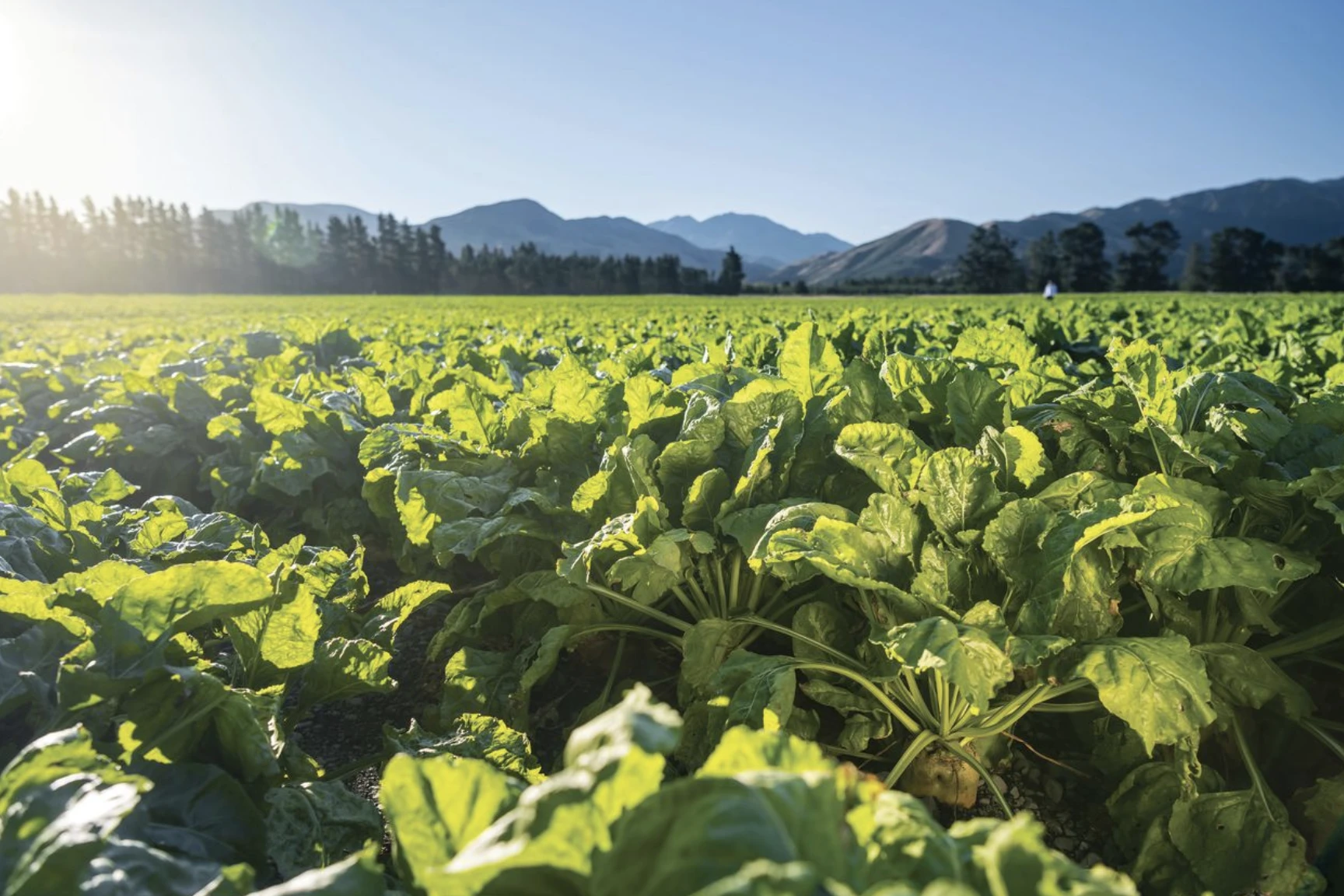
Stu and Ginny Neal do not take their responsibilities around winter forage crop management lightly. The South Canterbury couple start planning their winter forage crop rotation three years in advance, with assiduous attention paid to animal welfare and environmental protection. Words Sandra Taylor.
A future with softer crop protection
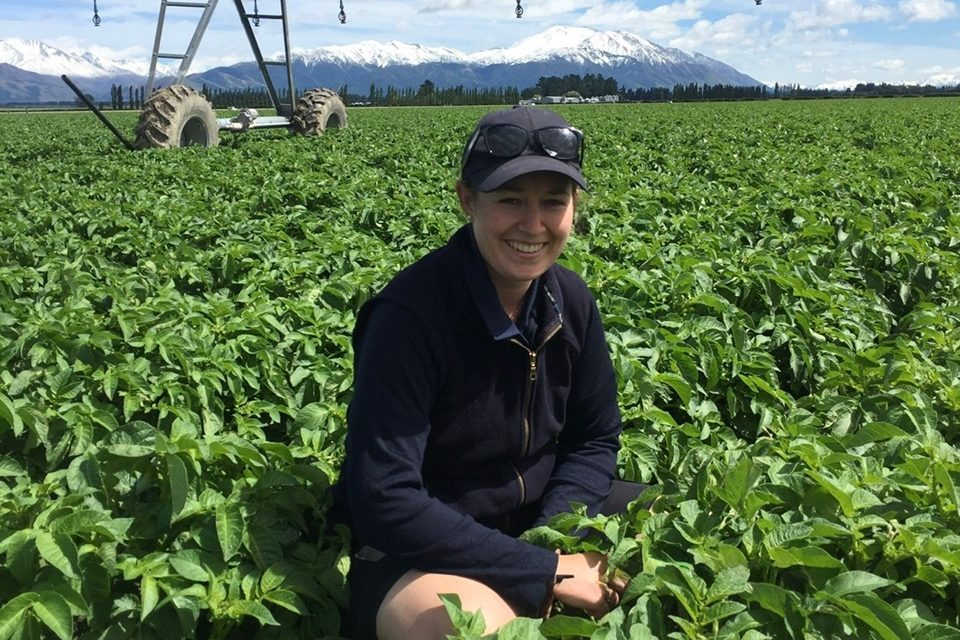
Jess Ross worries that without adequate access to the latest biologicals and biopesticide options, New Zealand fruit and arable growers are going to be left scrambling. Words Sarah Perriam-Lampp.
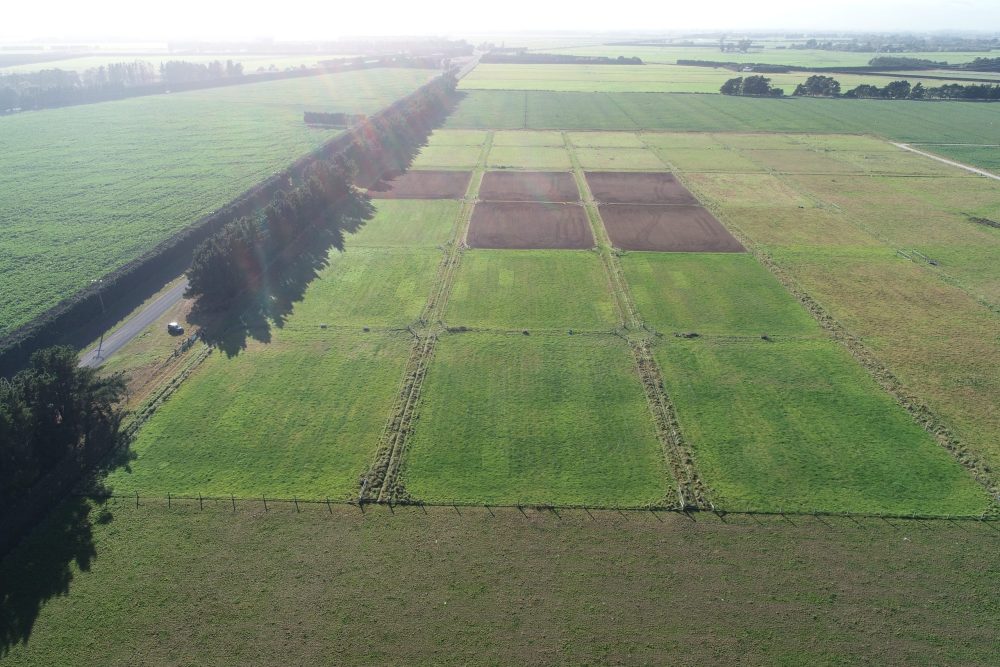
Long-term pasture persistence trial
A 10-year Lincoln University long-term pasture persistence trial (PPT), looking at different grass species, predominantly perennial ryegrass, is unique in its duration and ability to evaluate the performance of a range of grass cultivars.Words Sarah Perriam-Lampp.