Keep the Sheep!
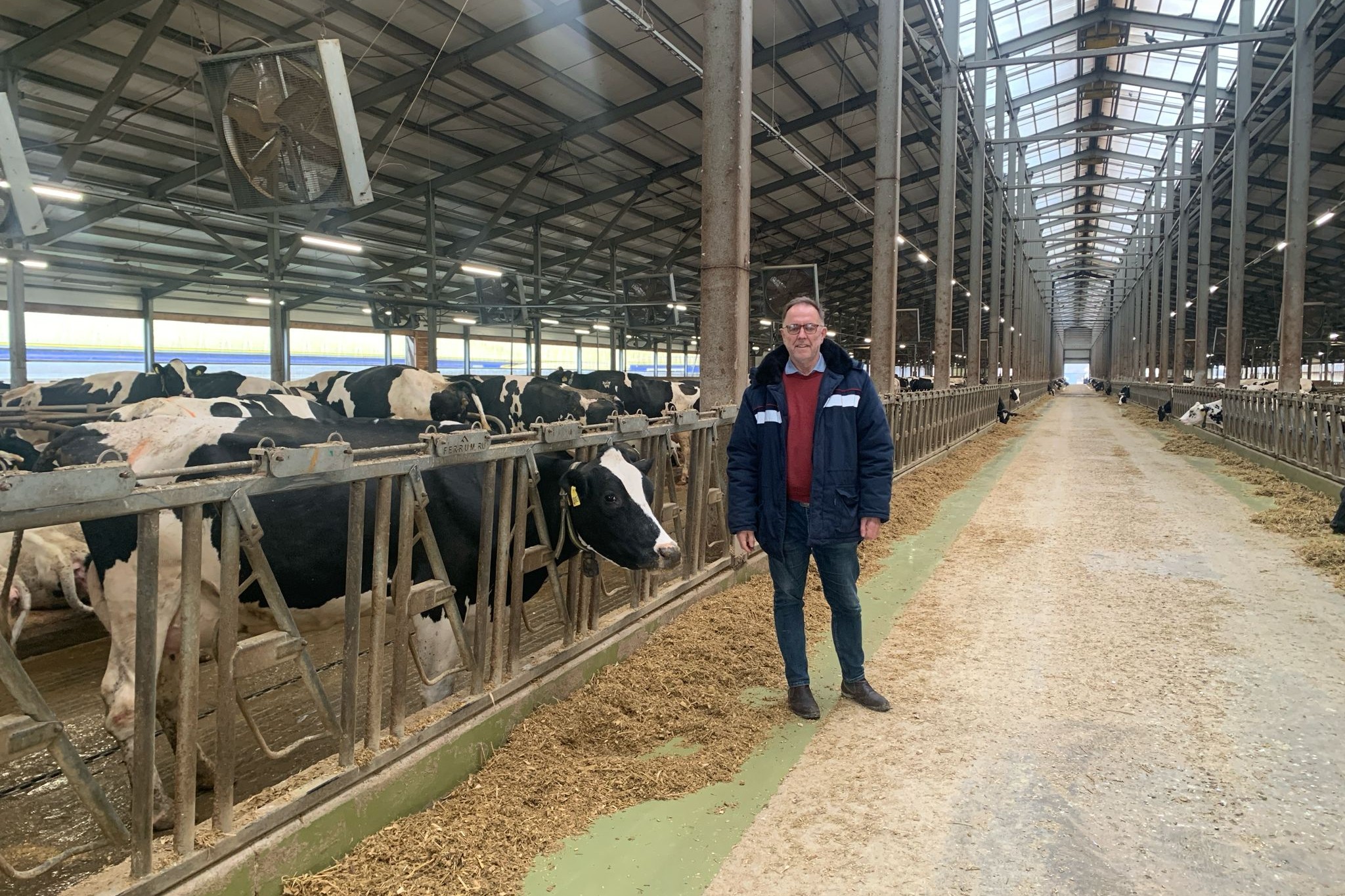
Steven Bolt is a farmer from Corrigin, in the Central Wheatbelt of Western Australia. He runs a mixed farming enterprise of merino sheep stud and cropping. He is the President of the Western Australian Stud Merino Breeders’ Association. In addition, he sits on the board of the Live Export Advisory Group.
The live sheep export trade from Australia started at scale in the 1960s. Despite providing protein for thousands of people in that time, it has not been without its challenges. However, these challenges have been addressed by industry, and Australia now leads the world in live export animal welfare.
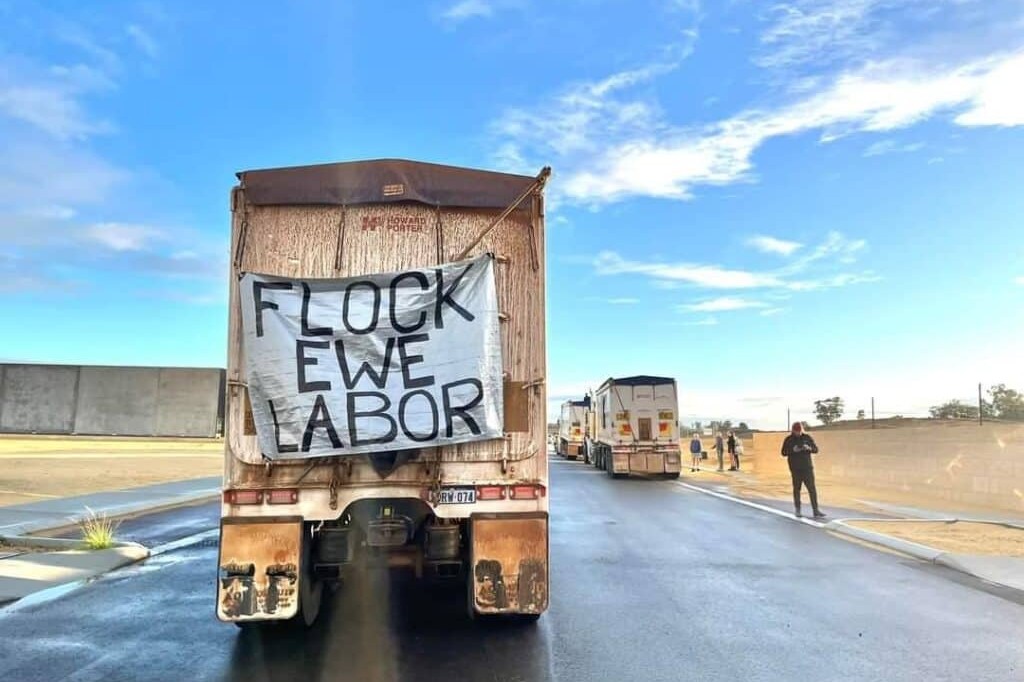
In July 2024, the Australian Government rushed a bill through Parliament that will ban the live export of sheep from Australia from 1 May 2028. This has been strongly opposed due to the damage it will do to farmers and the rural communities in which they live.
The ban disproportionately affects Western Australia, with 98% of sheep now leaving Australia from here in Fremantle, due to our proximity to international markets and unique
farming mix.
As the owner of a mixed sheep and cropping enterprise at Corrigin, WA, I know the challenges the ban is already creating for farmers across the state and country. WA has a unique farming environment – due to the dry climate, it is often a harsh and unforgiving country for crops. Sheep help farmers diversify their operation and mitigate risk. The live export trade provides a ready market for older sheep that don’t have a domestic market and helps set the floor price.
The ban means people will get out of sheep. If they don’t have suitable land for cropping or the ability to purchase the equipment needed, they will get out of farming altogether. The ban and its insulting ‘transition package’ ignores investments made by farmers in things like genetics, fencing or infrastructure.
Similarly, the workforce in rural communities will be adversely affected by the ban. For example, if shearing teams are no longer required, their families don’t work in the town and their children no longer go to the local school. The reduction in people impacts social facilities, weakening sporting clubs, local shops and even the town’s pub.
“Despite being unsuccessful in reversing the ban, we have succeeded in reminding Australians that farmers, shearers, truckies and rural communities are a vital part of the Australian economy.” – Steven Bolt, Corrigin, Western Australia
The Keep the Sheep movement was formed in response to the government announcing a ban. Gathering over 155,000 signatures and raising over $1 million dollars, we campaigned hard at the last election, with the intention to try and reverse the government’s decision by impacting their seats. Despite being unsuccessful overall, the seats in which
we were active had far smaller swings.
We have succeeded in reminding Australians that farmers, shearers, truckies and rural communities are a vital part of the Australian economy and deserve their respect and support.