Growing the case for pasture variety
Farms across the upper North Island are trialling different pasture mixes as part of a research programme that aims to build greater resilience into farming systems. Elena Minnee, senior scientist at DairyNZ, says farmers are helping shape the research and some are already proving what alternative species can do.
Listen to the full interview:
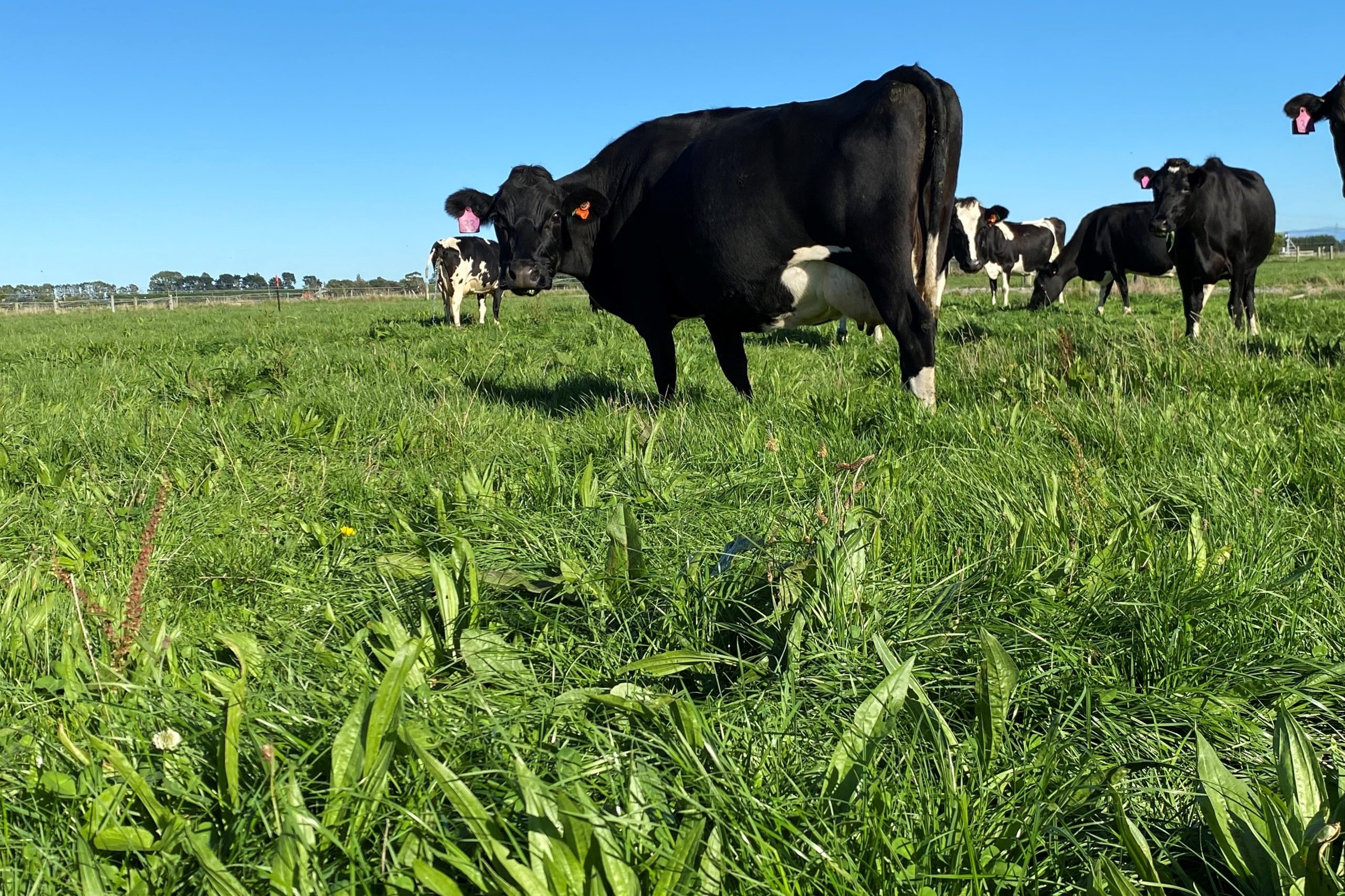
AS FARMERS LOOK FOR pasture species better suited to increasingly variable weather conditions, we at DairyNZ are leading one of the country’s biggest research programmes, Resilient Pastures, to address a gap farmers have identified – long-term pasture persistence and productivity.
Farmers have made it clear to us that they need better information on how alternative pasture species perform on farm and what establishment and management practices make these species successful.
During its first year, the programme has built a network of 15 farms across Waikato, Bay of Plenty and Northland (see map), where farmers are testing a range of pasture species under commercial farm conditions.
The 15 network farmers have all planted three to five different species mixes and are monitoring and recording pasture growth.
There has been an incredibly positive response to the Resilient Pastures programme.
Some of the network farmers have asked us for more research on improved establishment and management guidelines for modern cultivars in current climates. The strength of this programme is that it’s designed to stay responsive to what farmers are telling us they need. But it’s also about connecting with farmers who’ve been testing different approaches and having success.
Scott Farm trial
In response, we have started a trial at Scott Farm, DairyNZ’s research farm near Hamilton, to examine how different grazing management affects the persistence, productivity and quality of tall fescue pastures.
It’s about examining the benefits and any trade-offs in terms of long-term pasture production and persistence. This grazing trial is informed by the practices top farmers are already using so we can quantify the benefit but also understand the underlying biological mechanisms.
Another season of variable weather has emphasised the need for more resilient pastures that can cope with drought and high rainfall.
Unlearn and relearn
Network farmer Murray Jagger has been successfully growing tall fescue and cocksfoot-based pastures on his farm at Whangārei Heads in Northland for many years and says management is critical to getting the best results.
“Farmers have to unlearn what they’ve been taught around managing traditional ryegrass pastures and relearn how to manage these species.”Murray Jagger, Whangārei Heads
“If you treat them like a ryegrass pasture, you can run into trouble. Once you understand their growth pattern and manage them differently, they can perform really well.”
The programme is key to gathering more data and knowledge about these alternative pastures which could eventually help the industry attract more investment in breeding other pasture species, Murray says. “It’s a really critical piece of work. It’s great there’s been value seen in doing this programme to demonstrate that these alternative, more resilient pastures are actually not just additions to seed mixes, but a very valuable replacement to what we’ve been struggling with in ryegrass production.”
The second year of the programme will focus on increasing farmer engagement through discussion groups, expanding data collection across the network farms and continuing to identify practical solutions that can help farmers build more resilient pasture systems for variable climate conditions.
Watch the full interview:
First published in CountryWide, Summer 2026-27, pages 112 to 113.