The insects working for Canterbury farmers
Native plantings on farm do more than look good and bring in the birds. A five-year study across more than 60 Canterbury farms shows they also attract beneficial insects that pollinate crops and keep pests in check. A new guide shows farmers which plants to choose.
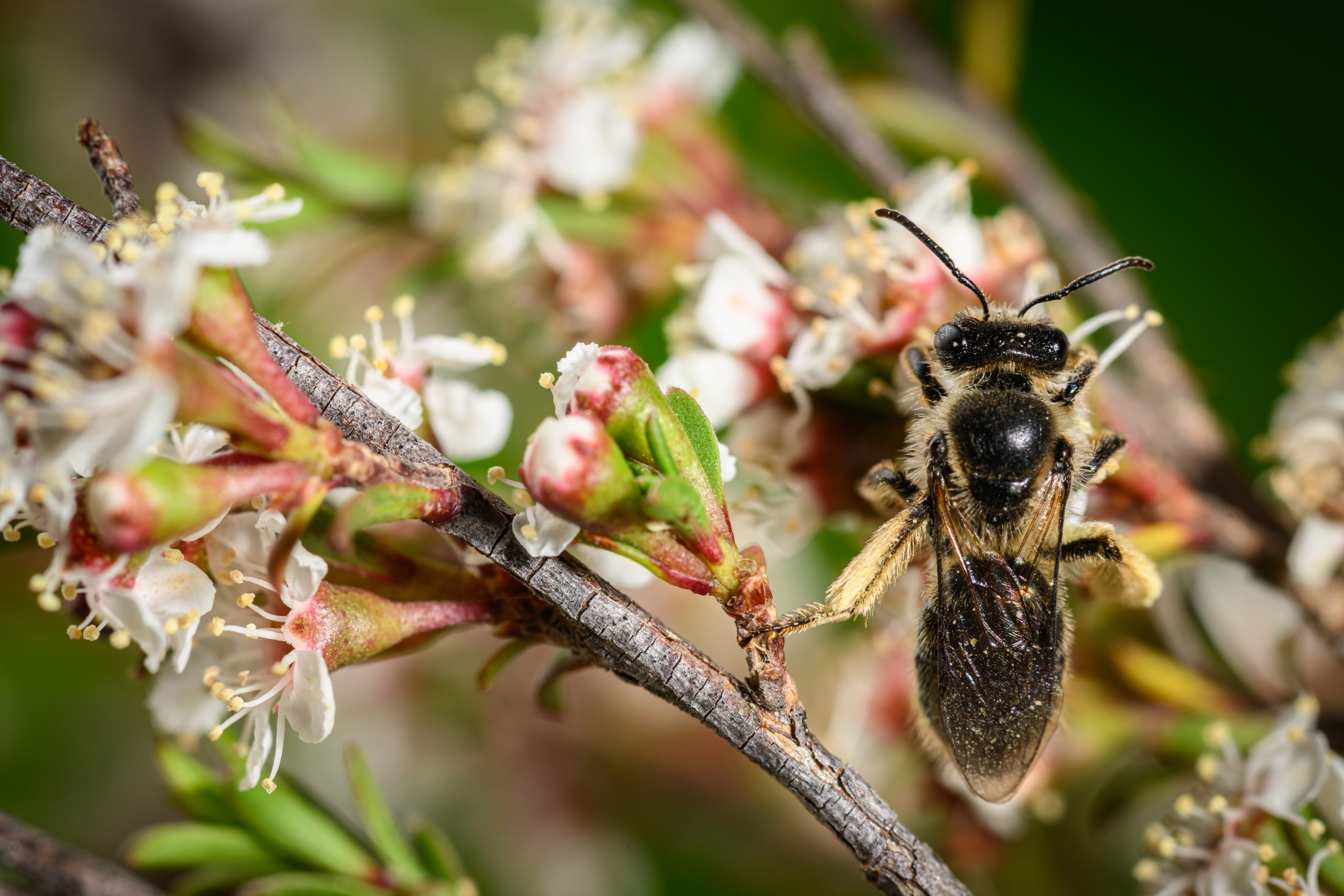
NATIVE PLANTINGS NOT ONLY look good and attract native birds, research shows they can also be the launchpad for useful services on farms. These services come free via beneficial insects.
While some insects are pests and can be costly and difficult to control, research shows native plantings attract the good bugs – the ones that support pollination, natural pest control and resilient farming systems.
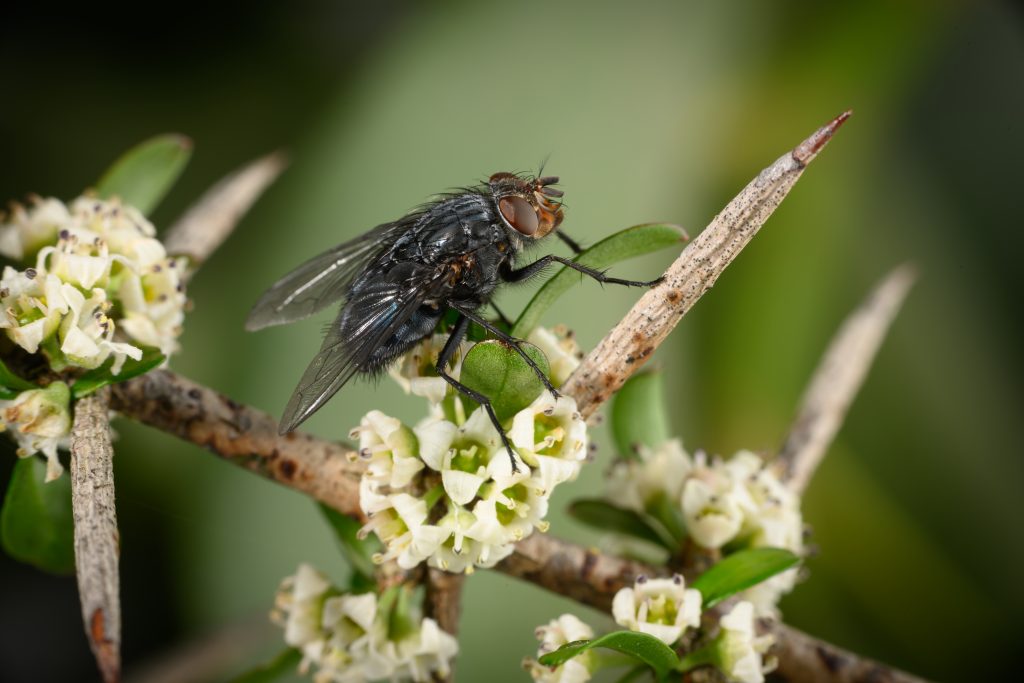
“Modern agriculture has relied heavily on pesticides and introduced species, often overlooking the quiet work of our native insects,” says Bioeconomy Science Institute (BSI) Pollination Entomologist Dr Brad Howlett. “Yet many are powerful allies, pollinating crops and naturally controlling pests.”
Brad was project lead on the institute’s recently completed five-year research project which monitored insect populations on more than 60 Canterbury farms across all agricultural sectors. It culminated in the release of Selecting native plants that attract beneficial insects: A Canterbury Guide, which is available online.
With less than 1% remnant native habitat left on the Canterbury Plains, native plantings improve biodiversity as well as water quality, erosion control and farm aesthetics. However, before this research, less was known about the insects native plants attract and the functional benefits these insects may provide to farming systems.
“The research showed native plantings support a large diversity of beneficial insects, with no evidence of increased numbers of key pest species,” Brad says.
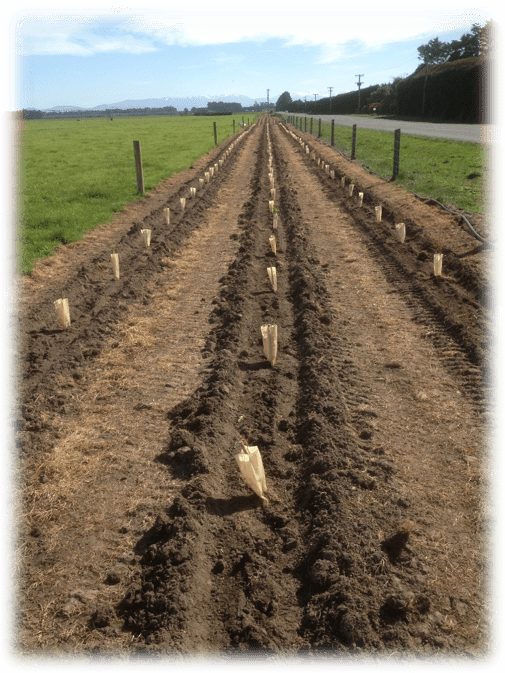
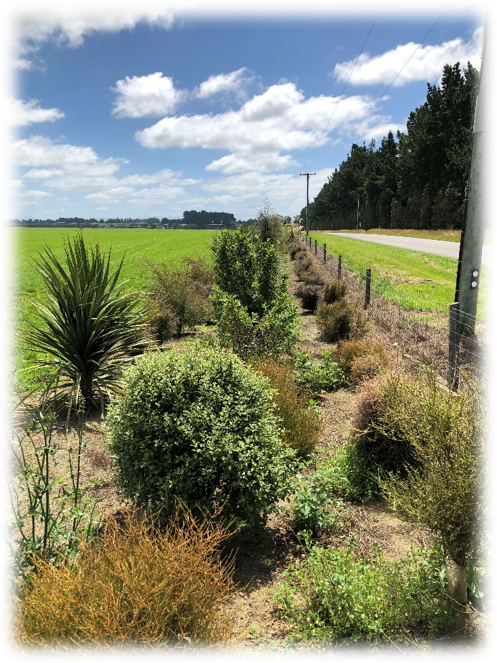
The same three-row native shelterbelt at Bankside, Central Canterbury, at planting and again two years later. Having the right plant in the right place, with effective weed control, is key. Photo: Brailsfords.
While the guide is easy to use, the robust science behind it took years of research into interactions between native plants and insects on farms. This involved insect traps, sweep netting, pollination trials and natural enemy trials.
While all types of farms benefit from native plantings, for arable farms it can mean improved pollination of crops – and so crop yields – and less reliance on pesticides, as more beneficial insects pick up some of the workload. The role of beneficial insects also grows as native plantings become more established.
More than bees
“While bees are often recognised for their role in pollination, many farmers were surprised to learn that a wide range of insects, including flies, beetles, lacewings, ladybirds and parasitoid wasps, contribute important pollination and pest-control services,” Brad says.
His research showed crop plants placed beside mature native plantings received more visits from pollinating insects and produced more seeds than those beside bare fence-line controls. In trials, the seed-production shortfall was about 25% beside bare fence lines but only about 2–6% beside mature native plantings, highlighting the potential for native biodiversity plantings to enhance pollination in nearby crops.
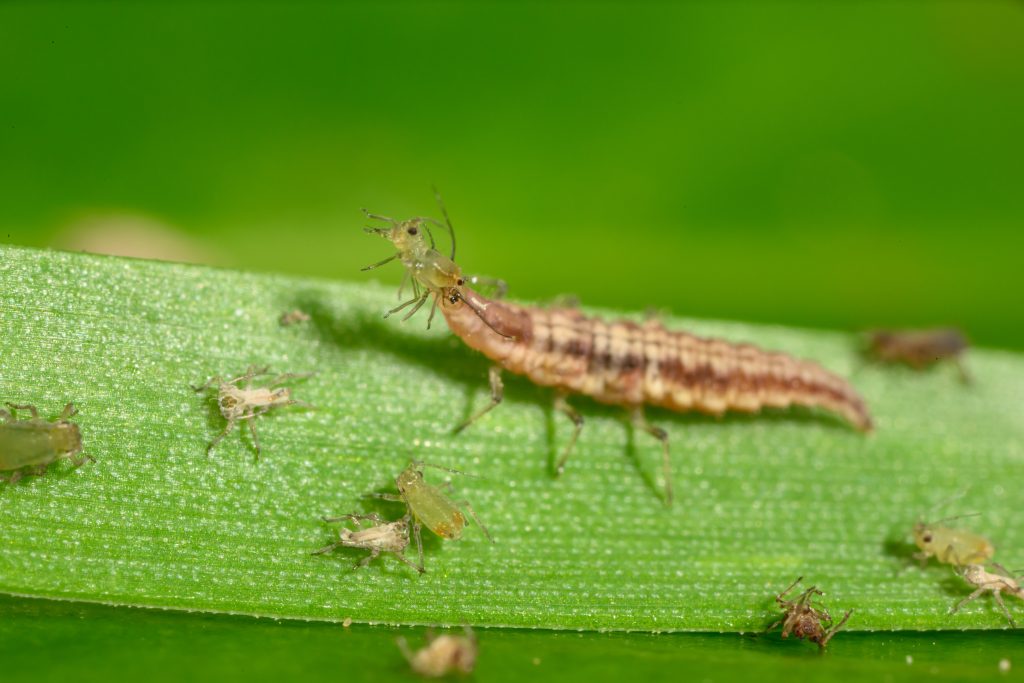
While arable farmers pay for hives to pollinate some crops, encouraging other pollinating insects can help them get even more from that investment, Brad says.
“These insects work alongside honey bees, helping improve pollination and maximise crop yields.”
Honey bees prefer warm, sunny conditions to forage and pollinate crops, while some other insects, particularly fly species, work in cool, cloudy weather, adding resilience.
“It’s the same with natural enemies,” Brad says. “The more that are on hand to provide back-up support to kill pests, the better.”
Nectar all year
Foundation for Arable Research (FAR) Environment Lead Abie Horrocks says research shows greater pollinator diversity increases yield and yield stability and enhances integrated pest management.
“The hoverfly is a great example of an insect who is ticking boxes across its life cycle. The adults are typically nectar feeders and contribute to pollination while the larvae contribute to pest control.”
The guide also aims to ensure plantings provide nectar for as much of the year as possible.
“Continuous nectar supply enhances biological control by increasing survival, flight capacity and host-searching range,” Abie says. “Parasitic wasps with nectar parasitise hundreds more aphids than those with only water.”
The guide helps growers identify practical biodiversity opportunities and take the first step.
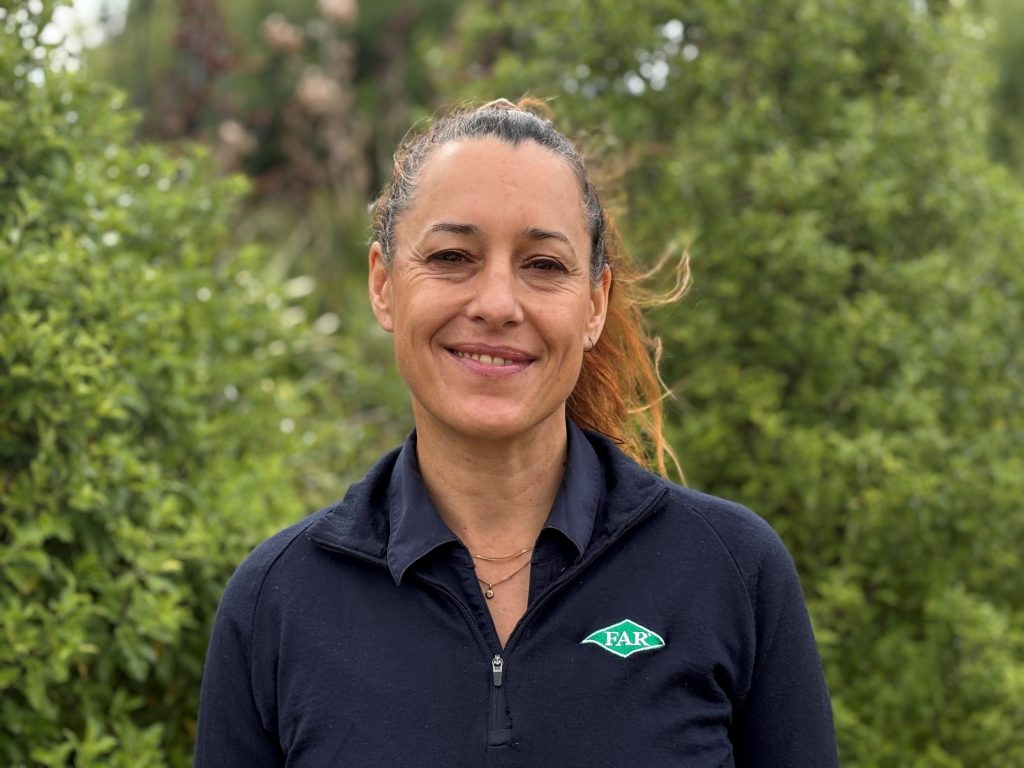 Abie Horrocks
“Many farmers have planted or are considering biodiversity plantings in riparian areas, areas out of production or a difficult corner,” Abie says. “There are often more placement opportunities than are apparent at first glance. It doesn’t have to be a big area.”
It is important for growers to learn to recognise key beneficial insects so they can factor their activity into crop management decisions.
However, she warns that harnessing the services of beneficial insects in crops depends on the selectivity of the insecticides used. A broad-spectrum insecticide could undo all the good work of a native planting.
“Fostering positive relationships are important and native plantings on farm builds pride that communities notice, and it demonstrates that farming and nature can co-exist,” Abie says.
The programme was supported by the Ministry for Primary Industries’ Sustainable Food and Fibre Futures fund (now the Primary Sector Growth Fund). Partners included FAR, Synlait, Southern Pastures, Pāmu, Beef + Lamb New Zealand, Brailsfords, Selwyn District Council, Environment Canterbury and Te Ara Kākāriki.
Native planting: weed control key
All native plants have different tolerances to a site, says Stephen Brailsford, whose Canterbury business, Brailsfords, puts 150,000 native plants into the ground every year.
“It is not about the averages of the site; it is the extremes that will kill a plant. It is the wettest week, the driest week and the frostiest day.”
Plantings need understorey shrubs as well as canopy trees. The ideal native seedling has the right genetics, faultless primary root architecture and a high stem diameter to height ratio, and is well hardened off – without soft, fleshy new growth – but not nutrient deprived. Plant guards are a necessity, with 35 different products on the market. He advises against cardboard guards, which shade the plant. Weed control is key and needed for at least three years after planting, he says. Spray the site with herbicide well before planting to retain soil moisture.
“The soil is a great reservoir to store moisture and provides adequate and sustained moisture for establishing seedlings. When we get rainfall, we need to ‘bank it’ for future use by the establishing seedlings.”
Weeds rob valuable moisture from the soil and cause drought stress. Irrigation without weed control can be fatal, Stephen says.
His business guarantees a 95% plant survival rate.
To drive planting costs down, it is investing in large-scale machinery for site development and planting, including machine planters that can put 3,000–5,000 plants in the ground a day.
Case studies
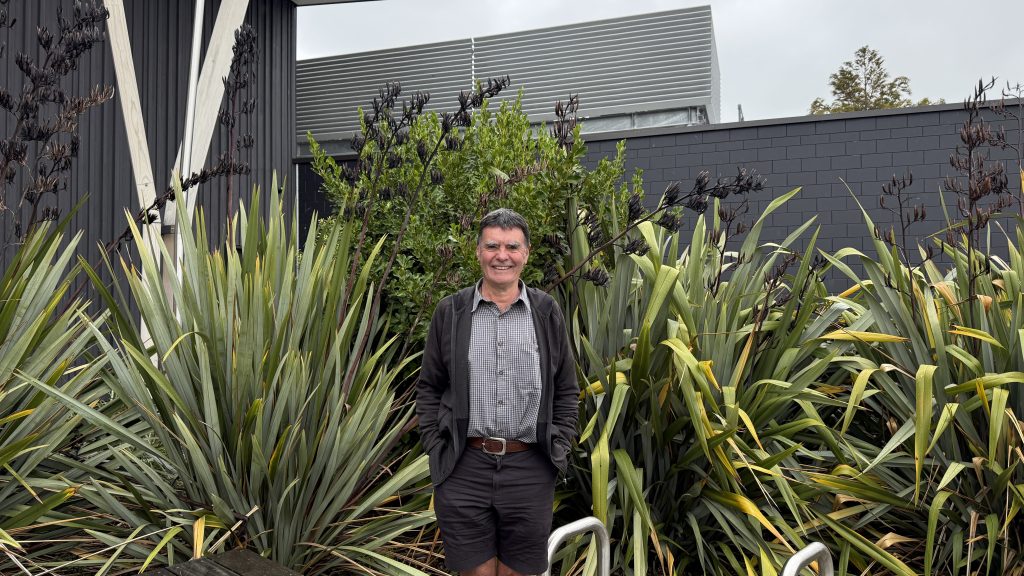 John Evans
 – Mid Canterbury (arable)
John Evans planted 2.5ha of natives across his Mid Canterbury arable farm over several years before he retired and the farm was sold.
The first planting focused on plants attractive to honey bees around the margin of an irrigation pond, as part of a Trees for Bees programme. The following year he planted the other half of the pond’s edge with native species selected to support a wider range of beneficial insects, then kept adding small plantings in difficult-to-manage areas so they linked up across the farm.
The aim was to create connected habitats and floral resources for beneficial insects and support pest control in the cropping system.
Benefits included less reliance on broad-spectrum insecticides, with more confidence to use integrated pest management approaches.
Aphid control felt easier when habitats for beneficial insects were available across the farm, John says.
Weed control was the biggest challenge early on. Grass competition can quickly dry out and out compete young plants. There is also a ‘messy middle’ before canopy closure, when weeds persist but spraying becomes more complicated.
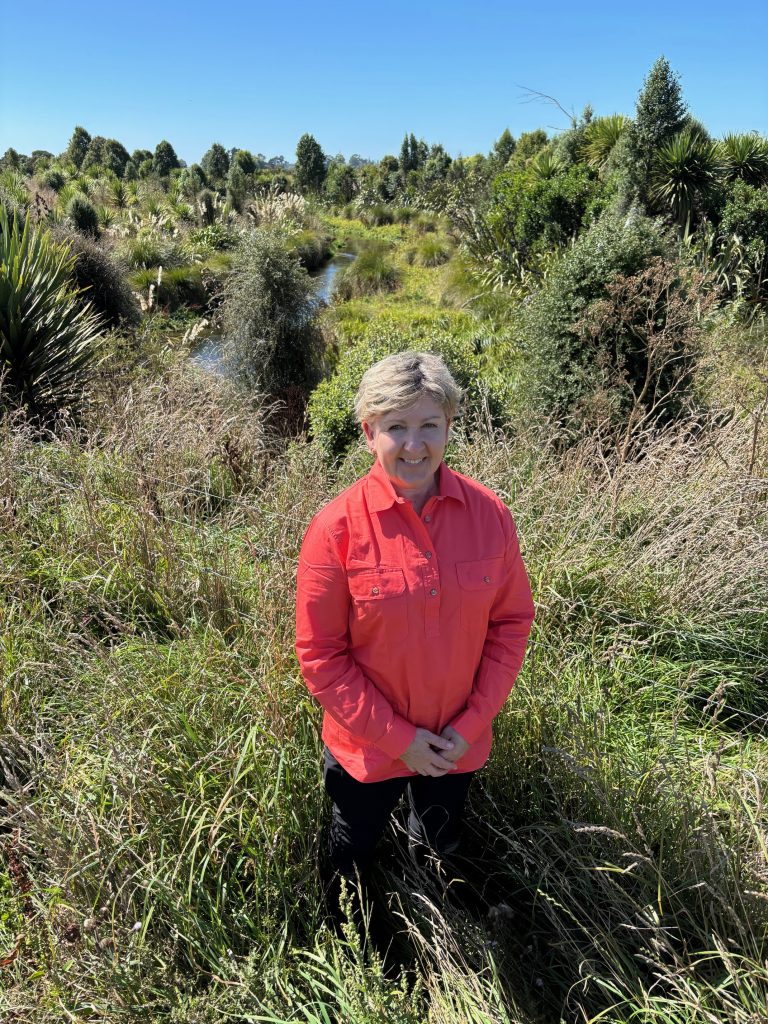 Carey Barnett
 – Central Canterbury (mixed arable & sheep)
Carey Barnett and her family started planting to care for and protect the neighbouring Harts Creek. A local stream-care group offered a practical, farmer-led way to start, including peer support and access to funding.
The plantings have attracted beneficial insects that have helped keep aphids in check, Carey says. “Less spraying is needed, with fewer passes across paddocks with the sprayer.”
She advises starting at a manageable scale and expanding when you can. “Be clear on your reason for planting first, then choose species and layouts that deliver that outcome.” Early weed maintenance is critical, as weeds can get out of hand quickly.
First published in CountryWide, Summer 2026-27, pages 118 to 121.