Lower stocking, higher production on a Whanganui Hub Farm
Small management tweaks are already making a measurable difference on Beef + Lamb New Zealand’s first Western North Island Hub Farm, Ohineiti Station. Bevan and Mary Proffit are sharing what works, and what doesn’t, with other farmers.
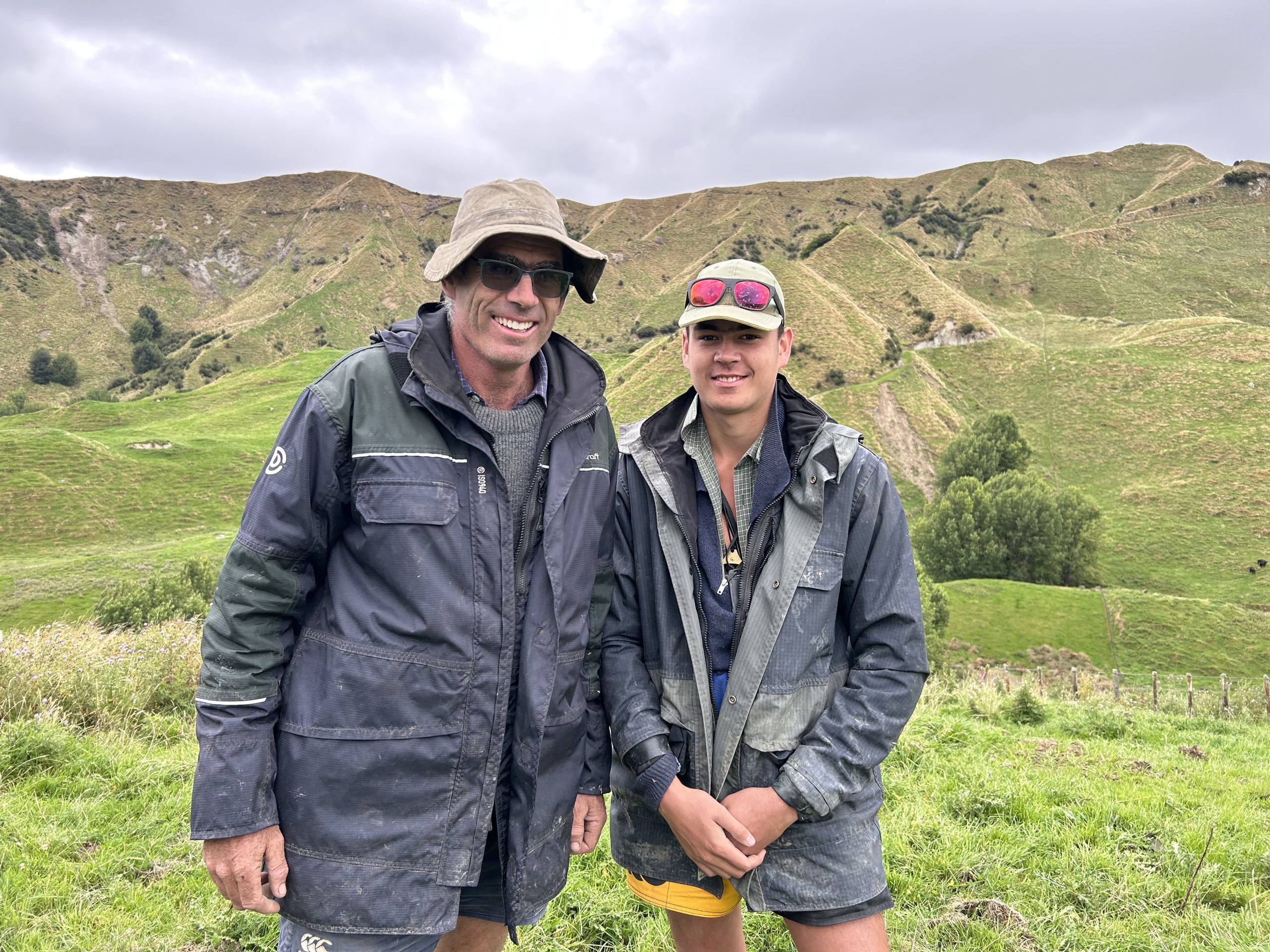
THE 1,500HA EFFECTIVE HARD hill-country property, north of Whanganui, is farmed by Bevan and Mary Proffit. Just over a year ago, they put their hands up to be Beef + Lamb New Zealand (B+LNZ) Hub farmers, aiming to take the farm’s performance to the next level while sharing their successes and challenges with other farmers.
Both are keen to create opportunities for other farmers, particularly younger farmers, to learn from their experiences and be part of wider conversations about farming systems and productivity.
Bevan says he is mindful of B+LNZ’s levy investment in the Hub Farm programme and is determined to share the failures as well as what goes well.
“I’m happy to admit when we make mistakes,” he says.
“Not everything is going to go perfectly, so if someone can learn from our mistakes then that’s great.”Bevan Proffit, Ohineiti Station
Three goals
The overall aim of the three-year Hub Farm programme is to maximise productivity. Bevan and Mary have set three goals. The first is to increase meat production by 5kg/ha/year to 140kg CW/ha by the end of 2027. The second is to sell 60% of lambs (70% of terminal and 50% of maternal lambs) store at or above 27kg LW by the end of December every year. The third is to lift and hold ewe body condition score (BCS) at a minimum of 3 across 90% of the flock by the end of 2027.
The first two goals are well on the way thanks to the couple’s focus on lifting the average BCS of their ewe flock. They have already lifted production by 10kg CW/ha despite a lower stocking rate.
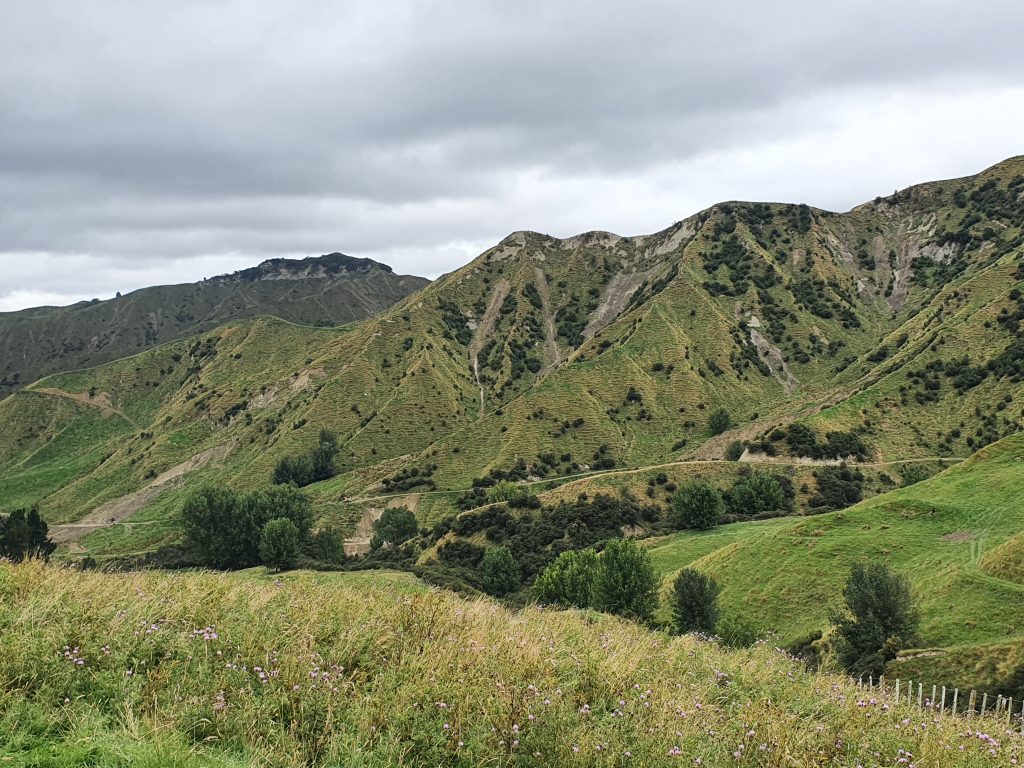
Bevan says they dropped ewe numbers slightly a couple of years ago on the back of a dry autumn and found production wasn’t affected.
“We have been able to feed our ewes better,” he says.
Lambs away earlier
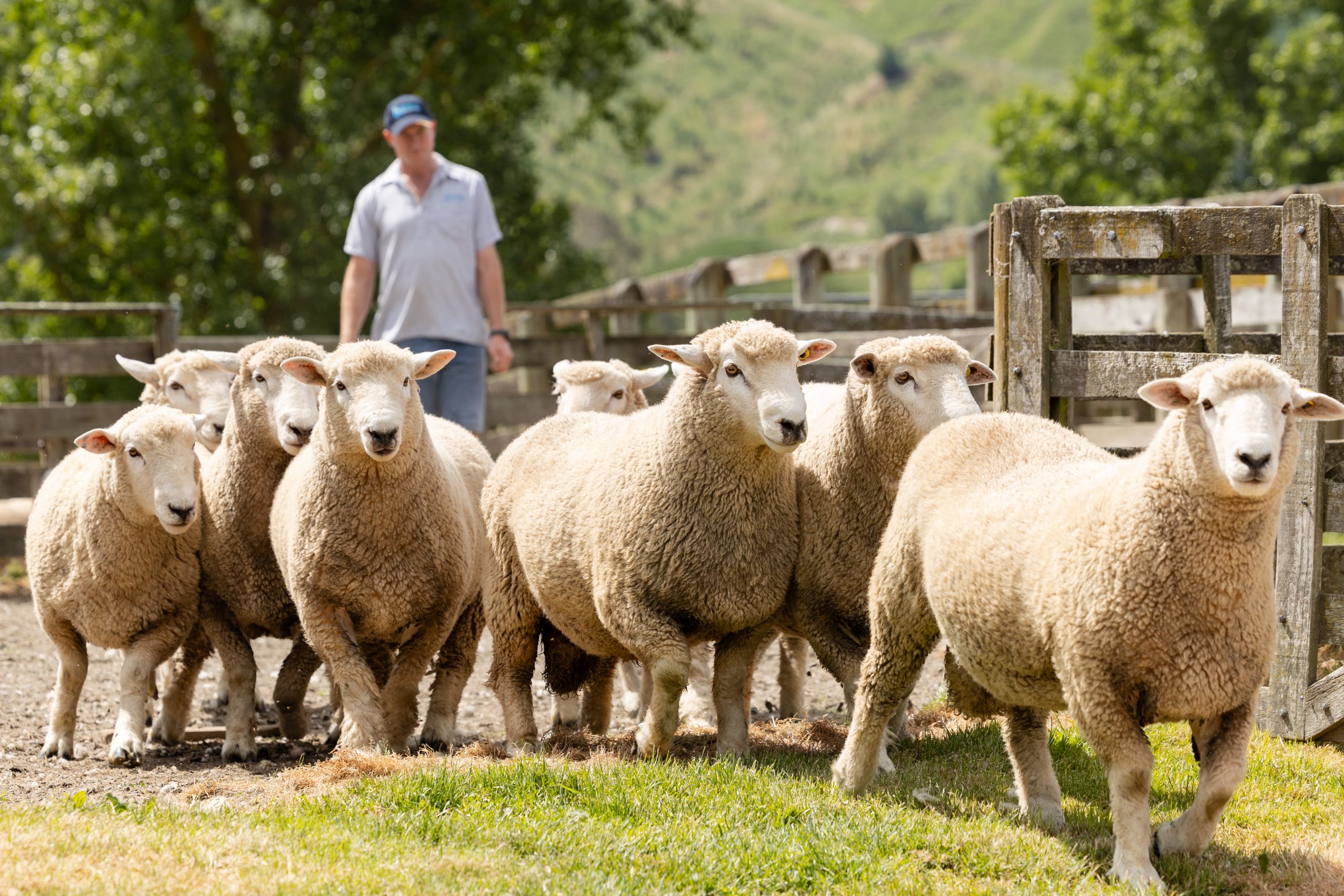
Since becoming a B+LNZ Hub Farm, they have slightly increased cattle numbers as part of their long-term worm management strategy and started selling lambs earlier.
“We probably thought we were doing a good job, but we’ve learned we weren’t getting lambs away quickly enough,” Bevan says.
Getting lambs away earlier has let them partition more feed into ewes before mating. This year that contributed to a 15% lift in scanning in their mixed-age ewes.
Scanning also showed most ewes were in lamb in the first cycle, with few third-cycle ewes. Bevan and Mary are now considering only leaving the ram out for two cycles to condense lambing further, making lambing easier and possibly allowing earlier weaning.
Sub clover trial
As part of the Hub Farm programme, the couple has established 7ha of subterranean clover in a trial of the early-season clover. It produced a good volume of high-quality feed in spring. Bevan and Mary are now working with PGG Wrightson Seeds and Professor Derrick Moot to learn its specific management requirements and will share their experiences at their Hub Farm field days.
Before joining the Hub Farm programme, the Proffits had been investing in reticulated systems on their hill country and had built up several years of soil testing and monitoring. That has helped them build a clear picture of where they can get the best return on fertiliser and management inputs.
Farm facts
Farm Ohineiti Station
Location North of Whanganui
Owners Bevan and Mary Proffit
Area 1,500ha effective
Farm type Hard hill-country sheep & beef
Livestock Mated 6,800 Perendale ewes (Lambing 6,500 ewes), 2,000 ewe hoggets, 40 rams, 500 breeding cows calving including 2yr heifers - Angus, Hereford, Shorthorn cross cows, 140 R1 heifers, 18 breeding bulls
Programme B+LNZ Western North Island Hub Farm (three-year programme)
First published in CountryWide, Summer 2026-27, pages 114 to 115.