A four-year Lincoln trial puts plantain’s nitrogen case to the test
Plantain is proving a key tool for farmers to reduce nitrogen leaching without compromising milk production. A four-year trial at Lincoln University has cut nitrate leaching by a third, with milk production unchanged.
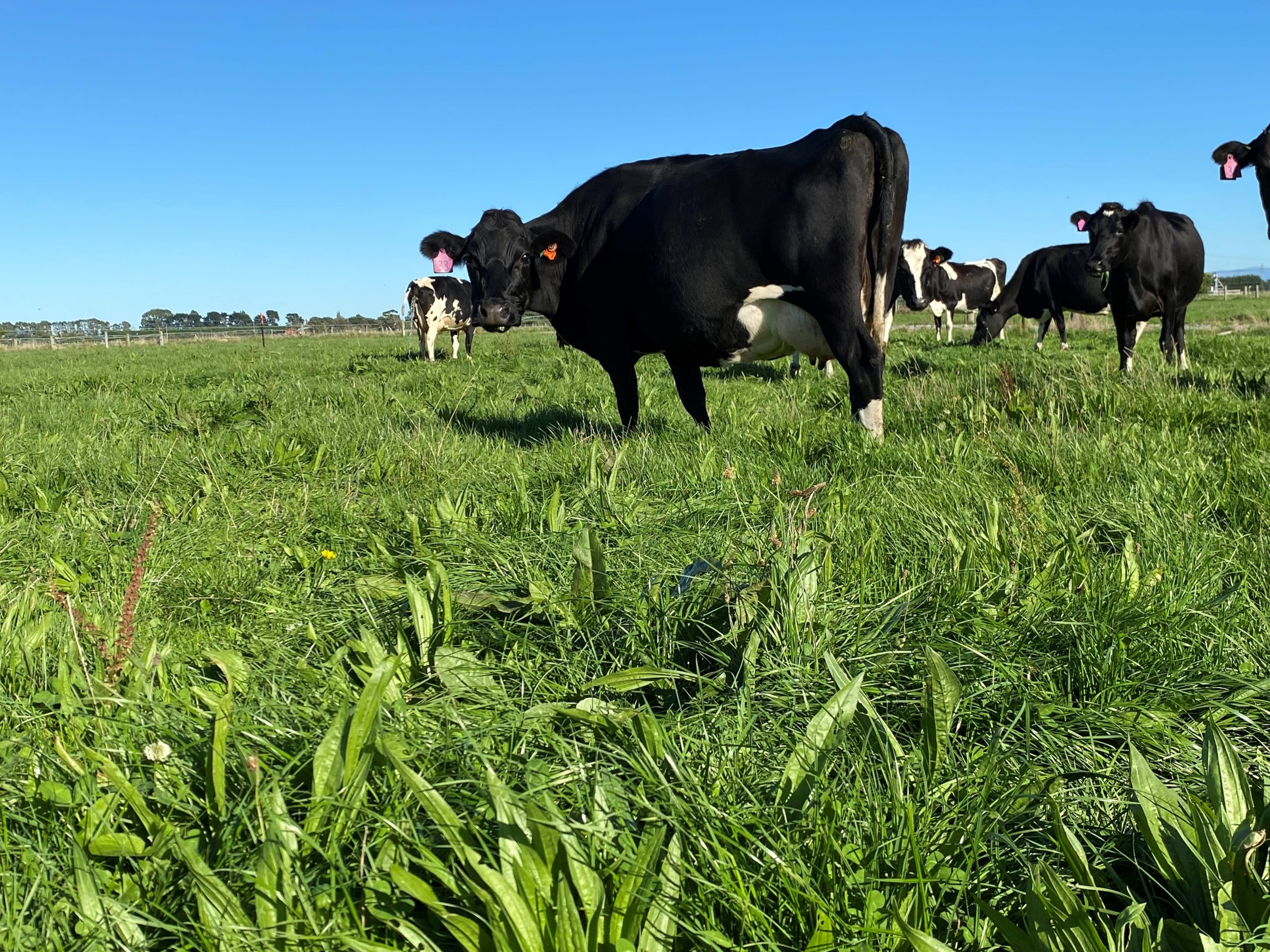
Listen to the full interview:
A FOUR-YEAR FARMLET TRIAL at Lincoln University Research Dairy Farm has delivered the strongest evidence yet that pastures containing plantain can help reduce nitrogen leaching without reducing milk production.
The completed trial, part of the ongoing Plantain Potency and Practice programme, reinforces the value of plantain as an effective option within the nitrogen mitigation toolbox.
The Lincoln trial compared nitrogen leaching and milk production between perennial ryegrass and white clover pastures sown with and without Ecotain plantain. Pastures containing an average of 17% plantain dry matter reduced annual nitrate leaching by an average of 33%, from 18kg/ha/year to 12kg/ha/year.
The pastures were sown with 3kg/ha plantain and were maintained with oversowing or undersowing plantain over the four years. Nitrate leaching was measured using ceramic suction cups.
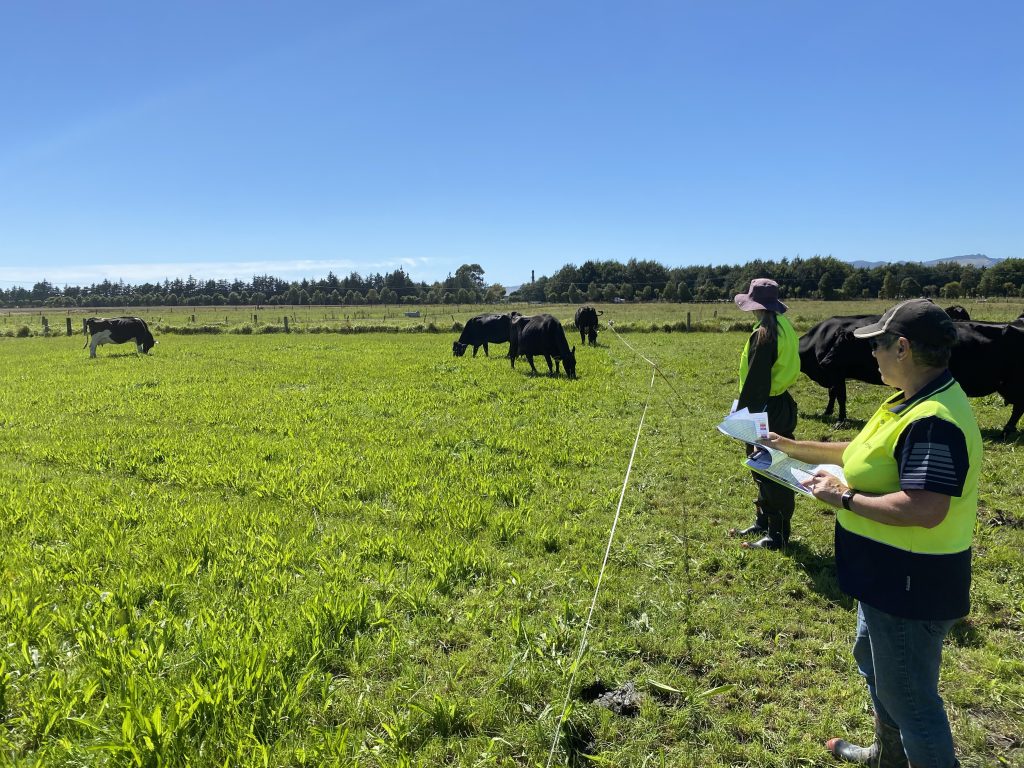
This reduction in nitrate leaching was achieved without reduction in milk production. DairyNZ Senior Project Manager Kate Fransen says that average milk production was unaffected by the inclusion of plantain over the four years. Herbage production and silage use were also similar between treatments. “The findings show that plantain can deliver environmental benefits without compromising farm performance,” Kate says.
| Measure | Without plantain | With plantain | Result |
|---|---|---|---|
| Annual average nitrate leaching | 18kg/ha/year | 12kg/ha/year | 33% lower |
| Milk production | Similar | Similar | Maintained |
Source: DairyNZ
Kate says the nitrate leaching reductions achieved at Lincoln are more than double those predicted by current models, which account only for plantain’s effect on reducing urinary nitrogen.
“The Lincoln results give us strong evidence that plantain can reduce nitrogen losses while maintaining farm performance,” she says. “This gives farmers another option to support environmental progress while maintaining productive and profitable farm businesses.”
The Lincoln farmlet trial builds on other research under the Plantain Potency and Practice programme, including a grazing trial at Massey University and the aligned Low N Farmlet Trial at Lincoln. Ecotain plantain has been used in all programme trials where leaching has been measured.
How it works
Plantain’s high water content helps dilute cow urine while its feed qualities shift more nitrogen into faeces and milk and less into urine.
Researchers are also learning more about how plantain reduces drainage and affects nitrogen cycling in soil, further reducing leaching.
Keeping plantain in the mix
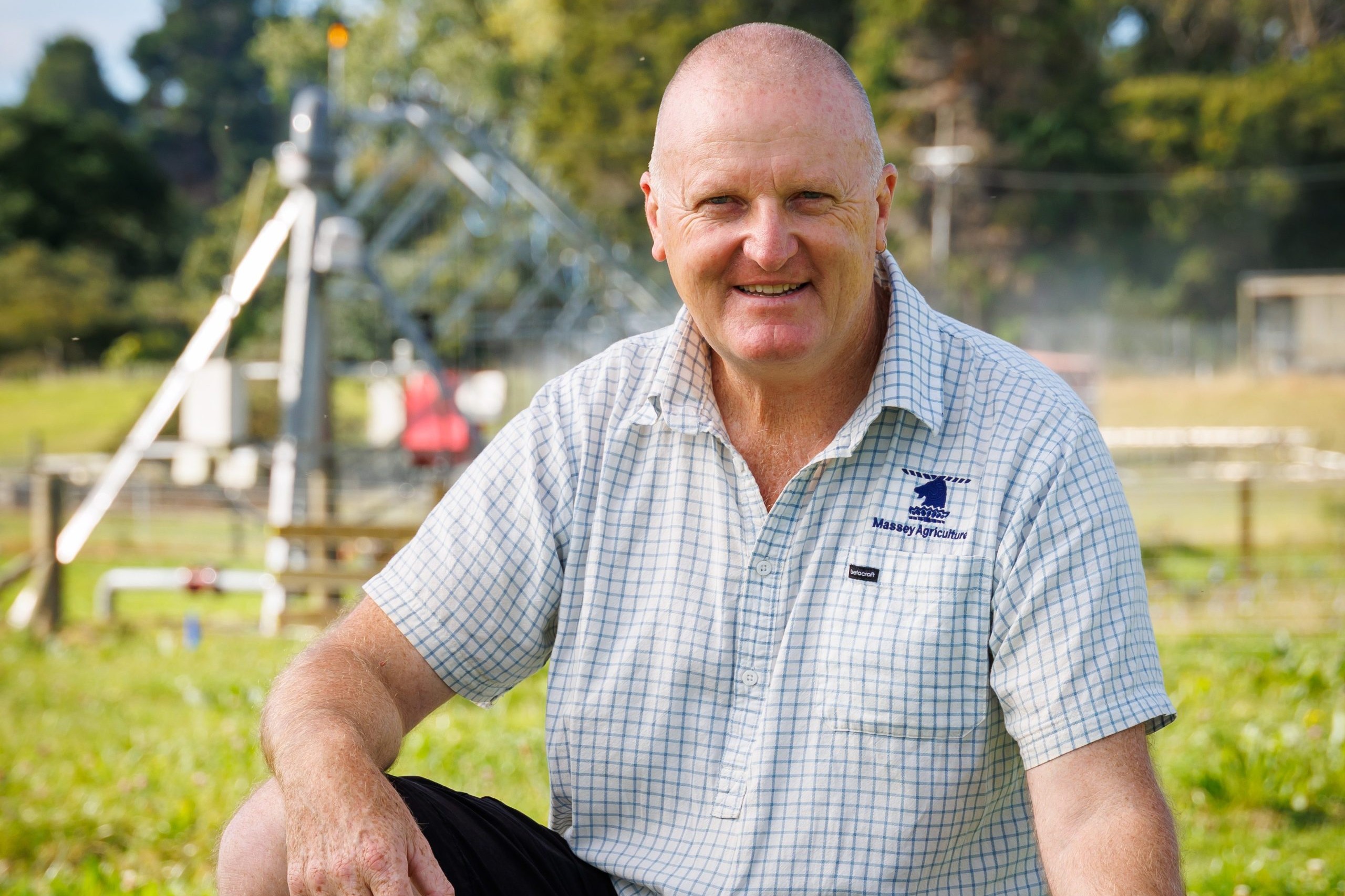
 Kate Fransen
Plantain is a short-lived perennial, so mixed swards need ongoing maintenance through oversowing or undersowing. In the final years of the Lincoln trial, the plantain content plateaued at 10–15% while leaching reductions remained consistent, showing relatively low levels of plantain can still deliver substantial reductions in nitrate leaching.
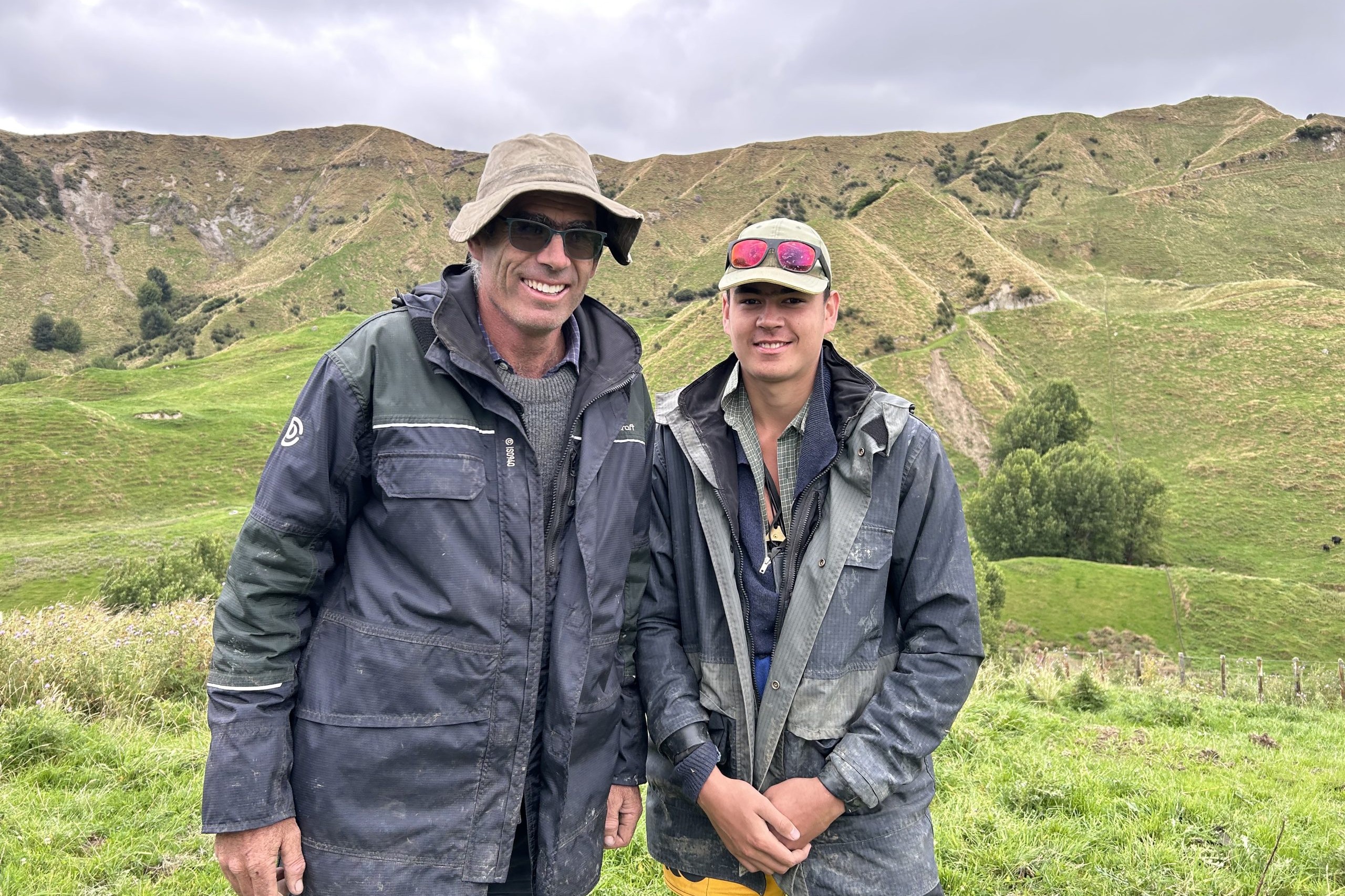
The Plantain Potency and Practice programme is also working with partner farmers to develop regionally relevant management practices and help inform the science programme.
Partner farmers in Canterbury are also achieving 10–15% plantain across their farms by including plantain in their pasture renewal mix on 10% of the farm and broadcasting seed with fertiliser across the rest of the farm annually. At about $46/ha/year, plantain is one of the most cost-effective options for reducing nitrogen leaching.
DairyNZ modelling shows other mitigations, such as reducing nitrogen fertiliser and feed inputs, changing wintering practices or investing in infrastructure, come at a much greater cost.
The Plantain Potency and Practice programme is working towards improving how plantain’s full effects are reflected in models such as Overseer by 2028.
The seven-year collaborative research initiative is led by DairyNZ and funded by the Ministry for Primary Industries through the Sustainable Food and Fibre Futures fund (now the Primary Sector Growth Fund), DairyNZ, PGG Wrightson Seeds and Fonterra. Research is delivered in partnership with Lincoln University, Massey University, Lincoln Agritech and the Bioeconomy Science Institute.
Read more about the research at dairynz.co.nz/plantain
Watch the full interview:
First published in CountryWide, Summer 2026-27, pages 124 to 125.