Getting pastures ready while there’s still feed
A dry winter and a run of hard frosts had the season running almost a month ahead on Massey University’s Manawatū farmlets. With El Niño on the way, Professor Danny Donaghy wrote in September that the decisions farmers make as spring turns to summer will decide how their pastures handle the dry months.
EL NIÑO HAS EVERYONE talking about drought, and while the likely impacts will vary by region, many of us are asking the same question: what can farmers do now to put themselves in the strongest position for the months ahead?
My view is that we should focus on preparing our farming systems to deal with multiple eventualities. Here in Manawatū, Te Kunenga ki Pūrehuroa Massey University’s Whenua Haumanu programme, saw early signs this spring that the season was developing differently. Some of our observations may offer useful lessons for other pasture-based farming systems across the country.
An early start
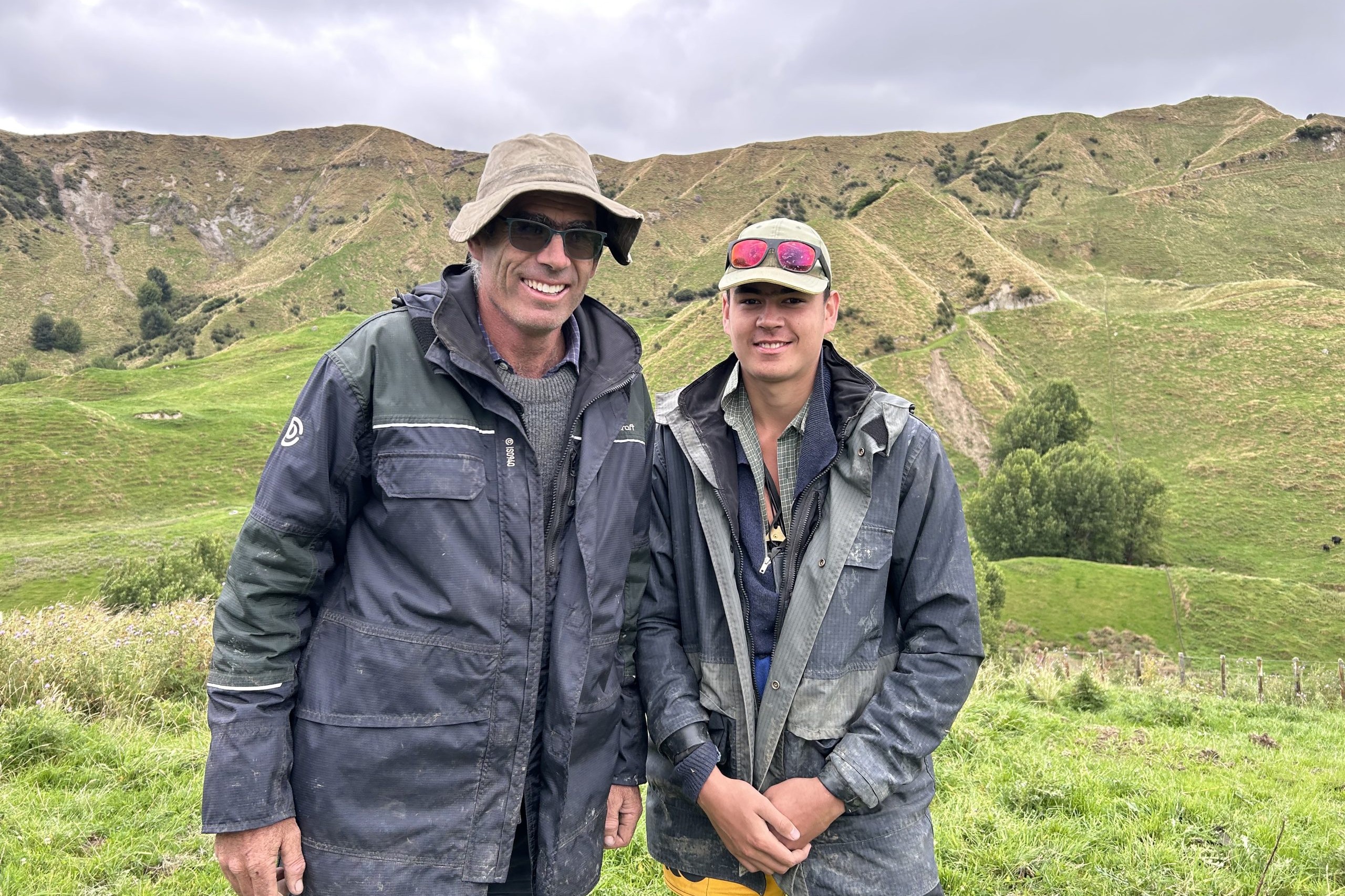
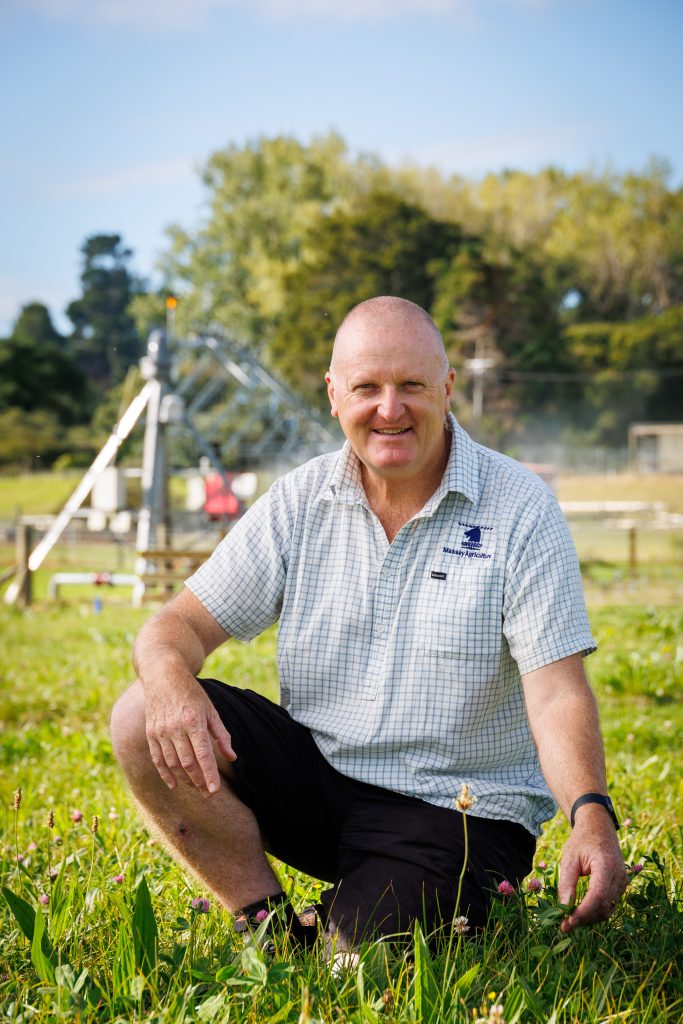 Professor Danny Dongaghy suggests removing excess feed early to lengthen the rotation and generate even more pasture.
We came out of a relatively dry winter, which brought some obvious advantages. Calving and lambing conditions were generally favourable and pasture growth responded well to warming spring temperatures.
On the Whenua Haumanu farmlets, pasture supply matched herd and flock demand almost a month earlier than normal, a sign the season was running ahead of schedule.
At the same time, we had several significant frosts in succession, something we haven’t seen regularly for many years. That encourages more grass tillers (shoots) to go reproductive, setting up a larger spring peak than we’ve become used to. Taken together, these factors pointed to pasture growth peaking earlier than normal, creating the potential for a shorter, sharper spring if summer conditions turn dry.
Don’t waste pasture
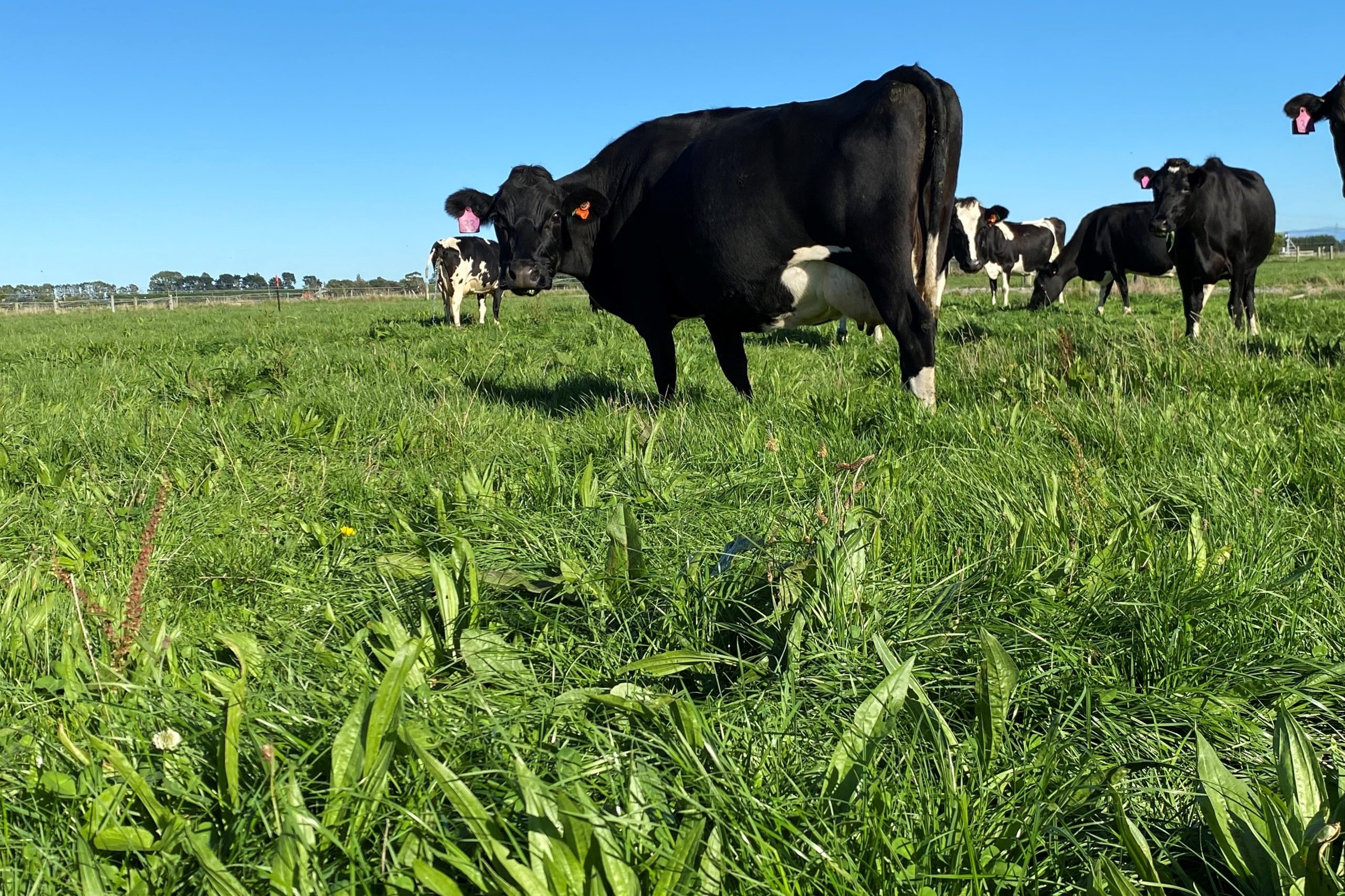
The first priority is making the most of the feed that’s available. Maintaining grazing residuals close to target remains one of the most important disciplines during periods of strong growth. In many areas, soils were dry enough this spring to allow better grazing management than we would normally expect, although flexibility will always be needed when rain arrives.
When surplus feed develops, grazing to residual targets naturally lengthens the rotation and generates even more pasture. That’s why I’d be inclined to remove excess feed early where conditions allow.
If seasonal forecasts prove correct, carrying high-quality conserved feed into summer could become valuable insurance.
Nitrogen and silage timing
In many years, early spring nitrogen applications make little sense for cooler regions of the country. Soil is usually wet and conditions are rainy so the risk of nitrogen being lost through leaching is high, utilisation by grazing animals is low and surplus pasture can’t be made into silage.
Farmers can quickly create more feed than they can effectively utilise.
This season has been different in many parts of the country, with favourable soil and weather conditions likely to deliver a strong response to carefully targeted nitrogen applications. Used strategically, nitrogen can still help build covers on paddocks destined for silage or stimulate regrowth after silage has been harvested.
Silage timing is also more important than usual. One scenario that makes me nervous is holding off on silage until the tail end of the traditional October–November window simply because that’s what usually happens. If large areas of the farm are cut and dry conditions arrive soon afterwards, those paddocks will struggle to return to the grazing rotation and the farm will see-saw quickly from a feed surplus into deficit.
As a rule of thumb, I like to see silage harvested from paddocks that are no more than 10 days beyond the normal spring rotation. Beyond that point, silage quality declines and regrowth slows.
Earlier silage harvesting offers a double benefit – better-quality feed and paddocks returning to production sooner.
Get ahead where you can
If pasture renewal is still on the list, time is running out. Earlier this spring, we broadcast seed into pastures because it was too wet on our farms to use a drill, and by the time soil conditions suited drilling, the soil could have been drying out and the establishment window closing. The same principle applies to summer crops – ideally, these should already be in the ground and well established before moisture becomes limiting.
Where budgets and conditions allow, it is also worth applying capital fertiliser sooner rather than waiting until later in the season.
These aren’t panic measures. They’re simply about setting the farm up for success if conditions tighten.
Preparation starts before drought
One lesson I’ve seen repeatedly, both in New Zealand and overseas, is that drought resilience of pastures is determined before the drought begins.
When dry conditions arrive, most farmers instinctively move to longer rotations and supplementary feeding, protecting residuals and giving stressed plants more time to recover.
The problem is that pasture performance during a dry period is heavily influenced by how those plants entered the season. Pastures that have experienced fast spring rotations, poor residual control or prolonged shading from late silage crops will enter summer with lower energy reserves and smaller root systems. Those plants are inherently less resilient when moisture becomes limiting.
In other words, the management decisions we make today will influence how our pastures perform through summer and into autumn.
The early bird gets the worm
The most resilient farmers during climate shocks are rarely those who make dramatic changes once conditions deteriorate.
More often, they’re the ones who prepared early. They’ve updated feed budgets, checked supplements, reviewed fertiliser plans, assessed stock numbers and thought through contingency options before decisions become urgent.
If El Niño ultimately has less impact than expected in your region, those actions still represent ideal farm management. But if conditions do tighten, preparation completed now could prove invaluable later.
At this stage, ‘be alert, not alarmed’ remains a good mantra. Forecasts still carry uncertainty and regional outcomes will vary. Rather than reacting to the headlines, the goal should be to put our farming systems in the strongest possible position for whatever the season delivers.
Danny Donaghy is a professor of dairy production systems at Massey University and leads the Whenua Haumanu programme, Aotearoa New Zealand’s most comprehensive programme examining the impacts of both contemporary and regenerative pastoral farming practices. His research focuses on working with the dairy industry to implement research findings on farms.
First published in CountryWide, Summer 2026-27, pages 122 to 123.