Leasing model a way forward for NZ agriculture
Sheep, beef and deer farmers, Stu and Ginny Neal, have built their farming business from scratch. They have worked hard on and off-farm, they have also worked at building both relationships and their reputations as people and custodians of the land. Words Sandra Taylor. Photos Ben Doubleday.
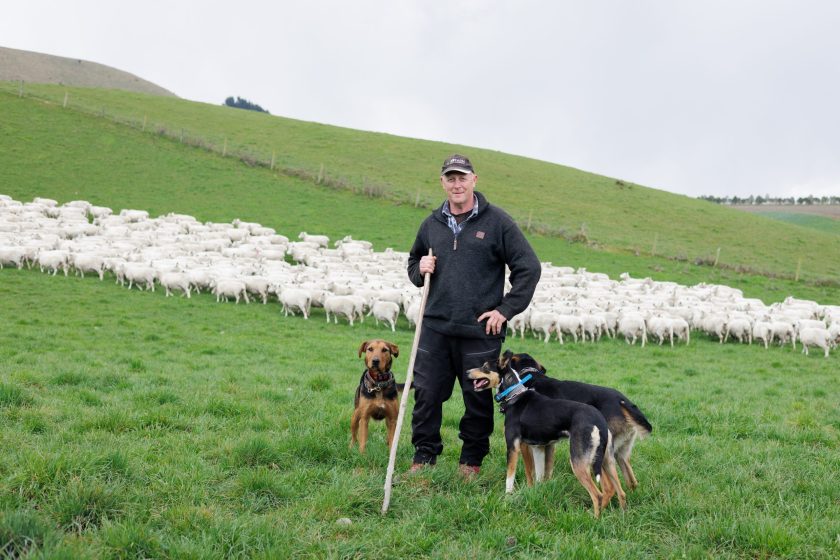
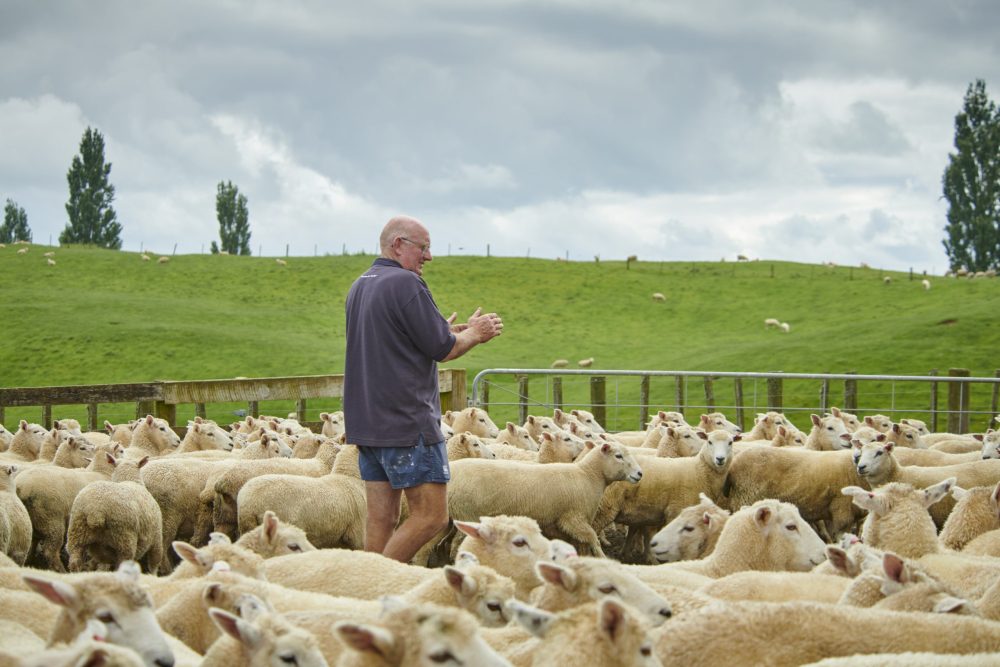
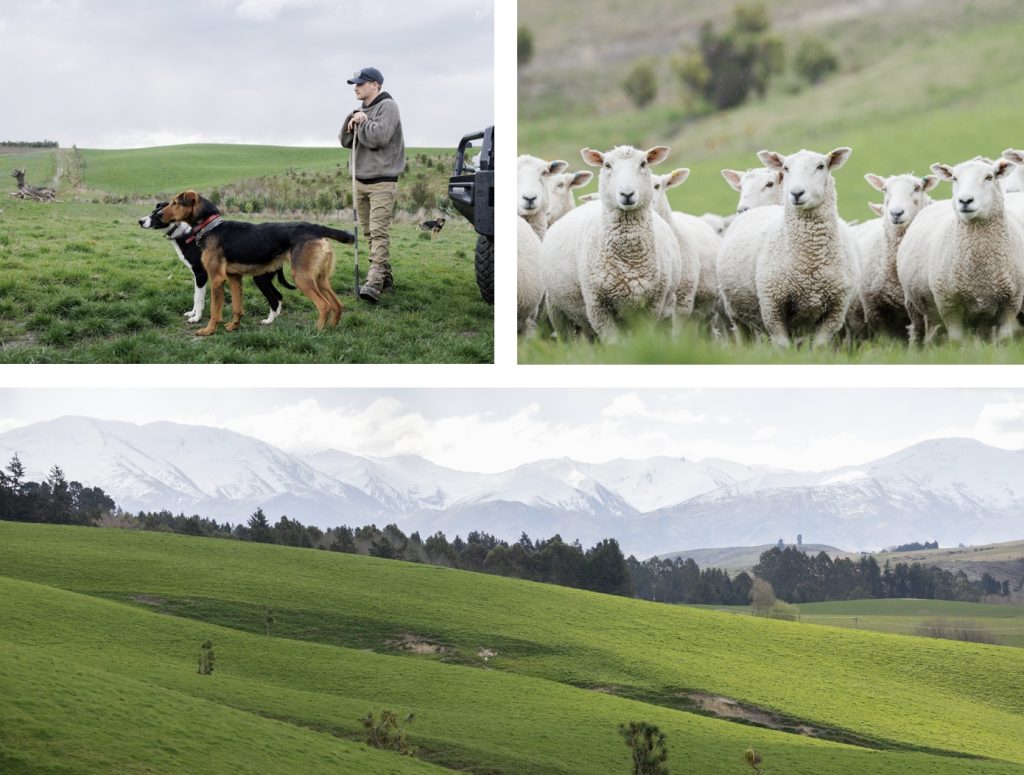
There is nothing traditional about Stu and Ginny Neal’s farming business. Now based in Fairlie, the couple has built their 12000-stock unit business from scratch through hard-work, relationship building, making and taking opportunities and eschewing the traditional model of farm ownership in favour of leasing land.
Stu, who grew up on his family’s sheep and beef farm in Blenheim’s Wairau Valley, was always going to be a farmer, but knew from the outset he was never going to own his own farm. After leaving school, he worked as a shepherd and musterer, building his skill set with the aim of becoming a career farm manager.
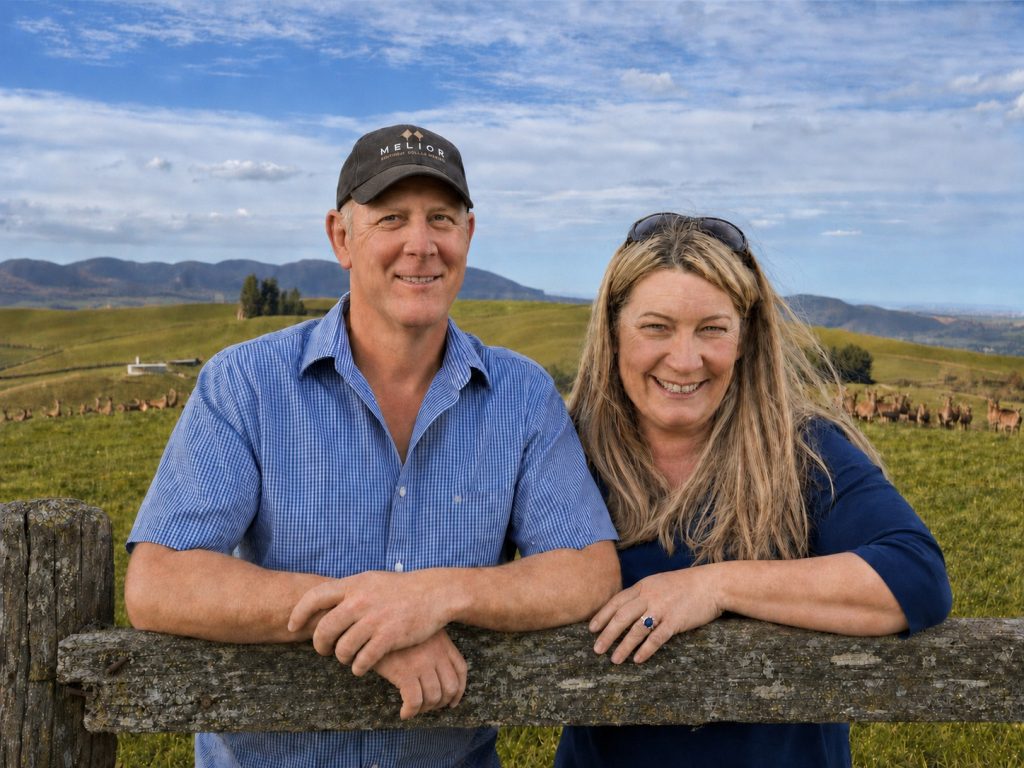
Along the way, he met and married Ginny and the couple had two sons, Angus and Jack, before the family moved to Wairarapa’s Castlepoint Station. Stu managed the property for the Crofoot family for seven years. During his tenure at Castlepoint Station, Stu travelled to Australia to take part in Rabobank’s Farm Managers’ Programme – encouraged by his employer – which proved valuable for his personal and business development and a catalyst for change.
It was also during their time in the Wairarapa that Stu and Ginny met Willie and Ange Falloon – a meeting that would prove life changing. Willie and Ange had built their own farming business by leasing land and their leasing model was to be a blueprint for Stu and Ginny.
While the couple have nothing but praise for their former employees, Stu admits that their goals changed once their children came along.
“Once the kids showed up, Ginny and I wanted to build something of our own so the kids could be fully immersed in a farming upbringing.
“We had awesome employers and opportunities, but this was offset by the lack of a sense of ownership and to be honest, I wanted to be rewarded for my skills and I knew we needed to have skin in the game to achieve that.”
Stu says they have never wanted to buy farmland because to them, land offers a very poor return on investment and they didn’t want to saddle their children with the debt associated with land debt should they wish to farm.
After moving back to the South Island, the Falloons encouraged Stu and Ginny to tender for a 7000-stock unit lease property at Albury in South Canterbury. To buy the stock and plant, Stu and Ginny sold five residential investment houses they owned in Christchurch and Rolleston, and the couple formed a company – Neal and Co – in partnership with Willie and Ange who provided both support and financial backing.
Shortly after taking over the lease at Albury, Stu and Ginny were approached by neighbouring farmers offering them land to lease, so they very quickly found themselves farming 15000 stock units. “All of a sudden we were massive,” says Stu.
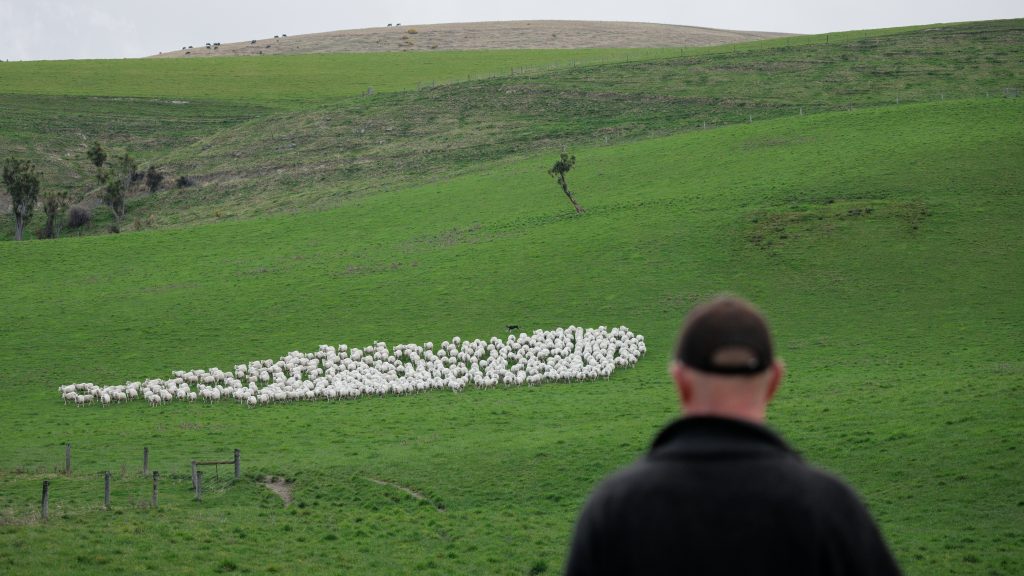
One of those farmers, Lyn and Neil Campbell, also came in as partners in the Neal and Co business.
Stu and Ginny eventually let the Albury lease go to centralise their operation at Fairlie, which had grown after Neil Campbell’s untimely death.
Today, Stu and Ginny are the majority shareholders in Neal and Co with Willie and Ange being silent but highly valued partners. They catch up once a year to go over the finances and outside of that, Stu and Willy chat around once a week, more as friends than business partners. Neal and Co now farm 11000-12000 stock units across two properties and Stu says they have an excellent relationship with both landowners.
The Neals are very light on their feet when it comes to their farm policies. Nothing is cast in stone and they are always on the look-out for ways to maximise profitability.
For example, they were running 2,500 breeding ewes but chose to sell 2000 of them to capitalise on the high prices being offered for capital stock last summer. They have now moved to a trading model with one-year ewes and trading lambs. “Livestock is the only asset you have when you’re leasing and we saw the opportunity to generate some value from our ewes.”
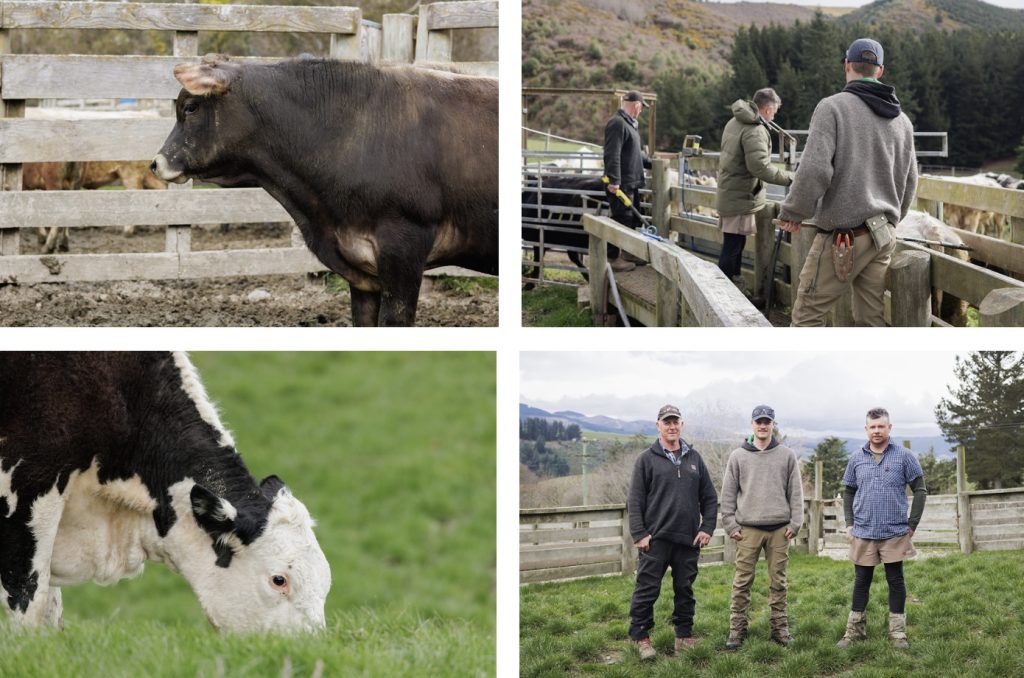
Similarly, they sold 190 Angus breeding cows on a very strong market and these have been replaced by lower value Hereford Friesian Cross heifers in a once-bred heifer system. “We are really a grazing company, so we are not precious about what we farm – it just has to be profitable,” says Stu.
The couple do run 1000 breeding hinds – and their progeny – and these hinds are the cornerstone of their operation.
Off-farm income
Stu and Ginny are currently living at opposite ends of Canterbury during the week, with Ginny working as Principal at Cheviot Area School.
The couple have always had a clear shared goal to grow their personal wealth and this has meant saving as much as they could and having two good incomes to service loans. When their now adult children were young, Ginny kept her teaching certificate current, even when it meant they were paying more in childcare than what she was earning. Specialising in change management, Ginny has held several high-profile roles in education including at Ko Taku Reo, New Zealand’s leading provider of education services for deaf and hard of hearing children. The couple have also invested off-farm in both residential properties (buying two after selling their first five to buy stock and plant when they took on their first lease) and a share portfolio.
They use one of their Christchurch investment properties (both are used for Airbnb) at weekends as a halfway point between South Canterbury and Cheviot.
Within the next couple of years, Stu and Ginny would like to base the farming part of their business in or near North Canterbury and are on the lookout for leasing opportunities in the region.
Reputation is everything
Stu and Ginny’s whole business has been built on their reputation as people, farmers and custodians of the land. Their ability to connect, build and maintain relationships has been the key to their success right from the outset, giving them opportunities which have allowed them to grow their business. “It was all about reputation and connections and the brand you build early on.”
Because of this, they have had people along the way who have believed in them and supported them. It was Ashburton-based farm consultant John Tavendale who convinced Stu to take the manager’s role at Castlepoint Station. This move gave the couple the opportunity to meet some influential people, including Willie and Ange. John was a mentor for the couple when they were getting established. The relationship Stu and Ginny have with Willie and Ange has been instrumental in the Neal’s ability to lease land and grow their business.
Stu met Willie through discussion groups when he was managing Castlepoint Station and having built their own business by leasing land, the Falloons were keen to help others get established on lease farms.
The third on Stu’s list of the most influential people in their business are Neil and Lyn Campbell.
They offered Stu and Ginny a 400ha lease soon after they arrived in South Canterbury. “Both Willie and Neil had a passion for a structure that would allow people to get into farming through a leasing model.”
Giving back
Stu and Ginny believe that people are their most important asset and they are very keen to give their staff opportunities beyond just a pay package.
One previous employer was able to run her sheep stud on the Neal’s leased land at no cost and sold around 40 rams a year to augment her salary. The current stock manager, Hayden Hannah, rears calves which he will either sell on the market or back to the Neals.
“We want to do for other people what Willie and Ange did for us, by helping them into a lease arrangement or an equity partnership.”
Stu takes any opportunity to talk to young people about their journey and encourages them to consider ways they can grow a farm business which involves them having skin in the game. “I love telling our story about what we’ve done. I’m really proud of it and really passionate about the leasing model.”
He has recently presented at Beef + Lamb New Zealand’s Shepherd to Shareholder workshops and says he gets calls every week from young people seeking his advice. The first piece of advice he always offers is to start building a personal brand.
Win:win
Stu sees the leasing model as a win:win for both aspiring farmers and older farmers looking for a solution to succession.
It allows farm owners to retain their land and transfer wealth to the next generation while giving younger farmers the chance to build a business.
Stu and Ginny are also making succession possible within their own farm business. With both of their sons keen on farming, they are looking to expand their business within the next few years by sourcing more leased land. Another advantage of the leasing model is the flexibility it offers. Both parties have the ability to exit the lease if it’s not working. In drawing up their leases, the Neals used a Federated Farmers template, inserting clauses to meet their specific needs.
“I wanted to be rewarded for my skills and I knew we needed to have skin in the game to achieve that.” – Stu Neal, Canterbury
A path for the future of NZ Ag
Willie Falloon could not be more enthusiastic about the opportunities presented by equity partnerships and leasing arrangements. “There are so many unique opportunities out there and I would love to see more happening in this space. They are just not being talked about enough.”
Willie and his wife Ange built their own business by leasing and eventually buying his family farm and they are now involved in three equity partnerships, all of which are meeting or exceeding the Falloons’ expectations of a 10-12 percent return on investment. Just as importantly, the couple are helping talented operators who don’t have the benefit of a family farm, into farming businesses, and this gives Willie a huge amount of satisfaction. “When you find good people, you want to retain them and this continuity of management is a key part of a high performing business.”
For Willie, retaining good operators means giving them the opportunity to have shares in the business, so it is a win:win.
He says he recognised that Stu was an exceptional operator after meeting him in the Wairarapa, and knowing that he wanted to eventually have skin in the game, the Falloons helped finance Stu and Ange into their first lease property in Fairlie. “That was 13 years ago and we haven’t had a cross word, it has been a really enjoyable experience.”
That is not to say they haven’t experienced some very challenging times with drought, poor prices and personal tragedies, but they have collectively navigated these and allowed Stu and Ginny to grow their business from a 25 percent share of 5000 stock units to a 60 percent share of 15,000 stock units.
Willie says it does take a shift in mindset for managers to go from managing a farm to managing a business. With a business, there is a focus on generating a return and often this means going without the “shiny stuff” in order to make money.
Willie also enjoys the robust discussions he has with his partners as they challenge each other’s thinking, both with a shared focus on growing their collective business. He says they make their expectations clear right from the outset and talk to their equity partners about what they want to achieve in the future. “We just help find that next step for them.” Willie says their farming business is “at the sharp end of stick” performance wise and he believes there are plenty of sheep and farms in NZ that would benefit from young, talented and enthusiastic farm managers – with skin in the game. “Equity farming allows this to happen. It can make the owners a lot more money with the right management. It is a sharemilking model for the sheep and beef industry.
“Woefully, there are just not enough opportunities for young operators not born to the land.”