One Man, 4,000 Ewes
Matamata farmer Craig Alexander has built his woolshed and his succession plan around EID, a five-way Sheep Auto Drafter and the data it generates. He says embracing the technology is how the family farm will survive. Words Sarah Perriam-Lampp.
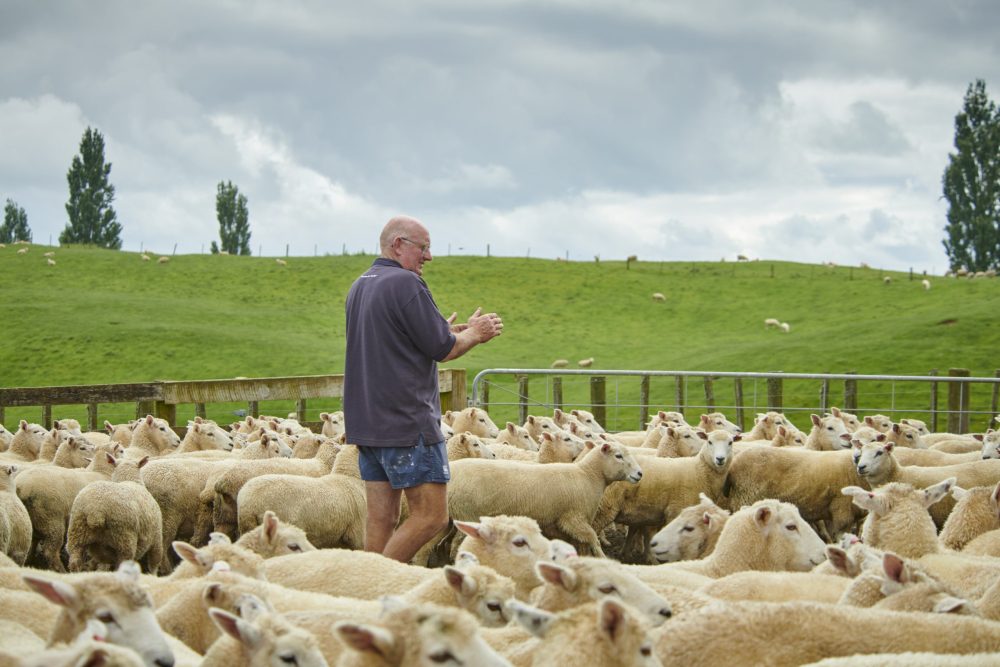
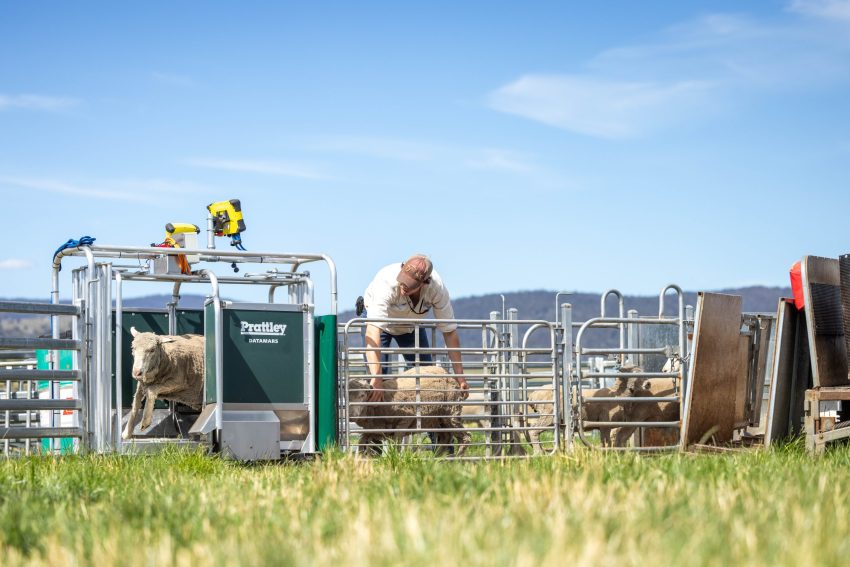
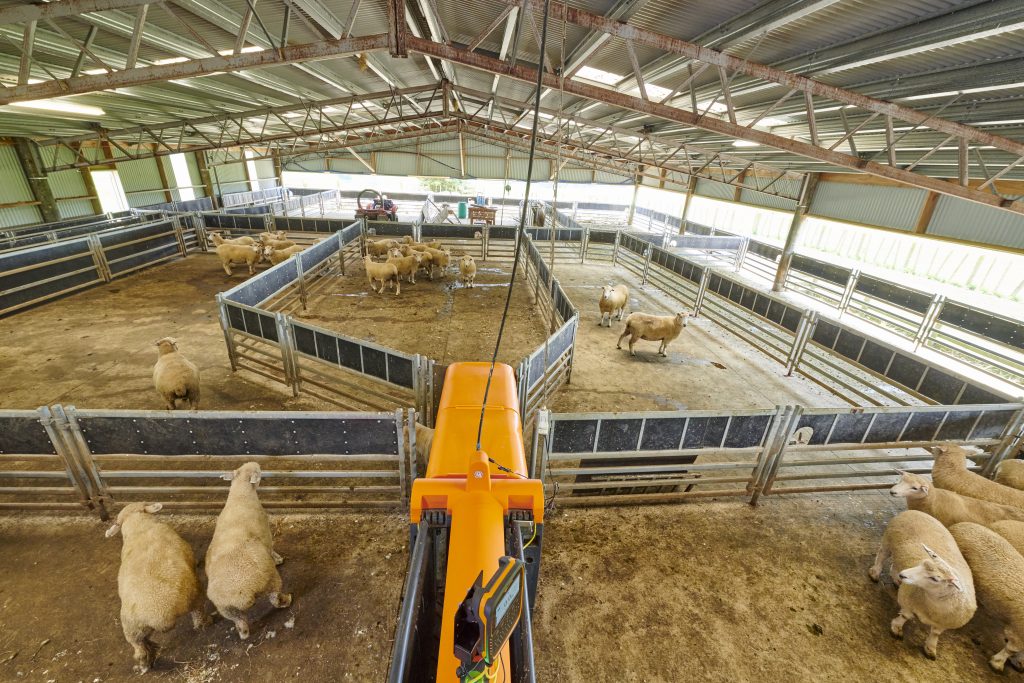
When Craig Alexander’s brother left the farm, the Alexanders faced a choice familiar to sheep farmers across New Zealand: hire more labour or work smarter. There were fifteen farms down the road when the Alexanders arrived in Matamata, five remain, and they didn’t want to be a similar statistic. So they built a woolshed around a five-way Sheep Auto Drafter – and have not looked back.
Craig farms just out of Matamata, running 540ha in conjunction with a 60ha property outside Hamilton, a Dannevirke property and a recently purchased 150ha block 5km up the road. This season, the operation lambed 4,000 ewes and calved 150 Angus cows. Within the flock are 500 recorded ewes breeding rams with a high emphasis on facial eczema (FE) tolerance and WormFEC worm resistance – a programme built on constant recording and monitoring, all based around EID.
The system replaced an era of clipboards and clock-face scales. “We were very labour intensive. We used to weigh everything and write it down, then physically write it onto other bits of paper and send it off,” says Craig. “Now my wife can plug in what we need into the weigh setup and it drafts accordingly. It takes out all the manual transferring of numbers that created mistakes.
“If you look at the New Zealand sheep industry over the last 30 years, it was one man per 500 sheep when we started and now one man can do 4,000 sheep.” – Craig Alexander, Matamata
“It’s a lot more efficient with one operator, a lot more accurate and a lot more time efficient. We can weigh sheep and my wife flicks all the records off to the bureau within an hour of me weighing.”
EID was a big step at the time, Craig says, but is now second nature. “We can plough through 400 sheep and it’s no pressure, no dramas. Before, you had to be on your mettle the whole time or something could be recorded wrong.”
The flock is now also DNA recorded at docking – a DNA sample is recorded against each lamb through the Gallagher setup.
Alongside the auto drafter runs a full Gallagher weighing system: TWR-5 weigh scale, loadbars interchangeable between the sheep setup and the newly integrated yards, an hand held EID reader for fleece-weighing in the woolshed, and cloud-based software that puts the information, as Craig puts it, back on his wife’s desk in very quick time.
The data is changing animal health decisions too. Cattle are weighed at every yarding to track average daily gain and the WormFEC monitoring means drench goes only where it is needed. “Previously, we just used to go in every four weeks and drench. With resistance to drenches, it’s giving us a lot more data – we’re probably drenching less.”
The auto drafter earns its keep on the commercial side as well.
“When we put our wether lambs through, we can draft them into five groups and concentrate on the top ones that are ready for sale,” says Craig.
“If you’re getting a dry summer, you can prioritise the ones that need it rather than trying to cater for everything. It gives us a lot more information and flexibility around our decision-making.”
Service sealed the decision to go with Gallagher. Remote support means a problem is often solved within the hour.
“In the previous setup, you’d have to send the machine away for two weeks. Now we just whip it into Hamilton and the service manager has it back out to us within a couple of days.”
At 60, succession is front of mind – and the systems are part of the plan. “A lot of the information is in my head and I’ve acted off my gut. Getting more systems and monitoring in place means other people can come in and pick up what we’re trying to do. My daughter is at Massey University and she’s all over this sort of stuff – she’ll have a real foundation to come home and compare information year by year, season by season.”
For Craig, technology is not a luxury – it is how the family farm stays in the family.