How the McNeil brothers built five East Coast farms on trust
Built on strong relationships with local iwi landowners and calculated risk, the McNeil brothers and their wives now run five farms and a string of leases from Tolaga Bay to Rangitukia. Tennant and Burne McNeil say their family farming partnership has lasted 40 years because of communication and transparency.
WHEN THE MCNEILS BOUGHT into neighbouring Mangaheia Station in 2020, they met their new farming business partners over lunch on a Monday and bought a 2,700ha station with them on Thursday.
It’s an example of the way Tennant and Burne McNeil do business: fast, a little unconventional and built on a good gut feeling of the character of people. The brothers grew up at Tikitiki in the Waiapu Valley and have farmed in partnership since 1986. With their wives, Leigh and Tracey, they now run five sheep and beef operations and a string of leases between Tolaga Bay and Rangitukia on the East Coast.
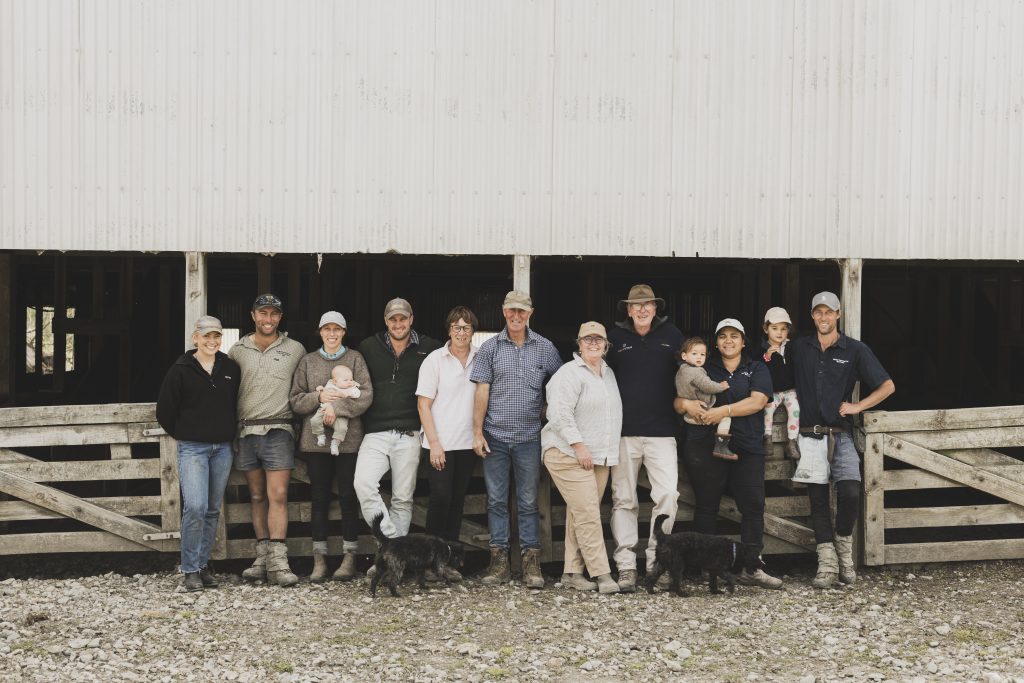
Burne and Tracey’s three adult children, Hayden (34), Scott (32) and Jessie (28), now manage three of those farms. McNeil Farming employs 34 permanent staff, runs 30,000 breeding ewes and 5,000 breeding cows across the McNeil Farming properties, all working in conjunction with each other.
Forty years on, both families say the partnership works because of trust, transparency and a shared belief that growth is worth the risk.
“We all have a say. Everyone’s always been listened to with their different perspectives,” says Leigh.
Tikitiki beginnings
The brothers’ grandfather broke in the family’s original farm, Tapuaehikitea Station at Tikitiki, from bush, and the property has been farmed alongside adjoining lease blocks for 120 years. Tennant and Burne grew up on horseback and have memories of riding halfway to Tikitiki School each morning.
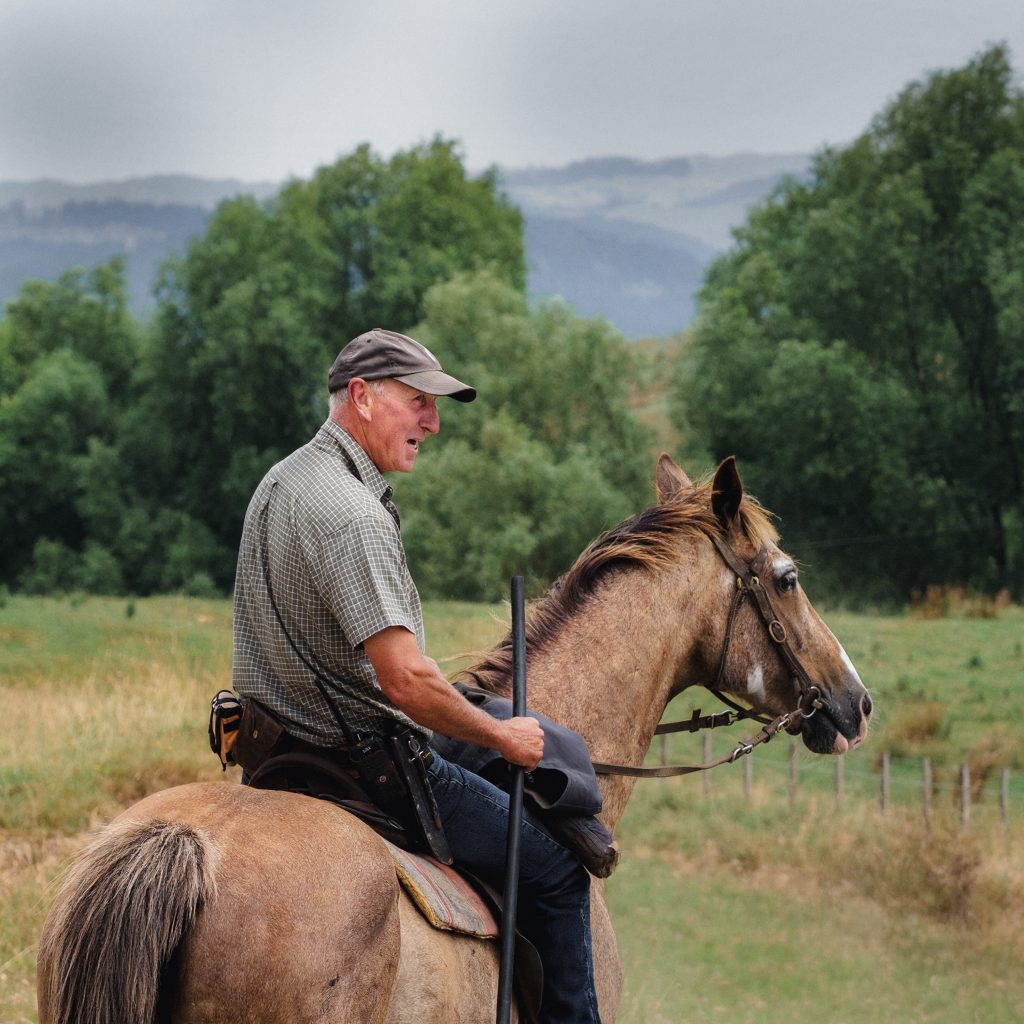
There was no such thing as truancy back then. When the principal ran out of mutton, he would ring their father, Maurice, and suggest it was time the boys went mustering again. Maurice would take Tennant and Burne to chase wild cattle and wild horses on a lease block and a mutton would find its way to the principal. “It was a sweet, sweet deal for us,” says Burne.
By 11 or 12, both boys had stud sheep and were selling rams, along with ducks and chooks, with their parents’ encouragement. Their mother, a skilled horsewoman, and Maurice, installed good stockmanship into the brothers from an early age.
A handshake start
In 1985, Maurice suffered a stroke and Tennant went home to take over the family farm they grew up on at Tapuaehikitea. The same year, he leased Tapatu from Paul and Richmond Johnson, a 1,200ha block inland from Te Araroa. “Our first big lease block, we had it for 14 years on a handshake,” says Tennant. “That gave us a start. A good start.”
Burne joined him in 1986 and the brothers formed their farming partnership. The timing helped. When the Labour government removed farm subsidies in the mid-1980s, stock and land values crashed.
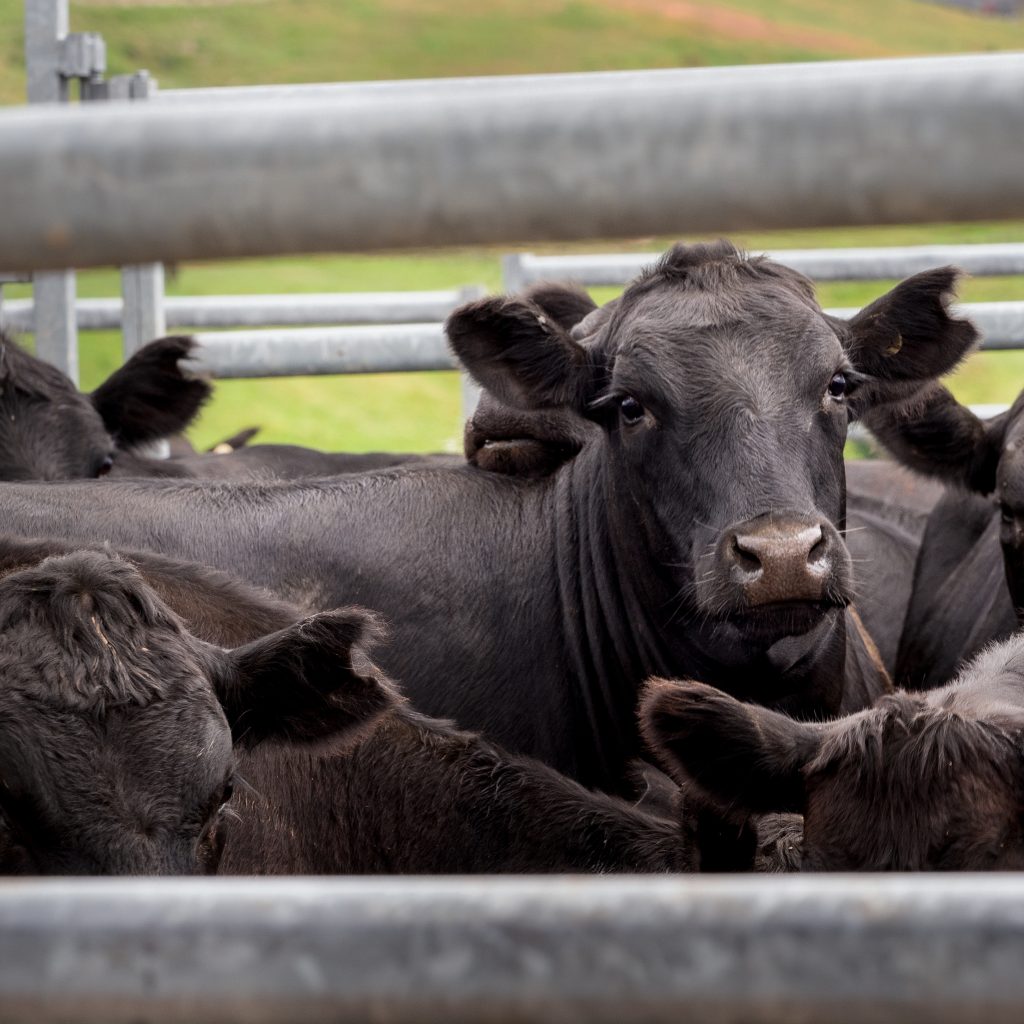
“We didn’t buy land for quite a while,” says Burne. “We leased land and bought stock at low prices. That gave us a good head start.”
The early lessons were not all profitable. The first lambs Tennant bought, before Burne came on board, lost money, although he made some of it back on wool.
Building together
In 1988, after Cyclone Bola, Burne took over management of Manga Station at Tolaga Bay from their mother Dawne. Manga was the original Dunlop family farm (Dawne’s family) – 404ha of freehold, carrying about 4,000 stock units.
Kinloch, the first neighbouring block, was bought in 1989, and the brothers kept buying whenever an adjoining farm came up for sale: Kowhai Tops, Reremai, Takapau and, in 2021, Arataha. Manga now covers 1,851ha, carries 18,000 stock units and is run with 600ha of leases at Tolaga Bay.
Tennant and Burne farmed separate properties, which suited the partnership. “We were on different farms, so we were never actually farming together on the same bit of land,” says Tennant. “So you could squabble over the phone and wake up in the morning and you weren’t looking at each other over the fence. We had our own autonomy”.
The brothers knew that sticking together was beneficial as two minds were better than one.
Four at the table
The brothers’ partnership became four when Burne met Tracey, who grew up in Hawke’s Bay, at the end of 1987, and she took a teaching job at Tolaga Bay in 1989. Leigh, also from Hawke’s Bay, moved to the coast in 1991.
Tracey stopped teaching to raise the couple’s children and took over the financial side of the business. Burne kept a blue book in which every price was written down and she picked it up from there.
The four spent weekends together at polocross and polo tournaments. “This was a special shared time with great friends and team mates,” says Tracey.
For years, the partnership was only the four of them and everyone had a say whatever their perspective. Leigh says bringing the next generation into that has been an interesting evolution – including the three children and their partners’ views alongside those of the four owners, now known as the senior McNeils.
Leases built on trust
The McNeils built on their two family-owned farms at Tapuaehikitea and Manga with several leases which have been the growth engine of the farming partnership with many of the landowners being Māori incorporations.
Tennant was successful negotiating blocks for lease off the back of the McNeil family’s long-standing history up the Coast and have held some of their leases for generations..
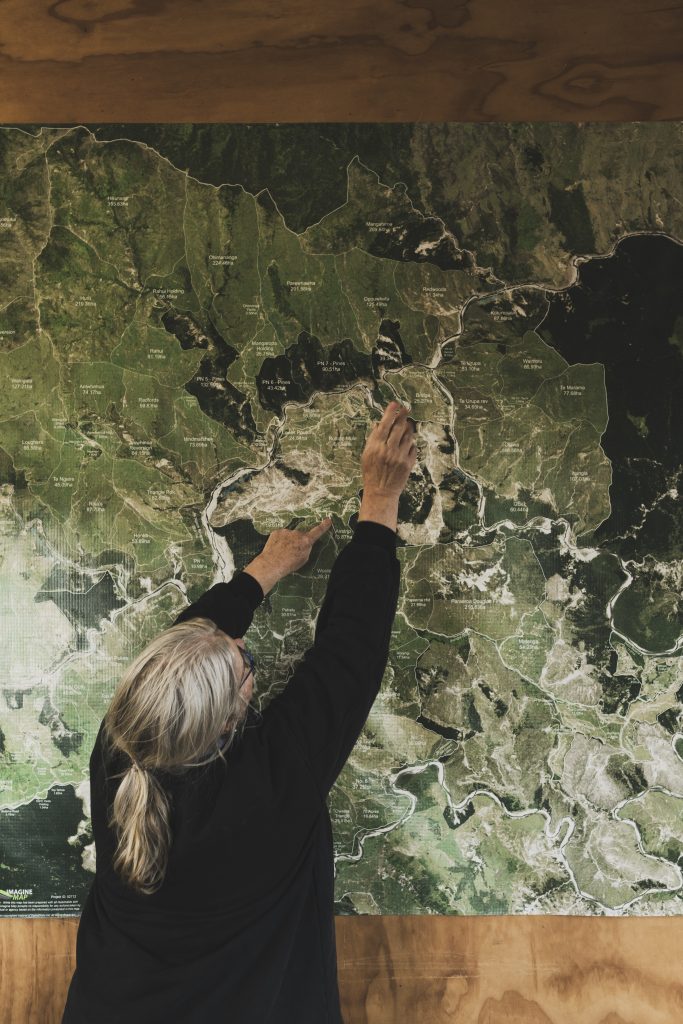
“You just have to be straight up and be a tidy custodian of the land, I suppose,” says Tennant. Over three decades, the partnership added Tikitiki D9 (1990), Tuakau Station (1997), Marutawhiwhi (1999), Maraehara Farms (2010), and Kopuatarakihi and Waru Estate at Tolaga Bay (2017).
Pauariki Station at Tokomaru Bay, bought in 2022, is farmed in conjunction with Pourau and K4 lease blocks.
Growth, growth, growth
There was never time to stand still, says Leigh. “Burne & Tennant have always been risk takers. But really calculated risks because they had enthusiasm and energy. They just had the confidence to give it a go. It’s actually been one big adventure.” Tracey confirms.
“It was a lot of little steps really along the way,” says Burne.
Not every step was small. In 2020, Mangaheia Station came up next door to Manga. “We did not want to see it planted in pines” says Tracey. It was too big a jump alone, so their banker introduced them to a Gisborne horticulture family. “We met them on a Monday and we bought it with them on a Thursday,” says Leigh. The McNeils sold their half share in 2022, the same year they sold Ngatimita Station near Gisborne and bought Pauariki.
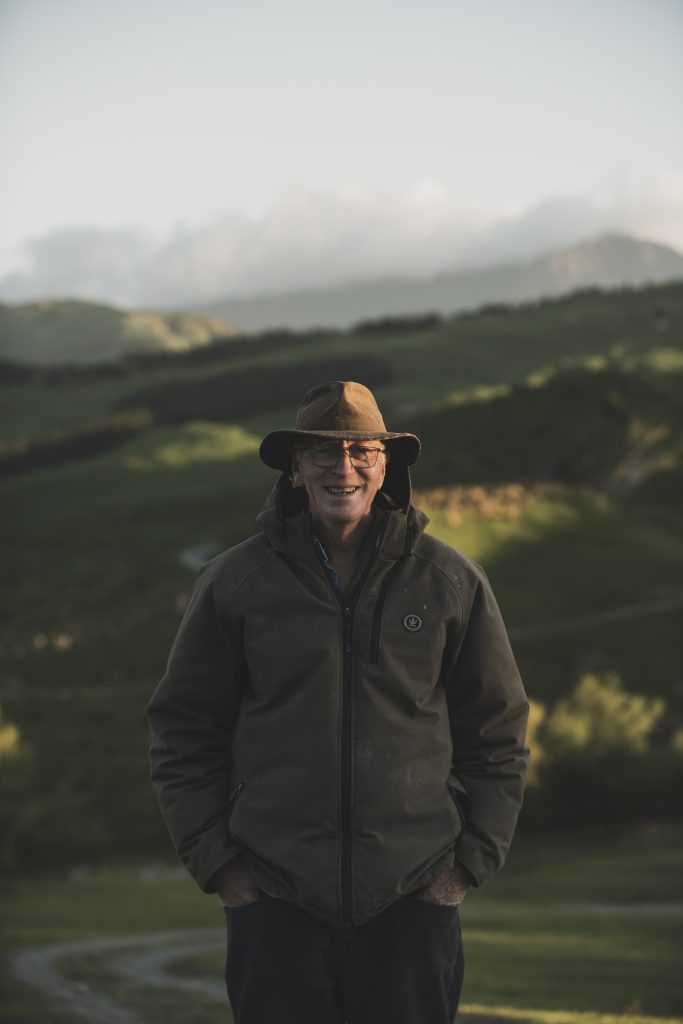
The big jump to Puketoro
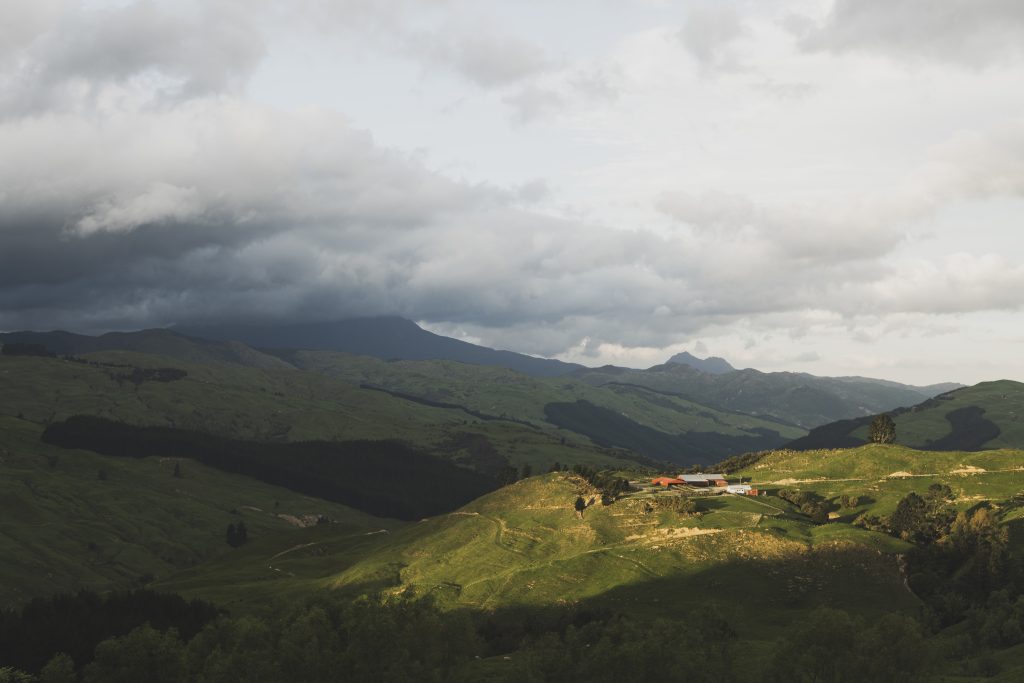
Both brothers worked at Puketoro Station as young shepherds, Burne for four seasons straight out of school. The station sprawls over 8,420ha of hill country an hour inland from Tokomaru Bay, reaching back to the Raukūmara Range and looking out to Mount Hikurangi.
Puketoro currently carries about 40,000 stock units on 4,820ha of effective hill country.
It was once part of Waipiro Station, a 40,000ha holding built up by the Williams family that also included Māori lease land. The McNeils tried to buy Puketoro in 2000 when it was smaller but could not make the numbers stack up. Then 16 years later, Puketoro came back on the market.
“Buying Puketoro was a chance to fulfil a dream. Probably the fact that we’d worked there and it was a special part of the coast to Burne and I,” says Tennant.
They couldn’t have done it without the support of their new bank manager Chris Tyerman, who worked through Christmas to get it across the line. Puketoro doubled the size of the business. “We had to sharpen up quite a bit and very quickly,” says Tracey. The business became a company with a board, an independent chairperson and formal reporting. They are forever thankful for their accountant, banker and lawyer who are fondly known as “the three wise men.”
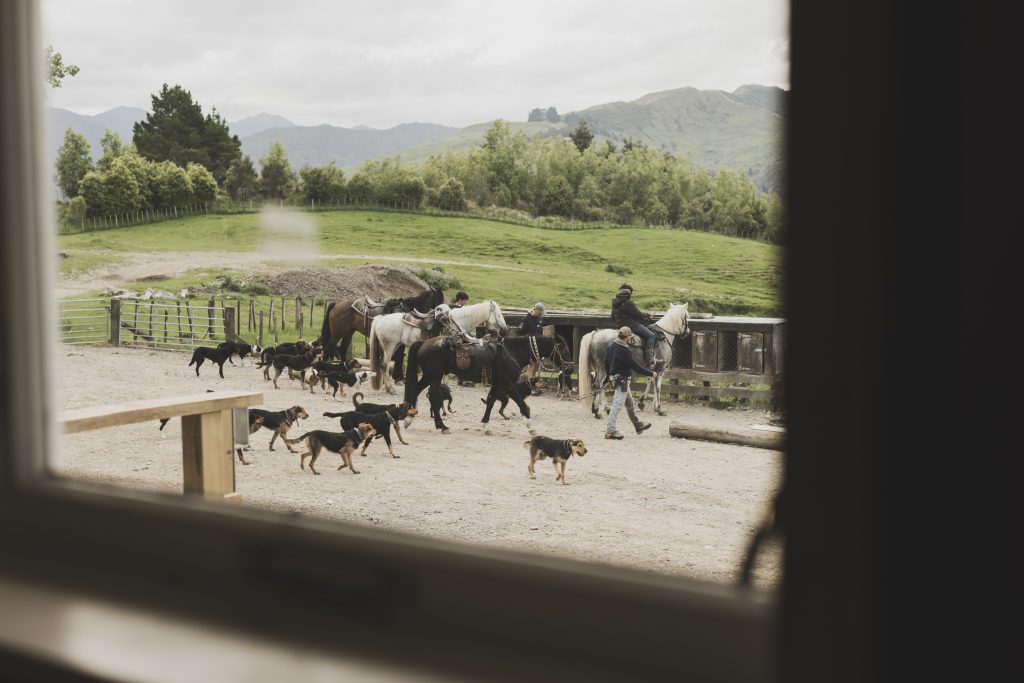
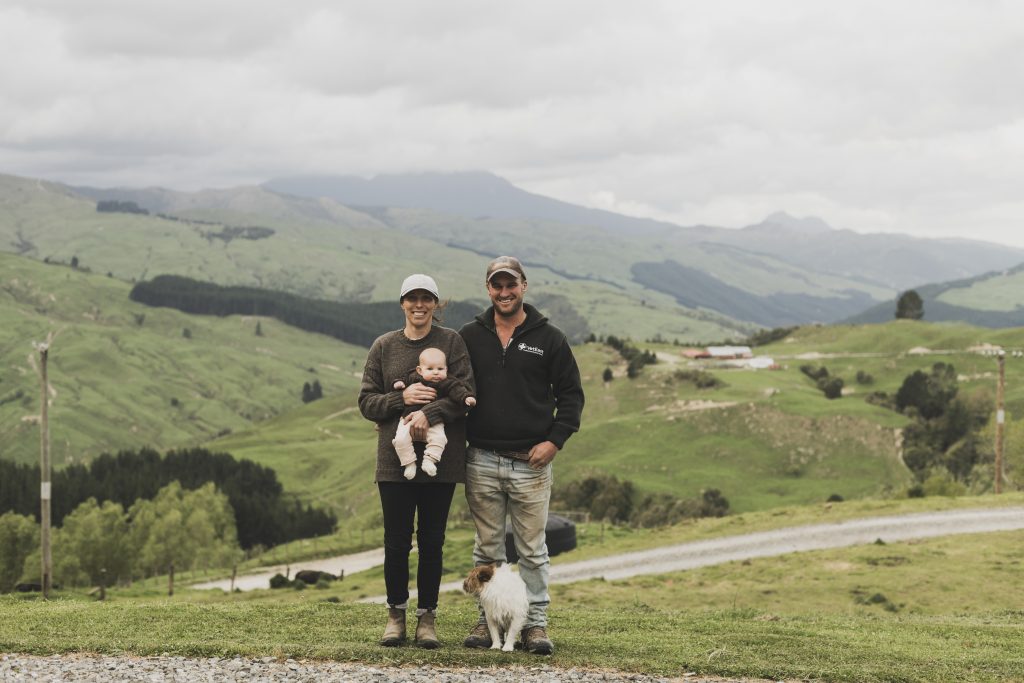
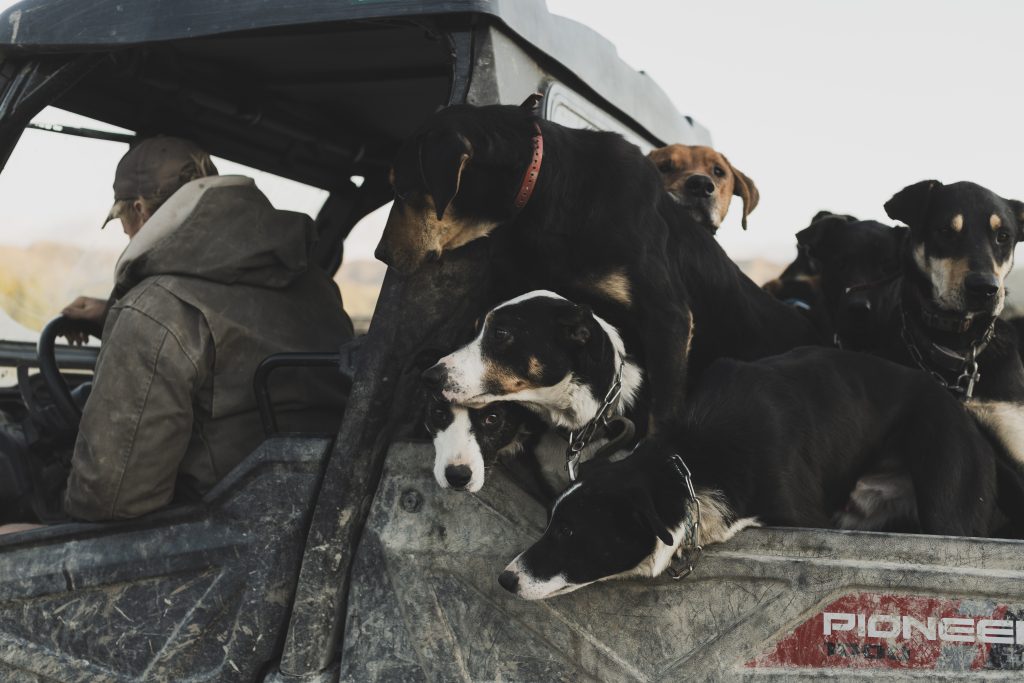
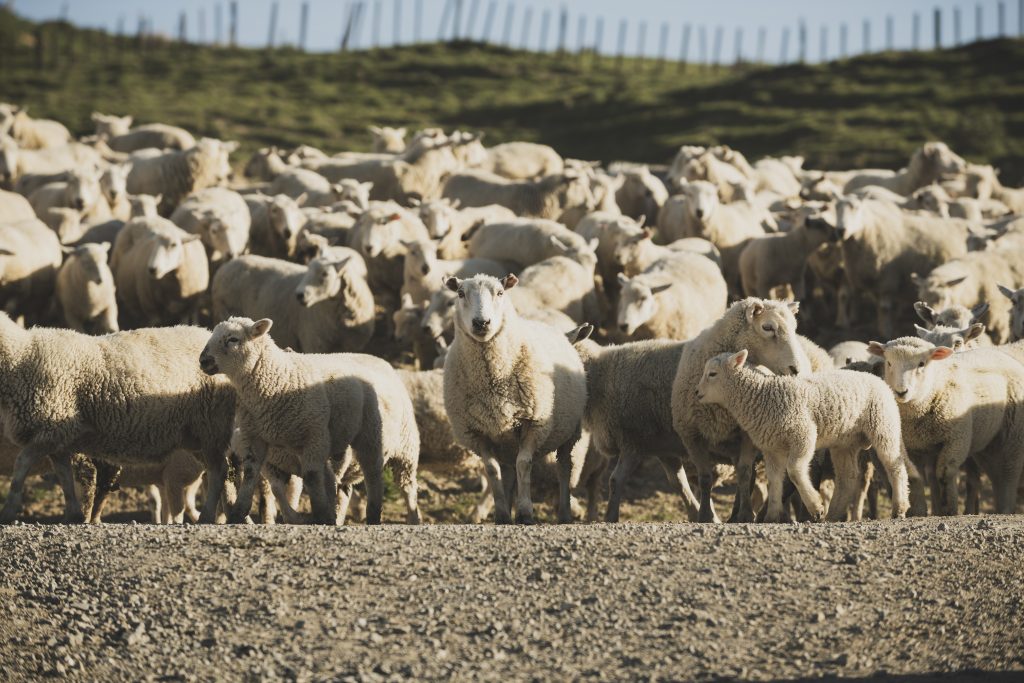
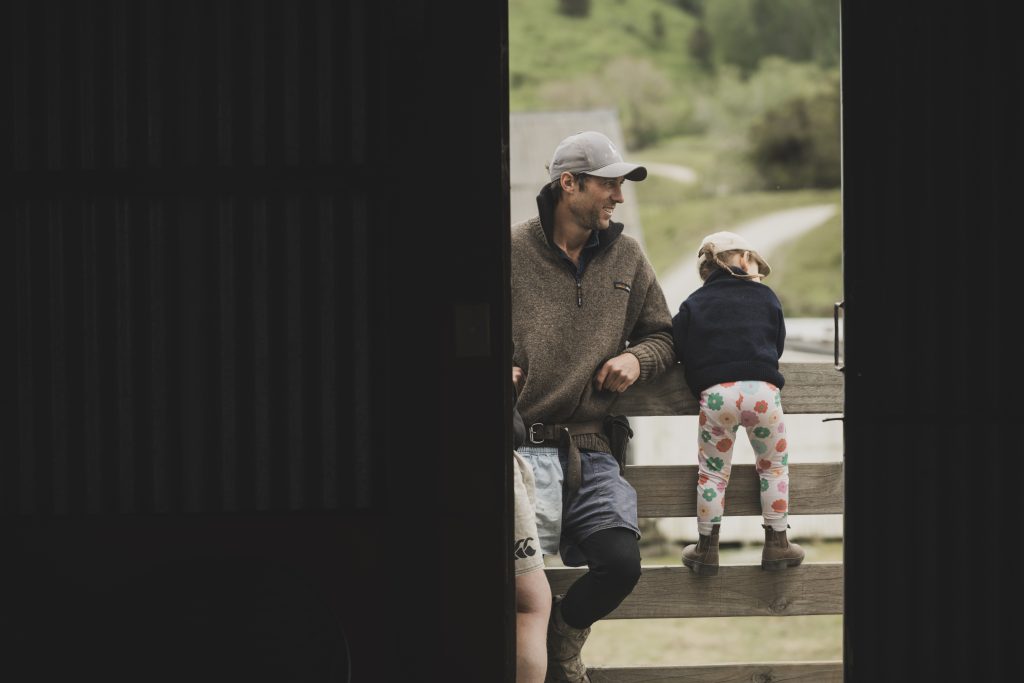
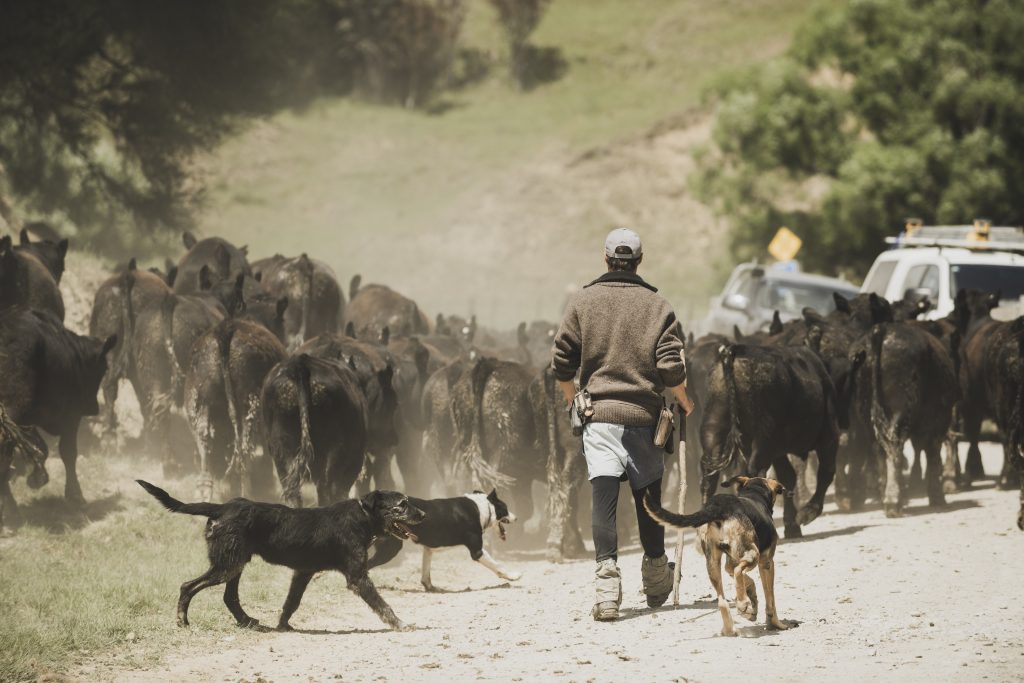
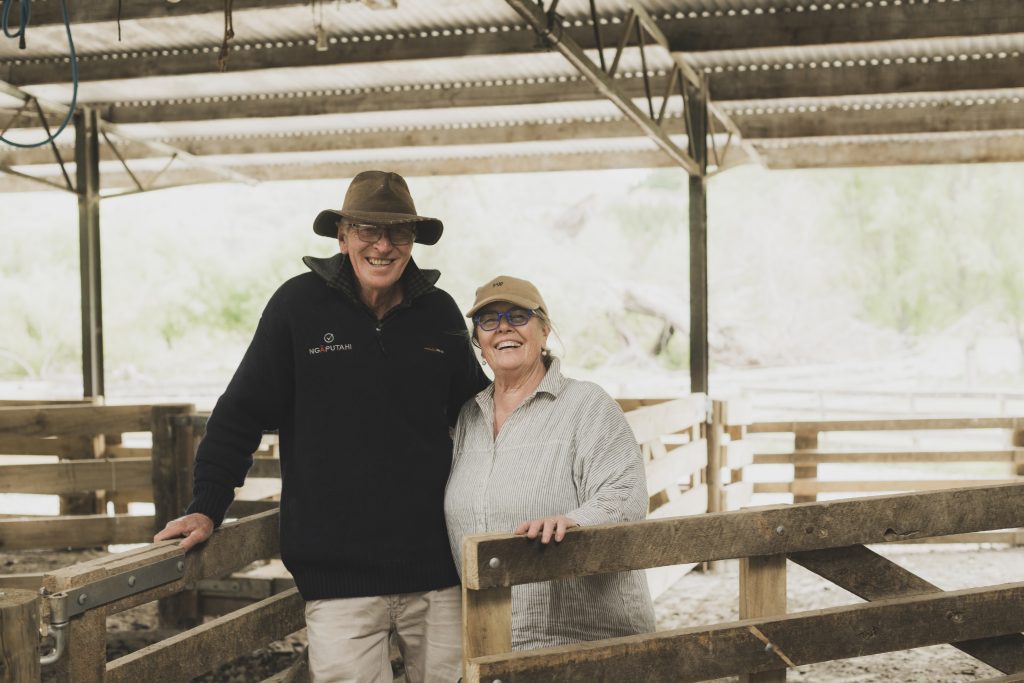
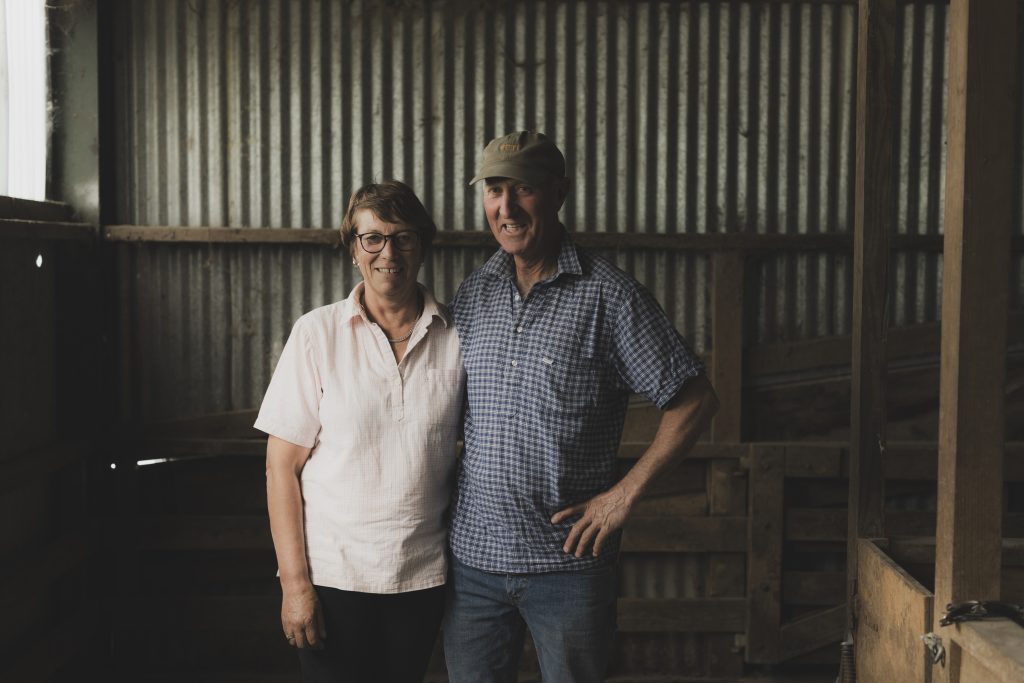
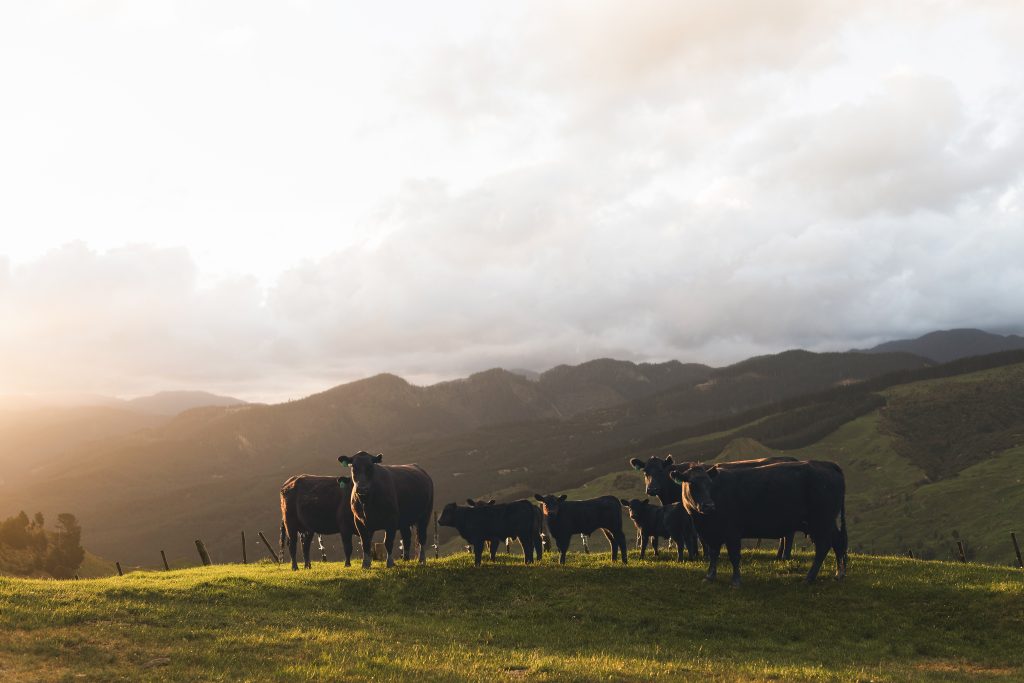
Station life with the McNeil family expanding beyond the two couples.
Neither couple planned to manage Puketoro. A manager was appointed but after about five months decided it wasn’t for him. In mid-November 2016, Tennant put his dogs and saddle in the back of the Hilux and drove inland. He told Hayden McNeil, who had been shepherding for him at Ngatimita for only a few months, that he was now the manager.
Shepherds on Puketoro usually stay about two years and leave able to handle a horse, with a good team of dogs and sound stockmanship. Puketoro is still run the old way: shepherds work on horseback, a cook feeds the staff and the 14-stand woolshed is the largest of the three still in use among the property’s five woolsheds.
They held their first on-farm sale of lambs, ewes and cattle in January 2017, about six weeks after Tennant arrived. He decided to do main shear, weaning, drafting and sale preparation over 10 days and we were lucky that we had amazing help from staff and friends to get through the workload. “We didn’t have a clue what we were doing really because we’d never had an on farm sale before,” says Leigh. “A lot of those friends still continue to help out every year”.
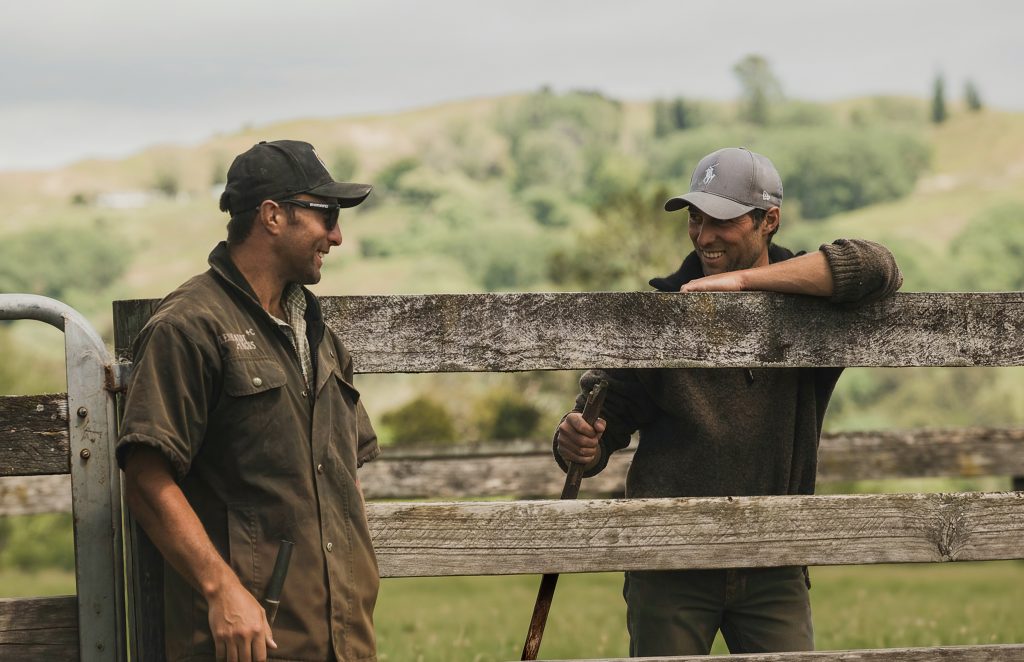
The sale has settled into a pattern and is a fixture on the livestock calendar on the East Coast. On 7 January 2026, their 10th sale included 3,000 two-tooth and 2,500 five-year-old Romdale ewes from Puketoro, Coopdale ewes from the company’s other farms, 960 15-month-old Angus steersweighing 350-430kg and 200 heifers. Buyers could also bid online through Bidr.
Fundamentals first
Their farming system rests on the fundamentals of fencing, fertiliser and grazing management. Each farm is run as a separate entity inside the company and stock is bought and sold between them, which spreads the risk of the season as they all have very different microclimates. Puketoro fattens about half its lambs and the rest go to lamb crops at Tikitiki and Maraehara Farms to finish, says Burne. If stock needs to leave a farm, it leaves.
When asked how they farm in the face of the changing climate on the East Coast, Tennant jokes, “You learn to panic slowly!”
Genetics is also a deliberate focus. Tennant selects most of the bulls with Leigh and the family bought the Waiwhero Angus stud from Charles Pattison, of Waipukurau, to cut down the amount of bulls they need to buy at auction to service the large number of cows they now run. “The technology on the genetic side with the stud is quite exciting and we’re hoping to fast forward our genetic gain for our commercial cow herd by having more options through the AI programme for the stud,” says Burne, and Leigh says marrying up the phenotype and the genotype is “a really interesting challenge.”
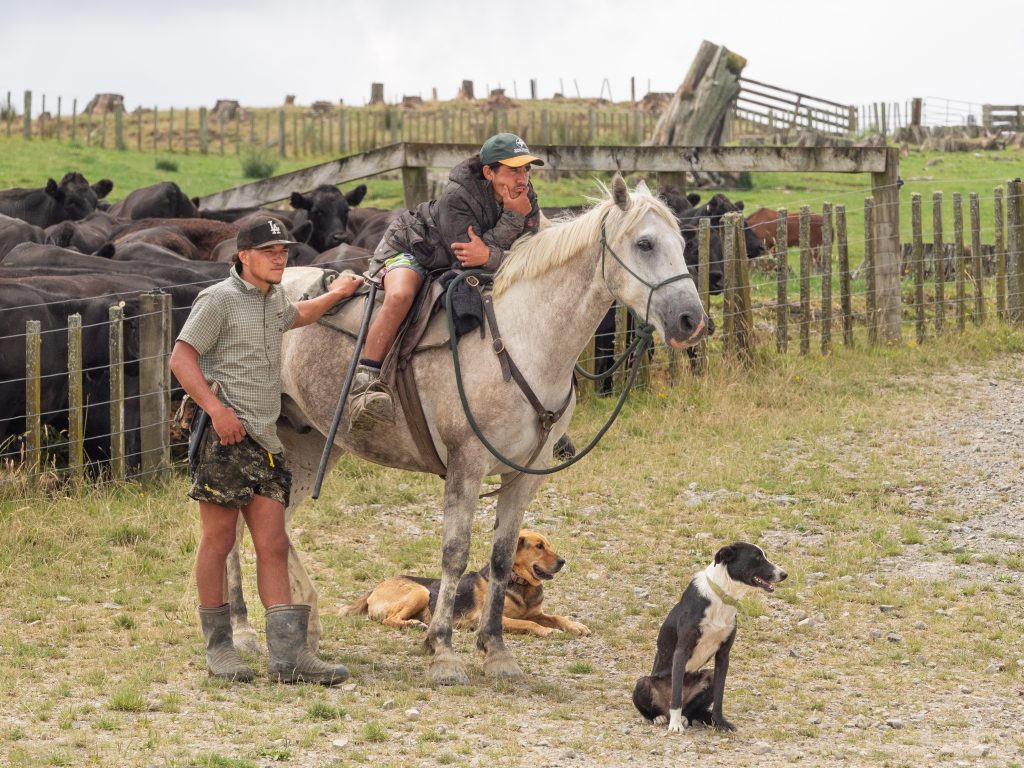
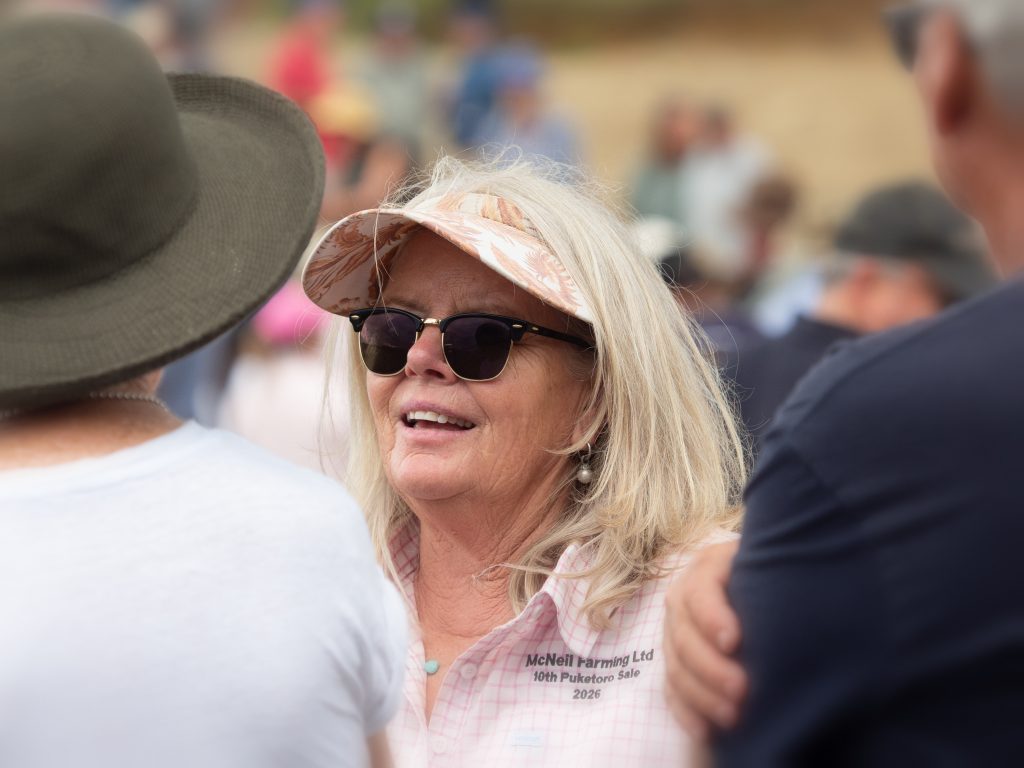
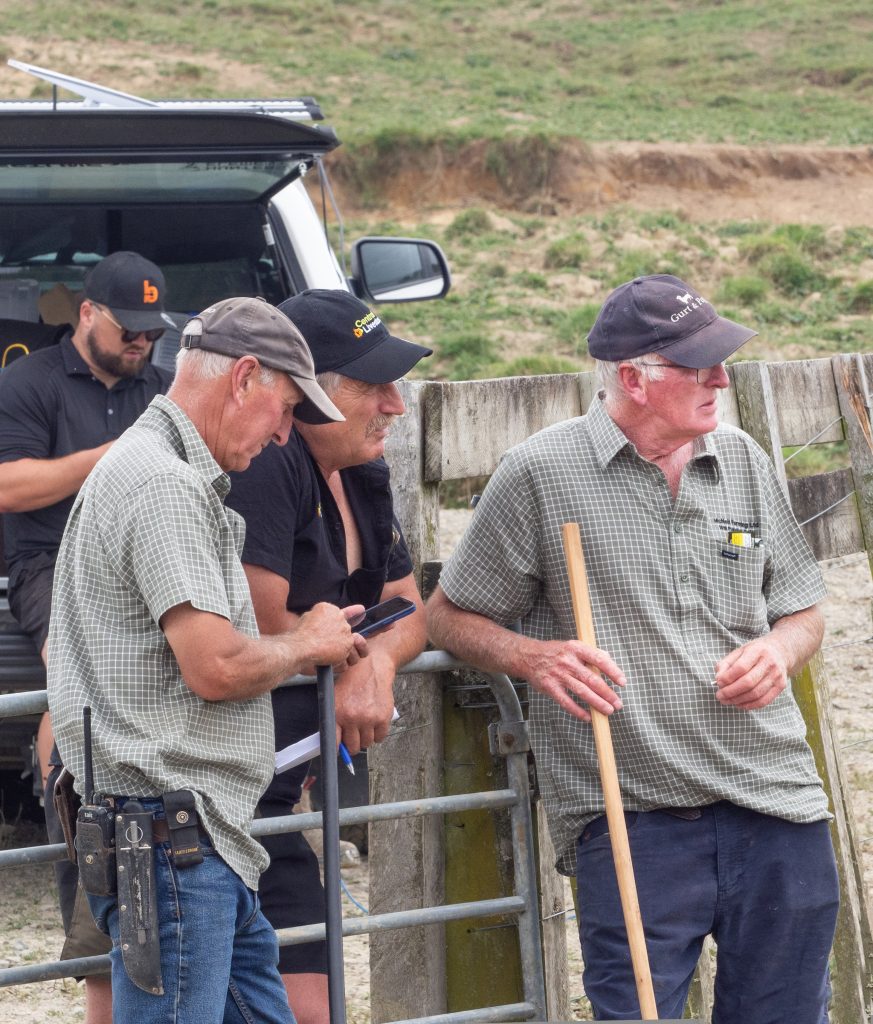
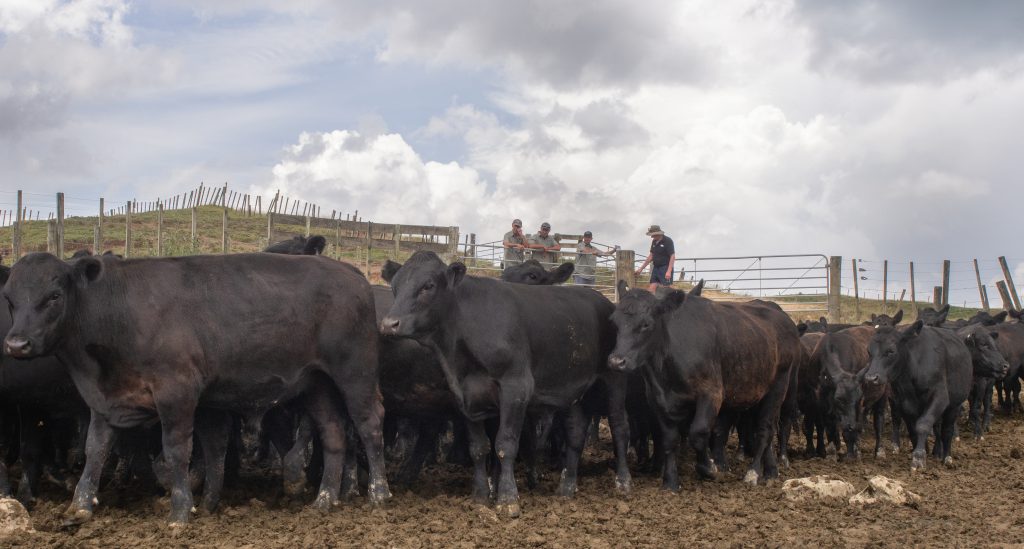
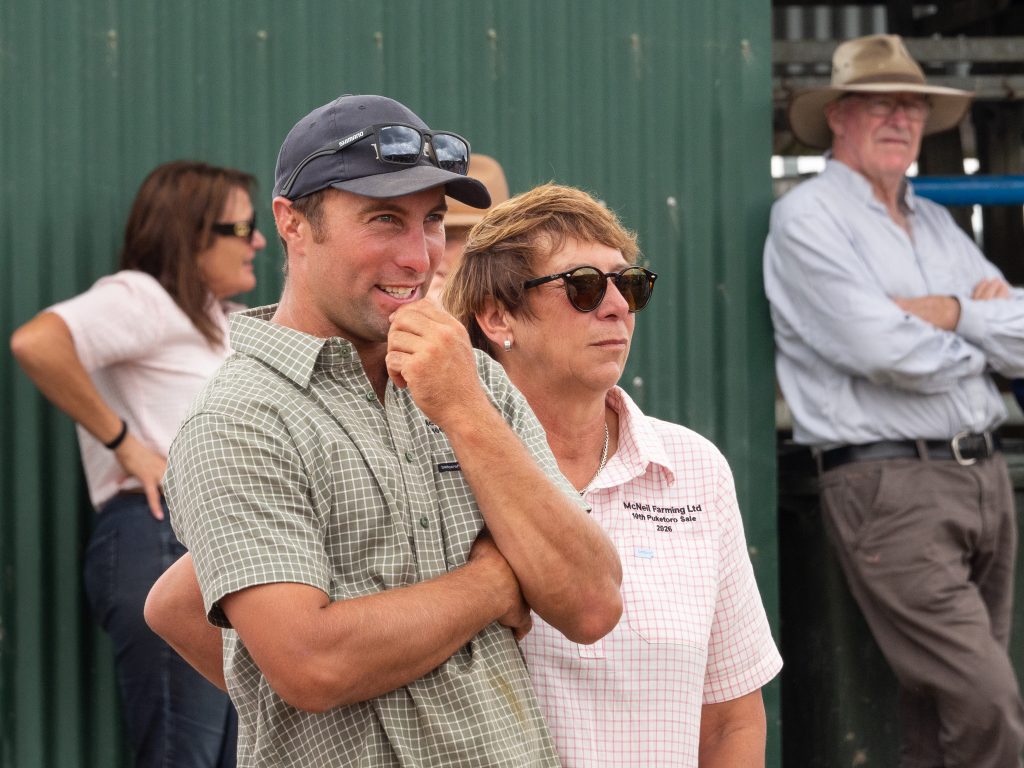
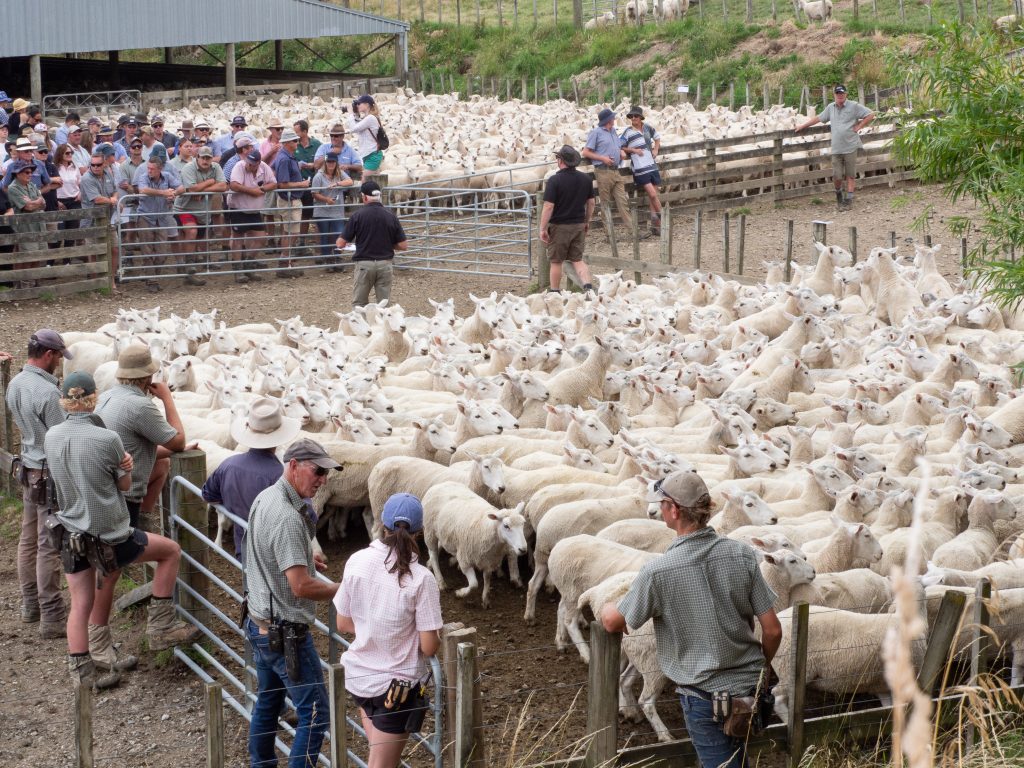
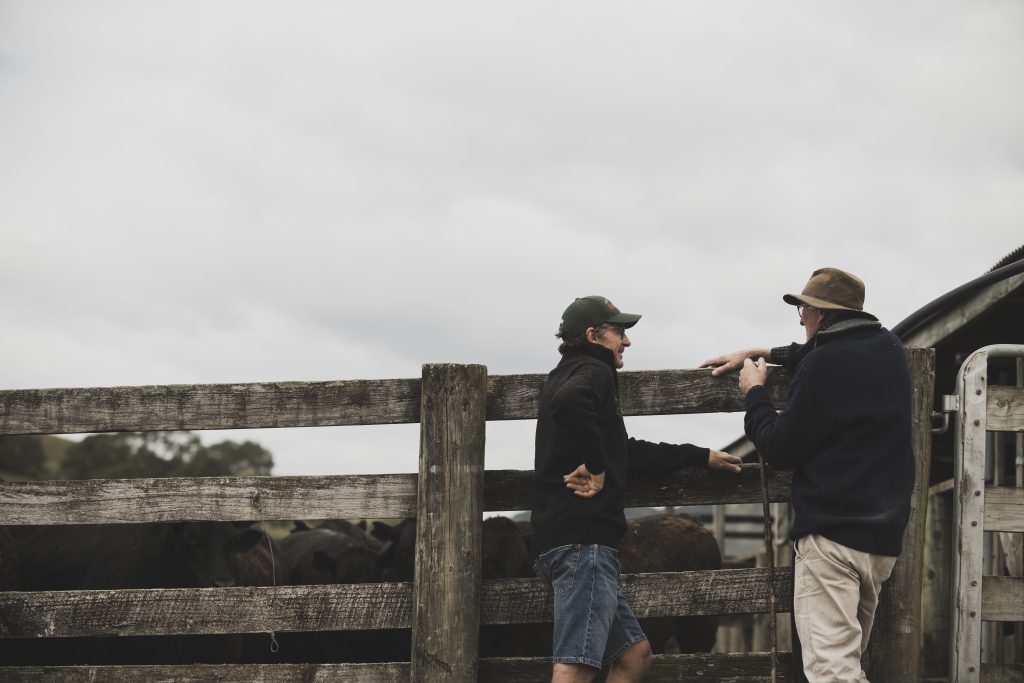
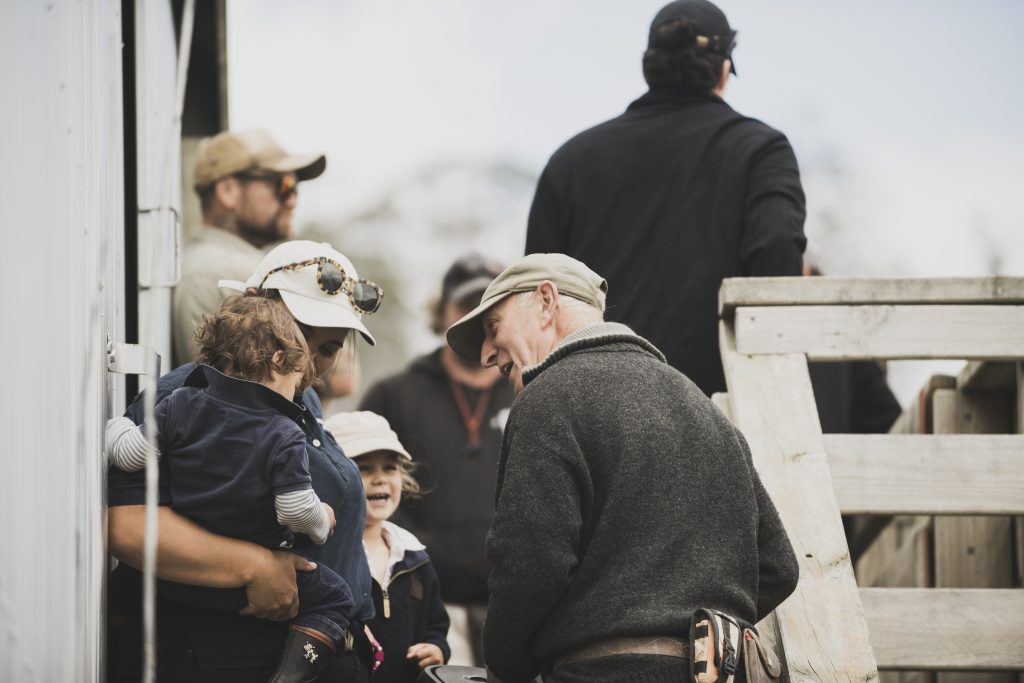
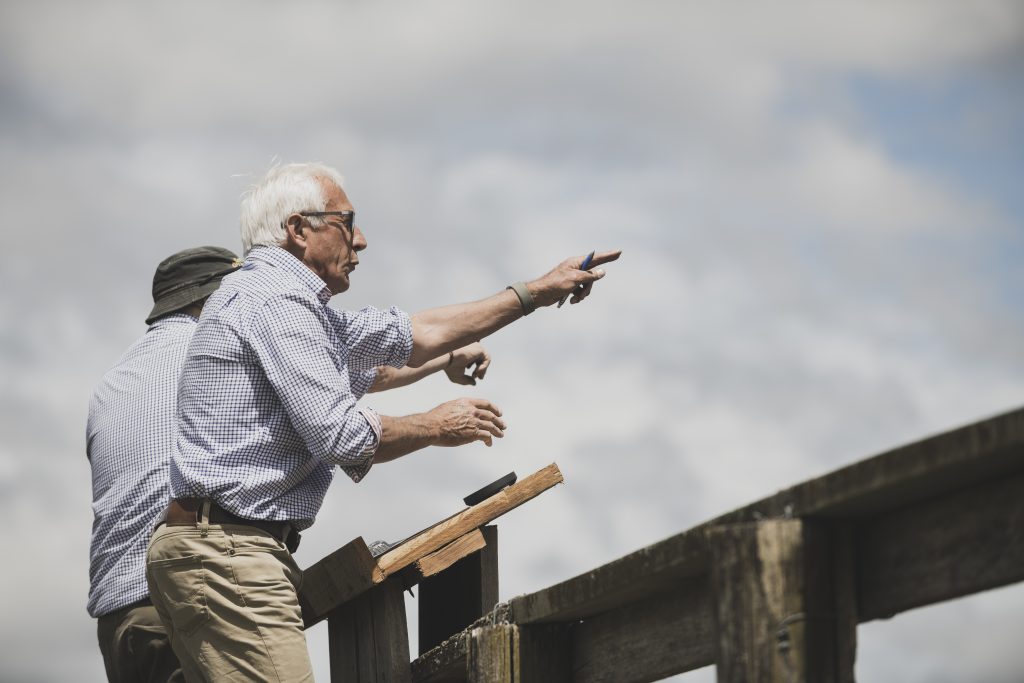
Scenes from the 10th annual Puketoro on farm sale on 7 January 2026 and the Pauariki steer & heifer sale on 29th October 2026.
Burne says there is a place for the new technology across farming with one example being collars for the cows. It has to pay for itself. Cattle collars will suit many properties, Tennant says, but at the cost of collars for 2,000 cows at Puketoro it is prohibitive unless it lifts the bottom line. “You’ve still got to be a stockman with the collars too,” he says.
Good stockmanship is always their primary thread, Tracey says. The brothers’ stock are always quiet – a skill learned early from both parents. Burne and Tennant have always been conscious to pass their knowledge on to both the McNeil children and the younger shepherds on the station.
The next generation
Burne and Tracey’s children grew up around the partnership. Hayden, 34, studied at Lincoln University, fenced in the South Island and shepherded at Puketawa and Tauwhareparae before Ngatimita, where he became manager after three months. He managed two blocks at Puketoro for two and a half years, then took over Manga with his wife Nikki McNeil, who is picking up the mantle with the Angus stud. They have two children, Bonnie, 3, and Louie, 1.
Scott, 32, had a year casual shepherding, studied at Lincoln, mustered in the Northern Territory and worked at Mount Linton Station in Southland and Siberia Station near Hunterville before returning to Puketoro for two years and then moved on to Tukemokihi, Wairoa, as head shepherd. He then moved back into the family business and managed Maraehara Farms for three years. Strong with horses and dogs, he now manages Pauariki with his partner Briony Pannell, who also works in town.
Jessie, 28, studied at Lincoln and spent her university summers shepherding at Manga and Puketoro. After working for Ballance Agri-Nutrients as a nutrient specialist in Gisborne, she now manages Puketoro with her fiance Tom McLean who started on Puketoro as a shepherd in 2019 and took over the shared management role from Tennant in 2024. Jessie also runs all the fertiliser programme across all the farms. She has stepped back from day-to-day work since the birth of baby Sophie, four months old.
All three sit on the board with the four ‘senior McNeil’ owners, the accountant, the banker and the independent chairperson. Tennant and Leigh moved to ‘town’ (the outskirts of Gisborne) in July 2025 and Tennant is still up at Puketoro four days a week in a supervisory role. Burne supervises Manga, Pauariki, Tikitiki and Maraehara Farms.
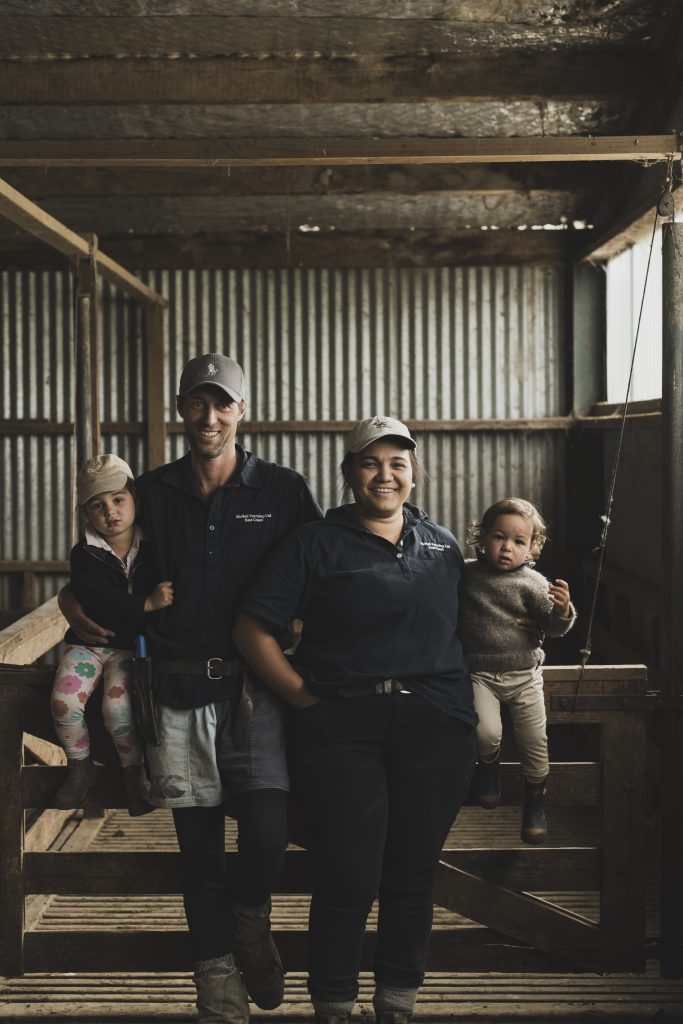
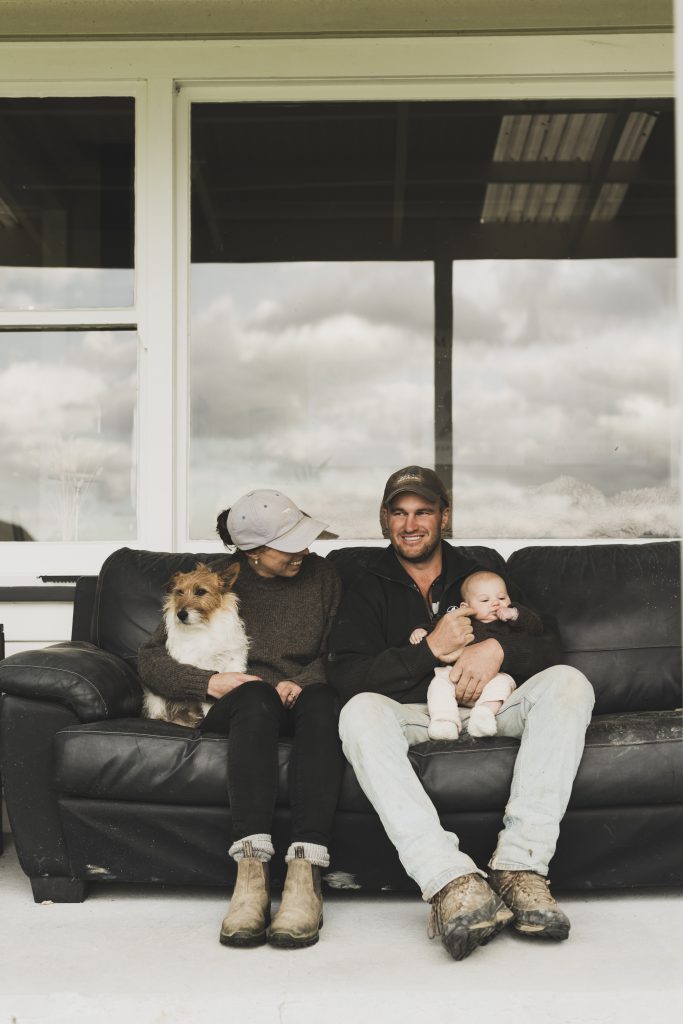
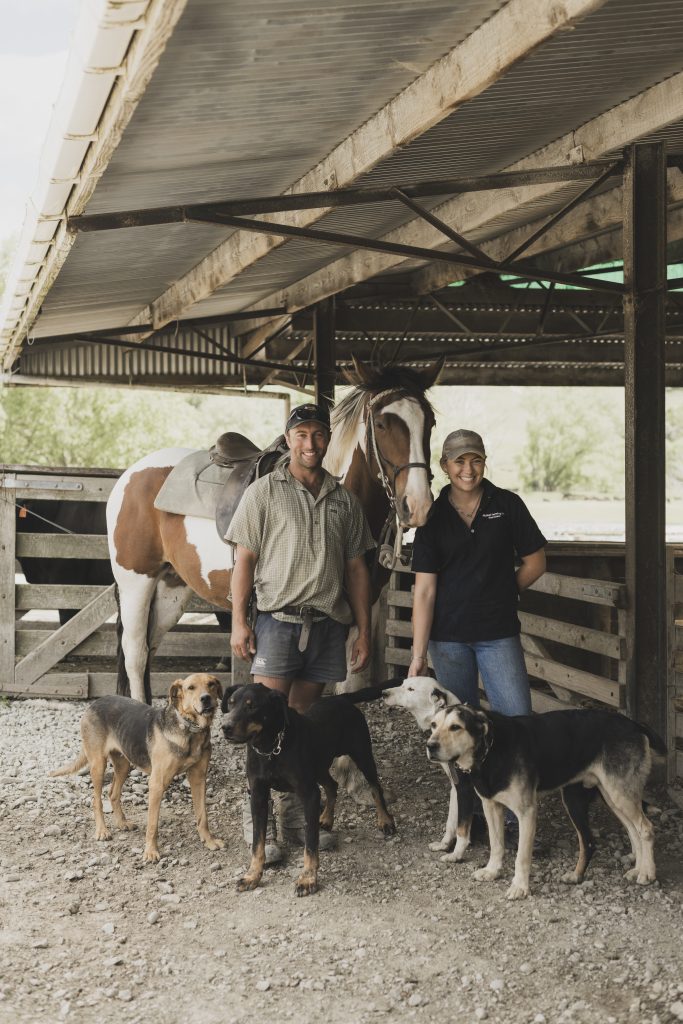
The next generation of McNeils are all home farming - Hayden McNeil with Bonnie and Nikki McNeil holding Louie; Jessie McNeil with baby Sophie and fiance Tom McLean; Scott McNeil with partner Briony Pannell.
“The children have watched the partnership closely, the good bits and the not-so-good. They have seen that a successful partnership comes with a whole heap of compromise and trust,” says Leigh. “We believe that communication and transparency equals trust.”
Leigh says they all have great partners who also understand the strength of the partnership.
“We feel really lucky that our kids have the passion to go farming,” says Tracey. “It’s pretty special that there’s three of them in it.” She says they see the value in keeping the business together.
Leigh says the passion is inherited. She explains that Maurice and Dawne made Tennant and Burne into farmers by passing on their love for farming and stock, and Tracey and Burne have also done the same with their children.
“I believe that the reason the passion is there throughout the generations is because the parents made farming an adventure that was great fun,” says Leigh. “It’s what’s led to them all to want to farm.”
Farm facts
Farm McNeil Farming Ltd: Tapuaehikitea, Manga, Puketoro, Pauariki and Maraehara Farms, Ngatimita (2003-2023)
Location East Coast,Tairāwhiti: Tikitiki,Tolaga Bay, Tokomaru Bay and Rangitukia
Owners Tennant & Leigh McNeil and Burne & Tracey McNeil, with Hayden, Scott and Jessie McNeil
Area Tapuaehikitea,Tikitiki 200ha freehold plus 610ha leased; Manga,Tolaga Bay 1,851ha plus 600ha leased; Puketoro 8,420ha (4,820ha effective); Pauariki,Tokomaru Bay 2,154ha plus 1,984ha leased (Pourau and K4 Blocks); Maraehara Farms, Rangitukia 2,500ha leased
Livestock 30,000 breeding ewes (Romdale and Coopdale) and 5,000 breeding Angus cows including R2 heifers; 46,500 lambs and 4,600 calves bred a year
Staff 34 permanent
Annual rainfall 1,600-3,000mm depending on farm; Puketoro 2,000mm at the homestead and 3,000mm in the high country
First published in CountryWide, Summer 2026-27, pages 21 to 29.