Catchment groups need funding that outlasts the grant round
Many catchment group leaders are being asked to deliver large scale change on funding that rarely lasts beyond a few seasons. Budget 2026 had $40.5 million over four years, but many are saying it’s barely enough to keep their lights on when dispersed among 280 catchment groups. This special report looks at how catchment groups around the country are answering those questions and what it takes to stay financially sustainable.
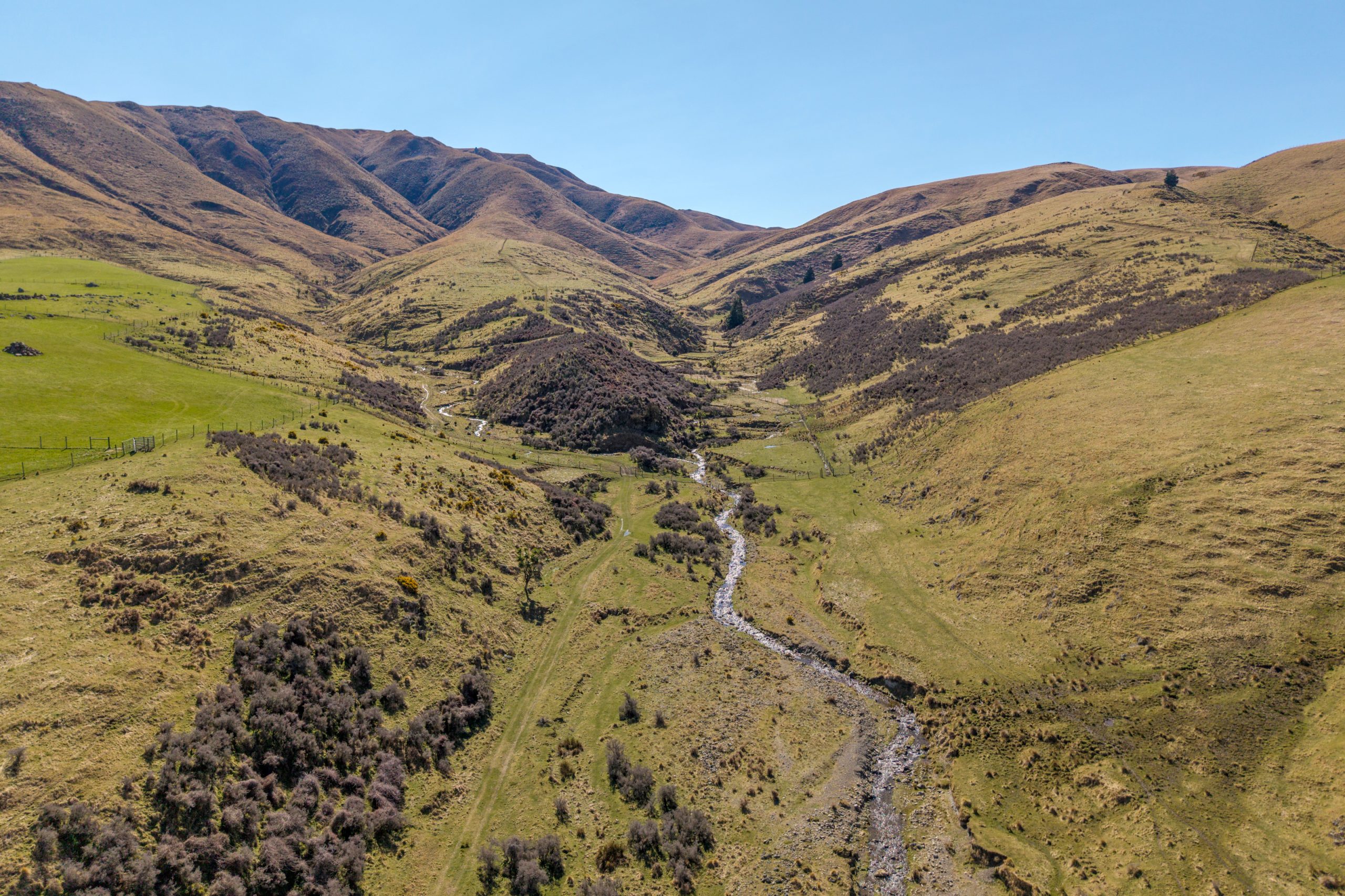
Limestone Creek at Wakare in Mid Canterbury, owned by Mike and Nicky Salvensen.
This article is part of CountryWide’s Catchment Groups special report, Summer 2026-27.
CATCHMENT GROUPS HAVE NEVER been short of goodwill. What many lack is funding that outlasts the next grant round and the next change in government. They are planning for decades on money that arrives a year at a time. The pressure on them is growing. Since 2011, New Zealand has had four separate National Policy Statements on freshwater, each followed by regional plan changes and court cases.
Parliamentary Commissioner for the Environment Simon Upton continues to argue that catchment groups are the best vehicle for landscape-scale action. He says they show that rural New Zealand is engaged and ready to act.
Simon took that case to the Catchment Communities Aotearoa (CCA) National Forum on 16 June 2026. Funding, he told the room, is the weak point. This year’s Budget announcement has $40.5 million, about $10 million a year, for farmer-led catchment groups.
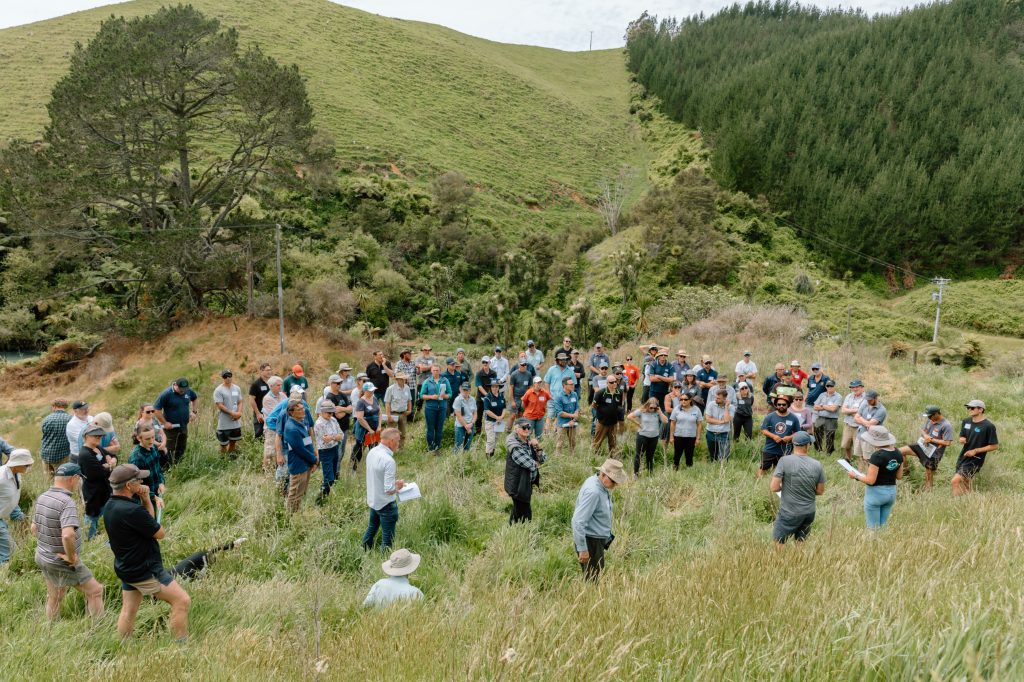
This funding is to be distributed across 17 regional collectives representing 51 groups, with $13.5 million for 2026-27. Former Catchment Communities Aotearoa Chair, Ben Ensor, said that falls short of the NZ$12 million a year the CCA had asked for, which affects baseline catchment research and measurement. Many groups’ existing funding ran out in June 2026 and allocation has been case by case rather than by formula.
CCA’s new Chair Brent Paterson says the priority now is to make sure that base holds. This year’s total includes an additional $4.5 million from MCERT, and that contribution isn’t yet assured beyond 2026-27.
Simon questions how it will be divided and whether it must also stretch to the Ministry for Primary Industries on-farm support and regional councils.
Simon wants more than a one-off boost. He says groups need long-term, predictable funding and legislation that formally recognises them to enable integrated catchment planning and collective action.
The cost of late funding
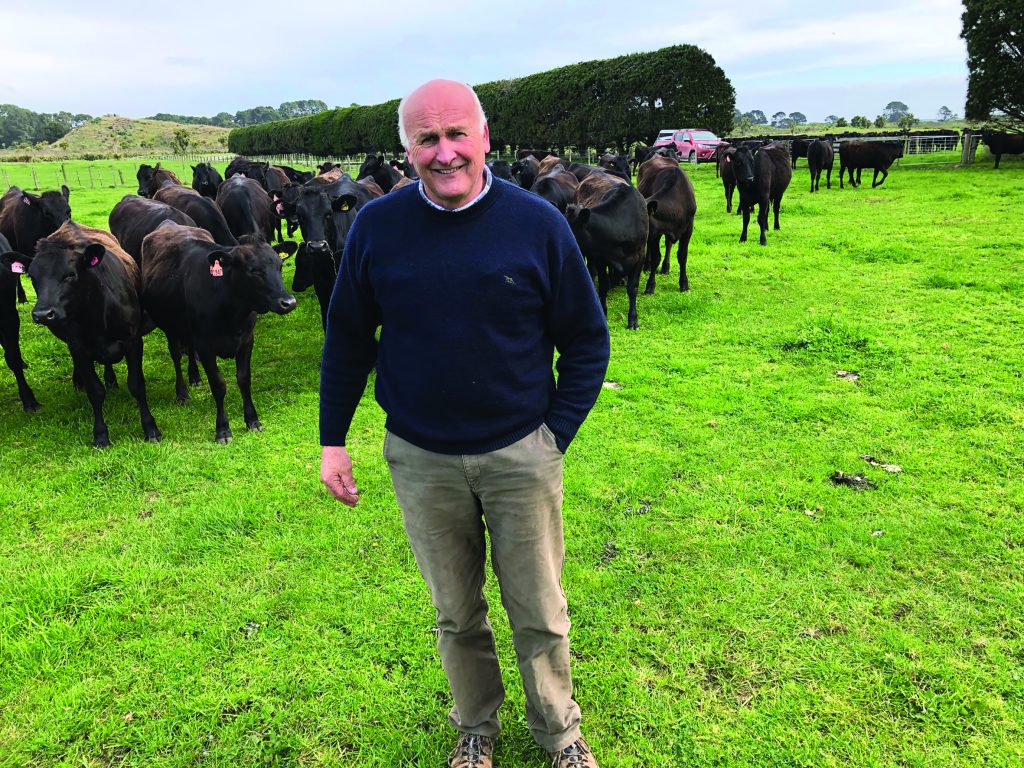
The sector’s own leaders describe a similar picture. Roger Dalrymple, a CCA board member from the Rangitīkei Rivers Catchment Group, says funding clarity arrived very late for many groups this year, and the sector was in the real position of losing good people because of it.
“Our co-ordinators need certainty they are going to be paid like anyone else in the work force. Going from year to year is not acceptable and we need to do better. The relationship and trust with farmers takes time to build so multi-year commitments would let groups support their people and plan properly.”
A group that spends its time chasing the next contract has less time for the planting, monitoring and farmer engagement.
In Hawke’s Bay, where more than 40 groups operate, the strain shows in the people. Wairoa regional councillor Di Roadley, who is also a member of the Hawke’s Bay Catchment Group Alliance, told BayBuzz on 24 June 2026 that the funding model is unworkable, with volunteers worn out chasing 28-day contracts saying that the government is “leaving rural catchment groups on life support”, and called the amount in the 2026 Budget “pittance”.
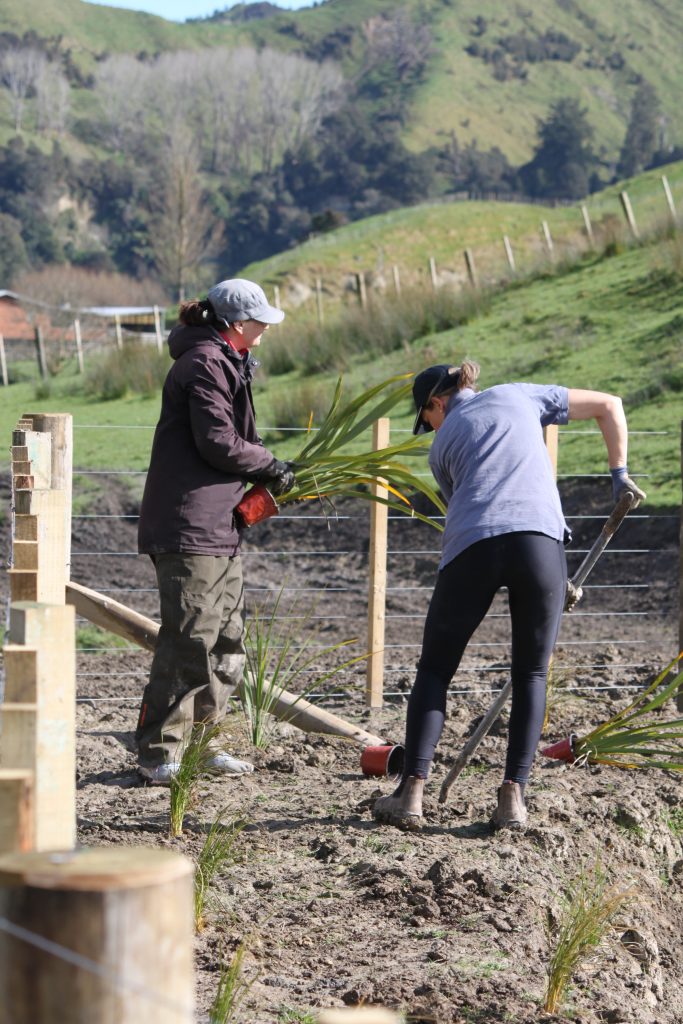
Rick Burke of Project Parore in the Western Bay of Plenty says “late funding has given the likes of Project Parore some certainty about staying in business, but it’s been too slow, the government needs to do better and work with CCA to take more of a bottom-up approach to support the needs of Catchment Groups.”
“Multi-year funding gives would give more certainty to keep key administration staff employed; this is essential to ensure we stay in the BLACK!”
Wai Kōkopu’s Jobs for Nature funding ended in June 2023 with no confirmed ongoing support and Wai Kōkopu chair Deryck Shaw stressed ongoing funding was limited and that groups need a more diverse funding base than one or two funders.
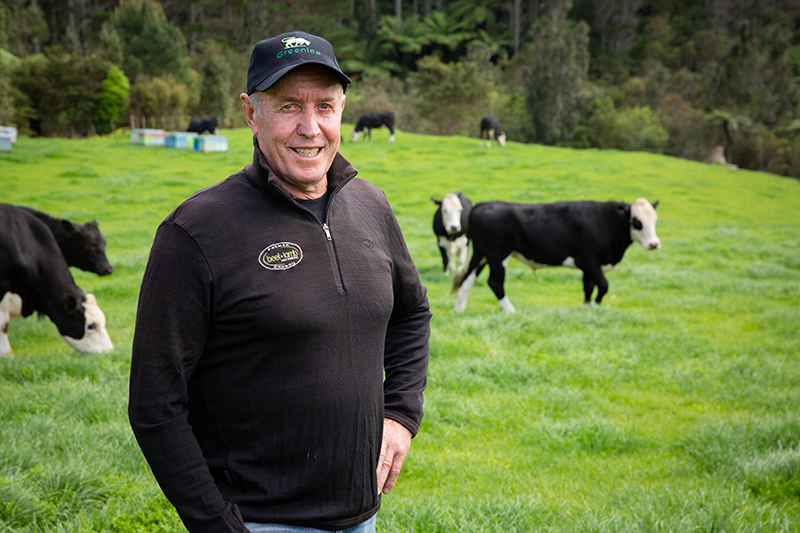
Pomahaka Water Care Group’s Lloyd McCall has been saying for years that contestable funding divides groups into haves and have-nots. He wants steady, ongoing funding open to all.
A 2022 Our Land and Water report on catchment group funding conditions said that many “fishhooks” and short-term support of government funding were pulling groups away from their own priorities.
Who carries the cost
The options Simon canvassed are not simple. He says targeted rates, set on every landowner in a catchment to fund agreed action plans, would address free riding. Reform of the Emissions Trading Scheme could create a revenue stream linked to catchment planning. Water or pollutant levies, explored in his earlier report Going with the Grain, face opposition from Federated Farmers. But he remains sceptical that biodiversity credits can fund restoration at scale, although he sees some promise in carbon markets for new native forests.
Do enough landowners support catchment groups?
Money is only part of the picture. A 2025 Manaaki Whenua survey found 40% of landowners, aware of a catchment group in their area, were active members. Participation ranged from 16% in Auckland and 22% in Northland to 51% in Canterbury and 52% in Otago.
Survey respondents said about 70% of landowners need to be involved for a group to be effective. No region is there yet. Former members stayed an average of 2.8 years while current members have been involved for 5.9 years. Membership and money are tied together. A group that cannot keep its people will struggle to make the case for rates, levies or long-term funding.
In some overallocated catchments, Simon says farmers have disengaged because improvements do not seem feasible. His answer is not weaker rules but practical ones, with decisions on how goals are met left to landowners, communities and mana whenua. That leaves groups facing questions that no grant can answer on its own.
“What do you do about free riders who benefit from collective effort without contributing?” Simon asked the forum. He also put the harder question of fairness: whether the cost of restoration should be shared across all taxpayers. “If taxpayers won’t pay, who will?”
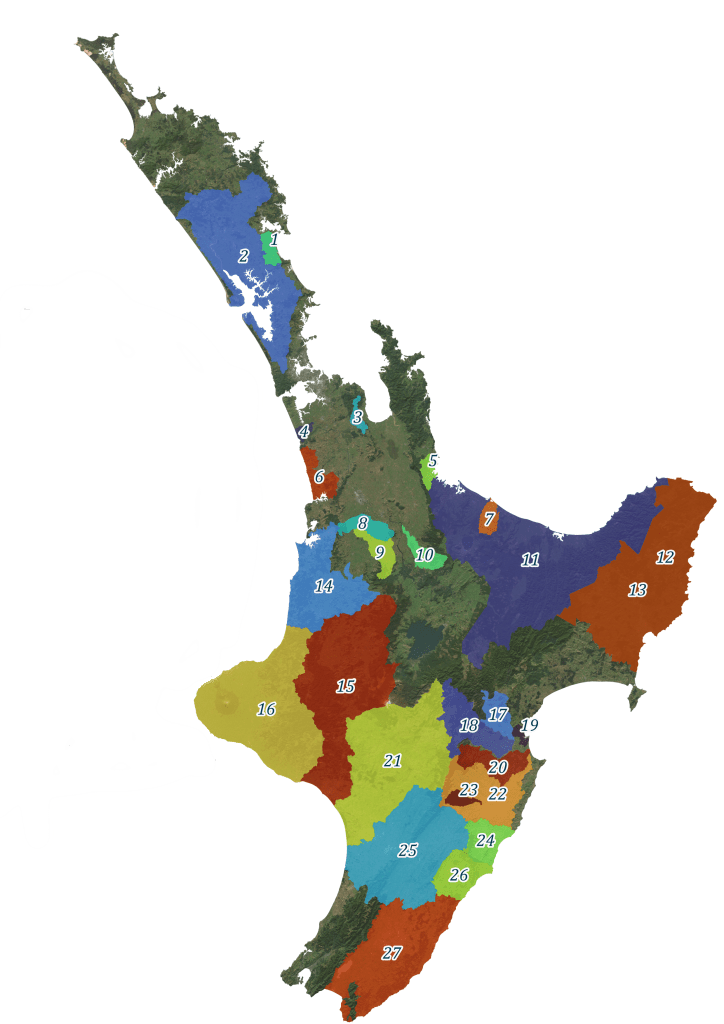
CCA North Island Catchment Groups & Collectives
1 Piroa Conservation Trust
2 Kaipara Moana Remediation
3 Mangatangi Maramarua Catchment
4 Awaroa ki Karioitahi Landcare Catchment Group
5 Project Parore
6 West Waikato Coastal Community
7 Wai Kōkopu
8 Maungatautari to Pirongia Ecological Corridor Inc
9 Pūniu River Care
10 Pokaiwhenua Catchment Group
11 Bay Conservation Alliance
12 Tairāwhiti Whenua Charitable Trust
13 Leading from the Land Tairāwhiti
14 King Country River Care
15 Whanganui Region Catchment Collective
16 Taranaki Catchment Communities
17 Kaweka Community Catchment Collective
18 Between the Two Rivers Community Collective
19 Ahuriri Tributaries Catchment
20 Rangitīkei Rivers Catchment Communities
21 Tukituki Land Care
22 Pōrangahau Catchment Group
23 Manawatū River Catchments Collective
24 Puketoi to the Pacific Catchment Collective
25 Wairarapa Catchment Collective
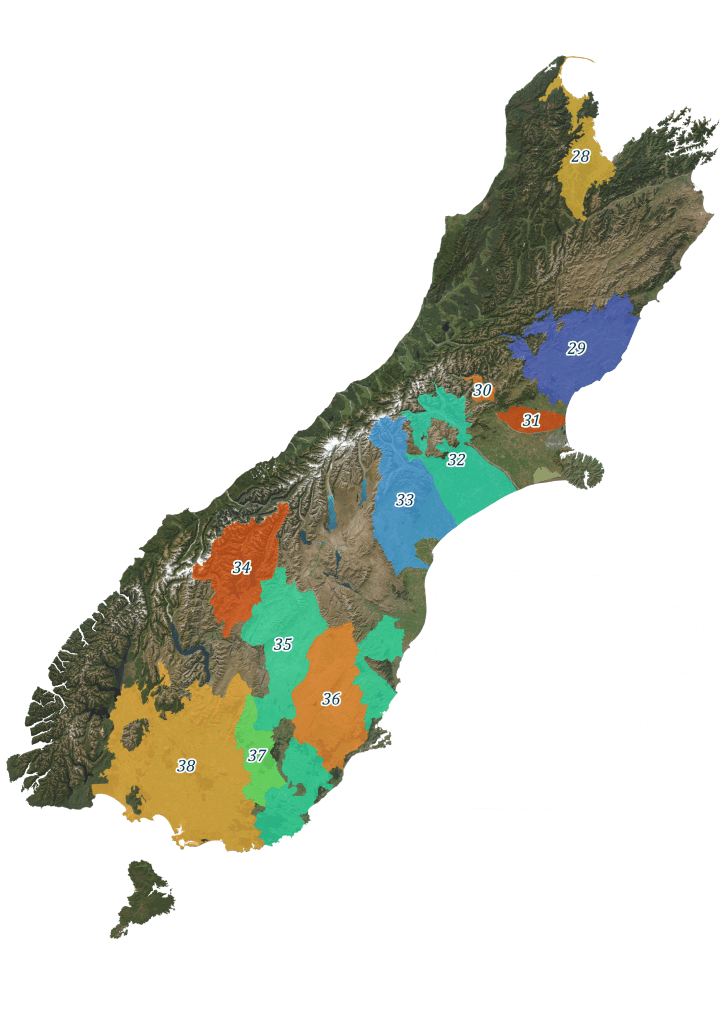
CCA South Island Catchment Groups & Collectives
26 Te Tauihu Environment Trust
27 Hurunui District Landcare Group
28 Upper Waimakariri Pastoral Catchment Group
29 Waimakariri Landcare Trust
30 Mid Canterbury Catchment Collective
31 Living Landscapes South Canterbury
32 WAI Wānaka
33 Otago Catchment Community
34 Upper Taieri Wai
35 Pomahaka Water Care Group
36 Thriving Southland
Also in the Catchment Groups special report: All seven major parties back catchment groups, but differ on how to fund them · Catchment groups on the way forward: Hurunui, Southland and Wānaka · Bayleys Country becomes a Champion Partner of Catchment Communities Aotearoa
First published in CountryWide, Summer 2026-27, pages 56 to 59.