Catchment groups on the way forward: Hurunui, Southland and Wānaka
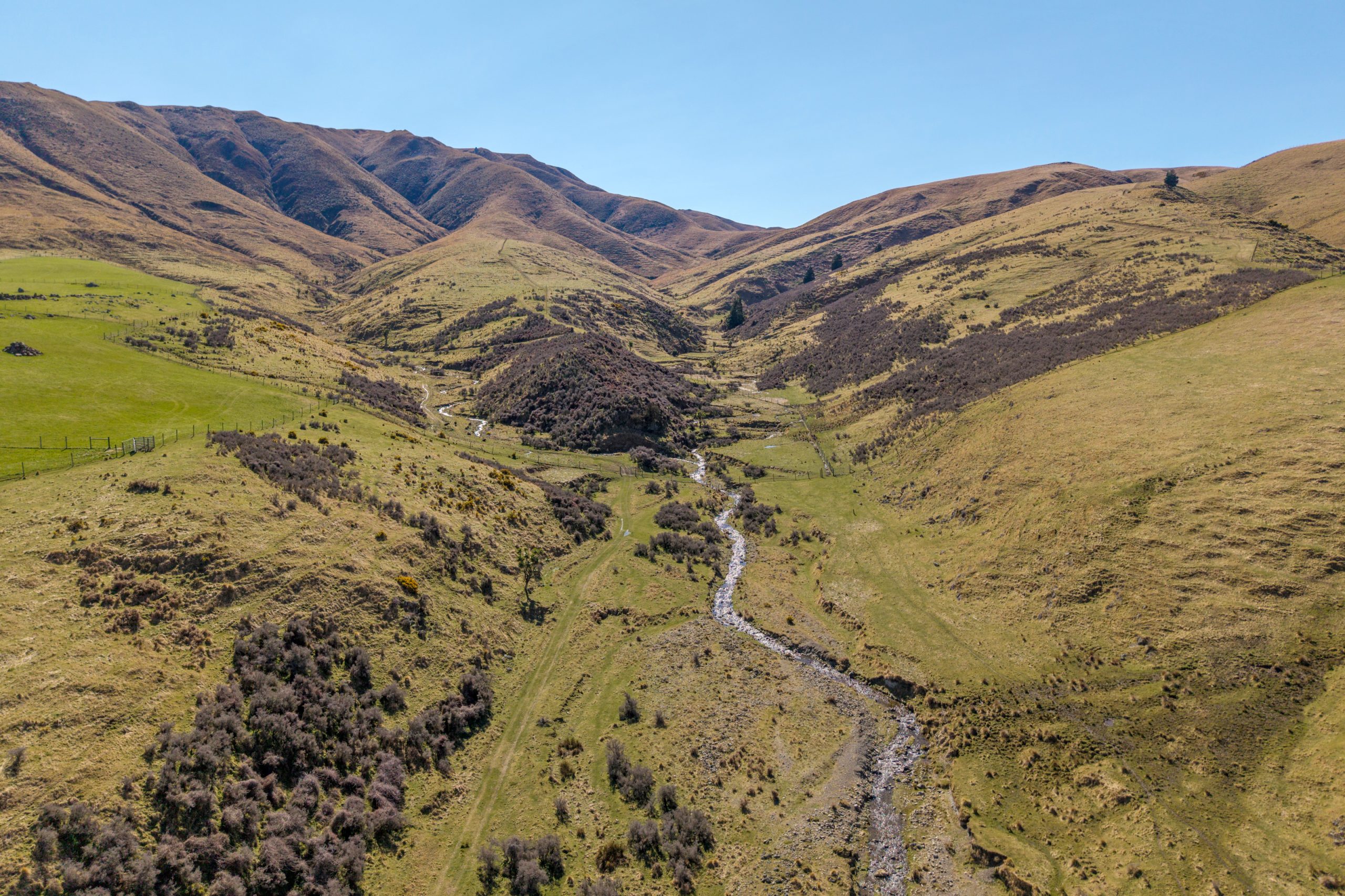
With more than 300 members, the Hurunui District Landcare Group is a farmer-led and driven organisation supporting its members as they strive to protect and enhance their natural resources.
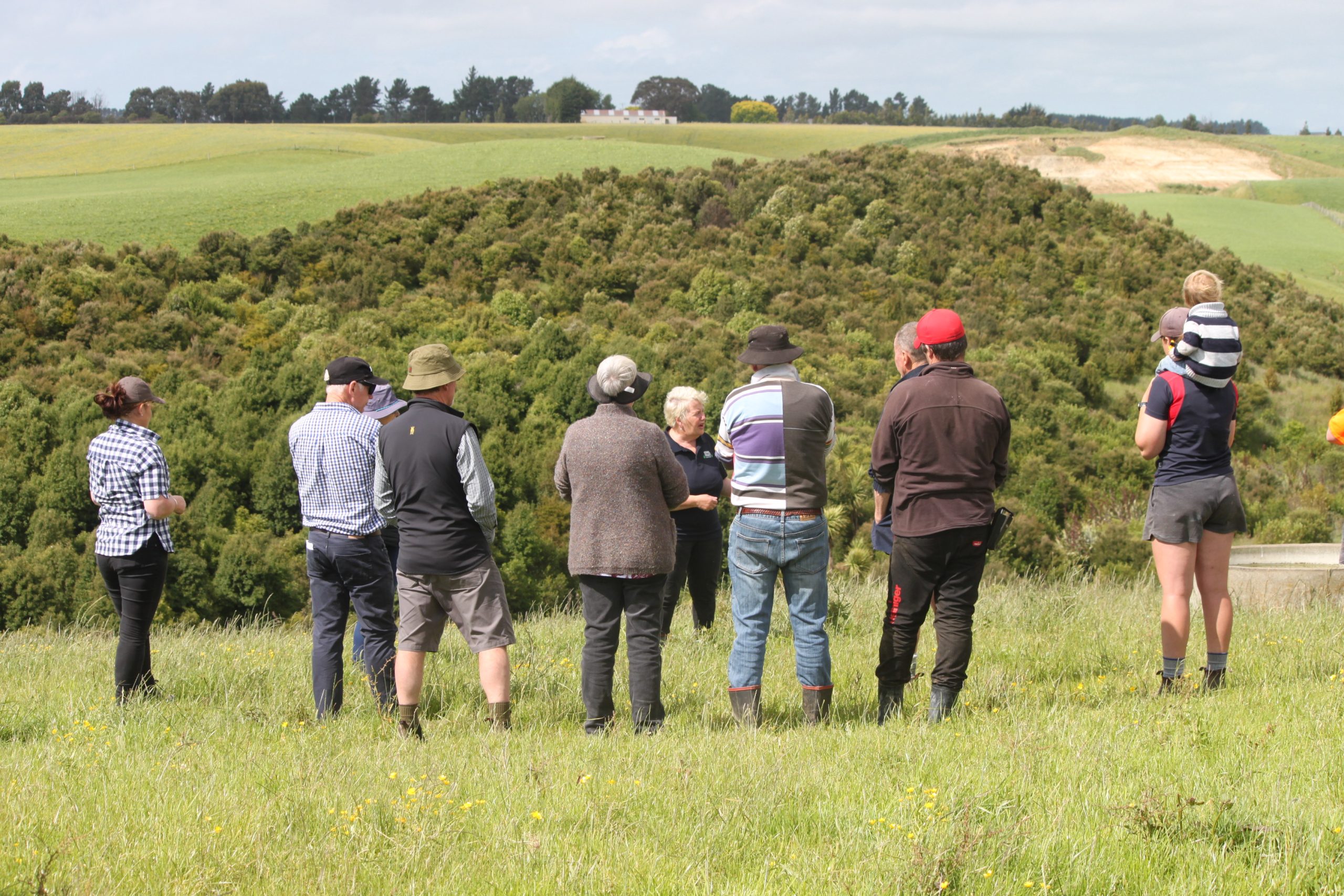
Hurunui District Landcare Group took on a sucessful one-on-one farmer support approach which has had to be disbanded due to funding cuts.
This article is part of CountryWide’s Catchment Groups special report, Summer 2026-27.
Hurunui District Landcare Group
With more than 300 members, the Hurunui District Landcare Group is a farmer-led and driven organisation supporting its members as they strive to protect and enhance their natural resources.
While it began as an advocacy group for dryland farmers in a challenging regulatory environment, it later morphed into a landcare group which, as former chair Ben Ensor says, achieved more in environmental protection and enhancement than any regulations ever could.
Between 2020–23, with the help of the Ministry for Primary Industries funded Future Hurunui programme, HDLG was able to employ three Catchment Farm Advisors who helped members complete more than 300 Farm Environment Plans, 52 Intensive Winter Grazing Plans and more than 150 farm businesses were given tailored advice on specialist topics such as ETS, protecting wetlands and native planting.
A series of 11 climate stations were installed throughout the district to create a climate network and a Catchment Planting Project saw 80.5ha planted on 48 farms. This was more than 100,900 plants.
Today, due to funding cuts, HDLG can only employ one Catchment Farm Advisor and co-ordinator Josh Brown.
Josh says HDLG members have always paid a membership fee and this has gradually increased to $350/farm as funding has decreased.
“Recognising this change in funding, the HDLG committee changed the group’s scope of services from working one-on-one with farmers to working solely at a sub catchment level.”
Josh says they have been fortunate in that the initial Future Hurunui funding did allow them to build relationships with farmers which has made the transition to working at sub catchment levels so much easier – while making more efficient use of limited funds.
Josh says the roll out of the new Freshwater Farm Plans (FWFP) is going to be a challenge, as they have found that while document-based workshops will help farmers make a start on their Freshwater Farm Plans, very few farmers will actually go on to complete these documents in their own time.
“We can say hand-on-heart that we had 300 completed Freshwater Farm Plans when our Catchment Farm Advisors were working one-on-one with farmers and out of that, we have good quality information and data.”
He believes that unless the funding is there to support farmers as they tackle the latest version of the FWFP, then there is a risk that the desired outcomes will not be achieved.
Much of HDLG’s work is focused on pest control and biodiversity and Josh says there are huge opportunities for HDLG members in these areas.
HDLG has recently received additional funding as part of a pilot programme tackling the problem of feral deer on farms which has been gratefully received.
“There are some big challenges there.”
Thriving Southland
Thriving Southland is a farmer-led organisation which supports the 37 catchment groups operating across Southland.
Project lead Richard Kyte says Thriving Southland has always been part-funded through MPI’s Sustainable Land Use Fund, which provides them with enough funds to employ a team of staff including Catchment Co-ordinators and cover their operating costs. Typically, this core funding is the most difficult to find, with external funders and sponsors preferring to fund the work on the ground. Thriving Southland supplements this funding by applying for other financial support, often project specific.
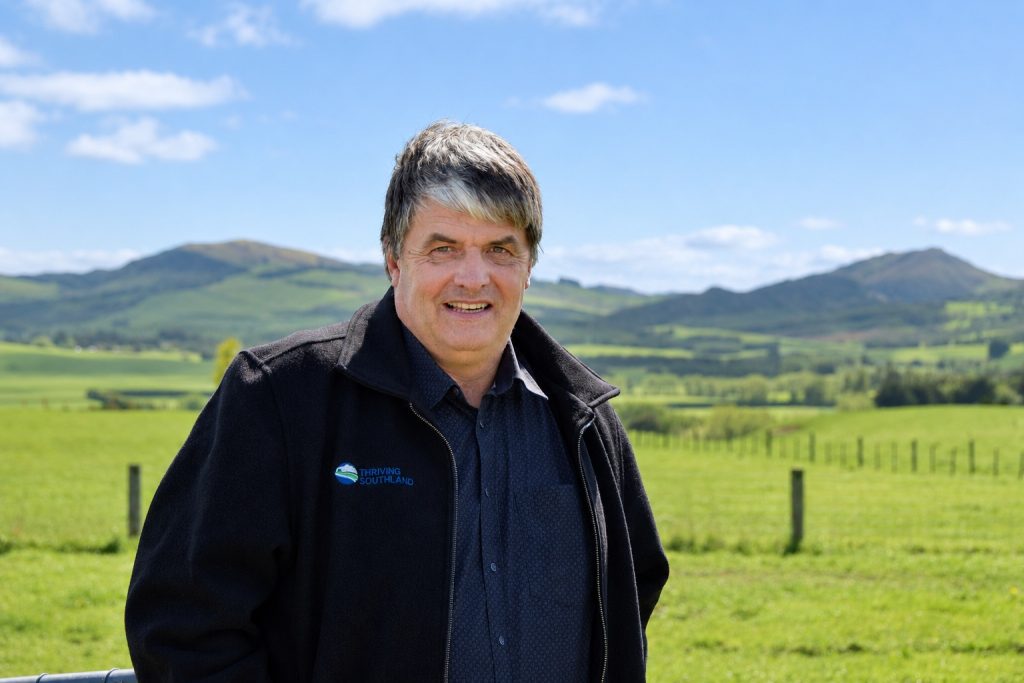
Richard says Thriving Southland was established during the Covid pandemic and funding during this time helped the organisation get off the ground and get their systems and processes in place.
It also helped them deliver catchment specific science and get projects underway before moving towards finding funding for action on the ground.
He says individual catchment groups understand their own key challenges and their projects are aligned with these. Thriving Southland operates an independent project panel and catchment groups will put their funding bids to this panel who will then decide on the funding allocation.
Richard says projects very rarely get turned down, but the panel is there to provide feedback as much as anything else and to ensure groups get the best value out of their investment.
With 37 catchment groups, not all groups are going to be asking for funding at the same time and Catchment Coordinators will help catchment groups find funding from other sources, such as Environment Southland, who will help fund projects such as wetland development.
Richard says it is much a ground up approach with farmers and their communities’ driving projects.
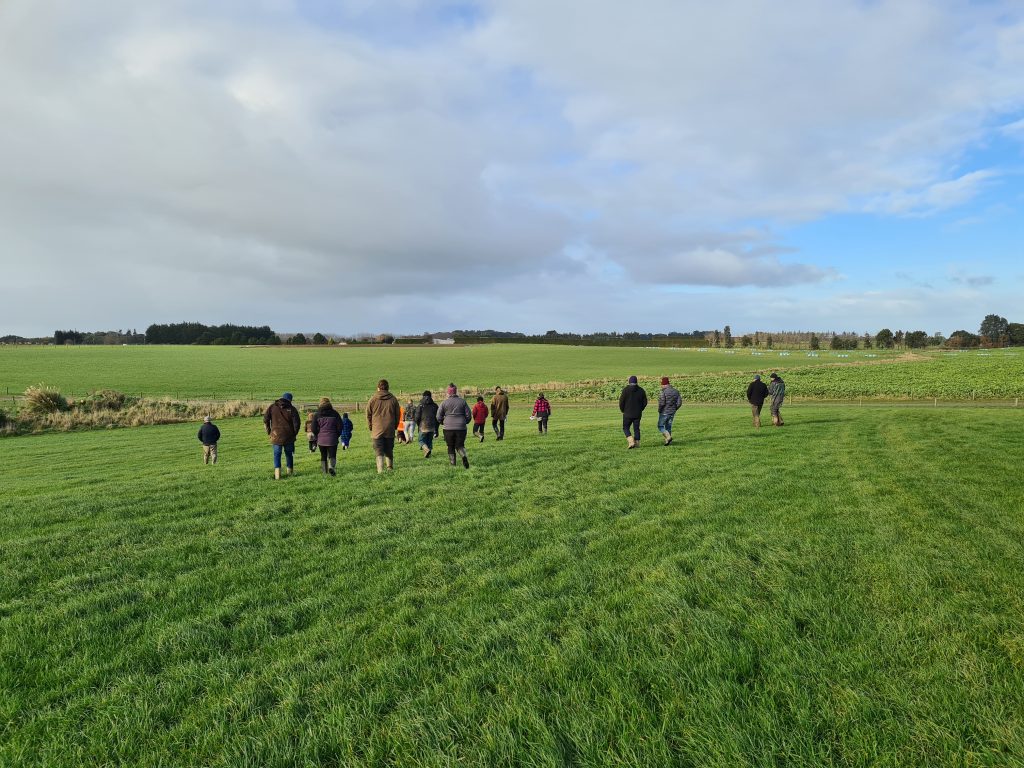
“It does work well, we’re not in there telling them what we think they should be doing, they are leading it themselves. They will say what wetlands they want to invest in because they have the catchment specific science to know they are in the right place to ensure that development is going to work.”
Wetland developments are often leveraged by farmers who will provide up to 60% of the funding themselves.
Another significant benefit of Thriving Southland’s funding model is flexibility.
Richard says communities don’t always work at the same pace as funding and Thriving Southland’s funding gives them the flexibility to extend a project for longer, if need be, to get the best outcomes.
WAI Wānaka
WAI Wānaka is a community-led organisation that works with both urban and rural communities – including local catchment groups – across the Upper Clutha region.
As the name suggests, the organisation is focused on protecting freshwater, but their work extends across research, education and community programmes that support the health of the wider ecosystem. WAI Wānaka works alongside landowners, iwi, schools, councils, researchers, community organisations, businesses, volunteers and residents to create opportunities for people to learn, contribute and take action.
WAI Wānaka was formed after a diverse group of interested stakeholders got together in 2016 to develop an Upper Clutha Integrated Community Catchment Plan. This plan identified 60 actions to improve environmental outcomes across the region. While many of those actions sat with different organisations and agencies, WAI Wānaka was established to support and coordinate the overall vision and collective effort.
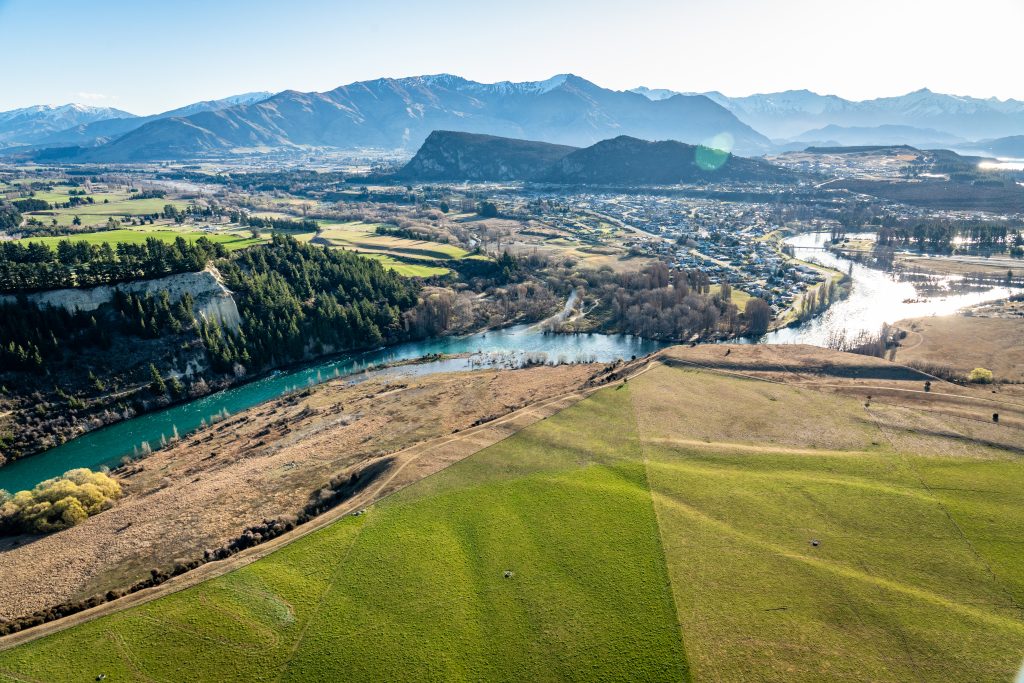
In 2020, with funding from the Red Meat Profit Partnership, WAI Wānaka established Action Groups to support the formation of four of the five rural catchment groups now operating in the Upper Clutha.
WAI Wānaka Project Manager Prue Kane says one of the organisation’s and catchment groups greatest strengths is the networks they have built across the community, research sector, industry, local and central government and funding bodies. These connections help catchment groups access information, expertise and funding opportunities while staying informed about changing regulations and emerging environmental challenges.
The Ministry for Primary Industries has supported WAI Wānaka over the past six years, initially through the Jobs for Nature fund.
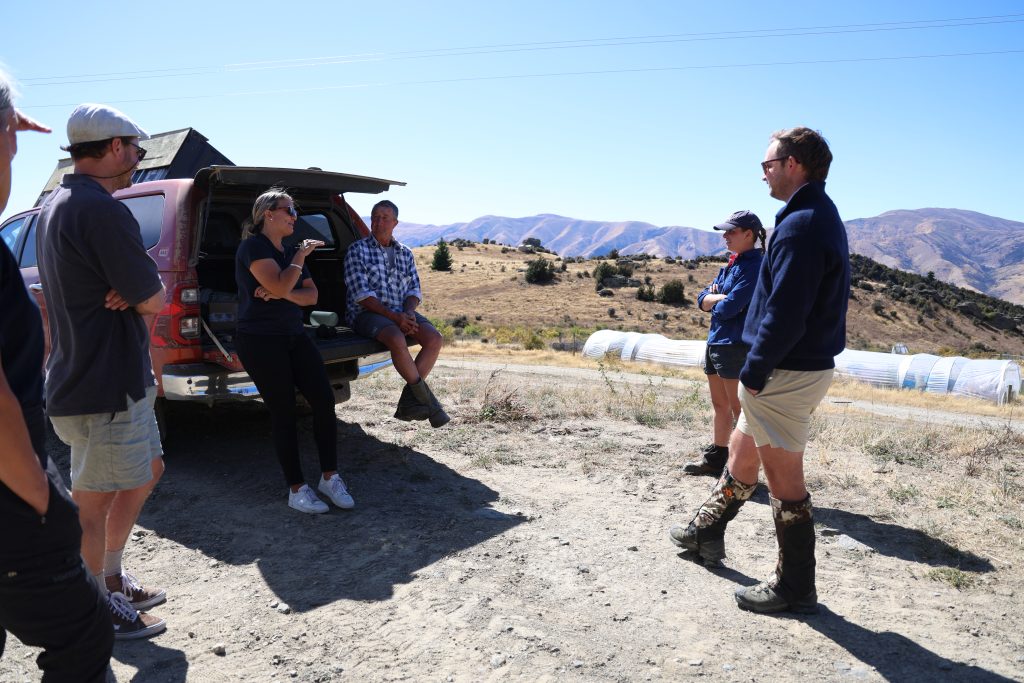
That fund enabled work with both catchment groups as well as individual landowners with planting, weed and pest control, and an environmental monitoring programme that tracks changes over time. Water quality monitoring has been carried out across the basin for more than five years and this identifies short term issues and long-term changes.
While one-on-one work with individual landowners remains important, Prue says catchment groups provide a powerful model for collective action. By bringing together landowners, community members, scientists and agencies, they enable environmental challenges to be addressed at the scale that landscapes and waterways actually function.
Current MPI funding prioritises the organisation and facilitation of catchment groups. WAI Wānaka continues to support catchment through facilitation, project development and funding assistance. Current initiatives range from catchment-wide pest management programmes to emergency response planning and ecological restoration projects. Last year, WAI Wānaka supported the development of a farmer-led Upper Clutha Rural Strategy. The strategy looks beyond individual catchment group boundaries to identify opportunities for collective action across the Upper Clutha basin/region, with a focus on environmental outcomes, regulatory challenges, compliance and maintaining profitable, resilient farming businesses. Looking ahead, Prue says long-term funding certainty will be critical. Short term funding creates a large administration burden on groups as they work to secure ongoing funding. Meaningful environmental outcomes take time and sustained investment allows catchment groups to focus on delivering practical results rather than continually seeking new funding. She says catchment groups are skilled at turning modest operational support into a large amount of work on-the-ground through leveraging funds, connecting resources and bringing in experts.
Also in the Catchment Groups special report: Catchment groups need funding that outlasts the grant round · All seven major parties back catchment groups, but differ on how to fund them · Bayleys Country becomes a Champion Partner of Catchment Communities Aotearoa
First published in CountryWide, Summer 2026-27, pages 64 to 67.