Better together building a successful equity partnership
With the right people and the right business structures, equity partnerships can be a win–win for all parties. They can allow retiring farmers to remain on their farm and in their community while offering a young family the opportunity to realise their farming goals. They can also allow established farmers to partner with investors to grow a land-based business. Sandra Taylor talks to three Mid-Canterbury farmers who are part of two successful, but very different equity partnerships.

Inverary Station: John and Anne Chapman and Bert and Kate Oliver 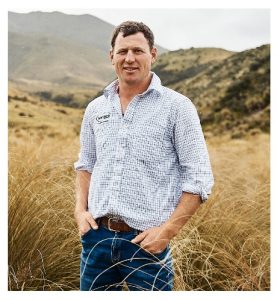
Inverary Station has been home to the Chapman family for close to 100 years, so when John Chapman’s children chose non-farming careers, John and his wife Anne had to consider their options.
John says it would have broken his heart to sell the 4250ha high-country station near Mt Somers and, while his family didn’t want to actively farm the property, neither did they want it sold.
The solution arrived 17 years ago when the couple employed Bert Oliver as a stock manager. John says it was apparent very quickly that Bert was an outstanding operator, and he proved his worth as both a stock manager and manager of the 15,000-stock unit farm.
John says they started tossing the idea of an equity partnership around for several years before they began formalising an arrangement that would meet the needs of John and Anne and Bert and his wife Kate.
John and Anne were clear that they wanted to stay on the farm and continue their involvement with both the farm and their community. They also wanted continuity of management and had a desire to continue to increase farm productivity and profitability through ongoing development, new technologies and best-practice management.
While the Chapmans wanted to help Bert and Kate realise their goals and aspirations, it was not an easy process getting the equity partnership over the line.
“We really had to work to get it there,” says John. “It was a protracted process as there were not many other sheep and beef equity partnerships for us to model ours on. We spent a lot of time and effort on getting it right and we had some really good people helping us set it up.”
The objective was to create a clear 50–50 partnership and the Chapmans were able to help the Olivers complete the agreement by guaranteeing loans and leaving in some vendor finance.
One of the biggest challenges for both parties was the lack of profitability in sheep and beef farming.
“It meant we didn’t need to sell the farm and it has allowed us to generate capital, which has helped us support our kids. They have never had any help before, and it’s been great to be able to do that.” – John Chapman, Inverary Station
While Inverary Station had long had a reputation as being a high-performing sheep and beef operation, John knew they needed to take it to another level to generate enough income to help both families meet their financial goals.
John and Bert worked with Chris Mulvaney from StockCare who carried out a SWOT analysis on Inverary and a complete overview of the business. This process helped them all gain an even better understanding of the farm, its strengths and weaknesses and where the opportunities lay for future development.
From this point, John says he could see a way forward.
It was agreed that the development programme would continue at Inverary, to be funded by the Chapmans. This would generate sufficient returns for a profitable and successful partnership.
Inverary Station has been part of Beef + Lamb New Zealand’s Hill Country Futures Programme and has led the way in demonstrating the development of legume-based satellite farms within
hill country.
There were also expectations about maintaining and enhancing Inverary’s natural resources and continuing to share the farm with the wider community, particularly for recreational use.
Making changes
Going into an equity partnership did mean significant changes, particularly for John, who had farmed Inverary as the owner-operator for most of his life.
“If somebody goes into an equity partnership and thinks nothing is going to change then they are in for a bit of a shock – you are no longer going to be the most important person on the block.’’
John says for him, the changes were gradual and occurred over time as Bert’s role changed.
While John continues to be part of the decision-making process, there have been changes to the way he has always operated and the people he has worked with such as reps, agents and staff.
“We always need to be aware of our partners, so things we have always taken for granted like the use of farm fuel and holiday jobs for family members need to be discussed and agreed upon. We constantly have to look at the bigger picture and the benefits an equity partnership has given us.
“It meant we didn’t need to sell the farm and it has allowed us to generate capital, which has helped us support our kids. They have never had any help before, and it’s been great to be able to do that.”
Bert and Kate Oliver
As a young farming couple, Bert and Kate Oliver knew that without family help, land ownership was likely to be a step too far. They were, however, comfortable with the idea of being involved in a farming business that allowed them to demonstrate a high degree of responsibility and custodianship and shared their values around family and community.
Having gained farming experience on farms in Central Otago, Bert applied for the role of stock manager on Inverary Station, which progressed to the manager’s position.
Inverary was a perfect fit for Bert. The farm had the right balance of intensive flat and easy country and extensive hill and most importantly, there was opportunity for further development, which both Bert and John were keen on.
Bert says the idea of forming an equity partnership came up around eight years into his employment on Inverary.
While the Chapmans were moving towards the end of their hands-on farming career, they did not want to sell the farm and wanted someone to continue to develop the property and protect their asset.
Entering into a partnership ticked a lot of boxes for both parties, but they had to forge their own path in drawing up an agreement that ensured everyone’s needs were met.
There were no templates for sheep and beef equity partnerships they could replicate and Kate, who comes from a banking background, knew from dairy industry experience that profitability was the key to successful equity partnerships.
This was always going to be a challenge in a sheep and beef operation, but there was a mutual desire to continue to develop Inverary to help drive productivity and profitability.
Bert says as they had to sell assets to enter the partnership, they needed to be very careful that financially, they were making the right decision for their family.
In drawing up the partnership, they considered various options and used mentors who offered suggestions on how the partnership could be structured. These mentors proved invaluable.
“You need to understand what everyone wants and needs and be clear about each other’s expectations,” says Bert.
How it works
The livestock, plant and farm-based shares, less debt and liabilities, make up the partnership capital. The Olivers purchased 50% of the partnership capital from the Chapmans and the Chapman family retained ownership of all freehold and leasehold land.
John and Anne receive rent based on a percentage of the government valuation and Bert manages the property on an appropriate salary. Kate is paid for administrative duties.
The partnership is responsible for all standard farm working expenses, while John and Anne pay all development costs, fixed asset additions and provide guarantees to the partnership for finance.
Any resulting profit, upon agreement, is dispersed evenly among the partners.
A board, made up of the two couples, an independent chairman and rural professionals as required, meets four to five times a year to review every aspect of the business.
John says not everything can be legislated for in the partnership and there can be grey areas, particularly around repairs and maintenance.
“You can’t cover every detail in the agreement, but it is the strength of the relationship that will determine whether it’s going to work or not.”
While dispute resolutions systems have been put in place, John says he would be disappointed if they ever have to use them.
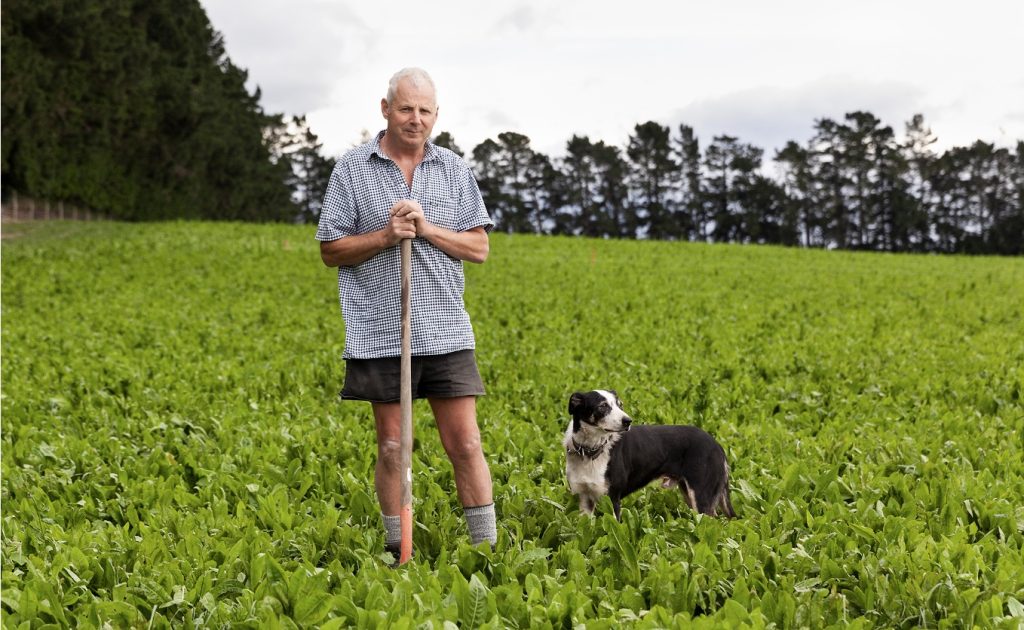
Braided Waters Farm: David and Millie Harper
After many years of looking for opportunities to build their business, when the right person came into their lives at the right time, everything fell into place for Rakaia Gorge farmers David and Millie Harper.
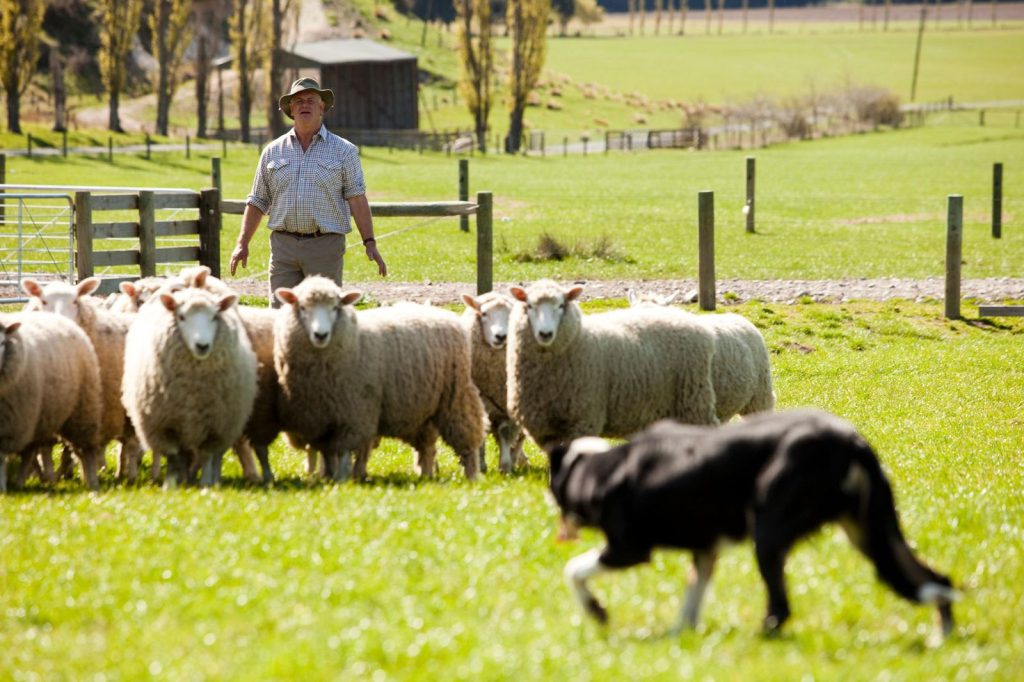
The couple, who now farm 720ha around Windwhistle and the Rakaia Gorge, had spent many years working in the high country and managing some high-profile properties, but became frustrated by putting a lot of effort into building other peoples’ businesses and not their own.
At one stage they did try putting an equity partnership together and while they got a long way through the process, they failed to get it across the line. In hindsight, says David, it was probably just as well.
Instead, they took a short break from farming, but remained in the Rakaia Gorge area working for (and at) the Terrace Downs resort.
They did take the opportunity to manage and later lease 140ha close to Terrace Downs, but as it wasn’t an economic unit, it did require them to continue earning off-farm income.
Marko Bogoievski came into their lives through a mutual friend who was helping the Wellington-based businessman and his wife Jen find suitable real estate around the Rakaia Gorge.
The couple bought 100ha and employed David and Millie to look after the land and project-manage the build of their home.
When the opportunity came up to purchase the 140ha the Harpers had been leasing, both couples knew there must be a way to leverage their combined skill set and join forces in a 50–50 partnership to grow a farming business. As well as buying land, the partnership leased around 600ha, which gave them the scale needed for a viable drystock farming business.
“We tend to focus on what is happening rather than what has happened. We look at where we’re going rather than where we’ve been.” – David Harper, Braided Waters Farm
David says it took the best part of a year to work through the nuts and bolts of the partnership, but the Harpers put their lease blocks, along with their stock and plant, into the partnership and Marko and Jen contributed their 100ha.
Acknowledging the skills and the reputation the Harpers brought to the partnership, which was particularly important when it came to securing leases, Marko and Jen did pay some goodwill for the new Braided Waters Farm business.
The equity partnership was built on a good friendship and all parties were willing to commit for five years. After five years the partnership was re-evaluated to ensure it was continuing to meet the needs of both parties.
Eight years on and it is going strong.
Leveraging skill sets
As a businessman, Marko brought his financial nous to the partnership, which has been very valuable.
“He brings a very different perspective to the farming business,” says David. “We think about it differently from how we would a family farm with a huge amount of capital tied up in it.”
Dairy grazing plays an important part in their business because it generates cashflow around the core enterprises of finishing lambs on chicory for Headwaters, finishing trading cattle and deer and running some breeding ewes.
“This range of enterprises really spreads the risk,” explains David. “In what is a complementary system, we buy weaner deer in autumn, grow them out and finish them on chicory in spring and early summer. They are gone before the lambs arrive.”
David says while the scale of their business has made it commercially viable, being in a partnership has made them very disciplined around the financial side of the business.
“You’ve got to be brutally honest about it.”
Both parties have two meetings a year to discuss the actuals and the forecast for the coming season and have quarterly catchups to track progress.
“We tend to focus on what is happening rather than what has happened. We look at where we’re going rather than where we’ve been.”
Any borrowings from either party are strictly on commercial rates and transactions are carefully documented.
David says while he and Marko are a similar age, they have come from very different business backgrounds and have learnt a lot from each other.
Marko has made David aware of just how complex sheep, beef and farming is, something he had taken for granted during his career, while David has appreciated learning how to look at farming through a business lens.
Their motto is “we don’t do average” and they align themselves with people who they like doing business with. This extends to the team of people that support any farm business including agronomists, stock agents, vets and other rural professionals. “They need to add value to our business.”
Even with their dairy grazing, they like forming strong relationships with dairy farmers with similar values.
David’s advice to anyone considering going into an equity partnership is not to force it. He takes a philosophical view, believing if partnerships are meant to be, they will happen almost naturally. “If you try and push these things and they’re not meant to be, it just increases the risk.”
But he also points out that even short-lived equity partnerships don’t necessarily end in failure.
“Even after three or four years, you can still make gains and you will have learnt a lot along the way.”
While the Bogoievskis are primarily based in Wellington, they enjoy their visits to the farm and their involvement in the business.
“They wouldn’t have bought that land without us,” says David. “The land is looked after, and they are getting the capital gain and enjoying it without
the hassles.”
David and Millie take pride in the way they look after all the land and livestock under their care and have built their business on their reputation.
The partnership employs three staff, including a manager, who will be taking over more of the day-to-day management from David and Millie, allowing them to focus more on the overall business.
John’s advice to anyone considering setting up an equity partnership
- Ensure family has been consulted and understand what is being agreed to.
- Find the very best people to help put it together.
- Stress-test the draft agreements with all possibilities – deaths, marriage break-ups, business performance.
- Define which part of the decision-making process you expect to be involved with.
- Have a binding fall-out clause with carefully chosen personnel for difficult disputes resolution.
- Define the circumstances and provide the pathway for exits before starting.
Bert and Kate’s advice
- There is benefit in taking the time to build a relationship with your potential equity partners.
- Your reputation goes before you. Build a reputation so you are sought after when opportunities arise.
- Be proactive and put yourself forward – there are great opportunities out there.
- Be clear right from the outset about what you want to achieve.
- When setting up the partnership, involve a neutral third party. Carefully choose someone who is without bias and wants the best outcomes for both parties.
- An equity partnership can often be easier than succession as everyone is involved for the right reason. No one is there out of a sense of obligation.
David’s advice for setting up an equity partnership
- Don’t force it – you need to have the right person with the right opportunity at the right time.
- For equity partnerships to work, the business needs to be viable.
- Focus on where you are going rather than where you have been.
- Even short-lived equity partnerships can still generate benefits.