The role of a parasite management plan
If you discover drench resistance on your farm, a parasite management plan, specific to your farm, can be an important piece of the puzzle to ensure you have the tools and strategies to help tackle the problem with confidence. Words Sara Sutherland.
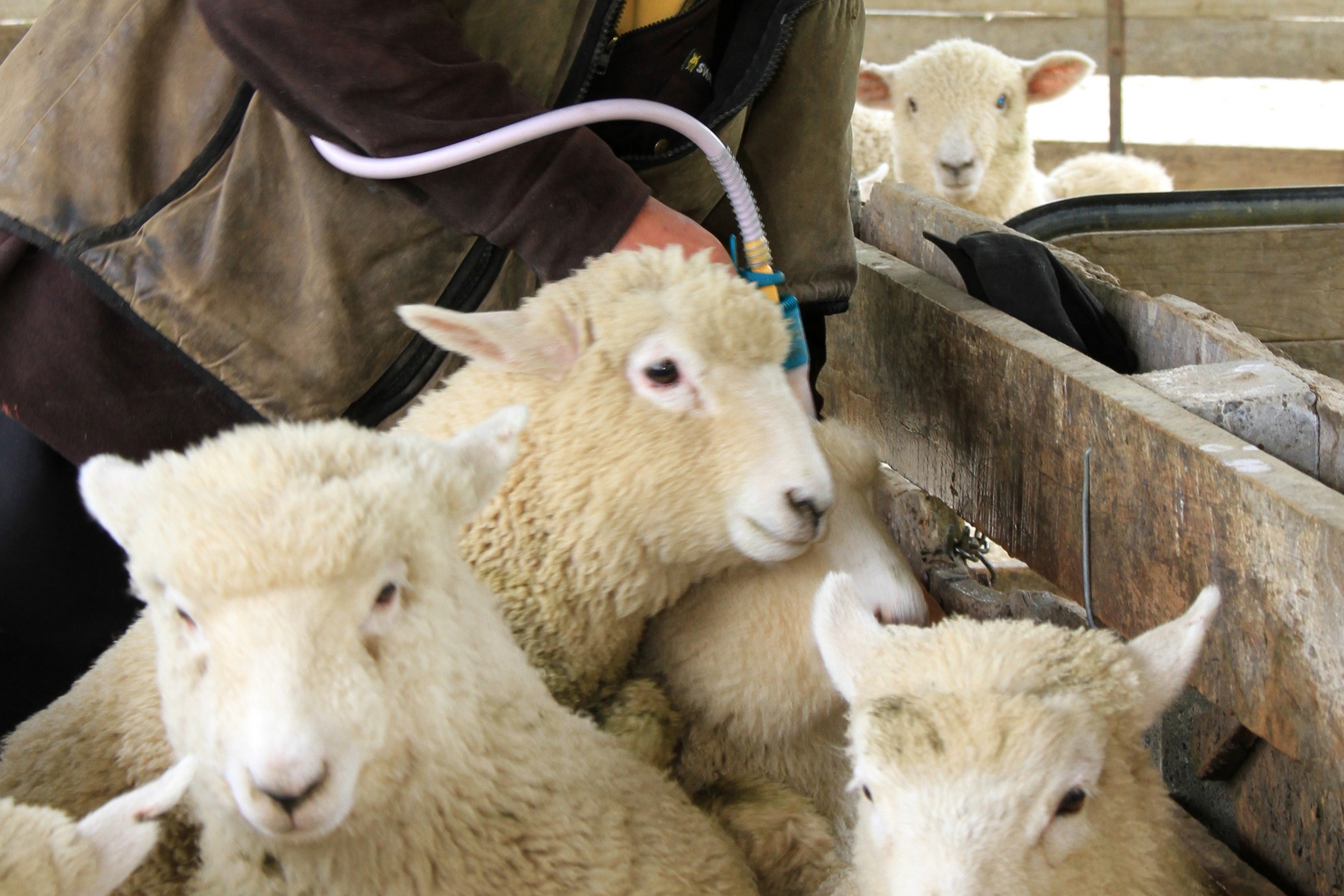
There are three ways people generally discover they have drench resistance. They might have done a FECRT because they do one every three years and haven’t had a problem before. These people are surprised by the result, but usually discover it before they see obvious signs of drench failure.
Some might do a drench check every autumn and not be expecting to see eggs coming back after drenching. Farmers in these two groups probably have reduced production due to the drench resistance, but they might think the lower growth rates are due to feed, or weather, or something else.
The third category are people who see low growth rates and scouring daggy lambs after drenching and get me to investigate. These people find out after they have suffered a significant economic loss, and often a severe emotional impact.
I see all three of these situations every year.
With drench resistance becoming increasingly common, costs of inputs rising, and no new drench families on the horizon, it is more important than ever to control worms effectively and sustainably on your farm.
Parasite management is complex, and parasite management is changing. Worms are evolving in response to our changing farming systems. Twenty years ago was a different era. Even if you don’t have drench resistance, you need to make sure you are managing worms so they aren’t going to become a problem. As one farmer put it, we need to find the right balance between sustainability and profitability.
Your vet can help you look at the whole picture and make sure that the way you are managing worms on your farm is optimising lamb performance, while minimising the development of resistance. Different vets probably have different approaches, this is mine.
“There is a lot more to managing worms than deciding what to drench with, and when. One thing I enjoy about parasitology is that worms are their own little animals, with their own private lives, aspirations, and preferences.” – Sara Sutherland
When someone comes to me because they have discovered drench resistance, I always urge them to book a time to sit down and talk it through, rather than trying to make a plan over the phone while they have sheep in the yards and are yelling at their dog in the background. I recommend they bring their shepherds or farming partners so that they can ask questions too. I want them to leave our conversation with a good understanding of how management affects worms on their farm.
There is a lot more to managing worms than deciding what to drench with, and when. One thing I enjoy about parasitology is that worms are their own little animals, with their own private lives, aspirations, and preferences. Parasite management includes all the things you do onfarm that impact the worm population on the pasture and in the animals.
In a parasite management plan, we talk about grazing management, length of rotations, and use of refugia. We talk about how to reduce the number of worm larvae on pasture, and how to manage your pasture so that lambs are eating fewer larvae. We might talk about which worm species are a problem at different times of the year.
We might talk about crops, if this is something you use on your farm. If you are trading lambs we will talk about your quarantine process. We might talk about stock policies and the timing of lamb trading. Drenching isn’t the main focus, but we will talk about which drench you use, and the timing of drenching.
We will also talk about monitoring and how this affects your drench decisions. The plan might include body condition score targets and how to manage ewes that aren’t achieving those targets.
We might talk about some bigger picture farm systems changes. Things like your sheep to cattle ratio, or how to reduce the number of lambs on farm over the summer, or getting more lambs off farm early.
The best plan is flexible so it can respond to different environmental conditions, such as a drought year. It should still be suitable with different lamb prices and costs of inputs.
During this conversation, I am looking for clues as to why resistance has developed now, or what are the risk factors for it developing on your farm. You may have bought in resistance, for example by buying in trade lambs and using a triple combination drench as a quarantine drench.
Or resistance might have built up over the summer. One common risk factor is having lambs on the same area all summer with limited refugia. I am also thinking about things that you already do well on your farm and should continue doing, for example if you avoid drenching adult stock, or use cattle to clean up after lambs.
Then we will discuss what tools and strategies you can use on your farm to turn your situation around. The basic principles of worm control are the same on different farms, but the tools you chose to use will be different on your farm than your neighbour’s farm.
Having a plan written out means that you don’t have to remember everything we talked about! I love it when my farmers ask difficult questions, even when I don’t always have the answers. When I don’t know, there is a really good network of parasite experts that I can go to for advice.
I want the parasite management plan to be your plan, not my plan. Hopefully you will end up with enough information to give you confidence that the tools you are using are the most effective, and the most cost effective, on your farm.
- Sara Sutherland is a veterinarian in the Wairarapa. She will share some of the glitz and glamour of the daily life of a vet – sheep poo, dead lambs, maggoty hooves, sticking a hand up a cow’s backside, and lots of talking about worms.