The benefits of recording
Not only has Andrew Law’s participation in the Beef + Lamb New Zealand’s Informing New Zealand Beef Commercial Herd Programme confirmed that he is on the right track with his genetic selections, it has fired his enthusiasm for data collection. Words Sandra Taylor.
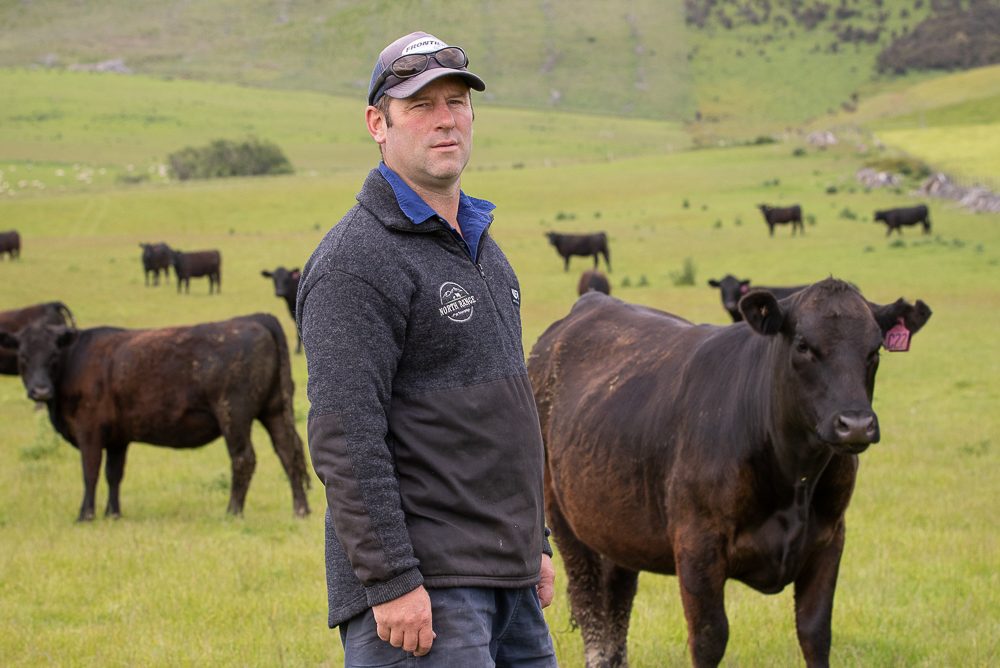
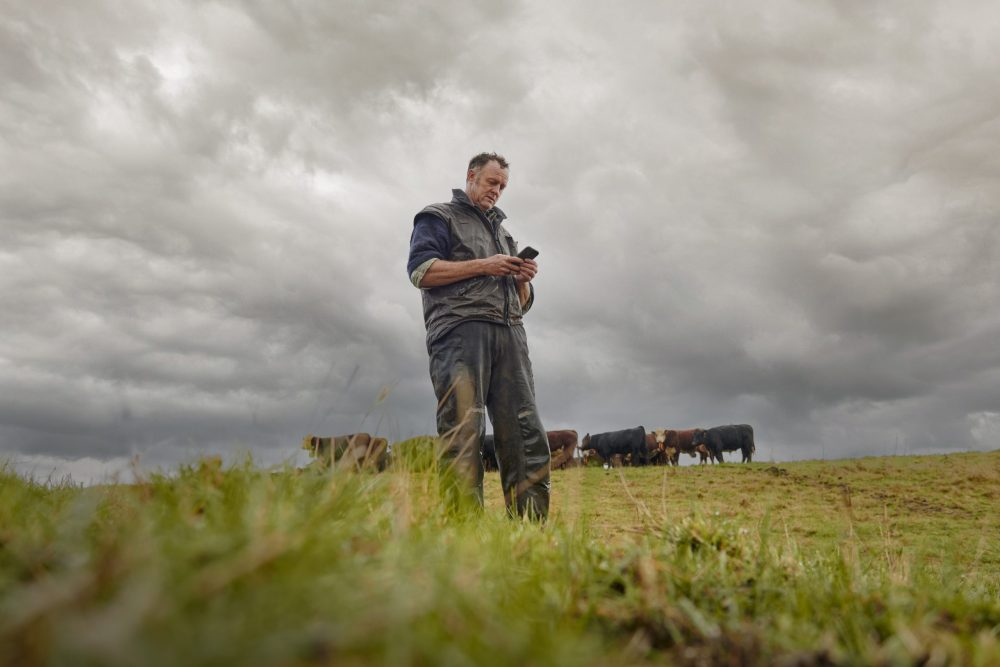
Three years after joining Beef + Lamb New Zealand’s Informing New Zealand Beef (INZB) commercial herd programme, Southland farmer, Andrew Law, could not be more enthusiastic about recording.
“The bulls that I thought were good, are good – it has reinforced that we are on the right track with our breeding programme,” says Andrew.
He is one of 45 commercial farmers tracking genetic progress through weighing, measuring and monitoring for over 10 years. Andrew says being part of INZB’s commercial herd programme has given him confidence in his genetic selections.
“Through recording and analysing I found that our best performing bull was producing calves that were 9 kg heavier at weaning than the lightest calves (adjusted to birth date).”
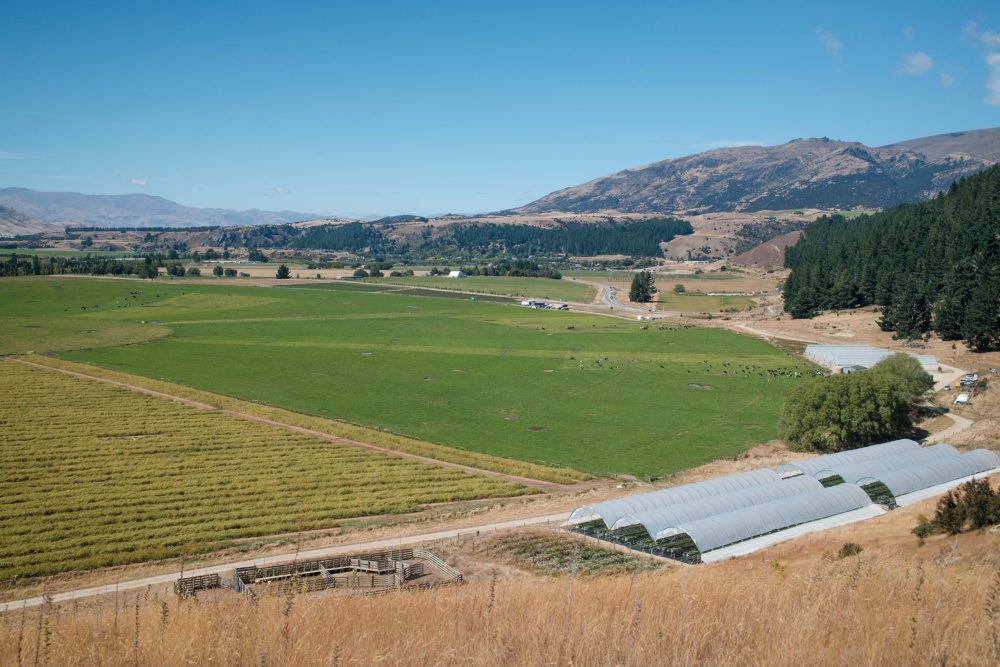
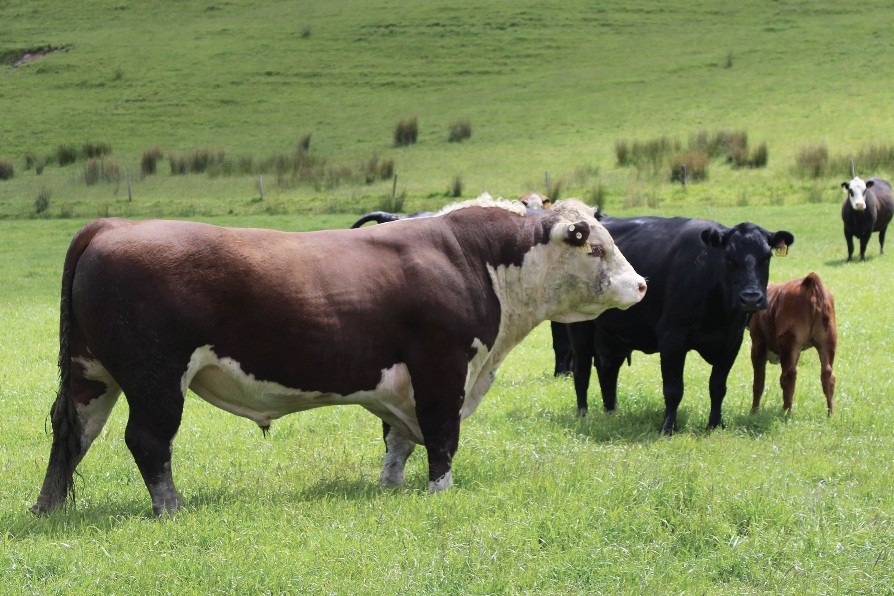
Andrew farms a 2,300 ha breeding and finishing property at Castlerock, near Lumsden, running 10,000 ewes and 550 Angus breeding cows. He has increased breeding cow numbers since joining the programme and is now running a satellite herd of his family’s stud cows. These are run with the commercial cows for most of the year.
He is excited about the information he has amassed through INZB’s commercial herd programme and is looking forward to putting all the pieces together as he strives to continually improve the productivity of his cow herd.
When Beef + Lamb New Zealand (B+LNZ) talked to Andrew in early December, he had just killed the first lot of steers born into the programme and the first crop of DNA tested heifers had just finished calving.
“The programme is just coming into its own and we are starting to get the reporting so it’s usable. Some good stuff is yet to come as we build up more information.”
It has given him the ability to rank his cows, so when they come in next weaning, he will be able to cull the poorer performing cows based on objective measurements.
“Once we adjust that to when they gave birth, then we get a true indication of which cows are performing, and this gives us better information upon which to base our replacement heifer selections.
“They are all on a level playing field.”
“We get a true indication of which cows are performing and this gives us better information upon which to base our replacement heifer selections.” – Andrew Law, Southland
While the cow’s primary role is to rear a good calf, she also needs to clean up pastures over autumn and hold her condition through winter.
Andrew says they were Body Condition Scoring their cows at weaning long before joining the commercial herd programme, but they are now also Body Condition Scoring at set-stocking at the end of winter. Any cows that lose more than the herd’s average condition score loss will be culled.
He says being part of INZB’s commercial herd programme has not added to their workload as they were already doing most of the measurements required – it has just been a matter of tweaking.
It has however, fired his enthusiasm for data collection and he is now recording measurements such as pelvic size in heifers, hip height, Body Condition Scores and assigning reproductive tract scores. He is also looking at whether there is a link between hair-shedding and the on-set of puberty in heifers.
As part of the programme, Andrew has been foetal aging all the cows at scanning and says it has been surprisingly helpful from a management point of view as the information has allowed him to be more strategic with feed management.
Another unexpected benefit of the programme has been the eagerness shown by young staff to get involved in the monitoring and measuring. He says he has 20-year-olds who are stepping up, learning a lot and showing real interest in the cattle industry.
Ultimately, the data collected through the commercial herds programme will be incorporated into breeding value prediction. They will provide increased linkages throughout the beef industry and contribute to genetic evaluations.
This will enable increased accuracy with which breeding values can be estimated.
INZB now has 45 farms in its commercial herd programme. Participating farmers are carrying out various measurements throughout the year including genotyping and assessing their bull team’s performance. They are also ensuring accurate information for heifer replacement selection.
The seven-year INZB partnership, supported by B+LNZ, the Ministry for Primary Industries and the New Zealand Meat Board, aims to boost the sector’s profits by $460 million over the next 25 years. It’s focused on increasing the uptake of genetics in the beef industry. The four main components are building a genetic evaluation and data infrastructure, progeny test herds, developing breeding objectives and indexes and developing new data sources.