Rubbish as a resource
Plastic waste from farms isn’t just rubbish, it’s a resource. As a product stewardship scheme, Agrecovery doesn’t just collect your plastic farm waste, it cares about the products that plastic is turned into.
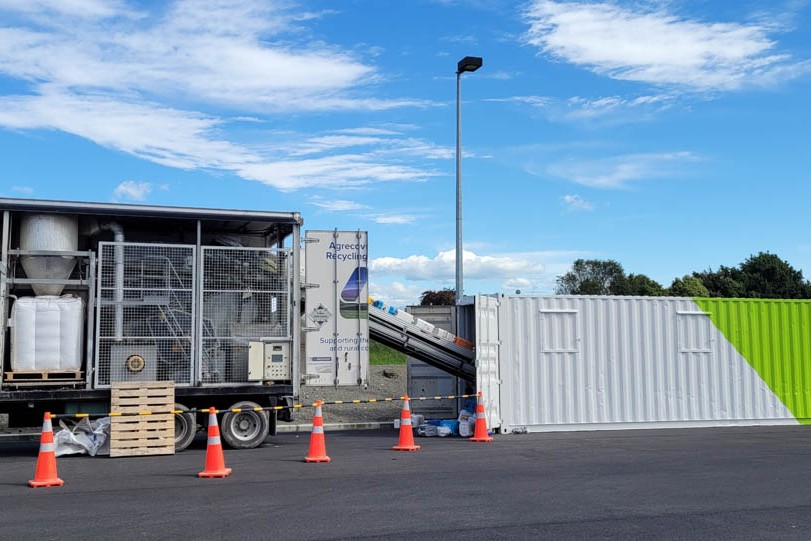
Agrecovery Chief Executive Tony Wilson explains that Agrecovery is the accredited vehicle tasked by the Minister for the Environment with recycling onfarm plastics. There are currently two schemes in action, one for agri-chemicals and containers, and the other a small bag scheme for soft plastics.
They have big plans and the goal is to extend their recovery scheme to 15 different types of onfarm plastic in the next three years, including larger fertiliser bags, balage and silage wrap, rubberware found in the dairy industry and wool fadges.
As a not-for profit charitable trust, Agrecovery chases the plastic, not the dollar, Wilson says.
Set up 17 years ago by the agri-chemicals companies, Agrecovery is more than just recycling. Being a product stewardship scheme means it not only collects the plastic, it works with the manufacturers to develop packaging that is more recyclable and able to be developed into new end use products.
“Those agrichemical companies pay a levy to Agrecovery, so the scheme is free to farmers and growers. But it’s bigger than recycling, it requires us to be innovative and work with the brands to develop packaging that’s more recyclable. It’s about making a consistent and easy plastic to have recycled again. I like to say that we are effective, efficient and professional,” he says.
Part of product stewardship is identifying better uses for the plastic that comes off farms and Agrecovery also works closely with New Zealand recyclers to identify where and how plastic can be recycled, creating a circular economy.
Agrecovery has a seven-year government accreditation as the scheme manager for farm plastics and, as such, it is regulated and held accountable for what it does with plastic collected. “We are completely transparent and keen to work with farmers to show them the good work we do. We want the plastic, and we have homes for that plastic. We are proud of what we have done, but there’s a whole lot more plastic out there we want to get our hands on.”
Some of the products currently being made with recycled farm plastic collected through Agrecovery schemes include car parts and damp protection systems for buildings. The ultimate goal would be to one day create products made from recycled farm waste that are then used back onfarm, like tractor parts.
The challenge is to get the word out to farmers about what materials are able to be recycled and how they need it to be delivered to collection points. Farmers should view the waste as a resource rather than rubbish, he explains.
For example, silage and balage wrap needs to be clean and dry. “The better the quality of the plastic, the better the recycled product can be created from it at the other end, and that’s the circular economy piece.”
Wilson’s message to farmers is to give Agrecovery a go and see for yourself how easy it is. “We have a really high return rate with customers.” He also encourages farmers to keep up-to-date with what plastics are able to be recycled, as more are being added all the time.
Wilson says there has been a noticeable mindset shift among farmers, with more and more taking an interest in how they can reduce waste. Growth rates are 4-6% annually of new farmers signing up to Agrecovery. “Farmers are mindful that the end consumer is wanting assurance that the product they are buying is created sustainably, and there are increasing requirements to show that the farmer is doing the right thing.”
For more visit agrecovery.co.nz
Recycling e-waste onfarm
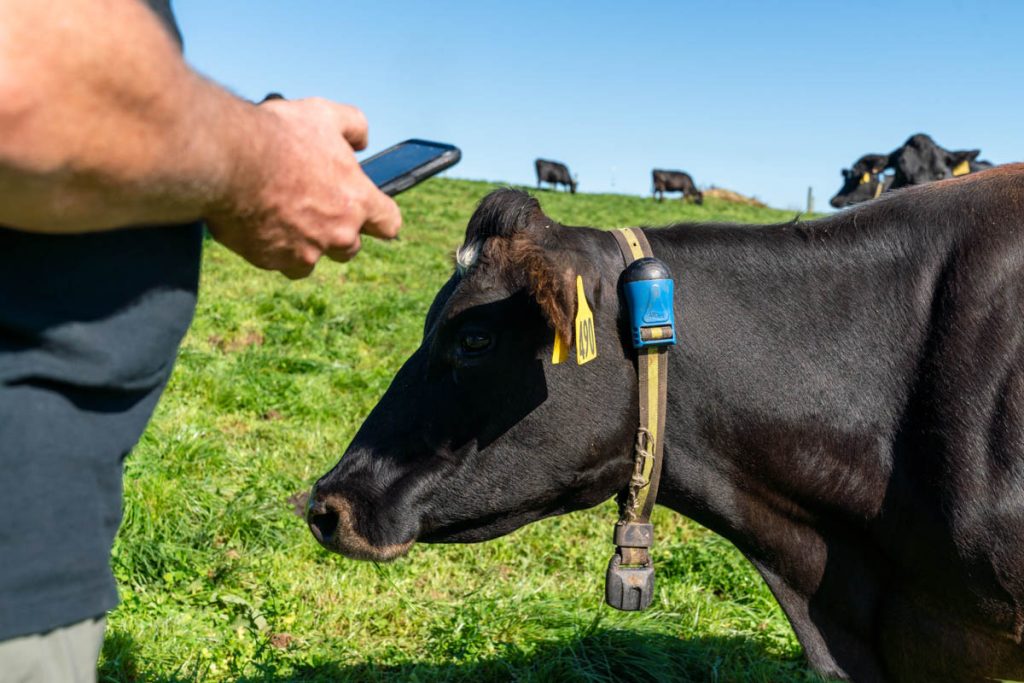
A pilot project is set to recycle 10,000 cow collars, providing a template for recycling all types of e-waste off farms as digital, data driven farming becomes more common.
MSD Animal Health New Zealand has partnered with Agrecovery to recycle SenseHub Dairy Collars (previously known as Allflex Collars) used by its dairy farmer clients.
The initial pilot project is set to recycle 10,000 cow collars that have reached the end of their battery life this year. Cow collars are increasingly used by New Zealand farmers to help manage animal wellbeing, track productivity and control animals on farm. About 17% of the national milking herd wear collars and there are now beef farmers using collars as an option for virtual fencing, to maximise grazing.
Pauline Calvert, MSD New Zealand Livestock Business Unit Lead, says waste minimisation and supporting sustainability efforts is a priority for MSD Animal Health.
Agrecovery Chief Executive Tony Wilson says farmers have an increasing amount of electric componentry onfarm. This can range from collars to cell phones, EID readers, sensors in their yards, batteries and tracking devices. Electronic waste will continue to increase as farming moves to more digital based, data driven operations.
Agrecovery has developed a process which takes about five minutes to deconstruct each SenseHub Dairy collar, separating the buckle, steel weight, various plastics, and electronics. The electronics also have their plastic covers removed for separate recycling. The componentry is then sent to the relevant recyclers where it can be recycled and used in new products.
Working through Agrecovery, collars will be collected at a North Island and South Island site, with MSD Animal Health collecting the collars from their customers as they come up for renewal.