Romani genetics future proofs flocks
With wool returns finally lifting and sheep meat values looking positive for another season, Romani Farms focuses on breeding robust, labour efficient sheep. Words Richard Rennie.
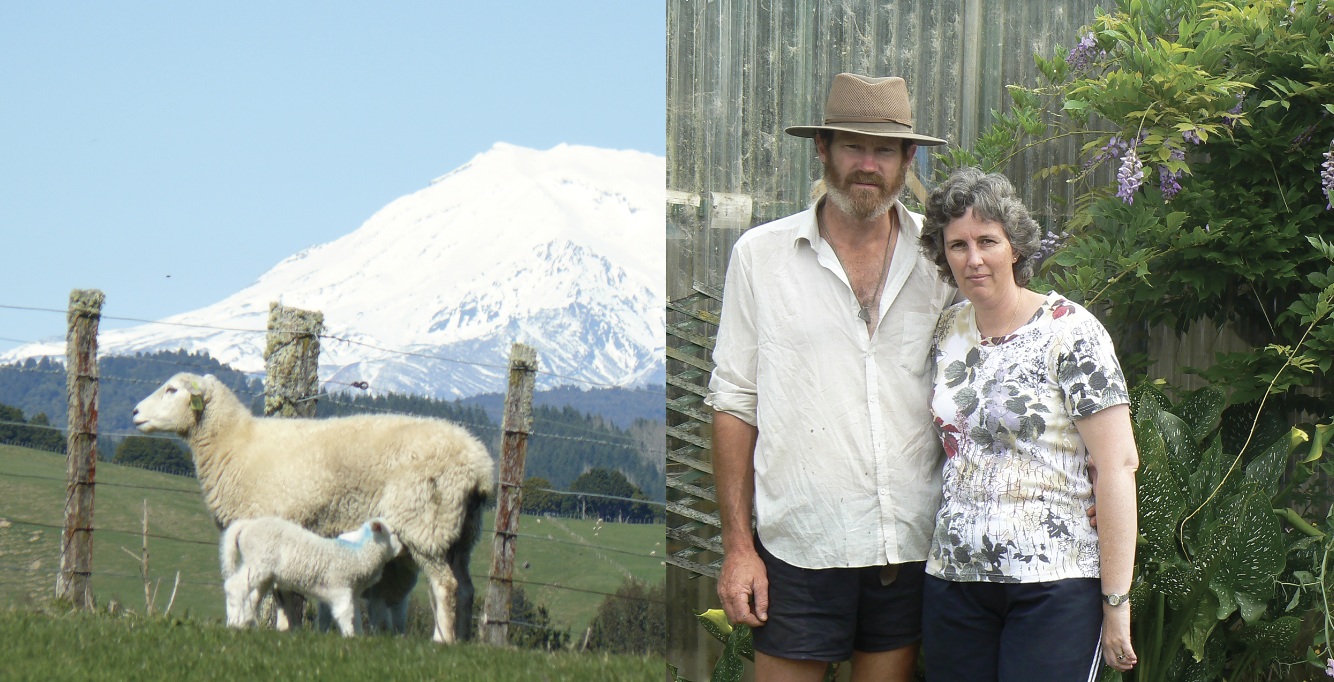
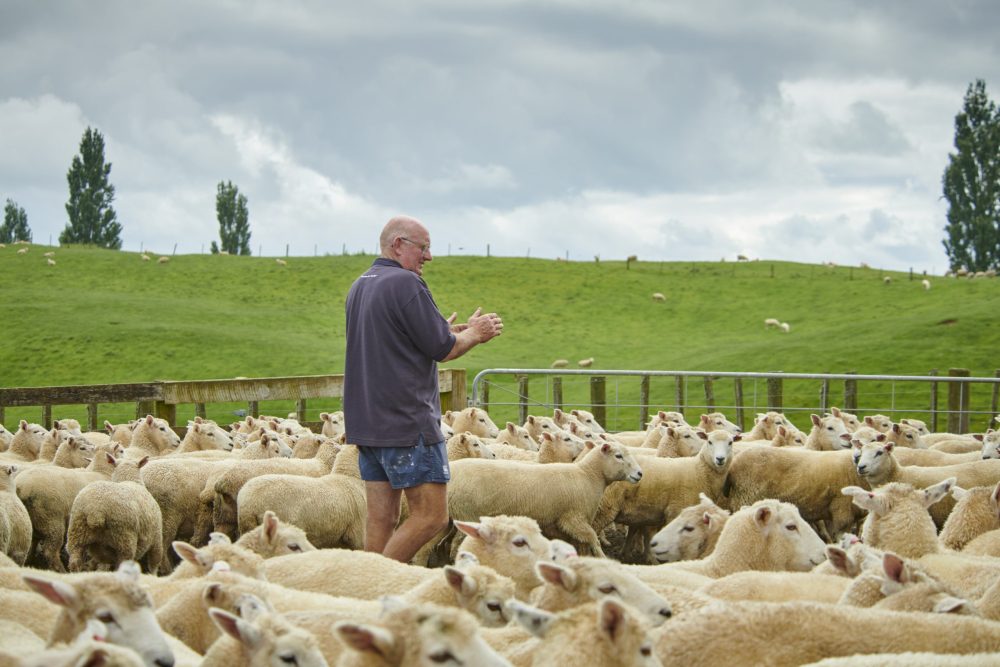
Ross Richards and his wife Ruth have built a reputation over the years for understanding what their commercial farming clients need from quality sheep genetics.
Their insight set the direction for Romani Farms Coopworth breeding programme over two decades ago, focusing on easy care, facial eczema tolerant, disease resistant sheep that do well with minimal labour input.
In recent years, the couple have built on generations of selection and breeding of their resilient Coopworths, creating their RICHWILT shedding sheep line. The RICHWILT genetics build on Romani’s high-performing Coopworth base, with all stock from both flocks assessed against twelve key performance traits as well as eight physical traits and corresponding breeding values.
Wool prices have lifted sharply over the past year, but at around $6-$7/kg they remain well short of reflecting the cost increases since similar prices were being paid in the 1990s. Like all farmers this year though, Ross has welcomed getting rewarded for his wool after some years of footing a bill for shearing that the wool failed to cover. “The lift in wool values probably will give some people pause for thought and maybe pump the brakes a bit on how far they take the self-shedding genetics.
“But the reality is that for many farmers, particularly in the wetter areas of the North Island, the ability to produce high-quality wool with good colour and low vegetative content is limited, which means wool prices are not where they need to be, and these genetics will work well for them.”
Feedback from clients who have incorporated the first cross of the RICHWILT genetics into their flock has been highly positive. Those that have started the journey report the sheep perform well and the genetics mean they have been able to cut down on dagging.
With labour becoming harder to source, an aging farming population and climate change increasing management pressures, Ross believes the industry needs to move quickly towards eliminating the need for dagging altogether. “We have been focused on this with the Coopworths for a while, using sires that have a top dag-score index. It’s a highly heritable trait and the difference in their progeny is remarkable.”
“The lift in wool values probably will give some people pause for thought and maybe pump the brakes a bit on how far they take the self-shedding genetics.” – Ross Richardsm Romani Farms
He is adamant focusing on dagginess will remain a high priority. “It has a high labour component to it and the labour is simply not as easily sourced to do it anymore.”
Selecting rams that are bare around their crutch and bellies mated to ewes with shorter tails and low dags means, he says, the day will come where no handpiece will need to pass over the flock except at shearing.
Ross also believes demand for low maintenance genetics will increase as collar technology becomes available for sheep. Collar technology is now part of their own operation, with him and Ruth putting it on the 750 head of cattle on their farm. The cost-benefit of its use outweighed the alternative which was to replace their semi-permanent beef grazing cells with 3.5km of permanent fencing.
“The calves are able to move ahead of the cows, ensuring they get the best grazing first, we have had good conception rates in mating mobs as the sire bulls could do the same, and the animals are calmer to be around. Pasture production has also increased as each area only gets grazed for a day and then is recovering, there is no back-grazing.
“The advantages of sheep collars will be significant. There will be lower labour needs, shifting lambs onto quality feed first, better weed control and the ability to manage around waterways and bluffs. We see the flexibility it brings already. It is so much greater even with just the cattle being freed up from where our old bull cell block was.”
Having the right low maintenance sheep makes the Romani genetics future proof and good to go for integrating the tech when it arrives.
Whether the future lies in virtual fencing, fewer skilled staff or further pressure on wool harvesting costs, Ross believes the direction is clear. Clients increasingly need sheep that maintain production while demanding less labour, both cornerstones of Romani’s breeding programme.
Visit romanicoopworths.co.nz