Research into no wool and finer wool
Landcorp chief executive Mark Leslie believes a benefit of more than $40 million a year could be delivered by 2040 to the sheep industry through two of its subsidiary Focus Genetics’ research programmes. By Glenys Christian.
It’s too soon for any results to be released, but Leslie says results look promising.
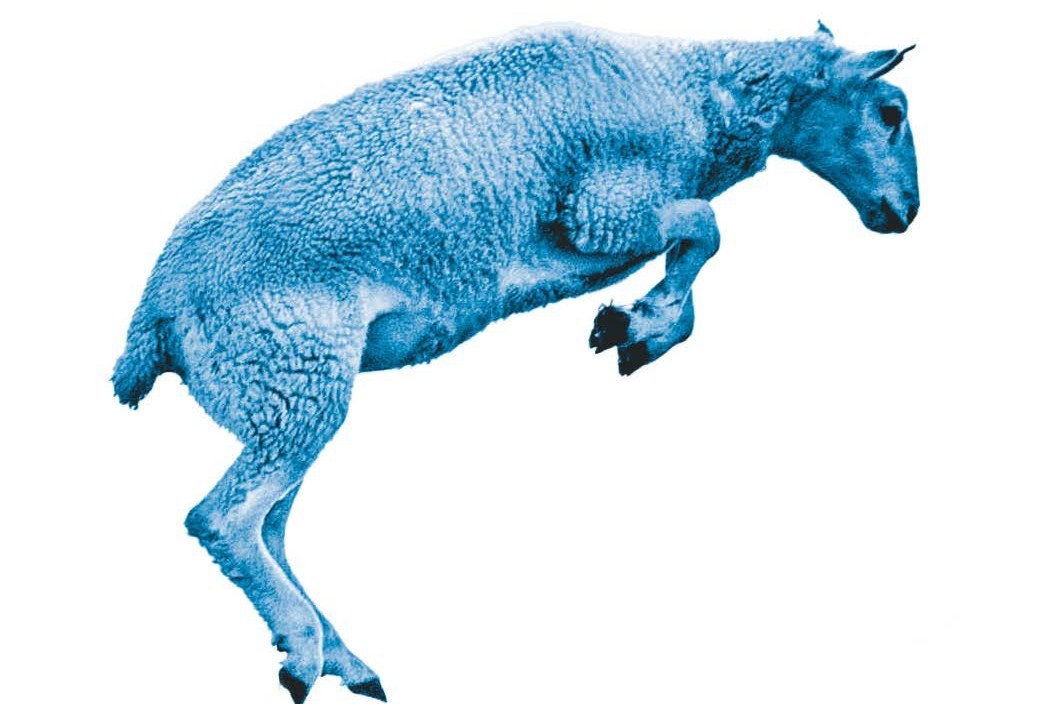
The No Wool trial involving 2000 Romney ewes based at Kapiro in the Bay of Islands is investigating sheep breeds that shed wool and could be more suited to expected warmer future temperatures.
The other, at Aratiatia Station, near Taupo, involves 2500 Goudies Romney ewes with 39 micron wool, looking to reduce that to 22–25 microns, keeping low input and good health traits as well as extending areas where they could be farmed in the future.
Research indications from that trial are “fractionally ahead” but the first set of results isn’t expected until next year, with No Wool results likely to be seen in 2025 or 2026. Leslie says Landcorp wanted to be confident before putting the best-performing genetics into its flocks, then going on to sell the rams to commercial farmers and broaden their uptake through the national flock.
There would be tradeoffs along the way as different scenarios emerged, but resilience to climate change was very much part of Landcorp’s future farming strategy. Predictions as to what sheep farmers should expect by 2030, 2040 and 2050 were to be put to the board in August.
“Sheep are part of New Zealand’s history and we want them to be part of our future,” Leslie says. “This could be the ticket that allows sheep farmers to continue being sheep farmers.”
Landcorp farms 350,000 sheep across the country with 130,000 of those carried in Northland and down the East Coast of the North Island where climate changes are likely to be the most extreme.
“For some farmers there’s the attraction of not having shearing expenses.” For others, sheep producing more sought-after fine wool that also have an increased tolerance of a range of different future climate conditions might be the holy grail.
“We’ve also got to look at what the market wants as well as high-quality meat.”
High levels of interest
A field day at Kapiro late last year gave farmers their first look at lambs produced from Romney ewes crossed with Wiltshire, Damara, Dorper, Meatmaster, Shire and Australian White genetics. Rams from breeds such as Texels where shedding lines have been selected were also used.
Focus Genetics’ researcher Natalie Pickering was surprised at the extent of shedding in the first-cross lambs, so there’s a great deal of interest in the upcoming crop of second-cross lambs.
“It’s too early to tell what the front runners are,” Leslie says. “But Natalie and her team are confident based on that first-cross result and excited to see what happens next year.”
There are no plans to extend the range of breeds used in the trial, but Landcorp will continue to look overseas and if a decision was made to add more genetics into the mix there was a robust process to do so.
This year’s wet weather in the north had its benefits, allowing some more rigorous testing of how different breeds might perform once in commercial flocks. Another aspect of the research is looking at any reduction in methane emissions, with work carried out at Invermay showing there can be a variation of 12% from different breeds of sheep, so combining this trait with fleece shedding or finer wool would give additional benefits.
Another research focus is centred on the pelts produced from the crosses with different breeds with the Leather and Shoe Research Association (LASRA) looking at their properties to be sure there weren’t unacceptable quality compromises being made.