Regenerative Agriculture Dryland Experiment
Ground breaking pastoral research at Lincoln University, supported by the T.R. Ellett Agricultural Research Trust, investigates ways farmers can improve animal and pasture production and consequently their economic and environmental outcomes. Words Sarah Perriam-Lampp.
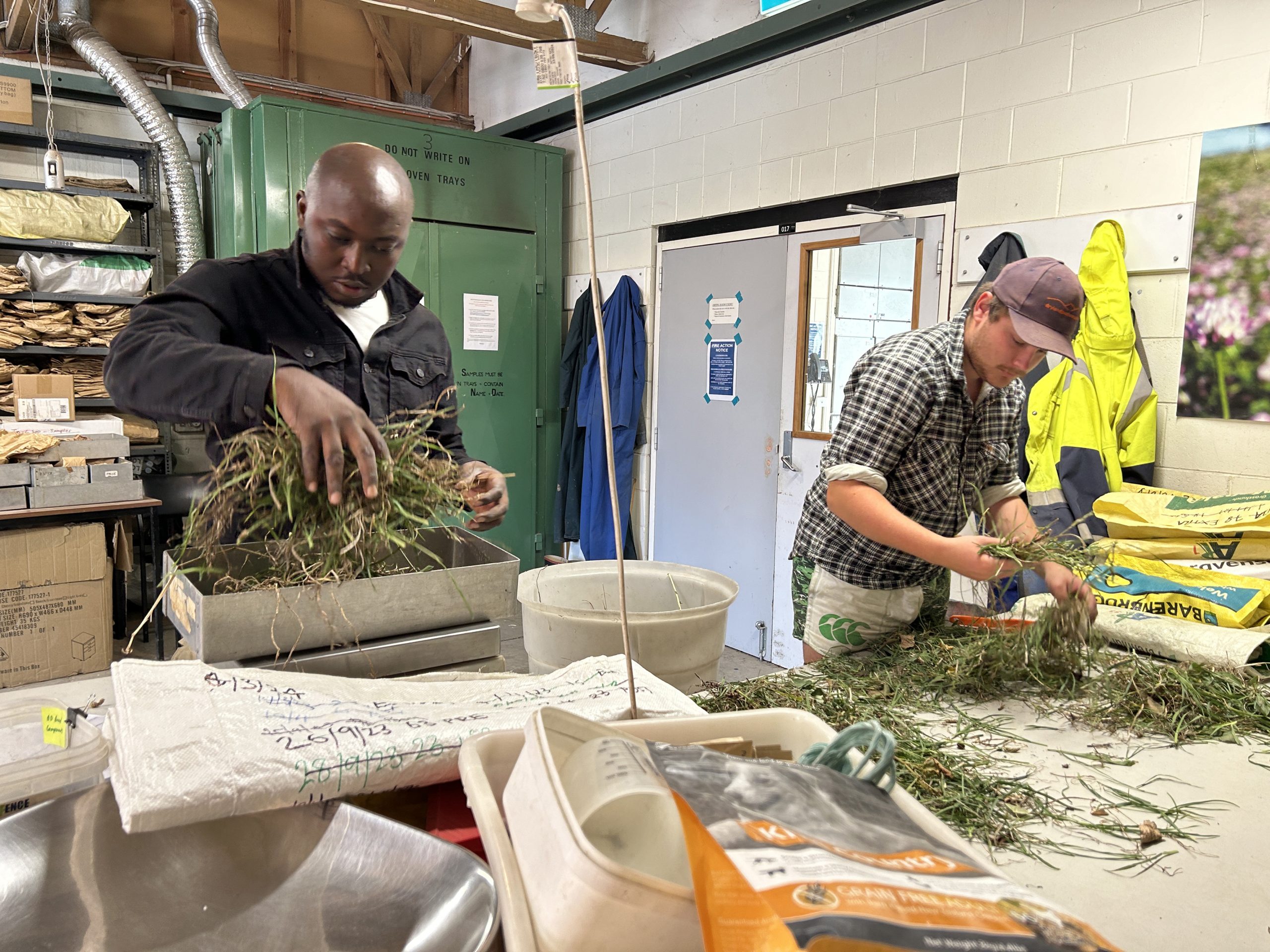
Lincoln University PhD student and 2026 Tasman FMG Young Farmer finalist, Luke Robb, is contributing to pastoral research on Lincoln University’s Regenerative Agriculture Dryland Experiment (RADE), the only experiment of its type in the world.
Supported by the T.R. Ellett Agricultural Research Trust, Luke is a part of a research team investigating ways farmers can directly compare production, environmental and economic outputs of a conventional dryland system and a multispecies, frequently grazed regenerative system.
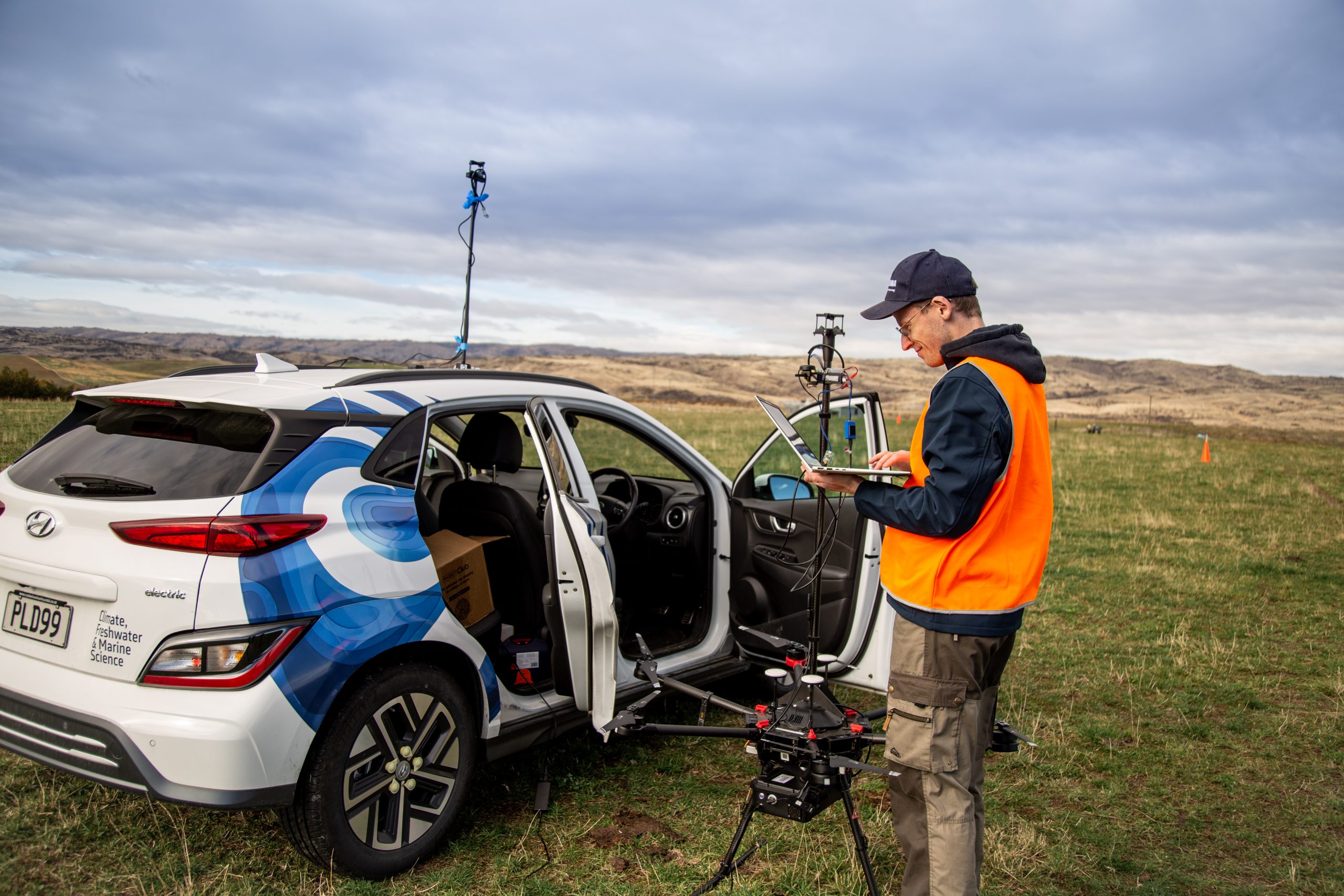
RADE farmlets are being used to quantify differences under high and low fertility growing conditions and are part of the MPI funded Whenua Haumanu research programme. The research, led by Professor Derrick Moot, along with Dr. Alistair Black and Dr. Annamaria Mills of the Dryland Pastures Research Group, sets out to measure sheep liveweight and pasture production under two different pastoral systems.
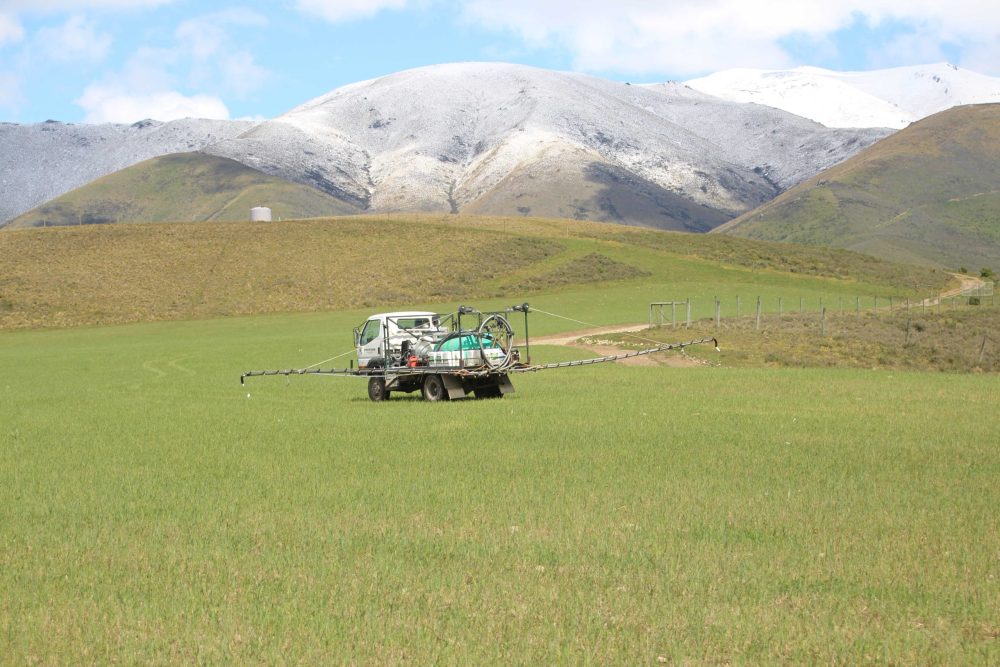
They measured sheep liveweight and dry matter (DM) production from regenerative and conventional dryland systems under two levels of soil fertility (Olsen P 20-25 and 10 mg/kg). The regenerative system comprised short-duration (2-4 days per plot) grazing at a high-density (20 ewes per plot) of multispecies pastures and winter forage crops with a rotational stocking rate of 12.9 ewes/ha. The conventional system had a longer duration (4-8 days per plot) grazing on lucerne and cocksfoot/sub clover pastures and annual ryegrass as the winter forage crop at a lower-density (10 ewes per plot) but the same stocking rate.
The findings showed in Year 3 (July 2023-June 2024) that the regenerative system observed a 131kg/ha lower sheep liveweight production, off of 1550kg DM/ha which was a greater pasture production during the season. That liveweight was 23% less for regenerative than conventional (496 vs. 627kg/ha) even though DM production was 22% greater (8,490 vs. 6,940kg/ha). The regenerative pasture had lower crude protein, lower metabolisable energy and higher neutral detergent fibre. They believe this is what contributed to the lower liveweight gains of the lambs on the regenerative pasture compared with the legume dominant conventional system.
“Ultimately we want to understand how close our conventional systems may be to an international definition of regenerative animal production systems.” – Luke Robb, Lincoln University
Luke is now in his final year of his PhD research and is writing up his results. He believes that agricultural research must be deeply connected with farmer’s needs so that the money and time invested produces meaningful outcomes for those who rely on the evidence.
Whenua Haumanu is a seven-year research programme measuring the effects of contemporary and regenerative pastoral practices in New Zealand. This collaborative initiative is a partnership between Massey University and the Ministry for Primary Industries (via the SFF Futures fund) uniting universities and CRIs (Lincoln University, Bioeconomy Science Institute, Manaaki Whenua, Riddet Institute).