Changing the Bog-Standard
Often overlooked and misunderstood, 90% of New Zealand’s original peatlands have been drained, degraded, or destroyed, leaving these carbon-rich landscapes in crisis. Jenna Smith, a 2024 Nuffield Scholar, presents how restoring peatlands that cover 1% of the country’s land area store an estimated 20% of carbon and could be our most strategic ecosystem.
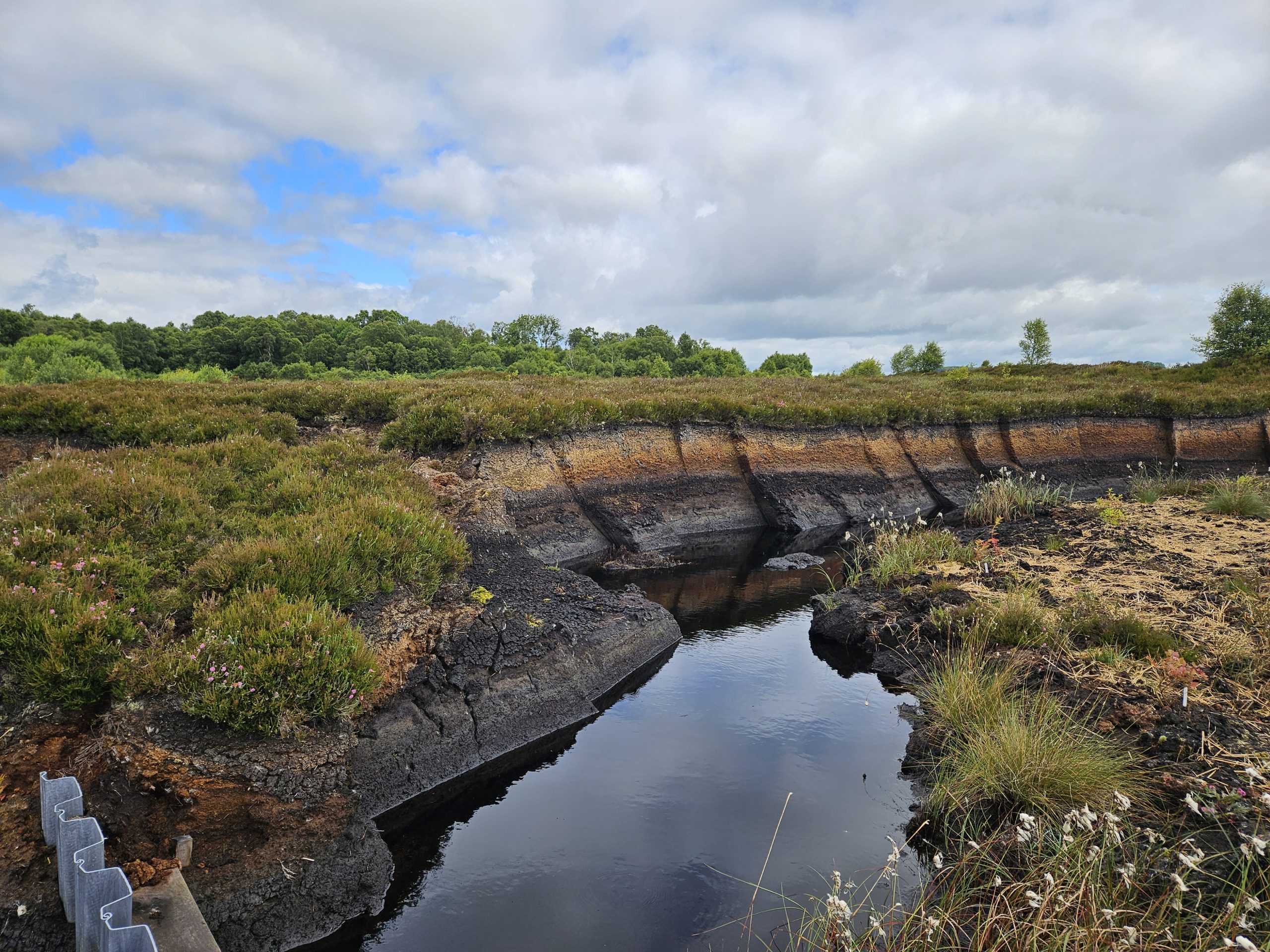
As she travelled around the globe, Jenna Smith, a 2024 Nuffield Scholar, explored case studies from countries like Germany, the Netherlands, and the UK, alongside New Zealand-based research, that concluded in a blueprint for how New Zealand can protect and restore its peatlands.
Jenna’s Nuffield report, Changing the Bog-Standard: Repeatable Solutions for Aotearoa’s Peatlands, provides science-based solutions with a values-led approach, emphasising the importance of cultural and community leadership in restoration efforts.
“Peatlands are not marginal land,” Jenna says. “They are essentially carbon vaults, biodiversity hotspots, and living taonga for mana whenua. If we want to meet our climate goals, restore freshwater quality, and protect native species, peatlands must become a national priority.”
The climate case for peatlands
Peatlands are often described as the world’s ‘carbon vaults’ because of their ability to sequester and store carbon over millennia. In their natural state, they act as net carbon sinks, absorbing carbon dioxide from the atmosphere and locking it away in layers of peat. However, when drained for agriculture or development, peatlands become major sources of greenhouse gas emissions, releasing CO2 and nitrous oxide as the peat oxidises.
“Drained peatlands are responsible for up to 7% of New Zealand’s total greenhouse gas emissions,” Jenna explains. “That’s roughly equivalent to the emissions from one million cars on the road. And the scary part is, if we don’t act, these emissions will continue until the peat is completely gone.”
Jenna points to international examples, such as Germany’s National Peatland Strategy, which has made peatland restoration a cornerstone of its climate policy. “Germany has recognised that keeping peatlands wet is one of the most effective nature-based solutions for climate mitigation. They’re investing billions into rewetting projects and supporting farmers to transition to wetland-compatible land uses. New Zealand could learn a lot from this approach.”
Farming with water: the promise of paludiculture
One of the most exciting opportunities identified in Jenna’s report is the adoption of paludiculture – farming that works with wet conditions rather than against them. This innovative approach involves cultivating wetland-tolerant species such as harakeke (flax), raupō (bulrush), and sphagnum moss, which can be harvested for bio-based products, building materials, or horticulture.
“Paludiculture is a game changer,” says Jenna. “It allows farmers to keep their land productive while halting peat degradation. Imagine growing flax for eco-friendly textiles or sphagnum moss for sustainable potting mix, all while reducing emissions and restoring wetland ecosystems. It’s a win–win.”
International examples show that wet farming can be commercially viable. In Germany, farmers are growing cattails and reeds on rewetted peatlands, producing construction materials and biogas. Jenna believes New Zealand could replicate these successes, particularly in regions like Waikato and Southland, where drained peatlands are currently used for dairy farming.
“Farmers are key to this transition,” she says. “We need to support them with funding tools, technical advice, and market development for wetland-based products. If we can show that farming with water is profitable, we’ll see more landowners embrace it.”
Restoration as a cultural process
Jenna’s report emphasises that peatland restoration is not just a technical exercise – it must also be a cultural and community-led process. Peatlands, or repo, are taonga (treasures) to Māori, valued not only for their resources but also for their spiritual and ancestral significance.
“Several iwi- and hapū-led projects are already showing the way,” Jenna says. “For example, Ngāi Tahu’s work at Waituna Lagoon in Southland demonstrates how wetland restoration can reconnect people to their whenua and whakapapa. By combining Mātauranga Māori with science and policy, these projects are creating powerful models for restoration.”
Jenna advocates for deeper integration of Mātauranga Māori (Māori knowledge) into peatland management. “Māori have lived alongside wetlands for centuries and have developed sustainable practices for using and protecting them. Incorporating this knowledge can enrich restoration efforts and ensure they’re culturally appropriate.”
She also calls for co-governance arrangements that give iwi a decision-making role in peatland management. “Peatlands are living entities with mauri (life force). Restoring them is not just about fixing an ecosystem – it’s about honouring the relationship between people and the land.”
Policy and mindset shifts
To make peatlands a national priority, Jenna argues that New Zealand needs stronger policy alignment and a shift in mindset. “Peatlands have long been viewed as marginal land, or land that needs ‘improving’ through drainage and development. We need to reframe them as climate infrastructure, biodiversity strongholds, and cultural landscapes worth restoring.”
Her report recommends integrating peatlands into national climate, biodiversity, and freshwater policies, including the Emissions Trading Scheme (ETS). “If farmers could earn carbon credits for rewetting peatlands, it would create a powerful incentive for restoration,” she says.
Jenna also calls for regional leadership, innovation investment, and long-term funding for restoration projects. “We need councils and catchment groups to step up and protect wetlands at scale. And we need to invest in research and development to explore new wetland-based land uses and technologies.”
A call to action
Jenna’s report concludes with a provocative question: What if we kept the ground wet on purpose? It’s a question that challenges New Zealand to rethink its relationship with peatlands and embrace their wetness as a strength rather than a problem.
“The time to act is now,” Jenna says. “We have the knowledge, tools, and will to do better. By protecting and restoring our peatlands, we can make a meaningful contribution to climate change mitigation, biodiversity conservation, and cultural resilience. It’s not just about saving wetlands – it’s about saving ourselves.”
As New Zealand grapples with the urgent need to reduce emissions and adapt to a changing climate, peatlands offer a unique opportunity to align environmental, economic, and cultural goals. Jenna’s vision is bold, but it’s grounded in evidence and inspired by hope. “Peatlands are quiet giants of climate regulation,” she says. “Let’s give them the attention they deserve.”
Click here to listen to Jenna’s Nuffield interview on The CountryWide Podcast.