Realising genetic potential
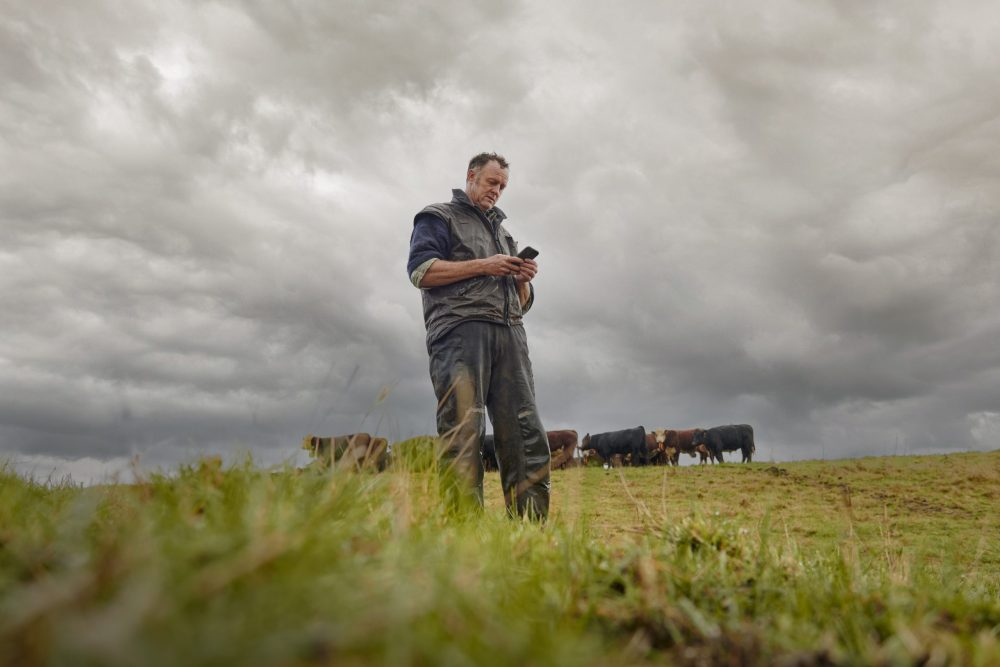
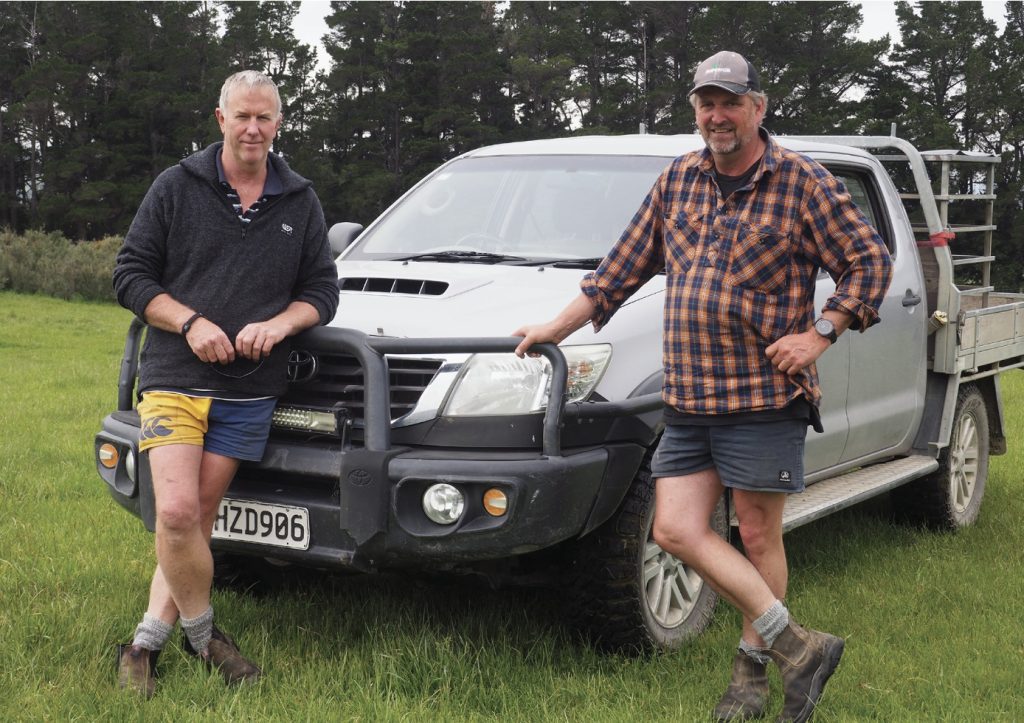
Simon Parks gets great satisfaction from growing his Charolais cross weaner steers, heifers and bulls out to heavy weights as quickly as possible. This is made even more satisfying knowing that the calves he is finishing were born on a farm in which he and his wife Emma are equity partners. Words & Photos Sandra Taylor.
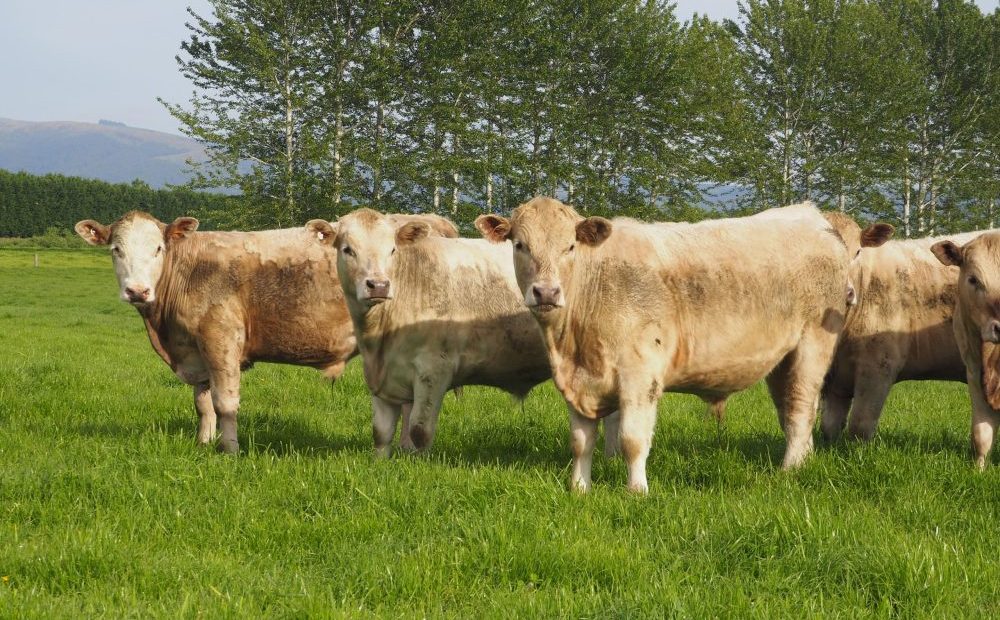
Pasture growth peaks on Otago’s East Taieri in late spring and Simon Parks’ Charolais cross steers, heifers and bulls make the most of the abundant feed.
For Simon, a former rural banker, and his wife Emma, there is satisfaction in seeing the calves born on Kinvara Farm, a farm in Middlemarch in which they are equity partners, realise their genetic potential on their own 160 ha East Taieri farm. The couple has a vested interest in both ends of the supply chain. As equity partners in Kinvara Farm, they want to maximise the returns they generate from their calf crop and as finishers. Their Charolais genetics deliver on both counts. “We aim to grow the cattle as quickly as possible to high weights and carcase specifications,” says Simon.
Four years ago, after seeing the quality of the Charolais cross calves the Kinvara partnership was offering up for sale at weaning, Simon changed his farm system to make room for 160 of these weaners which he finishes before their second winter.
Simon was grazing dairy heifers for two different owners and selling grass silage to neighbouring dairy farmers. They have reduced the number of dairy heifers they graze as they found purchasing beef weaners in April was a better fit for their system. “It means we are not having to carry too many young animals through summer if it does get dry.” They also get to see how the genetics the partnership has invested in perform.
The beef weaners spend the early part of winter on grass before being run onto fodder beet crops supplemented with balage. Simon says they grow at around 780 g/day on the beet and then thrive on spring grass. He sells the first lot of their Charolais prime in March.
Because the Charolais cross cattle grow so quickly, Simon and Emma have the flexibility to sell them prime at lighter weights or simply keep growing them out to very heavy weights before winter. “They are nice-looking animals, and they grow out to be really big animals,” says Simon.
Knowing that carrying beef cattle through their second winter kills profitability, Simon says the Charolais cross give them that certainty that they will all be sold prime by 20 months of age.
Trialling bulls
In what was an experiment, a small number of Charolais cross bull calves in the 2023 calf crop were left entire and Simon and Emma successfully grew 20 of them out, finishing them to a carcase weight of 380 kg in March 2025. While they were kept well away from the dairy heifers, Simon says they had no behavioural issues, and this encouraged them to buy another lot last autumn. These have been growing well without any issues.
Kinvara Farm
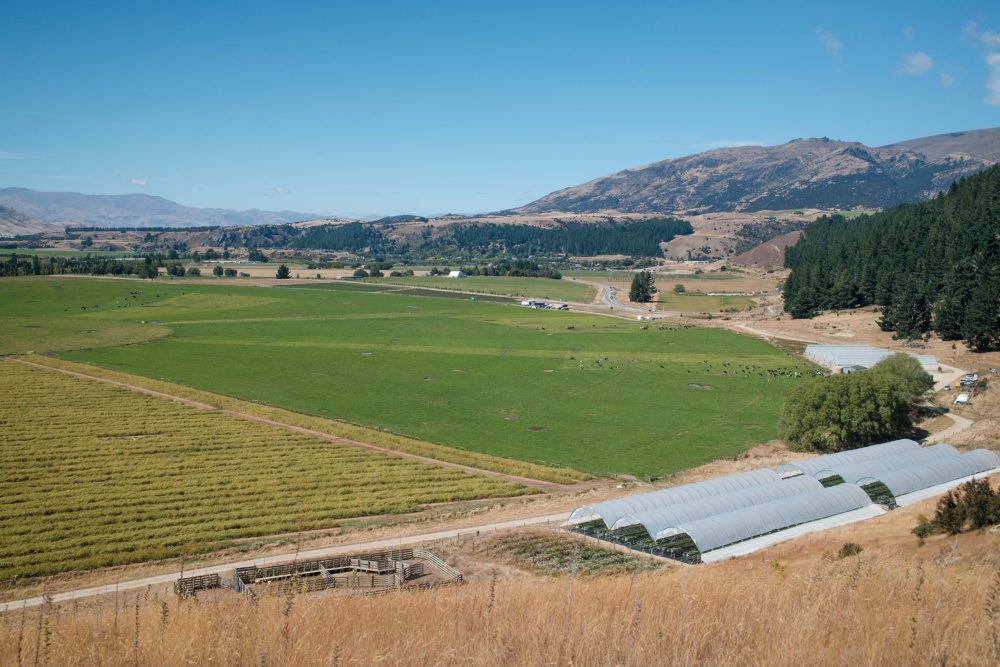
While Kinvara Farm is only around 65 km from Simon and Emma’s East Taieri farm, it is a world away in terms of topography, climate and the pasture growth curve. The sheep, beef and deer property, which lies at the base of the Rock and Pillar range, covers 1680 ha. There are five equity partners in Kinvara Farms which is managed by one of the partners, Brent and Sandra McKenzie and their son Scott.
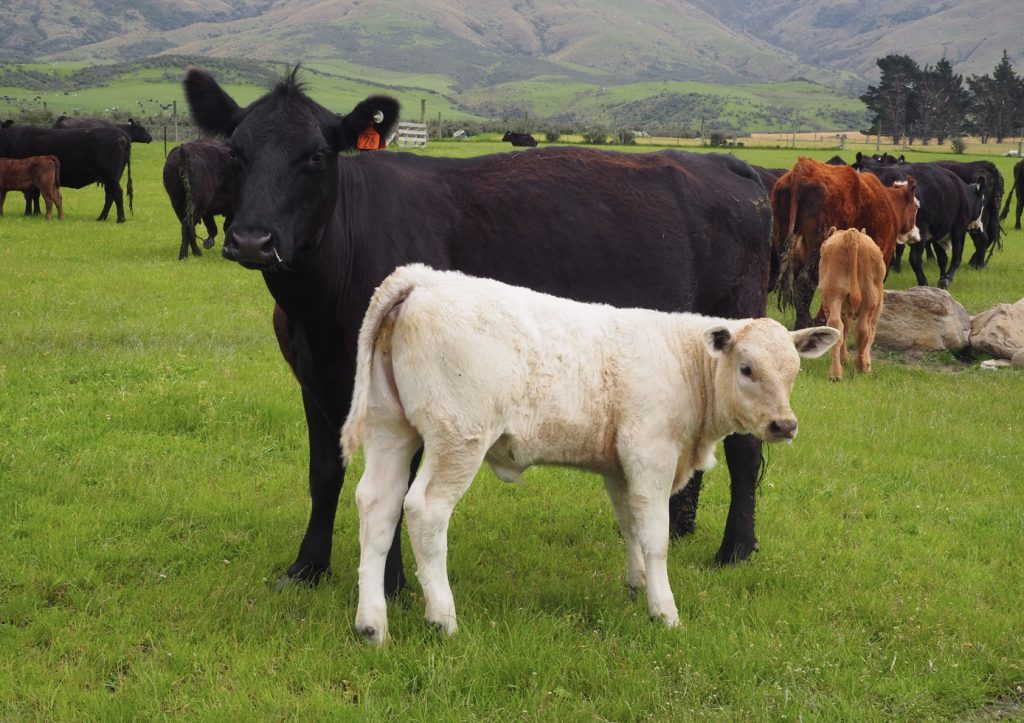
The business winters 1000 Red hinds, 920 weaners, 90 stags, 330 Angus breeding cows, 25 rising-one-year (R1) heifers and 1100 Romdale ewes. Three-quarters of the farm, which runs to 945 metres above sea level, is tussock country, and this is where the cows spend most of their life. “Their primary role is to tidy up the hill country and they complement the deer well,” says Brent. All 1000 ha of Kinvara Farm is deer-fenced.
After calving, the cows are run onto the easier country for summer. Brent says they take the cows and calves off the hill before the hinds start calving in October to avoid disturbance. The spring grass allows the cows to feed their calves well and rebuild body condition after a winter of living off their body reserves. Calving percentages sit at around 92 percent. The bulls go out in the first week of December and this includes the Charolais terminal sires which go to 250 mixed-age Angus cows.
Adding value to the calf crop
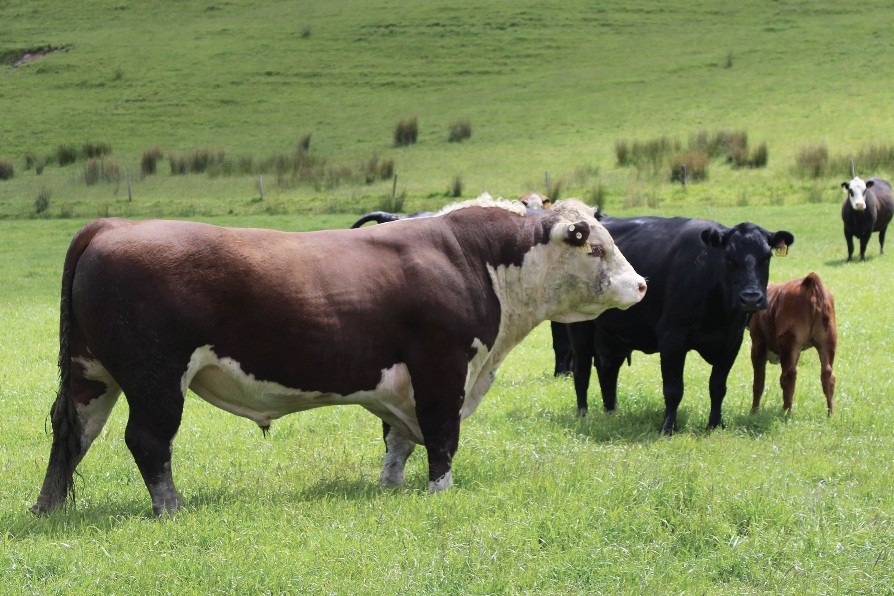
Brent says they began using Charolais genetics six years ago in a bid to produce a bigger calf with hybrid vigour.They look for bulls with a good temperament, size and structure. They also take into consideration eye muscle area and intramuscular fat. They feel their breeder, Sam Holland, consistently produces good quality bulls, so they do occasionally get him to select their bulls for them.
The cows are weaned in early April and the majority of steers and non-replacement heifers are sold at the Palmerston or Balclutha Calf Fairs, although Simon does get the first cut. They will also sell calves privately.
Brent says Charolais are sought after by finishers who value the breed’s ability to quickly grow to heavy weights. After pregnancy and TB testing, the cows are run back onto the hill to winter alongside the breeding hinds.
All rising-two-year (R2) heifers and selected cows go to an Angus bull for breeding replacements and the resulting calves are grown out on kale and balage, mated as yearlings and wintered on easier hill country.
Cattle complement other stock classes
Brent says the strength of Kinvara Farm is its hill country. It gives them scope and scale which is particularly valuable in Central Otago’s dry summers.
Not long after the partnership took over, they opened up an area of hill country by burning and oversowing with clover and plantain.
This enabled them to slightly increase cow numbers, but more importantly, it gave them the ability to produce more quality drymatter for their cows and hinds.
The farm is challenged by Central Otago’s dry summer, with an average annual rainfall of 650 mm and strong nor’west winds. The wind is the reason they have gone to direct drilling all their forage crops and new pastures.
While the equity partnership is relatively new, Brent and Sandra have been farming Kinvara Farm for 20 years. They managed the farm for the previous owner until his untimely death and then put the partnership together seven years ago when the farm was put up for sale.
All partners are aligned in their thinking and take an active interest in the farm. They will all lend a hand at busy times of the year such as tailing, calf marking and weaning. The partners have around four or five meetings a year, usually off-farm, and get together for a weekend just prior to Christmas.
The partnership has been willing to expand and grow the business, and two years ago purchased Sugarloaf, a neighbouring farm just seven kilometres down the road from Kinvara Farm. Sheep and cattle are moved up and down the road between the two properties, but most of the terminal sire cows and calves are on Sugarloaf.
All progeny born to the hinds and ewes are finished within the Kinvara Farm business and cattle play an important role in maintaining pasture quality and mopping up internal parasite larvae off pastures. All the ewes are put to a Suftex terminal sire and replacement ewe lambs are bought in. “Lambs do well because there are no parasite burdens, so we can finish them to good weights,” says Brent. Depending on the season, they will buy in trading lambs.
Pastures on the easier country are on a 10-year rotation with kale and rape crops (grown primarily for wintering weaner deer) with some short-term pastures and plantain.
Brent feels breeding cow numbers are about right for their system. They nicely complement other stock classes and the use of Charolais genetics has added value to their calf crop while giving Simon and Emma the opportunity to beef up their finishing operation.