
Prove it with planning
Farm planning for deer farmers must allow for flexibility and the unique challenges of farming deer, but a good farm plan can help provide proof of best practice for our markets. Words Rebecca Greaves.

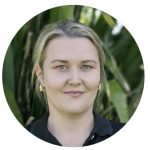
The majority of deer farmers are undertaking solid farm planning, it’s just a matter of documenting it, says Luka Jansen (pictured), environmental stewardship manager – policy and research, for Deer Industry New Zealand (DINZ).
Like other primary sector industries, freshwater farm plans are on pause for deer, but DINZ is still undertaking planning in the freshwater space and encouraging farmers to have a plan. “It’s about mitigating the risks onfarm and looking for ways to do best practice to reduce sediment loss and run-off from their farm, which is the main concern on a deer farm, as opposed to nitrogen loss,” Jansen explains.
Deer farmers understand the importance of undertaking mitigation actions or planning to undertake good practice to manage environmental risks. Maintaining accurate and auditable records within a farm plan is key to walking the walk without onerous government regulations, she says.
Industry groups, like DINZ, are leading the way when it comes to farm planning, along with local community groups, such as catchment groups.
Jansen says farm planning, which feeds into the Integrated Farm Planning (IFP) approach, is about taking a holistic view when looking at your farm and identifying actions that may have multiple benefits. “Stream planting would help improve the environment and water, but could also have biodiversity outcomes or contribute carbon income, for example.
“IFP is a concept the Ministry for Primary Industries has been pushing, and industry bodies like Beef + Lamb New Zealand and DINZ have been given funding for it. It takes into account all planning, like health and safety, animal welfare, the environment, and climate. There’s a range of reasons why people might have a farm plan, and we’re still working out our priorities in different regions.”
DINZ has a survey out to farmers in each region to look for knowledge gaps, so farmers have what they need to elevate farm planning.
In the case of deer, much of the farm planning is done by observation by the farmer on a daily basis, informing management practices by noting the behaviour of the animals. Farm planning is a skill where farmers tailor their plan to the animals, and it is very reliant on observation and understanding feed requirements, she says.
“If they’re hungry or you’re weaning, they might pace the fence line, which could be a sign of stress. A farmer might move them to another paddock to reduce the impact of the animals creating a track, leading to sediment loss and run-off. Deer have very different behaviour compared to, say, sheep.”
While deer farmers all undertake some form of farm planning currently, it’s a matter of documenting practices. There are benefits from recording and collating data, too. “That’s useful if you’re away or need to share the information with staff or a family member. It’s also good to have on hand if you need to show the regional council.
“Deer farmers are undertaking farm planning, and IFP is about streamlining everything so it’s in one place and easy to access and share with other parties.”
Jansen’s key message here is that it’s about proof of what is happening onfarm. Evidencing what is being done ensures farmers are both talking the talk and walking the walk when it comes to best practice. This proof is also becoming increasingly important to our markets and consumers.
She stresses that farm planning is always a case-by-case basis when it comes to deer farming, and each plan must be tailored to the individual farm.
“My message to the regional councils is that plans must allow flexibility and give farmers a range of tools to address an issue. Weather changes from year to year, influencing feed levels and crops, therefore mitigations may change from year to year. Rigid rules do not work for deer farms.”
The Deer Industry Environmental Management Code of Practice is the go-to resource for deer farmers implementing best practice and developing a farm plan.
DINZ also has a range of deer factsheets available that provide options for managing deer and all potential risk factors within their environment.


