Powering performance: Investing in High-quality nutrition
New Zealand’s beef sector is entering a new phase of performance focus and more producers are recognising that what and when they feed their animals has a direct impact on profitability. Words Sarah Perriam-Lampp.
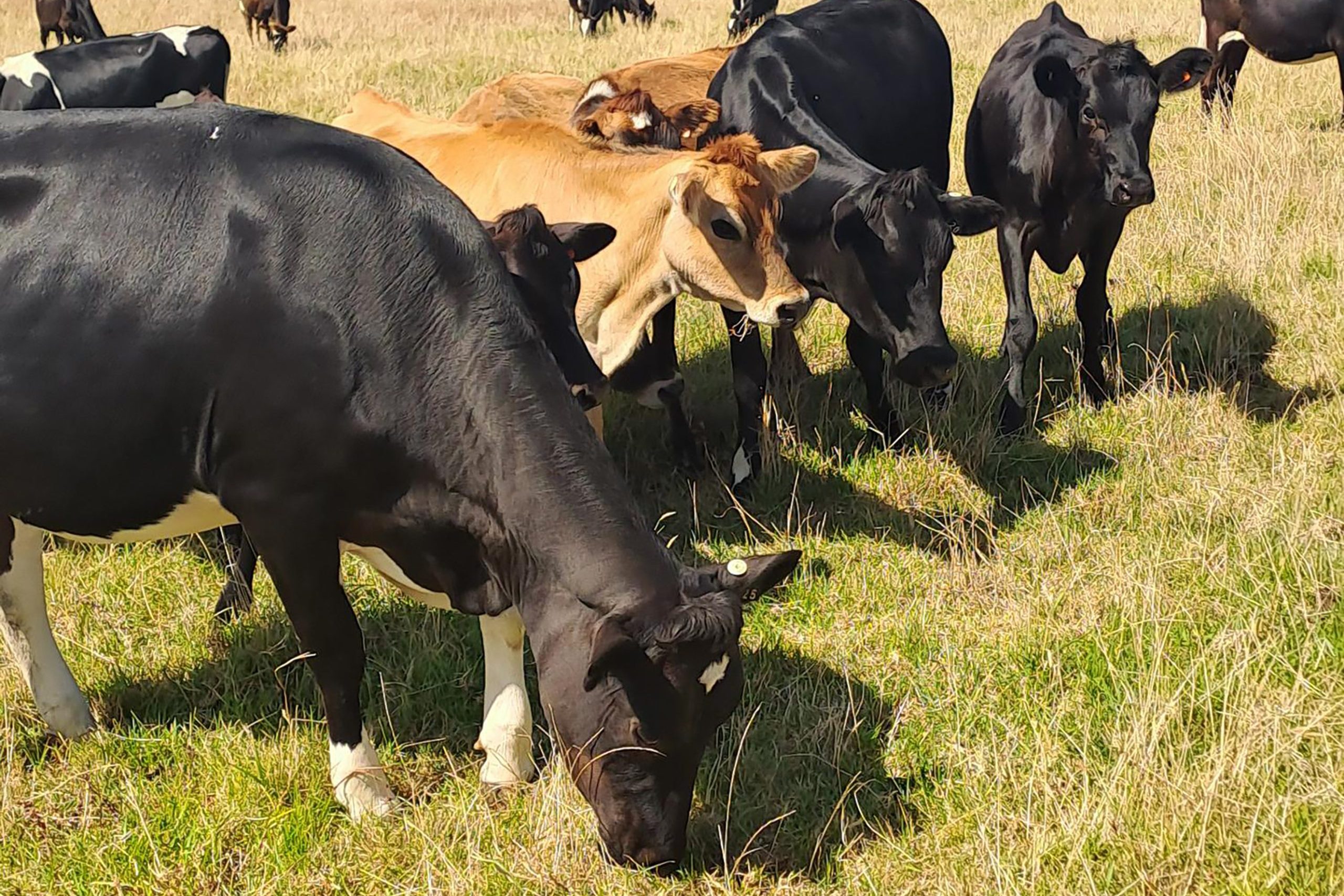
“Strategic use of high-quality nutritional supplements at key stages of a beef animal’s life is shifting results on the ground, from calf rearing right through to finishing,” says Chris Stephens, National Nutrition Lead at SealesWinslow.
He says after several challenging years of weaker export and red meat markets, calf rearers and beef finishers are returning with a more long-term, performance-focused mindset.
“They’re no longer satisfied with just “getting animals through” – they want to understand the return on every dollar invested in feed.”
Traditionally, many operators focused intensively on the early rearing period and then relied heavily on pasture once calves were weaned.
But he says many rearers are thinking beyond the first 100 kg, right from birth through to slaughter weight. “Once animals reach around 100 kg liveweight, the conversation is increasingly about sustained performance rather than simply maintenance.” High-quality nutritional supplements are not about replacing grass; they are about supporting animals at pressure points in the production cycle.
“Beef farmers are coming to us with set diets, saying, this is what we’d like to feed and can you provide that solution?” – Chris Stephens, SealesWinslow
Nutritional supplements, used strategically at key times, are becoming less of a “nice to have” and more of an investment decision with the emphasis on consistent growth curves, better utilisation of existing feed resources and improving hitting market specifications more reliably.
Chris highlights several key windows where targeted nutrition can protect performance:
1. Post-weaning / post-rearing transition
Avoiding a growth check when calves move onto pasture is crucial. Strategic supplementation at this stage can help maintain skeletal and muscular development.
2. Winter and periods of poor pasture quality
During winter or in climatic extremes, pasture often fails to deliver the energy, protein and minerals required for optimal growth.
3. Finishing phase and time-to-market
Ultimately, the commercial question is: Does better nutrition get animals to target sooner and in better condition?
Key areas when planning your animal’s nutritional requirements:
- How to keep growth rates consistent?
- How to ensure animals reach target weights earlier?
- How do I design a specific diet to hit marbling and carcase targets?
- Should I work with an animal nutrition consultant?
- How to avoid “feed pinches” when pasture quality dips?
- What suppliers manufacture bespoke blends that fit exact specifications?
This is where tailored blends and supplements are making a difference.
“SealesWinslow’s strength,” Chris says, “lies in the diversity of nutritional options available to suit different systems and goals.
“Beef farmers are coming to us with set diets, saying, this is what we’d like to feed and can you provide that solution?”
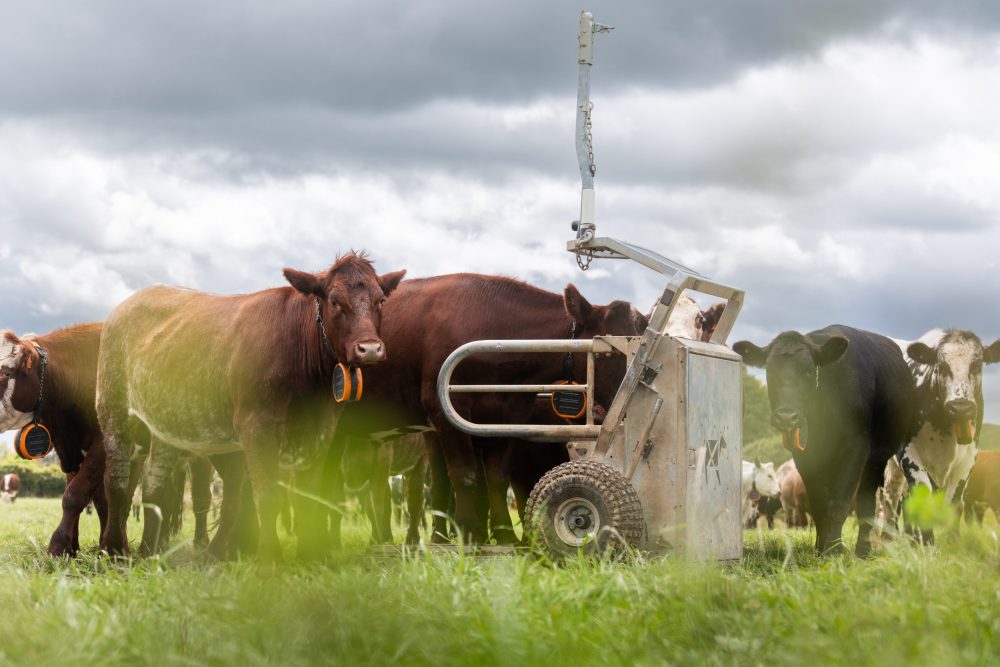
Feedlot-style systems are emerging in both islands, expanding on the more traditional extensive beef units. He says farmers are investing in simple infrastructure to improve nutrition such as bunkers, trailers and feeding equipment – to enable regular concentrate feeding.
Chris says that, as farmers are working to get bigger animals away earlier, it’s got to be more of a focus on feeding these animals almost every day to grow them the whole way through their lifetime.
SealesWinslow, recently purchased by Farmlands, now supports this shift with five feed mills across New Zealand and a team of 16 nutrition specialists providing on-farm support.
Visit sealeswinslow.co.nz