Parasite project for beef cattle
Rams that are genetically resistant to internal parasites have been available to sheep farmers for many years, but cattle breeders do not have that same choice available to them. Words Sandra Taylor.
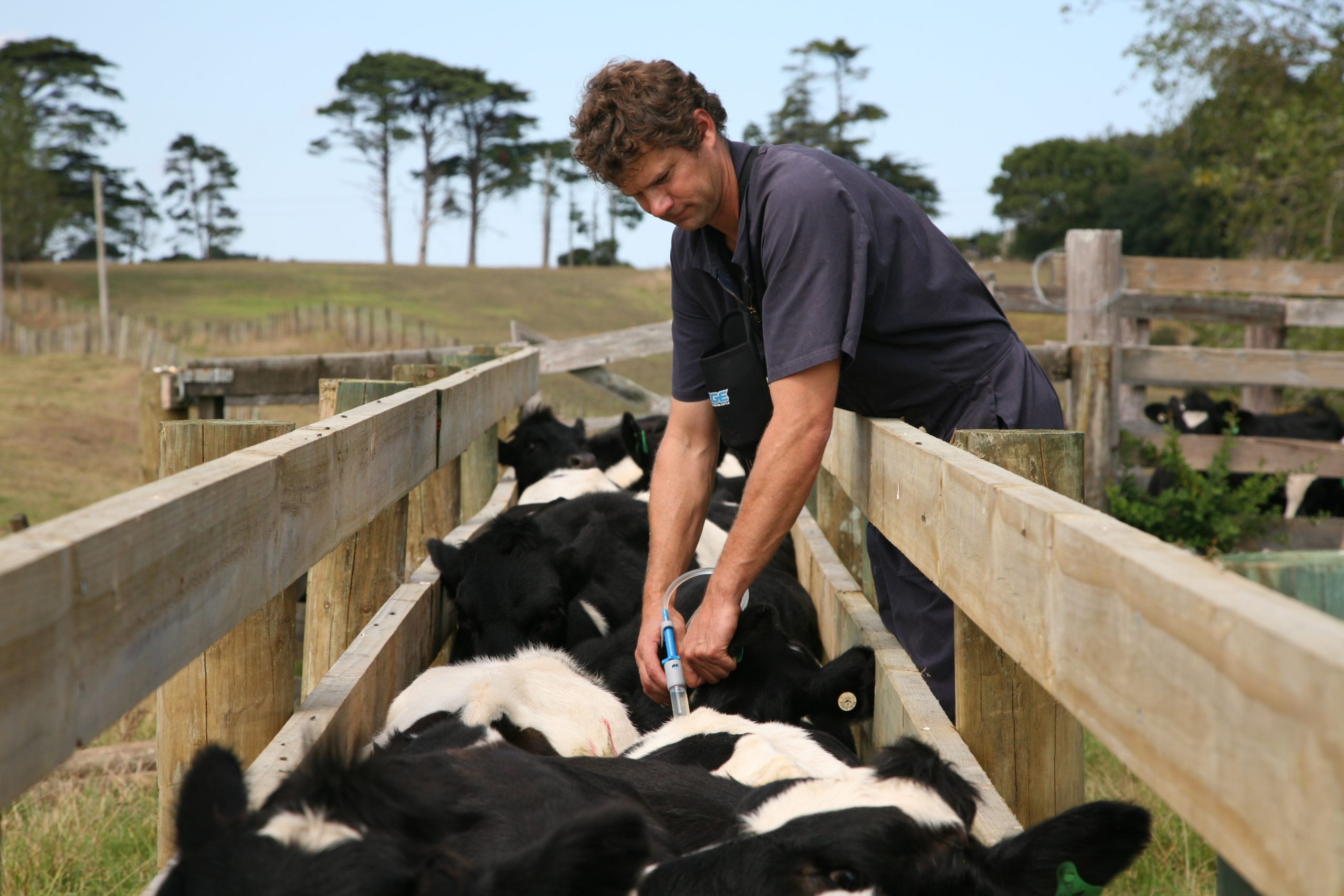
In the face of increasingly widespread drench resistance in both sheep and cattle, Beef + Lamb New Zealand (B+LNZ) has launched a project to get a better understanding of the genetics involved in parasite resistance traits in beef cattle.
Ultimately, the project aims to develop a user-friendly phenotyping protocol for cattle breeders to measure parasite susceptibility and much further down the track, enable genomic selection of parasite resistant traits.
Jim Inglis, B+LNZ’s Senior Strategic Advisor and Agricultural Science Masters student, and B+LNZ Genetics Operations Specialist, Katie Clark, are leading this project.
The focus is on cattle during their first year of life, from weaning through to yearling age. It is this age group that is considered to be most at risk from internal parasites and typically receives the most drenches.
“We are starting at a very basic level by gaining an understanding of the relationship between Faecal Egg Counts (FEC) and CarLA-IgA tests (a saliva test that tests for the presence of antibodies which are an indication of an animal’s immune response to internal parasites),” says Katie.
“This project has really highlighted how little we know about parasite resistance in beef cattle.” – Katie Clark, Beef + Lamb New Zealand Genetics
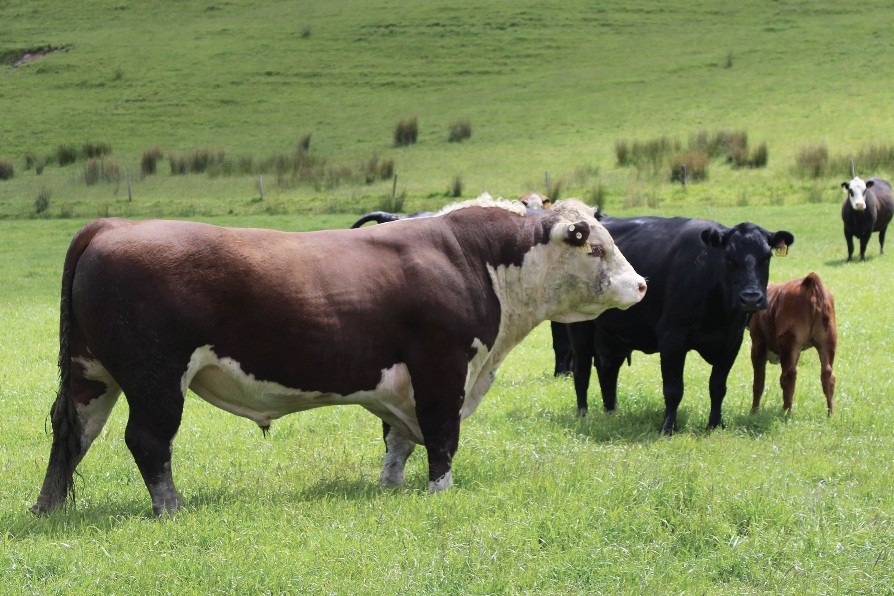
Over the course of the multi-year project, they aim to collect data on FECs and CarLA-IgA antibody levels from 3000 genetically connected cattle on Lochinver Station, one of B+LNZ’s across-breed Beef Progeny Test sites), Raupuha, a King Country Shorthorn stud, North Canterbury’s Te Mania Angus stud and Southland’s Argyle Station.
They will also collect DNA samples which will be put into long-term storage and in the future, may be used to support genomic selection.
“While it’s very early days, one of the challenges has been the wider than expected variation in faecal egg counts and response,” explains Katie.
But even this understanding is helping them get more clarity on the parasite status in young beef cattle.
“We are hoping to get a better understanding of the parasite status on farms and get a feel for what’s happening,” says Katie, “This project has really highlighted how little we know about parasite resistance in beef cattle.”