More than just hot air!
Having the ability to identify beef cows that use feed more efficiently and produce less methane, while remaining productive and profitable, is a win-win for the industry and the environment. Words Sandra Taylor.
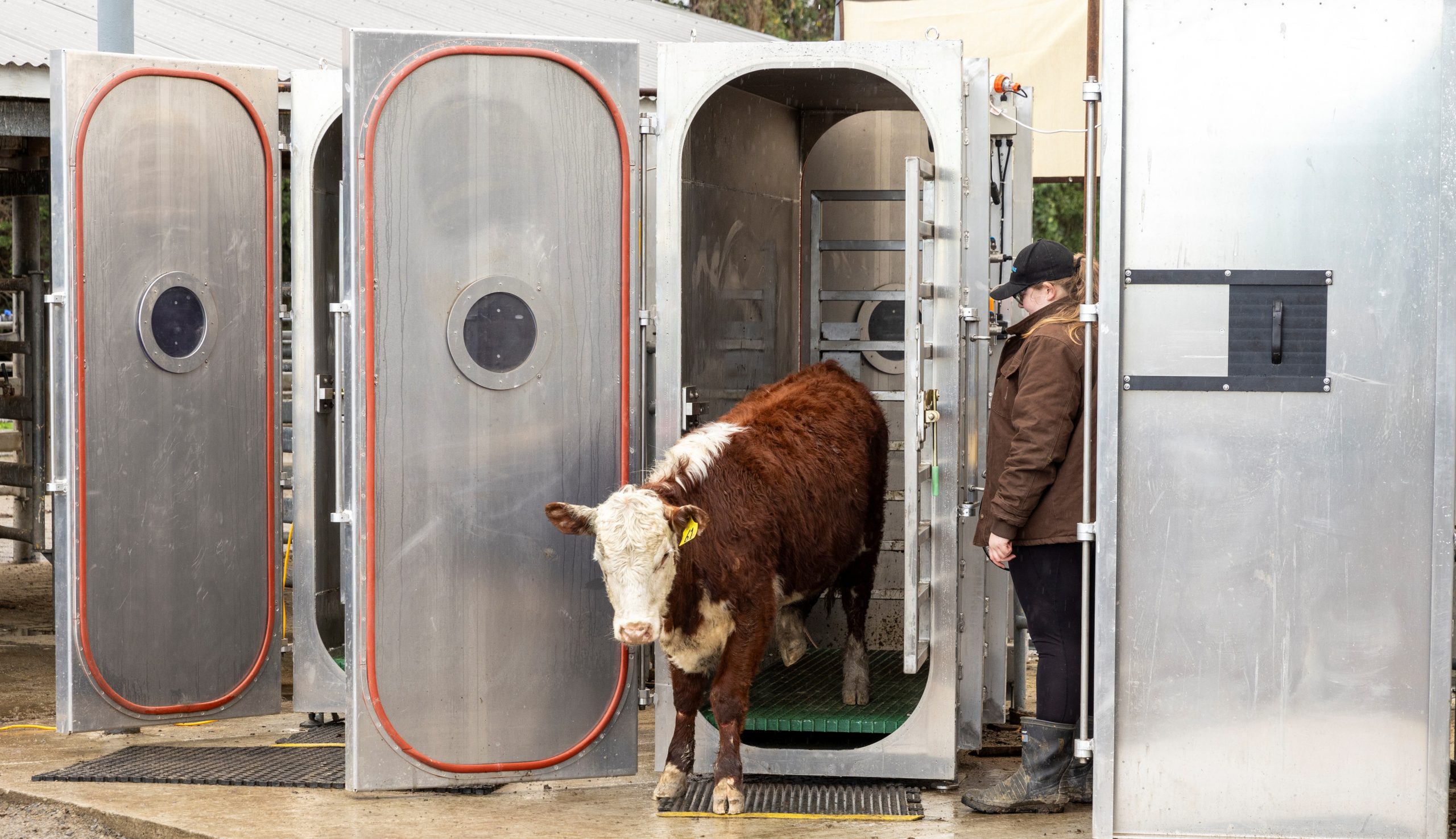
A four-year Cool Beef programme that aims to identify cattle that use feed more efficiently and produce less methane while remaining productive and profitable is underway.
Cool Beef replicates the successful Cool Sheep programme which pioneered methane emission genetics. It uses feed-use efficiency measurements to identify animals that are genetically able to use feed more efficiently while producing fewer methane emissions than their herd mates.
Methane is a source of energy wastage, so the Cool Beef programme aims to better understand whether it is possible to produce animals that are better for the planet while being more productive and efficient.
“Methane emissions and Feed Conversion Efficiency will not be measured in isolation of other productive traits.” – Gemma Payne, Beef + Lamb New Zealand Genetics
The Cool Beef programme, which is a partnership between Beef + Lamb New Zealand, the Ag Emissions Centre and Bioeconomy Science Institute’s AgResearch Group, seeks to better understand the relationship between feed intake and methane production and whether that relationship changes as the animal matures.
Gemma Payne, Beef + Lamb New Zealand Genetic’s Portfolio Manager, Genetics Research Programmes, says over the course of the four-year programme they will collect 3000 methane measures from 2000 beef cattle using Portable Accumulation Chambers (PAC). The majority of which will be heifers. Around 500 steers and bulls will also undergo the measurements.
Around 600 of the 2000 animals will be tested straight off pasture before going onto Feed Conversion Efficiency (FCE) testing. The balance will go through the FCE tests before going into the chambers. 400 of those 600 heifers will have their measurements repeated after they enter the cow herd.
Gemma stresses that methane emissions and Feed Conversion Efficiency will not be measured in isolation of other productive traits, and scientists will also look at how these traits relate to other productivity traits, such as growth. “Through this programme we are hoping to build evaluations which enable us to improve these traits and understand whether selecting these traits has positive or detrimental consequences on other traits.”
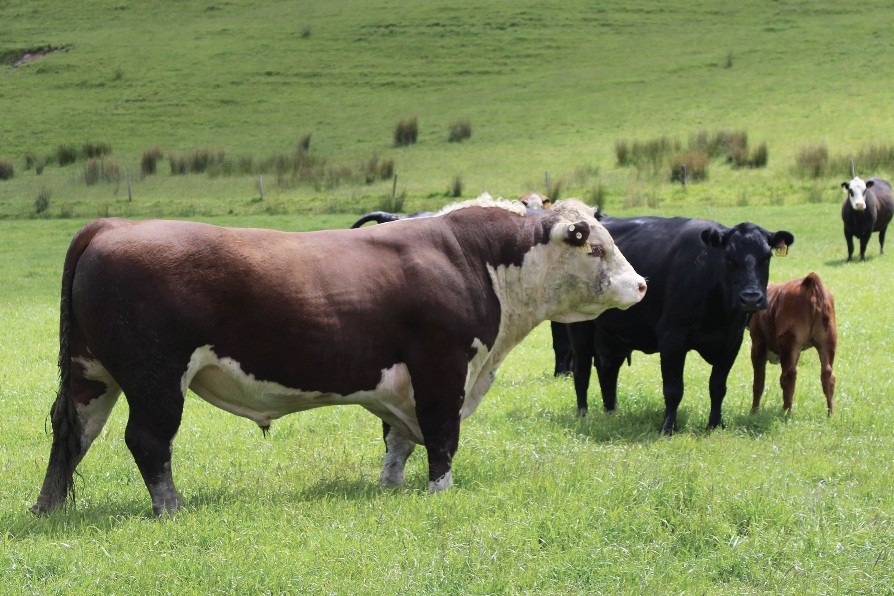
This initial research will focus on Angus and Hereford as they represent the majority of beef cows in NZ.
She says this work builds on the work already underway through the Informing New Zealand Beef programme, with some of the INZB programme’s Beef Progeny Test animals having already been tested for FCE and methane emissions.