How to save on your vet bill
A bit of money spent on a conversation with your vet can save you more than you might think - don’t look at what free giveaways you get and forget about the free ham for Christmas, look at how you can use necessary products most effectively. Words Sara Sutherland
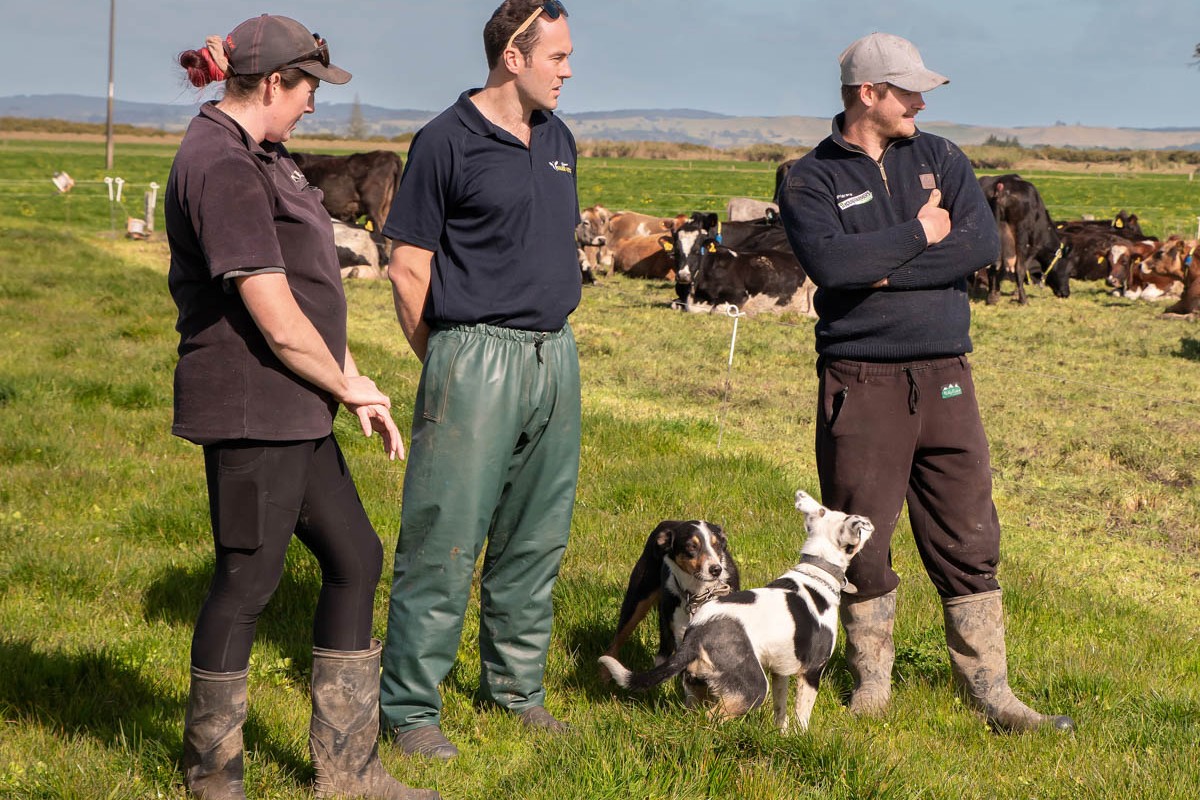
In a season of high costs and low prices, farmers across the country are scratching their heads trying to work out where they can spend less money to get through this year and animal health costs are high on the list of things being closely scrutinised. When you’re trying to work out where you can spend less money on animal health, your vet is the best person to talk to.
There is a popular assumption among some older farmers that vets are a cost and you shouldn’t ring the vet unless you have tried everything else first. My dad was probably the worst. I rang home to my mom and dad on our farm in Québec, Canada after my first day of vet school, excited to share that I’d finally achieved the first step to my lifelong dream of becoming a vet. Dad answered with “have they taught you how to charge exorbitant prices for doing very little yet?”. Those words ring in my head with every conversation with a farmer. Note that when my dad said that, there was a scheme in Quebec that subsidised vet fees, so he never had to pay more than $50 for vet time!
More progressive farmers see their vet as a partner in their farm business. Your vet is there to help you achieve your animal health and welfare goals. They shouldn’t sell you any product or give any treatment without discussing the cost and benefit with you first. The decisions you make around animal health are your decisions, your vet is there to provide you with the best information, so you to make the best decision for your farm.
Drench
Talk to your vet about your parasite management plan. We almost always recommend doing less drenching but more targeted, effective drenching. This saves money on drenches, while also helping you avoid costly drench resistance down the line.
Are you spending twice the money on a pour-on cattle drench instead of an oral, even though we know that pour-on drenches are less effective? Are you still spending money drenching adult ewes, or adult cows, even though they are fat? Can you target drenching to those animals most likely to benefit? What other farm management systems changes can you make to optimise growth rates and reduce the need to drench? Are you monitoring worm egg counts enough to know what is going on?
Vaccines
Similarly with vaccines – are you wasting money by giving just a single shot of a vaccine and not following it up with a booster? Have a vet go over your animal health plan and discuss the cost benefit of each intervention. Some of these are simple – clostridial vaccination for example, 40 cents to prevent sudden death of your fattest, fastest growing lambs just before they go to the works. Others need a bit of discussion of the cost benefits. How many animals do you need to lose to pay for the cost of the vaccine? What if the outbreak happens during mating?
Beware the snake oil salesman. Tonics, vinegars, special blends with 20 or more different minerals and vitamins – this may not be the year to say “well it’s not cheap but it won’t do any harm”. Find out whether your animals are deficient in a specific mineral or vitamin and only supplement if they are. Talk to your vet about what you can test for.
Insurance
Look at your insurance carefully. Will your working dog insurance cover treating an injury, or only cover death? Think about how much your mainstay huntaway will cost to replace if they break a leg jumping off the motorbike (it happens!). Will your insurance pay out the value you paid for a stud bull that can’t successfully mate cows, or only the works value? And one I’ve seen recently, will your insurance pay for a vet to stitch up your horse when it bashes through a fence but not cover the cost of mileage for the vet to get there?
Remember the Basics
Do a feed budget, nutrition is 80% of health. Pay attention to the basics of stockmanship, like mustering early and late in the day to avoid the heat and reduce pneumonia.