Beef with a side of strawberries
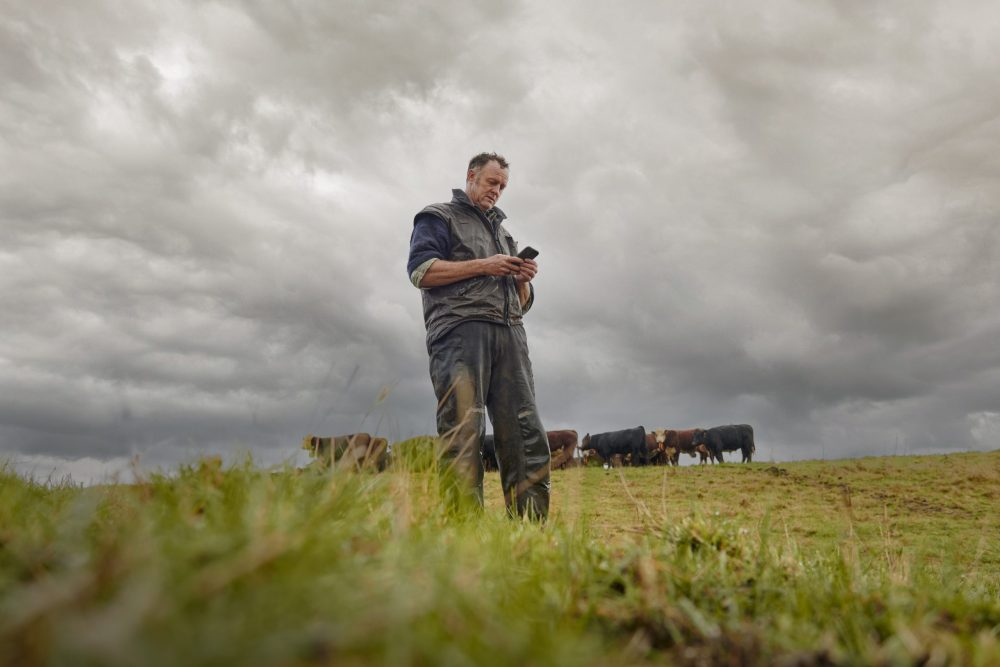
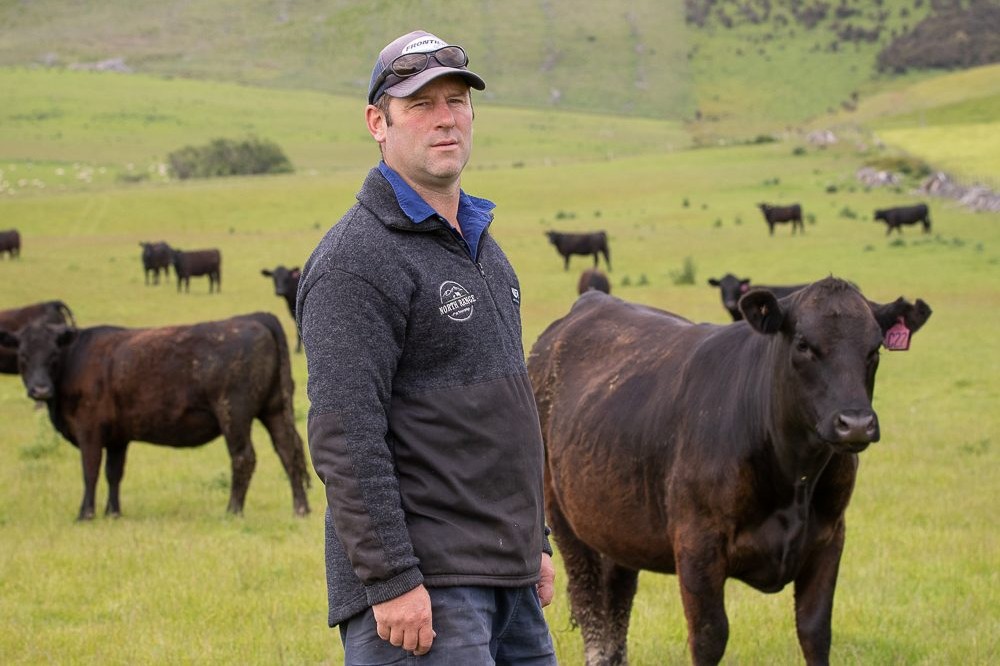
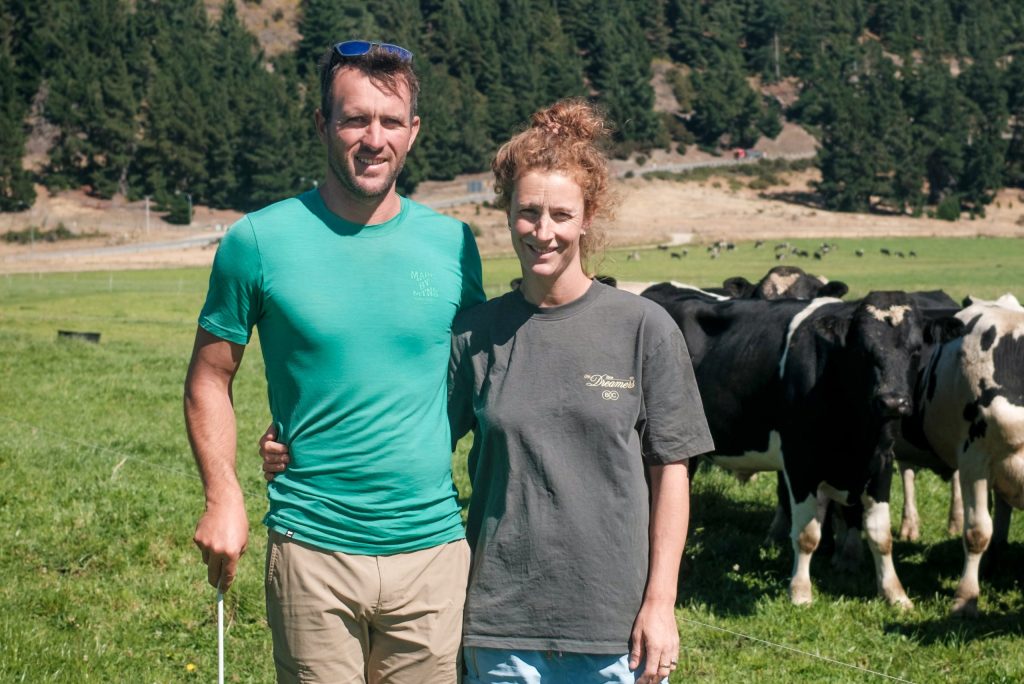
Central Otago couple, Ben and Rebecca Trotter, have set up an intensive bull beef finishing operation along with a commercial strawberry enterprise on the outskirts of Wānaka. It is a busy, diverse and highly productive and rewarding farming business making the best use of their land and skills. Words Sandra Taylor, Photos Elle Perriam.
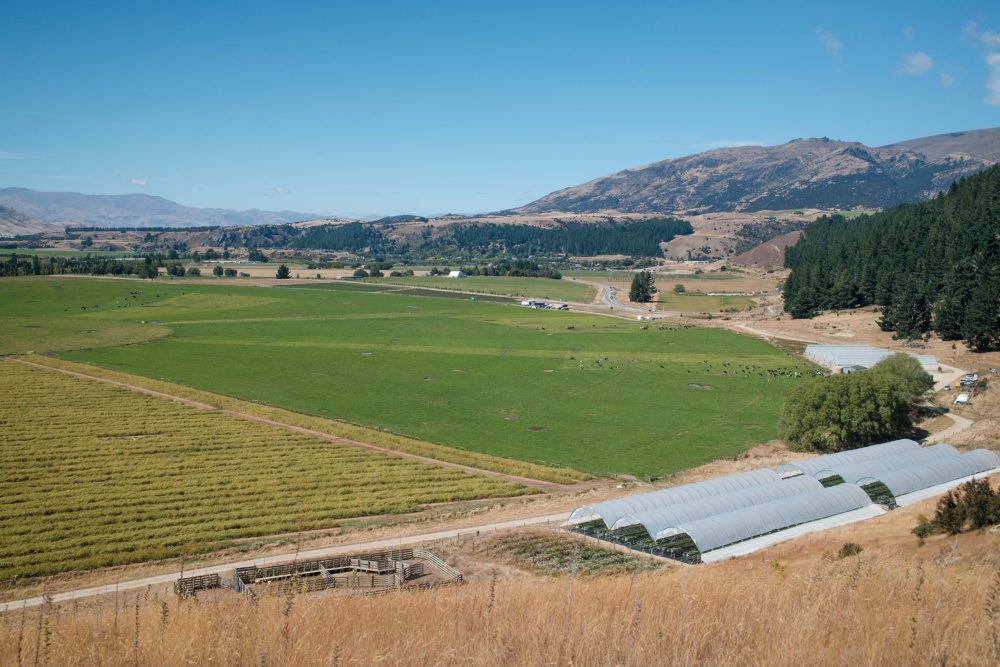
Central Otago isn’t a region typically associated with intensive bull beef production, but Ben and Rebecca Trotter are showing that it can be done – and done well. The couple farm 200 ha at Luggate on the outskirts of Wānaka and have set-up an intensive, cell-based bull finishing system along with 7 ha of strawberries as another income stream.
Ben, a former Agricom agronomist, and Rebecca, bought the land in 2018 in an equity partnership with Ben’s parents. Prior to that, they were based in the Waikato and had seen how well intensive bull beef systems can work on relatively small areas of land. They could see no reason why it wouldn’t work in Central Otago and have set up a system that Ben describes as being simple and backed by science, although he stresses the importance of doing the basics well. The farm has 100 ha of irrigated flats and 100 ha of dryland alluvial terraces upon which they grow around 70 ha of lucerne.
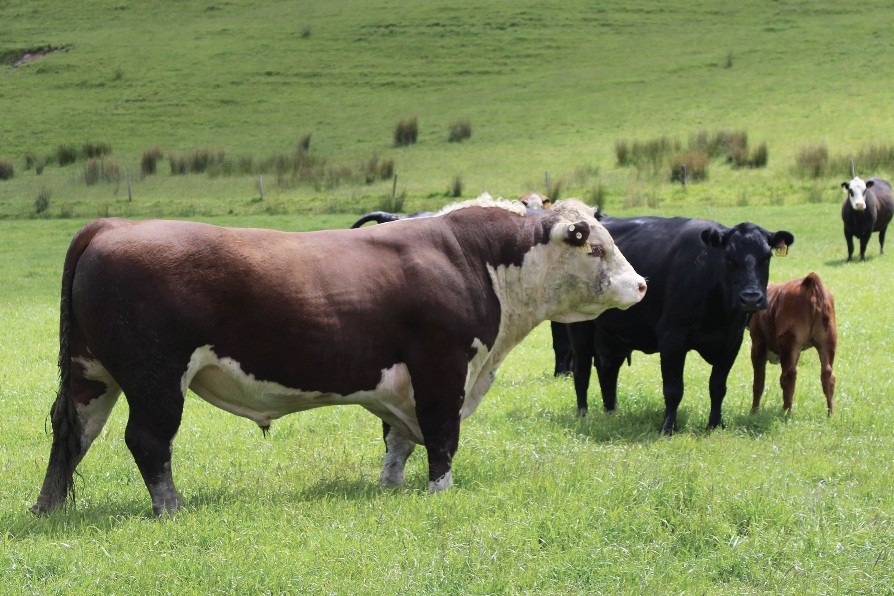
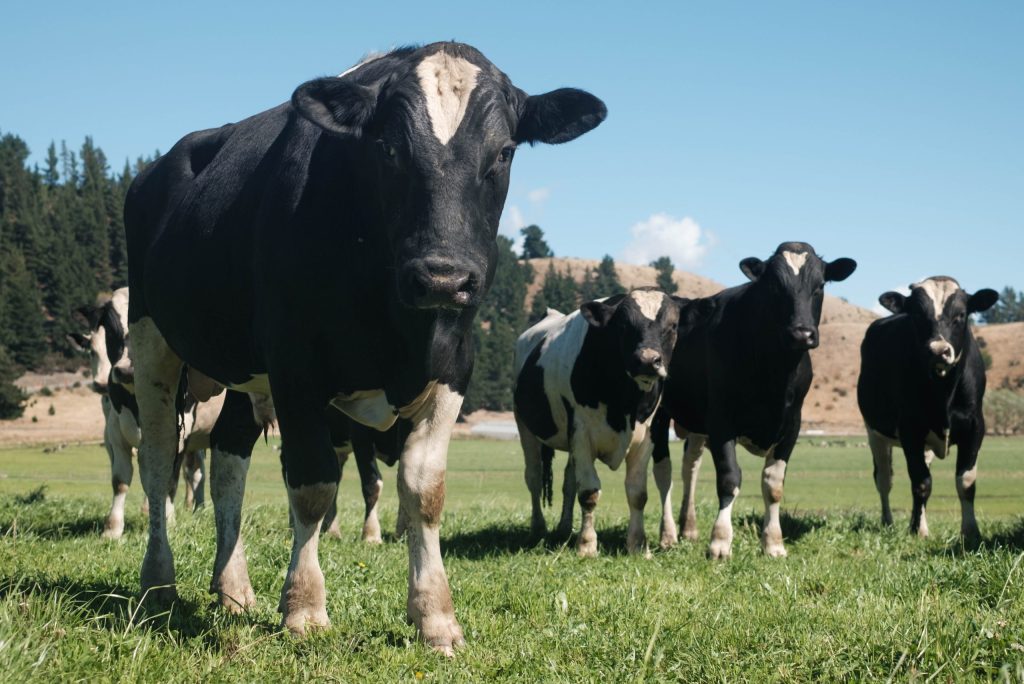
Every year the couple source about 500 friesian bull calves from dairy farms in South Canterbury and North Otago. They want these calves to weigh 100 kg by 10 November. When they arrive, the calves spend around six weeks on late spring ryegrass and clover pasture before being run onto the lucerne. The lucerne fits their climate and system perfectly. Because of Central Otago’s heat, even under irrigation, ryegrass production can vary by plus or minus 10 percent, therefore they need a heat and drought-tolerant forage to keep the calves growing while they are finishing their rising-two-year (R2) bulls.
“The dry conditions wilt the lucerne sufficiently to prevent any animal health issues, although they are careful with their management, particularly after a shower of rain when they get short, leafy re-growth,” says Ben. This means ensuring the calves are healthy and have a full stomach before being moved onto new breaks.
From mid-May, the calves are transitioned onto their winter forage crop and this year it will be 40 ha of kale. “We previously grew 15 ha of fodder beet on our irrigated ground, which has also worked well, but because of our crop rotations we have gone with dryland kale this season.”
They are also very aware of the visual perception of intensive winter grazing, particularly as they are on a busy main road leading into a tourist resort town. Winter forage crops are supplemented with protein-rich lucerne silage, as Ben and Rebecca need their calves to be growing at 700-800 grams/day every day throughout winter.
This consistent growth rate ensures they are finished prime by the following autumn. Ben admits this can be a challenge, particularly when Wānaka’s infamous inversion layer makes it cold, grey and miserable for people and livestock.
The couple budget on a 120-day winter, so the calves stay on the crop until mid to late August. In early spring, the couple set up a cell grazing system based on 0.5 ha cells and the yearlings stay in this system until they are finished to a target 270 kg carcase weight (CW).
Growth doesn’t come away until late September, Ben says, and while the yearlings are on autumn-saved pasture, feed can be tight in that early spring period. He feels it is important to have a war chest of either supplementary feed (which is what Ben and Rebecca have in the form of lucerne silage) or nitrogen (N), to ensure the yearlings continue to grow over that pinch period.
Once the grass does come away in spring, the bulls are growing at up to 1.5 kg/day on the ryegrass and clover pastures. Ben believes regular shifts and a bull-proof water system are the keys to a successful intensive bull beef operation. The bulls, which are run in mobs of 40, are shifted every two to three days and this is what drives their per hectare production and profitability. “It’s about growing as much drymatter as possible, which drives stocking rates and margins,” says Ben.
Rather than focusing on per head performance, they have chosen to focus on per hectare performance. This means they are carrying more bulls and growing them as well as they can, rather than growing a fewer number of bulls to heavier weights. This higher stocking rate means they are driving pasture production and utilisation through intensive rotational grazing.
Ben says FARMAX modelling has shown that they are growing around 16 t DM/ha/year and they are working to fully utilise every mouthful. “We have good soils and good land, so our system suits getting the bulls finished before their second winter.”
Water is also very important, and Ben has found the Kiwitech 100 L portable water troughs to be ideal. They are bull proof and are easily moved and plumbed into their main trough system.
Mob rule
When the bull calves arrive on the farm, they are run in big mobs. In winter, they’re put into mobs of 120 and in spring they are split three ways into mobs of 40 for finishing. They will send the first bulls away prime to ANZCO in January and usually have them all finished by April, which is when they dismantle the cells. Occasionally, they may carry a very small number through winter.
Ben admits moving bulls every second day can be monotonous, but he believes to make these intensive finishing systems work, it is important to be methodical and to have a plan and stick to it. “Trust the system – but make sure you have a war chest just in case things don’t go to plan.”
Ben says they are diligent about applying fertiliser, with a focus on nutrients to support the legumes, but he says that their cell-grazing system does mean that N from urine is evenly spread so they don’t get a standout response to N applications.
Animal health
Their single-species intensive grazing system does mean that internal parasites can be a challenge, particularly in autumn. They manage this by being very diligent with their grazing practices which includes ensuring calves aren’t repeatedly grazing the same areas. They are always monitoring their bulls and will drench as required.
The lucerne is also a great circuit breaker for internal parasites as lucerne stands are cut for silage as well as grazed. Ben says selenium is important and they include selenium in their fertiliser as well as giving it as an injectable.
Salt, which is bought in 25 kg bags, is provided to the calves grazing lucerne and Ben says they devour it.
“It’s about growing as much drymatter as possible, which drives stocking rates and margins” – Ben Trotter, Wānaka
Diversification
While Ben and Rebecca are now reaping the rewards of a strong beef market and a highly productive bull beef enterprise, it hasn’t always been the case. After buying the farm in 2018, they had some tough years, which meant both Ben and Rebecca had to work off-farm to supplement a lean income from the farm.
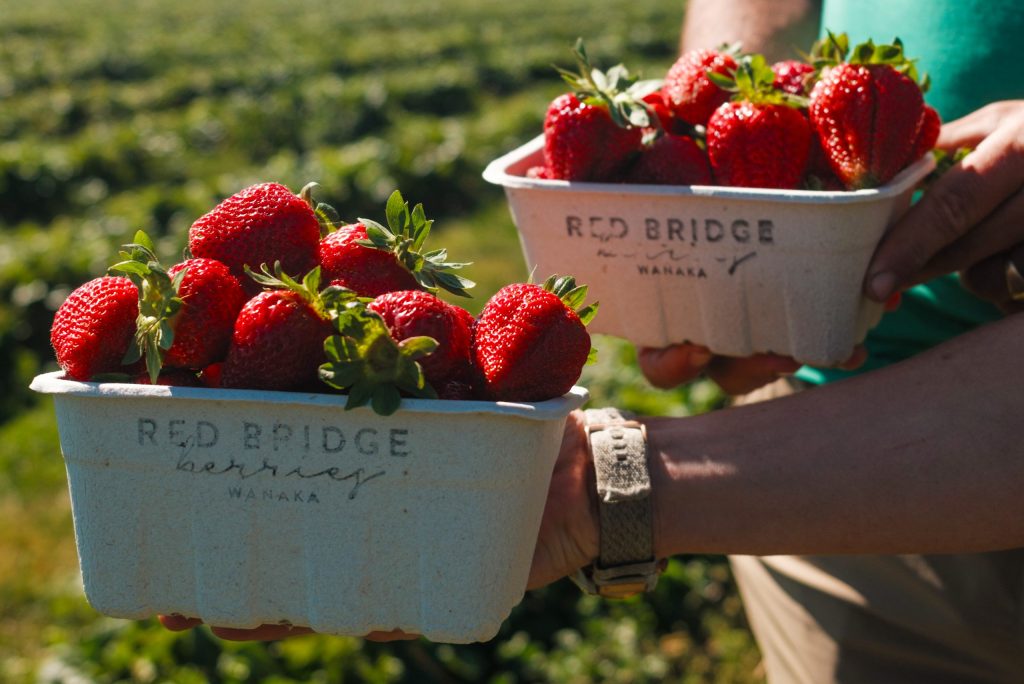
The idea of diversifying into strawberries as an alternative income stream came about simply because picking strawberries was something that the couple enjoyed at weekends when living in the Waikato.
Ben says the strawberries have grown surprisingly well and while they produce later than would be expected in traditional strawberry growing regions, they also don’t experience any disease pressure due to Central Otago’s low humidity and sunny days. This means the quality of the fruit is excellent. The strawberries are sold locally as well as to tourists who enjoy the “pick your own” experience.
Ben says many restaurants in Wānaka, Queenstown and Arrowtown are keen to feature locally grown seasonal produce, so the strawberries are a perfect fit.
To add to their workload, the couple have four children ranging in ages from six to one. It is a busy household, and the bull beef system is unrelenting in that every class of stock is a priority and the bulls need to be shifted every two to three days – no exceptions.
Ben says he is very grateful to their team in the horticulture business and both his and Rebecca’s parents, who have supported them from the start and are always willing to give the family a break away from the day to day on the farm.
But for a relatively small, one-man-band farm, it is punching well above its weight in terms of productivity and profitability, and for Ben, it is all about doing the basics well.