A recipe for heifer mating success
At Glenaray Station, planning is the key to successfully mating yearling heifers. Having implemented the practice on three properties he has managed, General Manager, Simon Lee, knows exactly what it takes to ensure heifers calve without issues and get back in calf at their second mating. Words Sandra Taylor. Photos Stan McDowall.
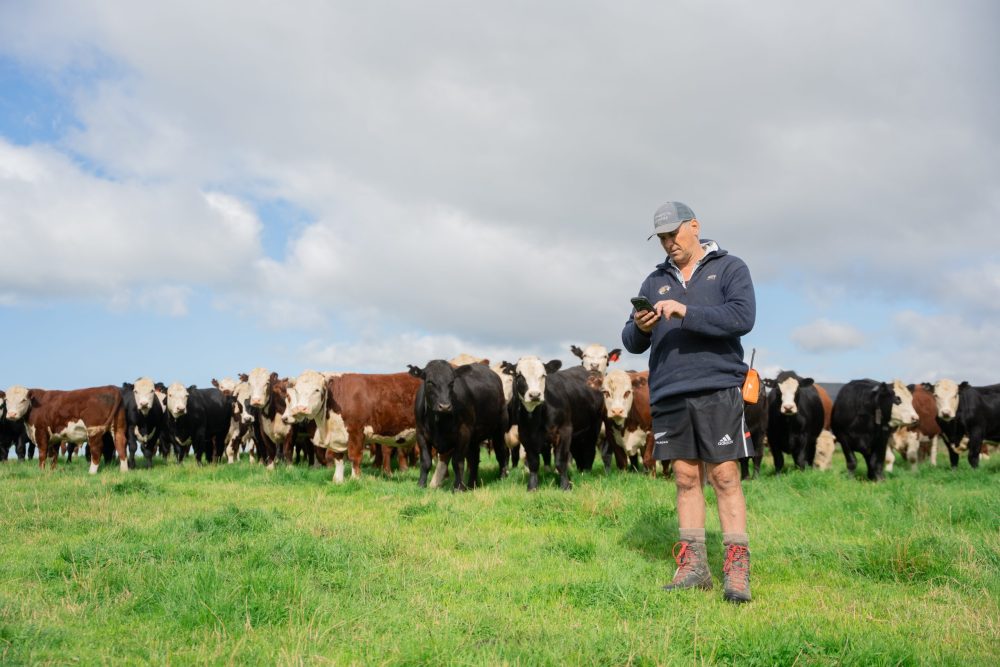
When it comes to successfully mating yearling heifers, Simon Lee is the voice of experience. He has implemented the practice on three properties he has managed, the most recent being on Southland’s Glenaray Station where he has gradually built up the number of yearling heifers being mated over three years from zero to more than 500.
Prior to taking on the General Manager’s role at Glenaray, Simon managed Mendip Hills in North Canterbury for 18 years. During his tenure, the hill country farm was one of the hosts of Beef + Lamb New Zealand’s (B+LNZ) Beef Progeny Test. He says planning, feeding, a robust animal health programme and the right genetics are the critical factors in a successful heifer mating programme. “It’s all about planning and systems, if you have the culture right you can do anything.”
“Body Condition Score of heifers at re-mating is the biggest determinant of success. Since implementing the practice, we have achieved an in-calf rate of 92% in our yearling heifers and 94-96% in their second mating.” – Simon Lee, Glenaray Station
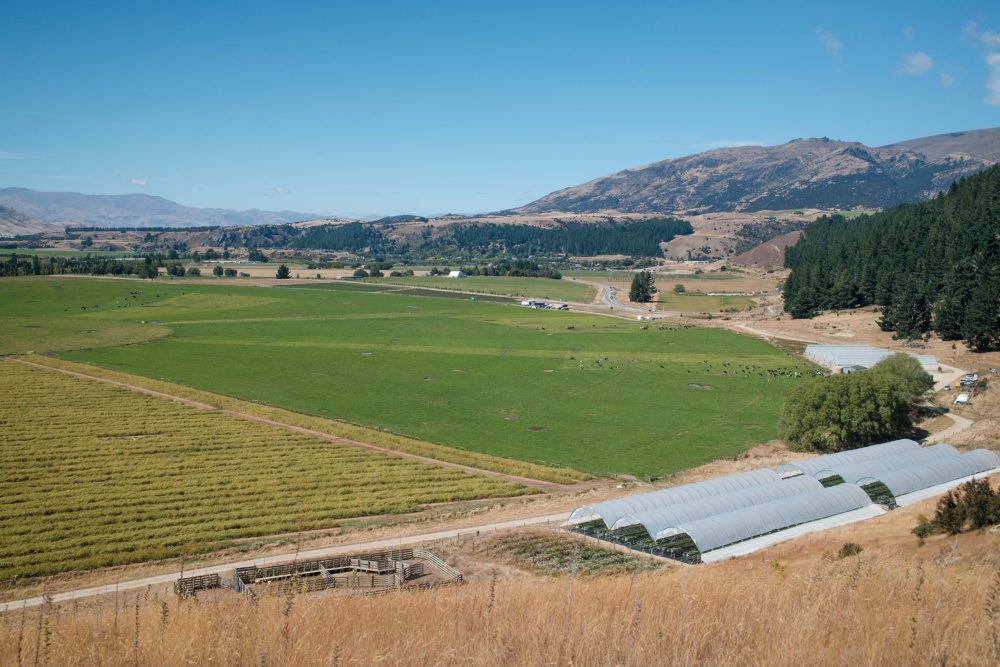
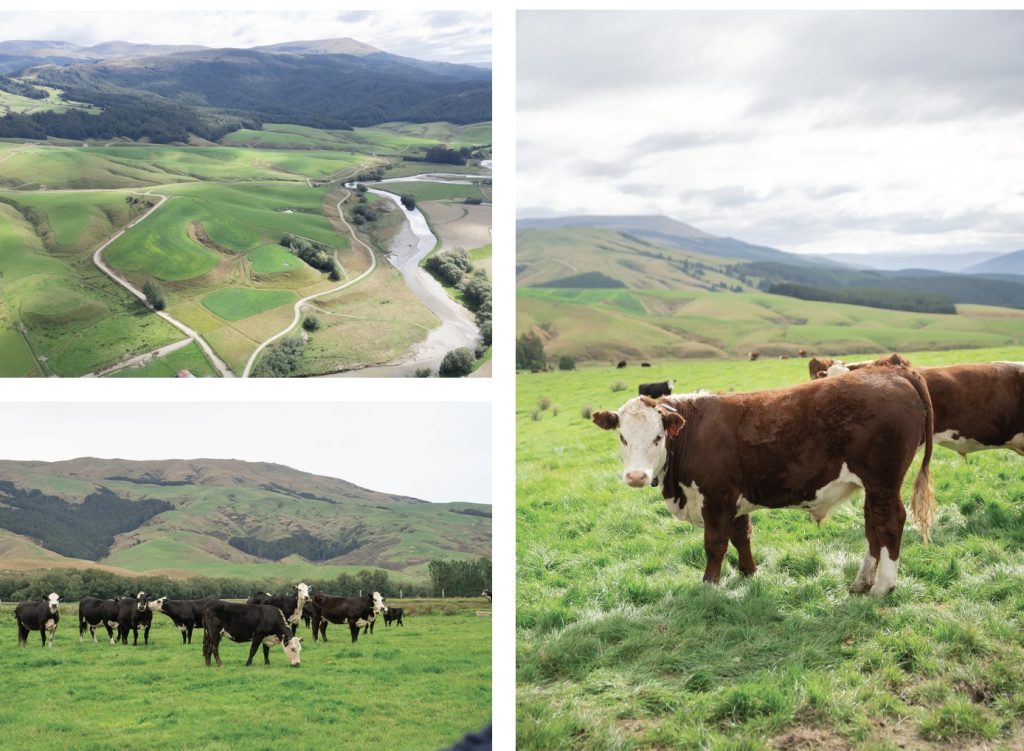
Simon has managed the 71,000 ha Glenaray Station for four years and implemented a policy of mating yearling heifers soon after taking up the reins, but it was a matter of gradually building up the number of heifers they were mating every year. In his first year they mated 248 yearling heifers, the second year they increased the number to 470 and in year three 540 yearlings went to the Angus bull. “If we weren’t calving heifers, that would be over 500 less progeny born in spring, so it’s a big opportunity – but you can’t let it fail.”
To ensure they don’t fail, Simon says they have timelines to provide adequate pasture covers for calving heifers and are diligent about feed planning. Their planning starts back at weaning, when Simon says they go through 1200 heifer calves, assessing their phenotype and temperament. “It takes all day, but it’s so worthwhile doing.”
They whittle their replacements down to 540 heifers which are put to a yearling Angus bull weighing 340-350 kg. Simon says a robust animal health programme is also vital for a successful heifer mating programme and for him, the non-negotiables are treatments for copper, leptospirosis, BVD and selenium. He believes the impact of leptospirosis is often under-rated in breeding cow herds, especially on hill country where wild deer are present.
Simon, who has a philosophy of feeding stock as well as possible all year round, says it is the Body Condition Score (BCS) of heifers at re-mating that is the biggest determinant of success. Since implementing the practice, they have achieved an in-calf rate of 92% in their yearling heifers and 94-96% in their second mating. “By feeding the way we do, we get better conception rates in our heifers than we do in the mixed-age cows, although the cows are on harder country.”
Once in-calf, the heifers are run on easy rolling country and are then calved behind a wire. Simon says the heifers are calving at the same time they are lambing 35,500 ewes on paddock country. To ensure all stock classes get the care they need, they have one person dedicated to looking after the calving heifers and 14 staff on a six-week, eight days on and three-off roster looking after the lambing ewes.
Selecting sires for heifer calving
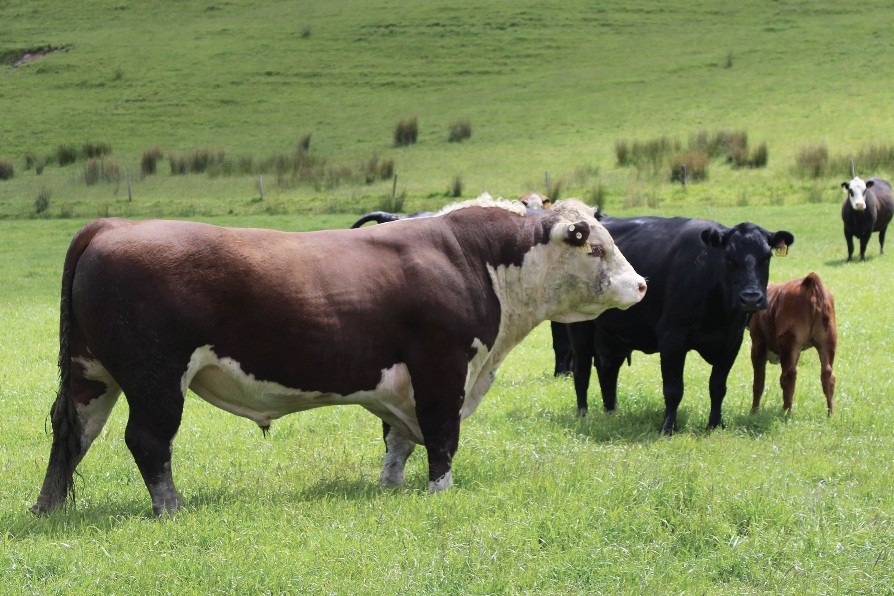
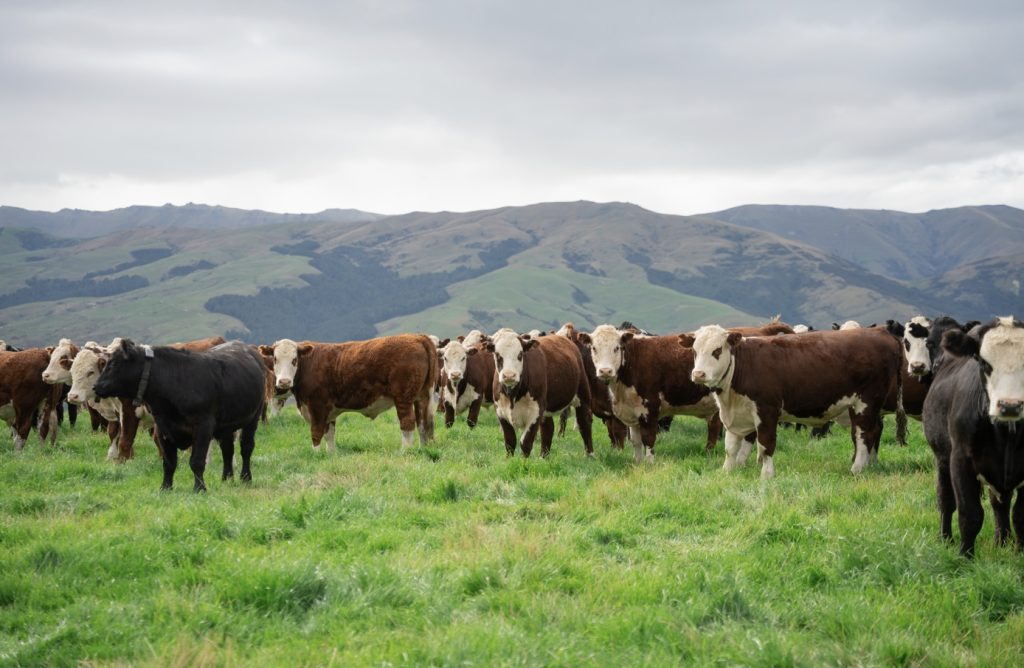
Simon selects yearling Angus bulls for heifer mating, particularly focusing on their Estimated Breeding Values (EBVs) for calving ease. The bulls are run with heifers at a ratio of 1:24 or 25 for two cycles. The heifers are run in mobs of 80-100 over mating and the bulls are swapped around after each cycle.
None of the resulting heifer calves are retained, so these bulls are used as terminal sires. “The heifer’s heifers are not retained, they all become trading heifers. I’m just after a live calf.”
Body Condition Scoring
Simon recently teamed up with Amy Hoogenboom, Zoetis’s Genetics Area Manager – Beef and Vet, to deliver B+LNZ’s Heifer Mating Workshops, outlining the critical factors in a successful heifer mating programme.
Amy says weight at mating is the number one factor that determines the success of a heifer mating programme and the minimum mating weight should be 60% of the mature cow weight. “Weight is one of the most significant factors influencing when a heifer reaches puberty and begins to cycle.” Although weight at puberty and weight at mating are not the same thing. She refutes the 300 kg number that is often used when it comes to minimum heifer mating weights. “It is too light, most modern cow herds average more than 500 kg mature weight, go for the 60% of the mature cow weight, not just a round figure. The industry benchmark for a critical mating weight should be closer to 330-340 kg.”
Heifers at that critical weight are more likely to conceive in the first cycle and their calves are likely to be heavier as a result of this. They are also more likely to have success at their second mating.
When re-breeding, after their first calving, heifers need to be at 80% of mature cow weight, or, a Body Condition Score of 6-7 at mating; that is, they need to be a BCS 6-7 at the beginning of mating not rising to this condition during mating. But Amy says research by both B+LNZ and others shows there is no advantage to a female’s fertility when she has a BCS greater than 7.
Nutrition
Amy says the three key factors that contribute to animal performance are genetics, feed (nutrition management) and animal health. When yearling heifers calve as two-year-olds, their energy demand is greater than that of mixed-age cows.
This is because they are still growing while feeding a calf and then need to get back in-calf at their second mating.
Amy points out that at certain times of the year grass will have a high water content and during these times, cows might need hay to slow the gut transition time and make nutrients more available.
“Weight is one of the most significant factors influencing when a heifer reaches puberty and begins to cycle.” – Amy Hoogenboom, Zoetis Genetics
Animal health
Reiterating Simon’s comments, Amy stressed the importance of ensuring heifers have adequate levels of trace elements, particularly selenium and copper, and knowing whether the products used are short or long acting. Other treatments include vaccinations to protect heifers against BVD and leptospirosis and treatments for internal parasites and lice. Bulls should be service tested every year and well looked after, particularly in the lead-up to mating.
Genetics
While genetics is an important part of the animal performance equation, Amy says genetics cannot out-smart poor management. “Nutrition and animal health need to be ticked off before using genetics to improve on-farm performance.”
Culling heifers that don’t breed and cows that don’t re-breed thereafter is the best way to improve fertility in herds, rather than only relying on the current EBVs that are reported as fertility traits.
When selecting bulls to use across yearlings, Amy says it is a matter of balancing the EBVs for birthweight and calving ease with other traits that are important, for example, carcase weight. Positive EBVs for calving ease should be non-negotiable, but it does not need to be at the extreme end of the range. Both birthweight and calving ease are important considerations when selecting heifer mating bulls, birthweight is of a moderate heritability, while calving ease is slightly less heritable.
While yearling bulls tend to be lower cost than two-year-olds, Amy says if farmers can buy a yearling bull that also meets the criteria for use across mixed-age cows, then that reduces the cost of the bull. “The more seasons you get out of a bull, the less cost per calf.”