A mismatch on the hills
For decades hill country sheep farmers have just accepted that dagging, treating for flystrike and drenching for worms is a part of successful farming, vet Trevor Cook writes.

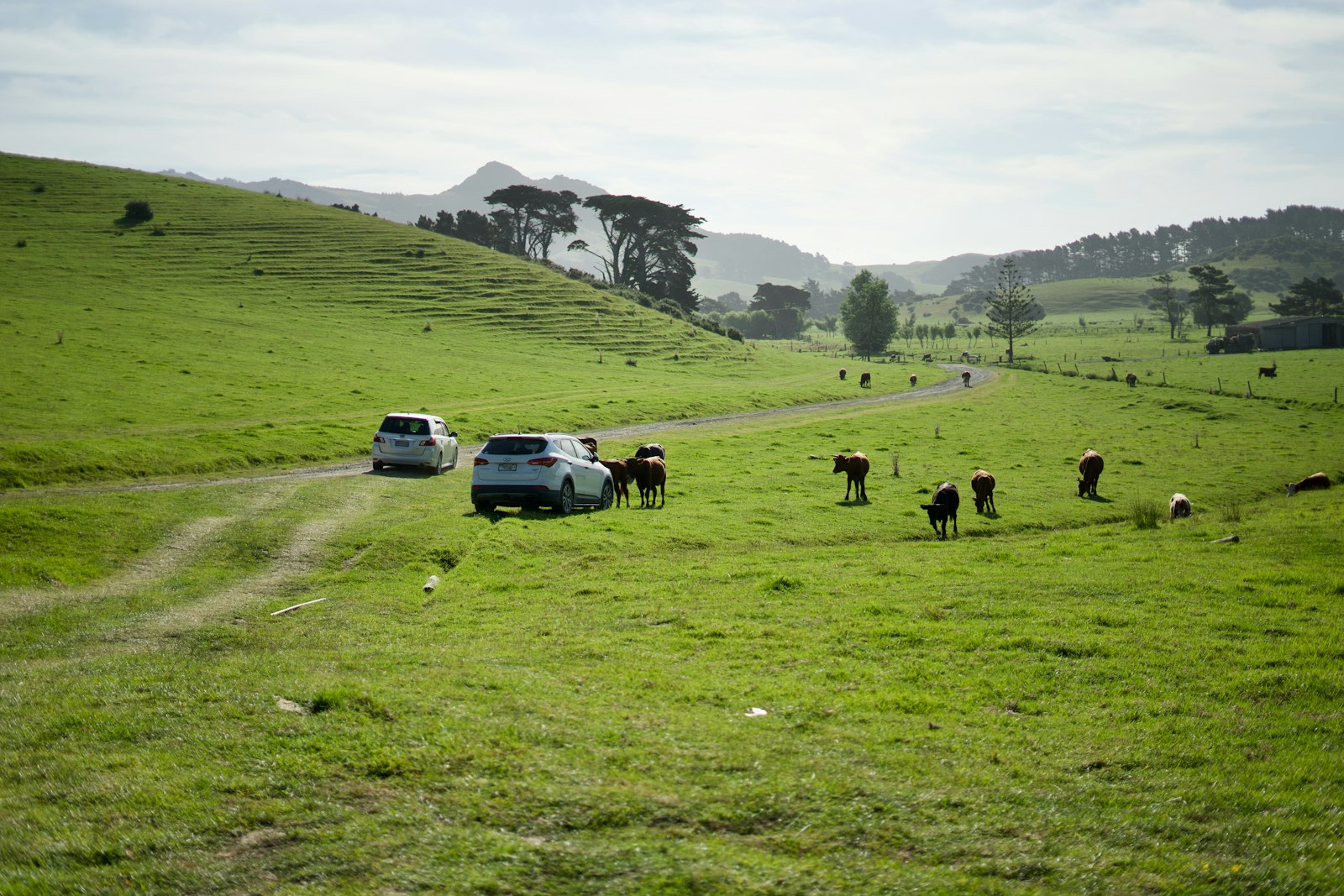
I sat on the back of a quad on the East Coast late 2023 looking at the damage caused by a series of heavy rain events. Even relatively small rain events were causing rivers to overflow and land to slip.
A very demoralising situation. But what dawned on me was the mismatch between the environment and the animals grazing on it. The sheep just did not fit. Dags, flystrike and worms were going to be a constant challenge. Nothing new in this but the animals did not fit.
The wild goats fitted very well into that environment being bothered by very little. We know from the past that these put into a farmed environment did not fit. Why have we tolerated having animals not suited to the environment we have?
We have been trapped by a system that has existed for more than 50 years just accepting that dagging, treating for flystrike and drenching for worms is a part of successful farming.
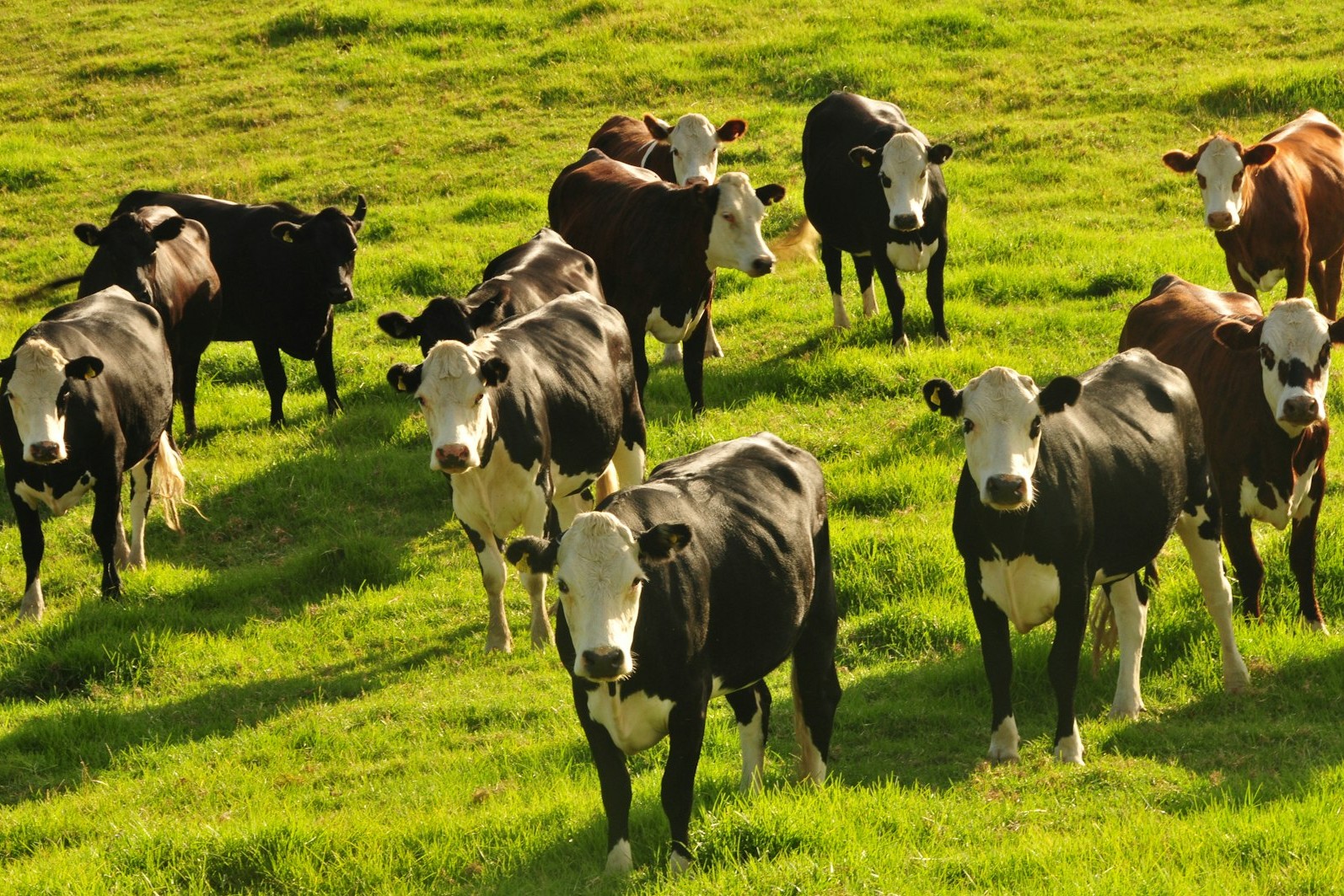
It is no longer part of successful farming for several reasons. Just the cost of doing these tasks takes a lot of profit from them. Having staff that will do these tasks is an ever-increasing hurdle. To cap it off, the products used to deal with flies and worms are failing rapidly. Cattle better fit our hill country farming environments, even deer.
It is almost a crossroads with our sheep. Low product prices this season have exaggerated this mismatch. To do all of this work to keep sheep alive and productive has a poor return. Even shearing has been problematic for many with a negative financial outcome just making it worse.
Little wonder that there is pressure on sheep breeders to deliver a lower-cost sheep and a dramatic move into shedding breeds. That move is so compelling that horrible-looking sheep are being tolerated. When historically so much selection has been based on looks, it is surprising how many are ignoring this.
These shedding sheep are conformationally weak and nowhere near as inherently productive as our long-selected coarse wool sheep. They are challenging the cost versus benefit equation.
In all of my discussion group forums, except for the Merino farmers, this topic comes up. For many of those Merino farmers that discussion should be occurring. That long overused word sustainability is being highlighted in so many ways. The discussion above is firmly in that camp.
Financially, many East Coast and northern farmers and beyond are on a knife edge. Environmental expectations could be crippling, but a sensible review of these will be welcomed. It is the time of the year when in those groups the financial outcome of the last financial year is put up for scrutiny. It is a forerunner of what the current year will deliver.
These accounts analysis sessions are at an Economic Farm Surplus (EFS) level, so the impact of the level of debt does not show up, but will be having a huge impact on some. But what has been the case for many years, the most profitable remain so. Consistency is a feature of the most profitable. It will be interesting next year if this still is the case.
The financial position is never as accessible with my northern hemisphere clients as it is here. When I visited them in November the chat was about the laid-out reduction in subsidies. Environmental-based subsidies will be available, but not to the level of existing ones. So just as here, discussions were about where to make more profit.
The easy one for many is to just use more pastures, which many have demonstrated. With so many farmers moving into pasture-based systems there is huge demand for New Zealand sheep genetics. Having a long background of being selected in outdoor systems and being 20+kg lighter they suit their change in farming systems. Even NZ terminal sires are in demand.
It is surprising that the Texel has changed so much in NZ since its arrival in the 1980s that it differs hugely from where it came from. In Denmark NZ Romney, Texel and Suffolk are highly sought-after and look very much at home. The mismatch discussed above does not seem quite the same there. Maybe cooler weather helps, but access to labour to deal with it is the same as here.
Extreme rainfalls have caused widespread damage there as well but without the accompanying message we get that we are paying the price for failing to run electric cars. Mindless tree planting, nevertheless, is rampant with scant regard to the productive land that is consuming. Discussions among farmers are not dissimilar to those occurring all over NZ. At least we have a Government that might listen.