A collective voice
The newly formed Aotearoa New Zealand Catchment Communities aims to give a collective voice to catchment groups across the country, with a goal of providing security of funding for the future, and sharing the good news stories of farmer stewardship of the land. Words Rebecca Greaves.
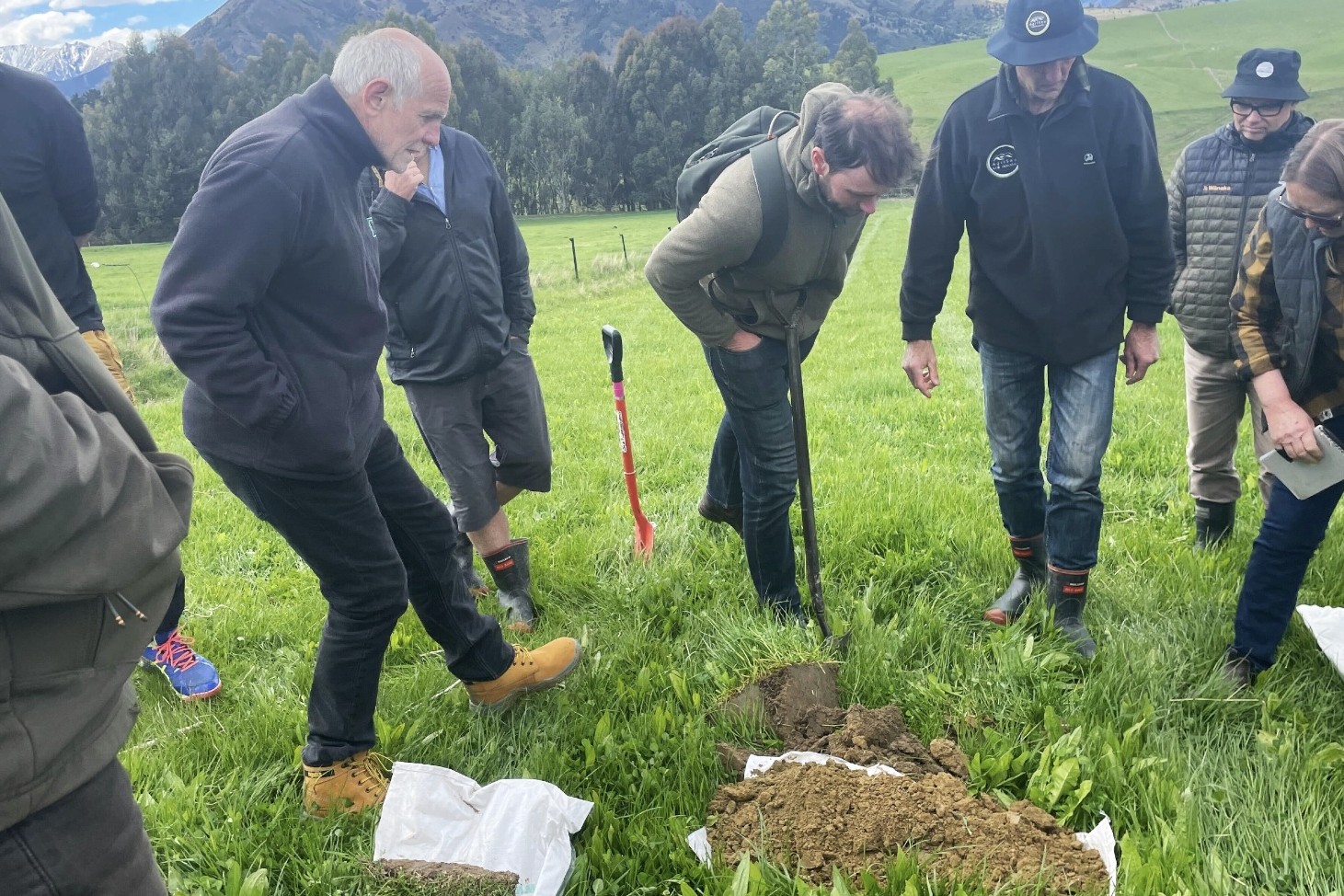
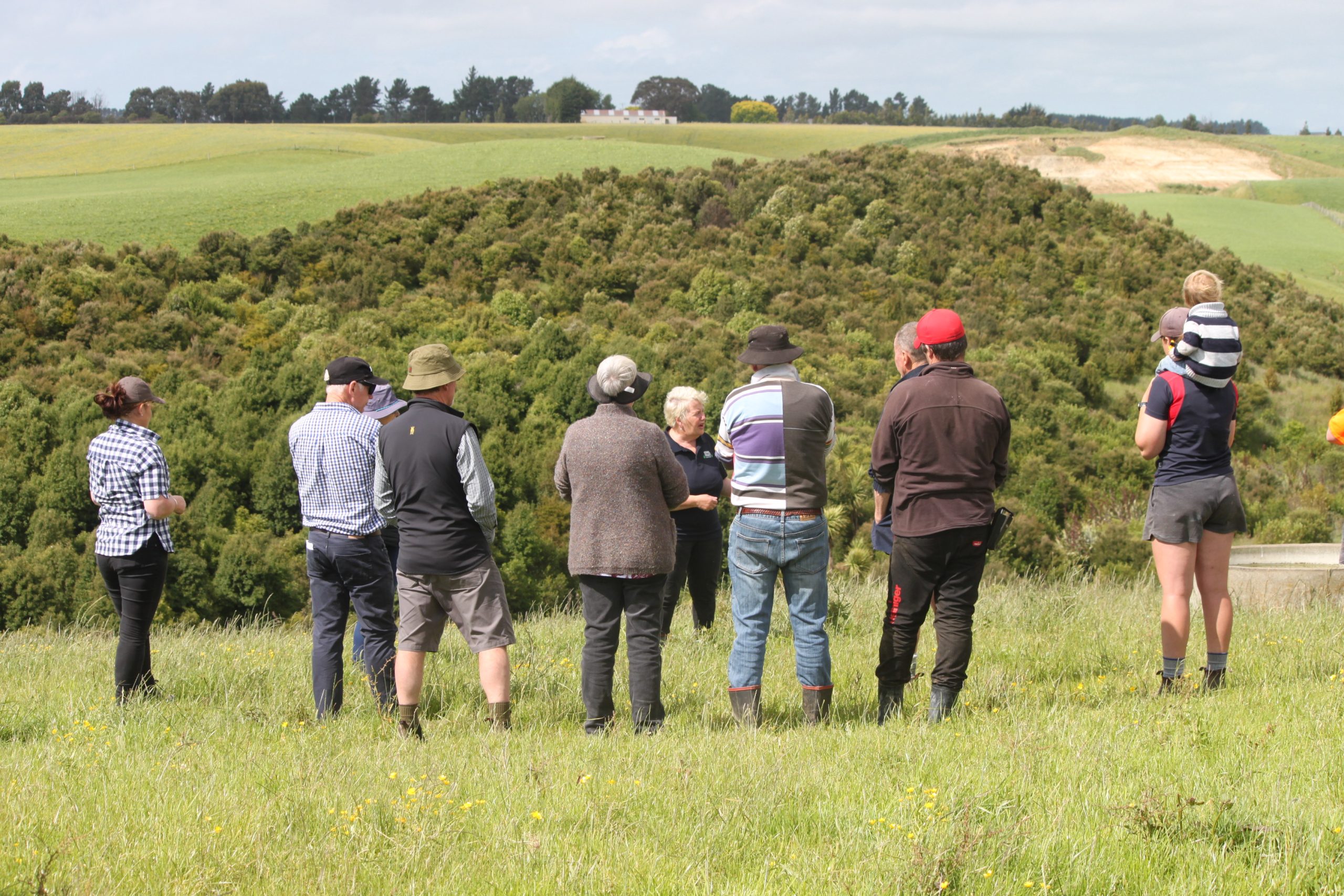
Catchment groups have sprung up across the country, with a common goal of bringing communities together to care for the environment. Ensuring their long-term success is critical to winning public trust in farmers as guardians of the land.
Aotearoa New Zealand Catchment Communities (ANZCC) Chairman, Ben Ensor, is a sheep and beef farmer at Cheviot, near Christchurch. He’s motivated by a desire to work with farmers to share the good work being done, and help them navigate an evolving landscape when it comes to regulation and climate challenges.
“That’s the ultimate way to address our critics,” Ben says. “New Zealand society trusts us to take care of the environment and do a good job. ANZCC is an extension of that.”
ANZCC began in November 2023 and formed an incorporated society in May 2024. “It came about when a group of us who had been involved in leading catchment groups across the country shared a similar concern that groups didn’t have a way of connecting to government and stakeholders about what was going on. Our purpose is to be a voice for New Zealand catchment groups.”
The group gained support from the Ministry for Primary Industries (MPI) and to date has 30 members, representing 212 catchment groups New Zealand-wide. The majority of members have come through word of mouth and their networks, but he stresses it’s an ‘all welcome’ organisation and encourages anyone interested to reach out.
“There’s no compulsion. Groups have joined because they think it adds value. There’s strength in numbers, so working together gives us a greater chance of success.”
Defining a catchment group is not an easy task, they all operate slightly differently, but they are essentially community groups with community governance and a primary focus on improving the environment, he says.
“The ultimate goal is to be better managers of the environment and that our fellow New Zealanders trust us that we’ve got this.” – Ben Ensor, ANZCC Chairman
Ben explains that while many catchment groups have been well supported so far with funding from MPI and the Ministry for the Environment (MfE), much of that funding has ended, or is set to end soon. The main driver for ANZCC is to engage with the government about how these groups are funded in the future, and how it might be done in a more consistent way.
“Groups need to know they have secure funding for the long term so they can retain staff and the intellectual property and knowledge built by catchment group co-ordinators over time. Losing key people would be very detrimental to the future work of those groups.
“The government sounds supportive and, hopefully, they will back that up with funding. It’s critical that the government puts some money in to keep groups going, to keep staff and knowledge. This will take the pressure off volunteers, so they have the time and energy to keep going and these roles don’t become too onerous.”
The other key goal of ANZCC is to help connect groups and share resources, avoiding duplication. They plan to do this by facilitating the strengthening of existing rural networks.
“Members have said they see us being the communicator, getting the work they are doing out to the wider public in New Zealand and other stakeholders, that’s a future project.”
For now, funding is the most pressing issue facing catchment groups. Without funding, the ability of groups to operate effectively will be significantly impacted, he says.
Ben’s personal involvement in this space began when he became the inaugural chairman of the Hurunui District Landcare Group. “The group was born as a response to some of the provisions in the Hurunui Waiau River Regional Plan, and it became evident there was increased environmental pressure on our farming businesses
and public expectation to change,”
he explains.
“My motivation was to work with farmers to show the good things they were already doing, and to help them understand what more they could do.”
Ben says there has been phenomenal growth in catchment groups across the country, which provides an amazing opportunity, if they are supported and encouraged, to bring more people on board.
“Catchment groups bring communities together and engage with people in a way no other mechanism can, that I have seen. We need to take this opportunity to empower them.
“The ultimate goal is to be better managers of the environment and that our fellow New Zealanders trust us that we’ve got this.”
He points to the good work done by groups, which have been able to pull together and mobilise their networks to help in tough circumstances, like Cyclone Gabrielle and after the Kaikōura earthquakes. “It’s not just about water quality, there are things like biodiversity, building landowners’ confidence to invest, and building community resilience and social bonds. These things can be hard to measure, but are very powerful.”
For Ben, success would look like the vast majority of the country having a catchment group covering their area, consistent long-term funding to keep them going, and the ability to measure and communicate the impact these groups have. “Ultimately, this means that society in general trusts us as land managers in this country. I don’t know how long that will take, but we’ll give it a nudge.”