Wool Classers call for industry action on animal welfare
The wool industry continues to reckon with footage released by animal rights group PETA late last year that captured several New Zealand shearing sheds in serious breach of animal welfare standards – workers standing on sheep’s necks, dragging animals across floors, and stitching wounds without pain relief. Words Sarah Perriam-Lampp
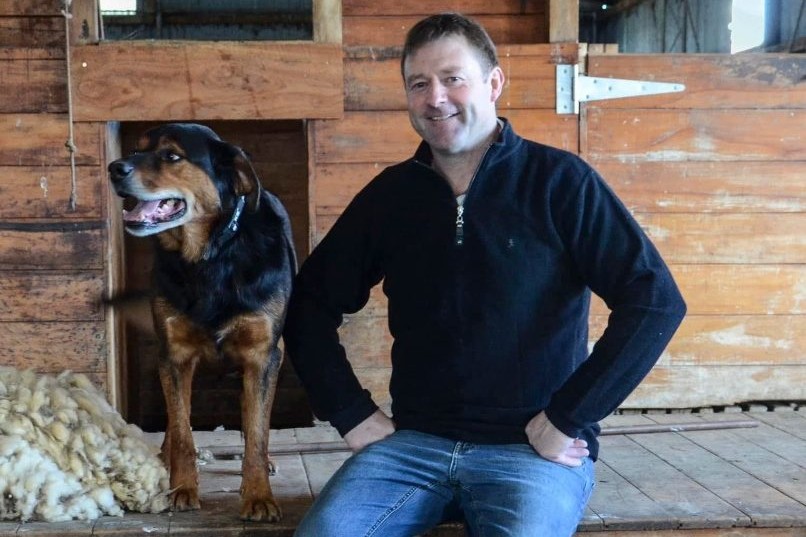
Animal welfare concerns took centre stage at the New Zealand Wool Classers Association (NZWCA) meeting in mid-May in Lincoln to address the seriousness of major wool buyers reconsidering supply relationships following the damning footage captured by PETA.
NZWCA Chair Tracy Paterson assured members that the issue is being addressed at the highest levels, with a confidential investigation under way. “As wool classers, we absolutely abhor any cruelty,” she said. “This is being dealt with at the highest level of government.”
Minister for Wool Mark Patterson acknowledged the damage the allegations have caused. “We’ve already lost markets. If we don’t take this seriously, there will be more. We must respect the Code of Welfare.”
In response, the industry is developing a practical tool – a downloadable checklist – to help farmers and wool handlers uphold welfare standards in the shed. The guide is expected to be released in June.
“We’ve already lost markets. If we don’t take this seriously, there will be more. We must respect the Code of Welfare.” – Mark Patterson, Minister for Wool
New Zealand Merino Company (NZM) Chief Customer Officer Dave Maslen said the industry must face the issue head-on. “There are no actors in those videos. What we saw is abhorrent and damaging – not just to our image, but to the brands we supply. This is all of us in the supply chain stepping up.”
NZM has commissioned a report and is incorporating new animal welfare criteria into its ZQ ethical wool programme.
Ministry for Primary Industries (MPI) Welfare Officer Peter Hyde said MPI is investigating 366 allegations against 49 individuals. “We spent 350 hours reviewing footage. This isn’t isolated, and it likely won’t be the last campaign of its kind,” he warned.
Dave urged farmers to vet and supervise workers carefully. “Temporary labour is common, but verifying training and experience is essential. Animal welfare is everyone’s responsibility.”
As scrutiny intensifies, the wool industry faces a clear message: trust is earned through action – and vigilance.