Winter feed yields down?
When certain regions are facing winter feed shortages after a challenging season of hail and rain, PGG Wrightson’s technical experts say quick fixes such as nitrogen or agchem may not be the right levers to pull this late in the season.
Words Sarah Perriam-Lampp
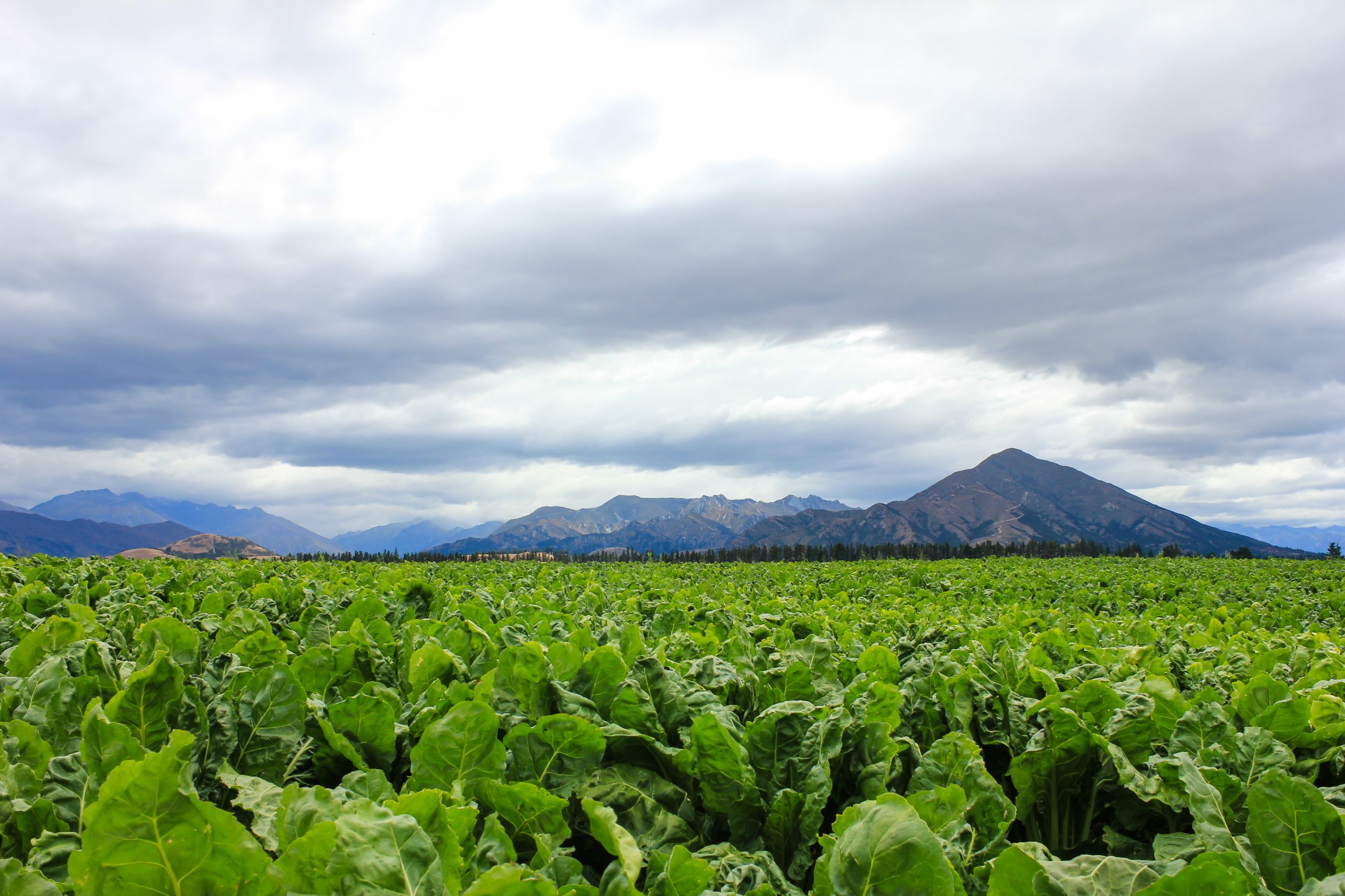
As the focus turns to where winter feed yields may end up, the pressure intensifies to ensure optimal productivity before the winter weather bites.
Recent PGG Wrightson Technical Team research highlights the importance of managing the two critical levers farmers think they can pull – late nitrogen timing and disease control.
To challenge some common assumptions about “pushing” fodder beet harder from March onwards, Andrew Dowling, Technical Expert – Animal Health and Nutrition at PGG Wrightson, says that whilst it may be popular to add nitrogen to grow more yield or improve protein content it can lead to nitrate poisoning if not managed well.
“Different classes of stock need different protein requirements. Young growing animals – hoggets, ewe lambs in the winter, or R1 calves/weaners – require a lot more protein than say R2’s or even mixed age animals,” says Andrew. Bulb crops have a lower protein content than green plants like kale, so the fibre source of the diet also needs to be a protein supplement as well. And higher yielding crops with more bulb and less leaf can exacerbate this protein deficiency. So an overall mixed ration diet is based on stock class.
He says pregnant sheep require a lot more protein than many farmers would consider and particularly a lot more than cattle because they’re growing two fetuses instead of just one.
Late nitrogen: more protein, more risk
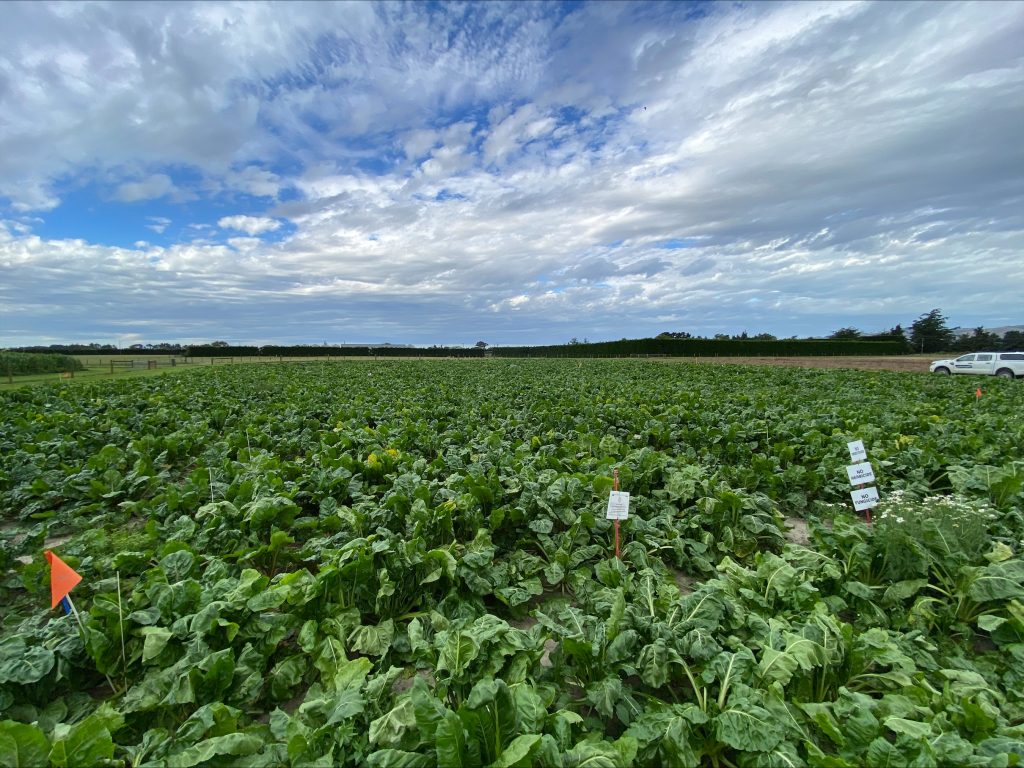
PGG Wrightson’s 2025 research focused on applying nitrogen to fodder beet on two sites in March and showed there wasn’t a change in either yield or dry matter (DM) percentage or energy content (ME). Yield decreased on one site. Andrew says that this was because the nitrogen applied simply grew more leaf area at the expense of the fodder beet bulb.
The research trial was held across two farms – one irrigated and one dryland – with a control block on each. Andrew highlights that whilst the findings showed an increase in the crude protein of the overall diet, that was only relevant for the class of stock that the farmer was intending to feed.
“If you have MA or R2 cattle, your protein supplement requirement is less. This could mean a farmer can use cereal straw if it is available, rather than pasture balage,” says Andrew.
He explains that a crucial part of the research findings was that extra nitrogen applied in March led to high nitrate concentrations in the bulb and the leaf, making it potentially toxic for livestock to eat.
Animals are most sensitive to the level of nitrate during the transition period as we are changing their
diet and the rumen can become more acidic. They do adjust to the higher concentrations over time. One effect of the elevated nitrates is to knock the oxygen molecules off the red blood cells so animals can appear short of breath. It can cause decreased weight gains, abortions and deaths. The abortion and still born impact is often overlooked.
“The research showed that additional nitrate concentration 67 days after nitrogen application was still either dangerous or toxic in the crop for livestock to eat,” stressed Andrew.
Test before you graze
His main advice – farmers should be testing nitrate concentrations in forage crops before grazing, say at the same time as crop yielding, and if they are elevated, manage to reduce the risk of abortions, deaths and poor performance.
“If you do have elevated nitrate levels, dilution is the solution, so be a lot more careful with your transition allocation and feeding strategy. If you were aiming to feed at 70% of the diet, but the high nitrate concentration means this may cause stock losses
and you need to feed more supplements or something else, then it may throw your winter feed budget out,” says Andrew.
He suggested if it’s dry and you’re tempted to ‘put a bit of N on’ in February, do a leaf (herbage) test to see what the plant needs before applying more.
“The reason it’s not growing is probably because it’s dry, not because it needs more nitrogen. If the plant can’t utilise the nitrogen to grow then the nitrate just builds up,” he says.
Pete McKnight, Technical Specialist – Agronomy for PGG Wrightson agrees, saying all the late nitrogen application is doing is taking up the nitrogen and storing it in the leaf and won’t put it into growing more yield or bulb.
What about aphids, viruses and “yellow crops”
Aphid management is central to keeping beet crops green and productive, but from late summer, many growers ring in about crops “going yellow” with crunchy leaves, “But the damage is already done,” Pete says.
Pete explained that their colleague, Chris Lowe, a Technical Specialist — Agronomy at PGG Wrightson, carried out research in 2025 looking at the impact on fodder beet.
He says that the yellowing in the crop is caused by the virus infection carried by aphids which has made the plant weak and unfortunately the damage is done very early on in the plant’s lifecycle. Virus infection can happen from the cotyledon stage (the first leaf produced by the embryo in a germinating seed) of a fodder beet plant.
“By the time yellowing shows, spraying insecticide late is largely a waste of money,” says Pete.
Seed treatments and early, well-timed insecticide programmes at planting are key, backed by beneficial insects like lacewings and hoverflies being allowed to flourish and eat the aphids which are far more effective than late reactionary spraying.
Rotation and integrated pest management
Both Pete and Andrew stress integrated pest management (IPM) and good rotation are foundational for sustainable beet production.
Pete warns against second and third-year beet in the same paddock, which builds up disease and pest pressure in crop residues. His preferred rotation is beet out of grass, followed by brassicas, then back to grass, avoiding double-cropping beet and watching for club root in Swedes and other brassicas.
On disease control, he’s clear that preventative fungicides are needed before symptoms explode.
“We’ve got to be in front of it. Once we see the disease in the plant, we can’t really stop it. Seeing the disease is too late,” says Pete.
Their messages are clear – smart herbage and soil testing, early intervention, and sustainable rotations will do more for animal performance and crop longevity than any late “rescue” spray or extra shot of nitrogen.
“At PGG Wrightson we are always looking to support our farmers with good management rather than just opening a can to get the yield we want,” concludes Andrew.
For technical support and advice this autumn go to pggwrightson.co.nz to find your local store and local Technical Field Representative.