

This piece was brought to you in partnership with Ravensdown.
Getting lambs off farm early could pay off more than usual this season, with forecast El Niño conditions raising the risk of a dry finish to spring.
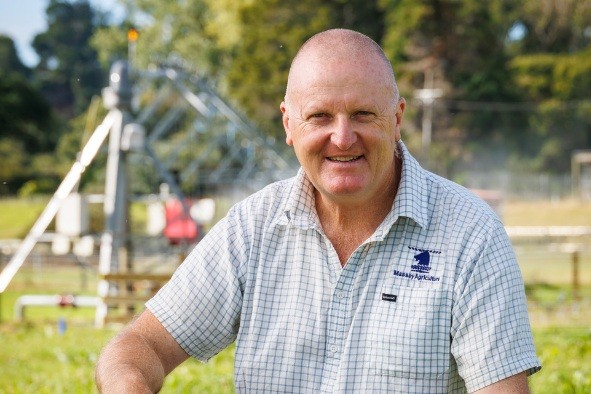
Scientific Officer at Ravensdown, Dr Will Talbot, says the amount of feed available could become pinched in the weeks before lambing.
“Spring’s a really important time for getting that pasture there for our ewes so they can have a good body condition score, lactate well, feed those lambs, and we can put a lot of weight on them as soon as we can,” he says.
He says pastures can be short of nitrogen coming out of winter.
“Those clovers are asleep, the bugs in the soil are asleep, and we’ve had a bit of leaching, so those soils can be really responsive to nitrogen at that time of year.
He says generally, the later you can leave it before putting it on, the better the response will be.
“If you apply a bit earlier, you’re sacrificing a bit of the response, but you’re getting that timing when you want it, and growing the extra feed when those lambs are hitting the ground.”
He says the best position to be in is prepared, with industry-wide discussions and concerns around the predicted El Niño.
“It doesn’t mean it’s going to happen, but if that happens, we want to grow as much feed as early as we can to get our stock off farm, reduce that demand, and make the most of that potentially shorter growing period.”
Ewes are in good condition after a strong summer and autumn, and scanning percentages are up in many places, which makes for a unique outlook next season.
“As always, every farm, every region, it is so, so different, and farm systems are all set up so uniquely, so this isn’t a blanket recommendation, but it is a really important tool for some farmers to be able to pull that lever if they need that feed at that time of year.”
Farmers can use tools to target the most responsive paddocks and slopes. Feed budgeting should come first, along with soil moisture and temperature.
“We’re usually talking somewhere between 25 kgs of N to 50 kgs of N, so that’s 50 to 100 of urea, and that’ll depend on how much feed you need.
“For these sheep and beef systems, quite often it’s something like 30 kgs of nitrogen being applied to increase pasture growth in those areas.
“There have been a few studies lately, a few models, and it’s showing that if you do tactical nitrogen well, it is a profitable endeavor, but that will vary farm to farm.”
Spring feed decisions start now, and Ravensdown is here to help you make the best decision for your farm. Every farm is different, but taking the time to review your feed plan early can help create more options later in the season. If you’d like to talk through whether early nitrogen application has a role on your farm, get in touch with your local Ravensdown agri manager or our Customer Centre team on 0800 100 123 or customer.centre@ravensdown.co.nz
CountryWide CONNECT with Andy Thompson & Sarah Perriam-Lampp is our daily rural show livestreamed from 11am-1pm. Visit country-wide.co.nz on how to watch/listen or download the CountryWide CONNECT mobile app, available on Apple iOS and Android.