The mutual difference
FMG was created in 1905 when a group of farmers challenged the status quo. At the time, insurance options were limited to overseas-owned companies that didn’t understand New Zealand land, weather or farming risks. Words Sarah Perriam-Lampp.
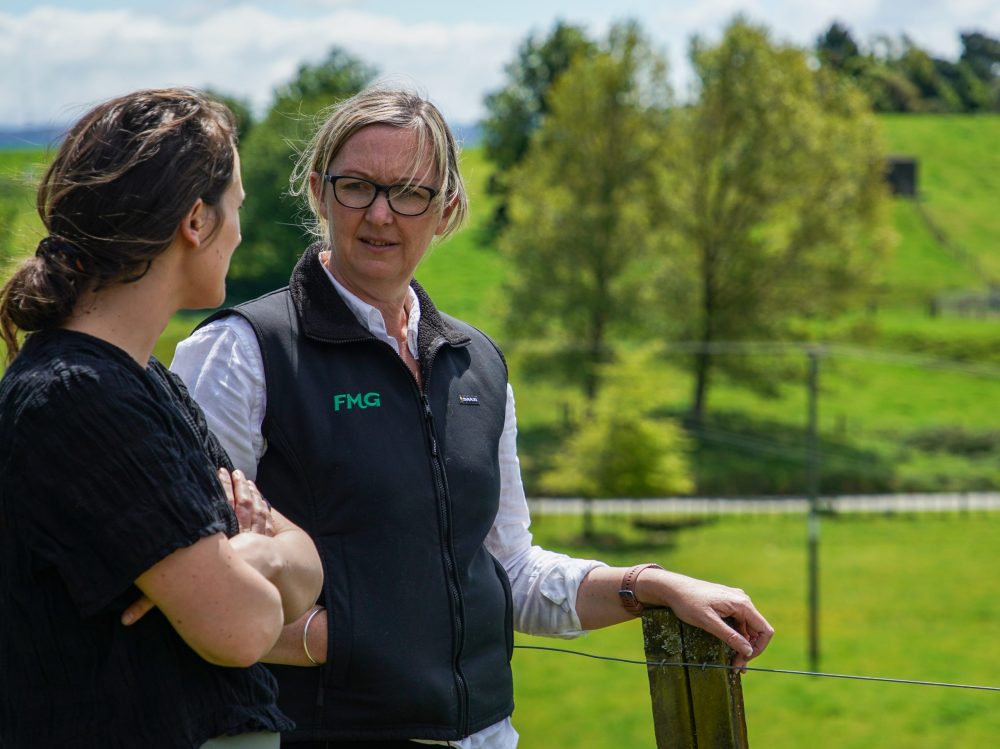
When New Zealand farmers were challenged by their overseas insurers’ lack of understanding of their farming context 120 years ago, they did what they have always done best. They worked together, pooled resources and created a better solution for themselves and their rural communities.
Last year FMG marked 120 years of standing alongside New Zealand farmers and rural communities. A milestone that is more than an anniversary for the mutual but a reminder of the benefits of the mutual and co-operative model.
Pete Frizzell, Chief Marketing Officer of FMG, says that their core purpose hasn’t changed, even as the rural landscape has transformed dramatically.
He says unlike shareholder‑owned insurers, FMG’s structure means its focus is firmly on client value rather than maximising investor returns.
“We don’t pay dividends back to shareholders at all. The profits are reinvested back into the mutual and I think sometimes the benefit of that isn’t understood by farmers,” explains Pete.
“Being a mutual doesn’t mean avoiding profit because as a business they also need to be financially sustainable.
“It means being profit-making, not profit-maximising.”
Pete points out that the mutual model has real‑world impact. When FMG’s performance allows, the benefits are passed back to farmers through sharper premiums and strengthened long‑term resilience.
“In the last year, we’ve reduced premiums by about $35 million across the board,” he says. “When we find that we’re making a better than expected profit, then we’ll look to build solvency and look to reduce those premiums as well.”
“The profits are reinvested back into the mutual which I think sometimes the benefit of that isn’t understood by farmers.” – Pete Frizzell, FMG
Removing the need to prioritise shareholder returns over client outcomes, he says, is a powerful model that keeps governance and management decisions grounded in fairness, value and long-term thinking.
Their long-term view is shaped by over a century’s experience through world wars, earthquakes, floods and increasingly severe weather events. They’ve been there for challenging claims and life-changing disasters alike. Pete says that continuity matters to farmers, particularly in times of uncertainty.
FMG doesn’t rest on its laurels and continues to evolve it’s insurance products and advice in response to challenges like climate change, technology adoption and mental health pressures.
He says diversification on farms is now a key element they are needing to adjust to, to be able to support farmers and growers to navigate through their potential new risks.
“If the mutual wasn’t around, farmers and growers would be paying a lot more to insure their core risks – again why we were created in the first place.”
As an insurer owned by rural New Zealanders, they see their role as helping to build strong and prosperous rural communities. They co-founded Farmstrong and support more than 700 rural events each year.
Pete says what makes resilient mutuals and co-operatives is a values-led organisation that endure because they are built for the people they serve and remain their reason to exist.
Visit fmg.co.nz