

This episode featured in partnership with SealesWinslow.
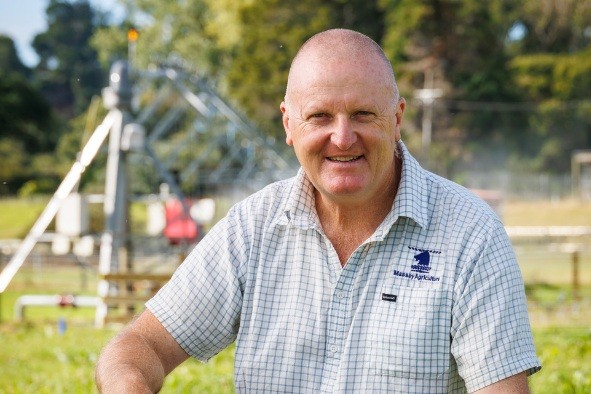
SealesWinslow Nutrition Extension Specialist Simon Butler says an extra 100 grams of pre-weaning growth in a dairy replacement calf could translate to about 20kg of milk solids in her first lactation, and the lift holds all the way through to her third.
Recent research from the Bioeconomy Science Institute (BSI) is letting the industry put firm numbers on the gain from feeding calves harder early.
“We’re starting to actually be able to, with some confidence, quantify the benefit of things like accelerated growth programmes, and high milk allowance systems early in the weaning period,” he says.
The payoff on a replacement heifer does not land until she calves two years later, and that lag is what puts calf inputs under the microscope.
“You can understand the psychology behind cost scrutiny in the calf rearing system, because the revenue generation piece associated with those dairy heifer replacement calves is delayed – we’re not really seeing a return on investment necessarily for two years.”
He says early feeding buys more than at any other stage, and a cut corner there is paid for down the track.
“Early in life, that calf is just absolutely primed to respond to a higher plan of nutrition.
“Its feed conversion efficiency is much higher, and it’s predisposed to laying down all those key tissues.”
He says feed her well, and she is more likely to get in calf early, and calve on time, which makes calf rearing a strong investment that simply pays out late. Calf meal earns its place by carrying the calf from one stage to the next.
“It’s about understanding the role that calf meal is really there to fill.
“That’s specifically to take our young calf, which is a pre-ruminant and isn’t able to generate growth off of plant materials and forages, and turn it into this functioning mature ruminant that’s out in the pasture.”
The catch is that a bag label will not tell a farmer which meal actually does that. Butler says the answer is to ask the supplier for the grain percentage, the NDF inclusion and the source of the crude protein.
“Not being afraid to demand knowledge of what you’re bringing onto farm, because they should be more than happy to provide that information to you, and you don’t just need to rely on the bag label.”
He says a sharper rearing system might cost a bit more for a season or two before it delivers.
“Then we should start seeing it in the vat, and then every year after that.
“All of a sudden, the cost doesn’t seem so much.”
This episode featured in partnership with SealesWinslow. Whether it’s a custom blend or dairy pellet, smart modelling tools, or advice tailored for your farm, SealesWinslow is about nutrition that delivers measurable benefits. Through science, teamwork, and practical guidance, we make sure what you do today sets your herd up for better performance tomorrow. For more information, visit https://sealeswinslow.co.nz/
CountryWide CONNECT with Andy Thompson & Sarah Perriam-Lampp is our daily rural show livestreamed from 11am-1pm. Visit country-wide.co.nz on how to watch/listen or download the CountryWide CONNECT mobile app, available on Apple iOS and Android.