
CountryWide Winter 2026
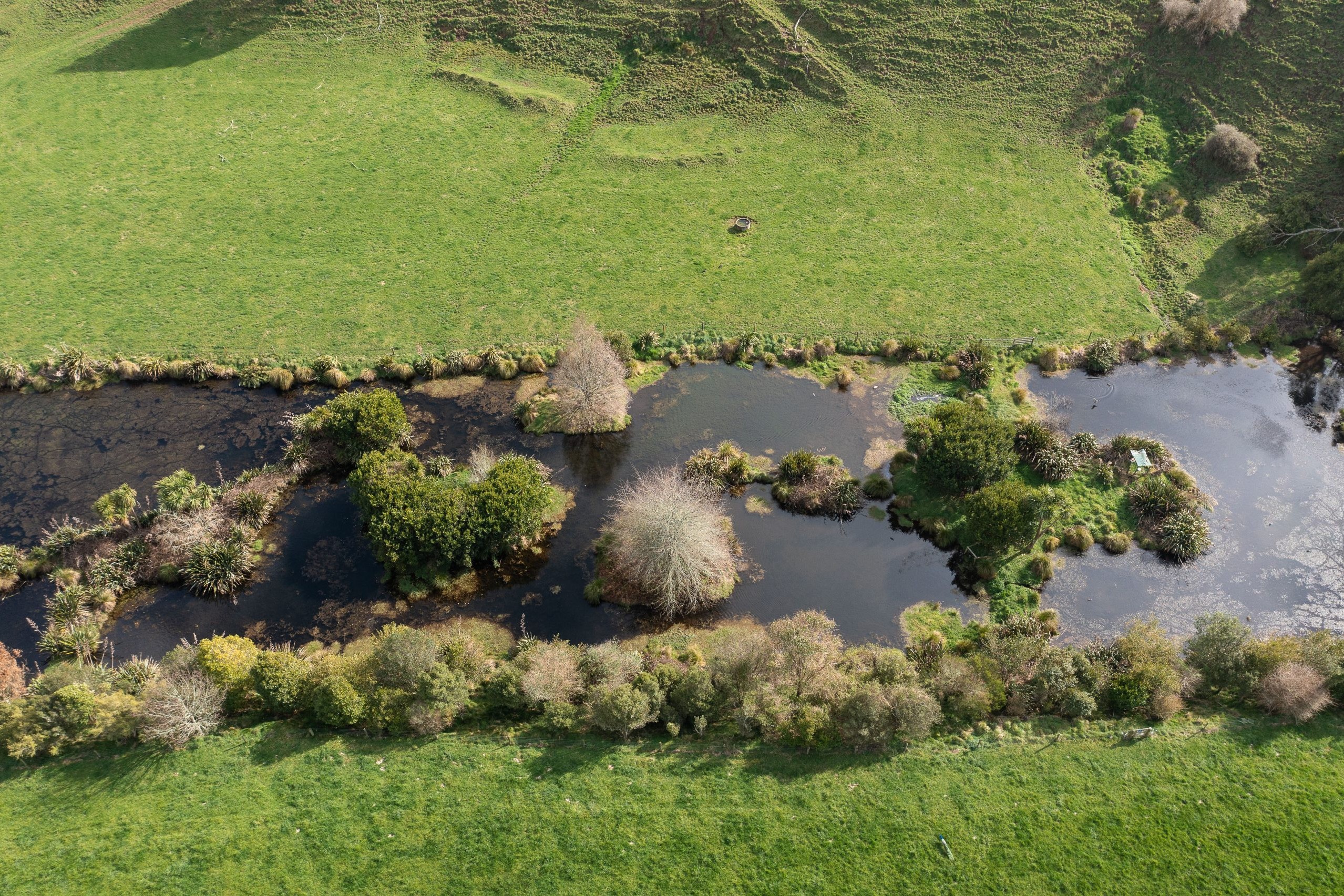
Growth in a world of limits
New Zealand’s dairy sector cannot grow in the same way it has in the past. So what is the plan to increase the value of exports whilst improving dairy’s environmental footprint? Words Campbell Parker.
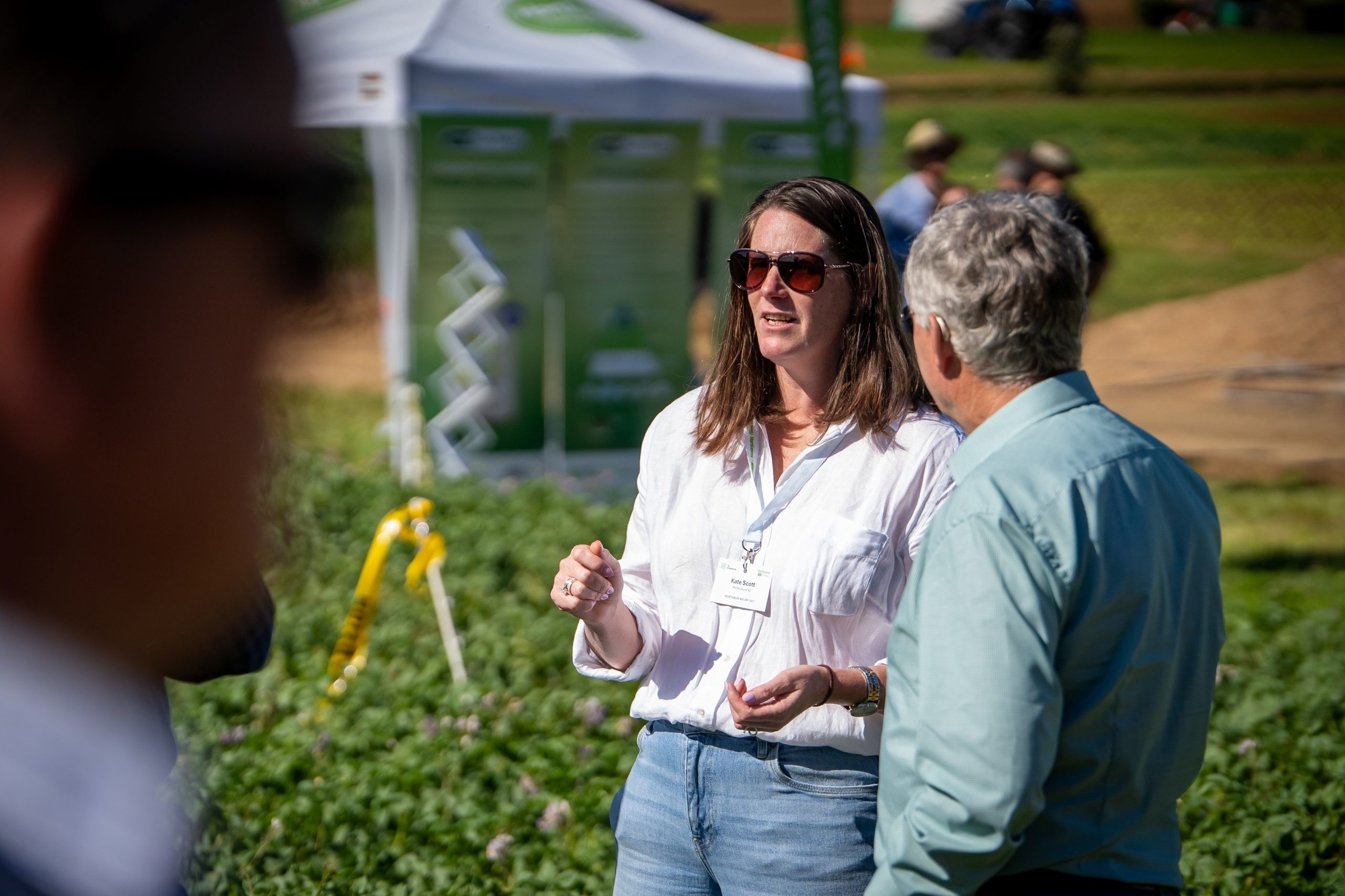
Ensuring New Zealand has food security
While New Zealand’s horticulture sector is one of the country’s fastest growing primary industries, Horticulture New Zealand’s Chief Executive, Kate Scott, has concerns that the current policy settings don’t favour a secure future for food security. Words Kate Scott.
A farmer’s perspective
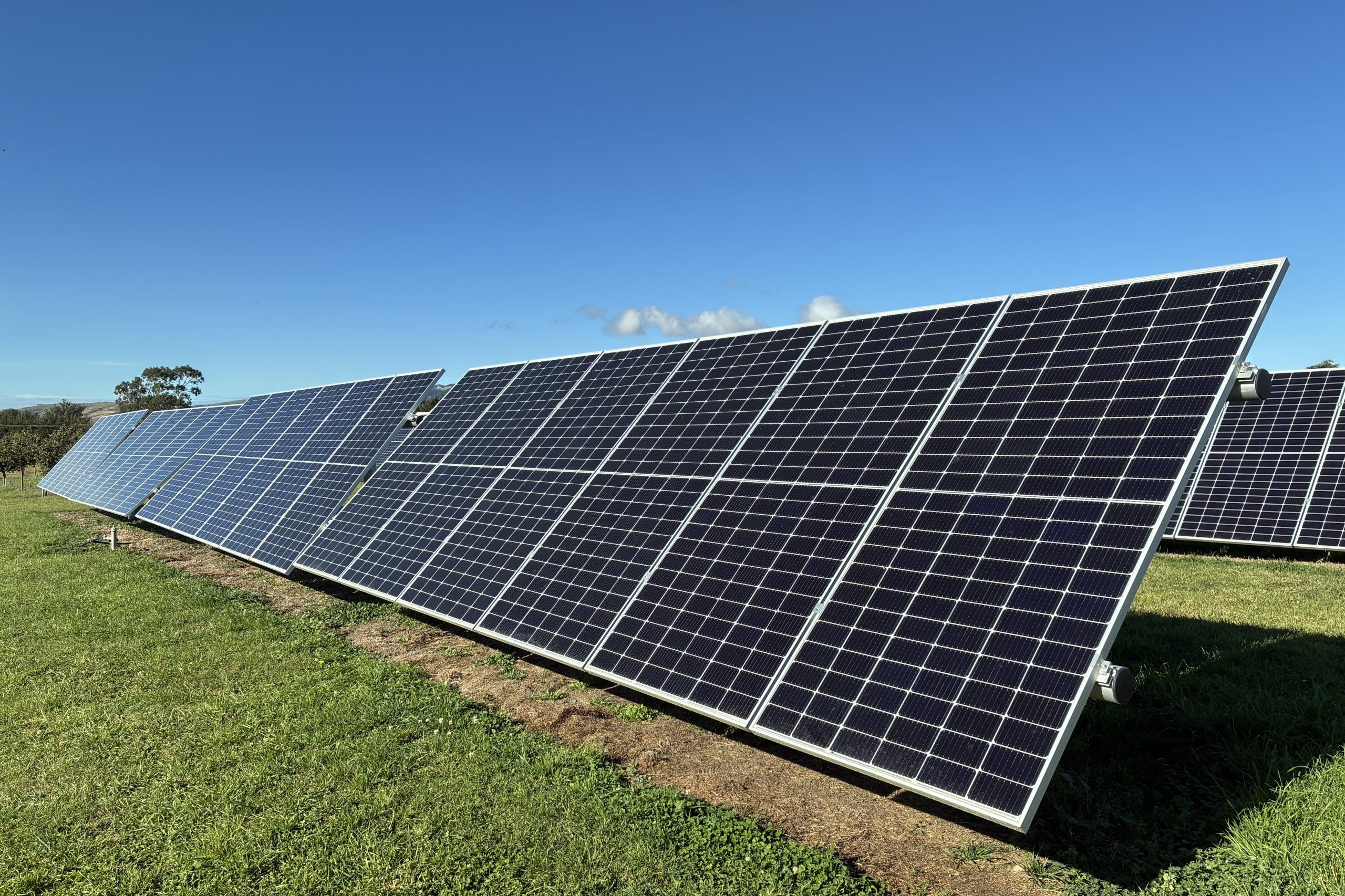
War in the Middle East has reignited interest in what on farm electrification could really look like. As fuel prices hit record highs, the conversation about energy resilience has gone beyond townies charging vehicles to the real economics of farmers generating a cheaper form of energy that powers profits.
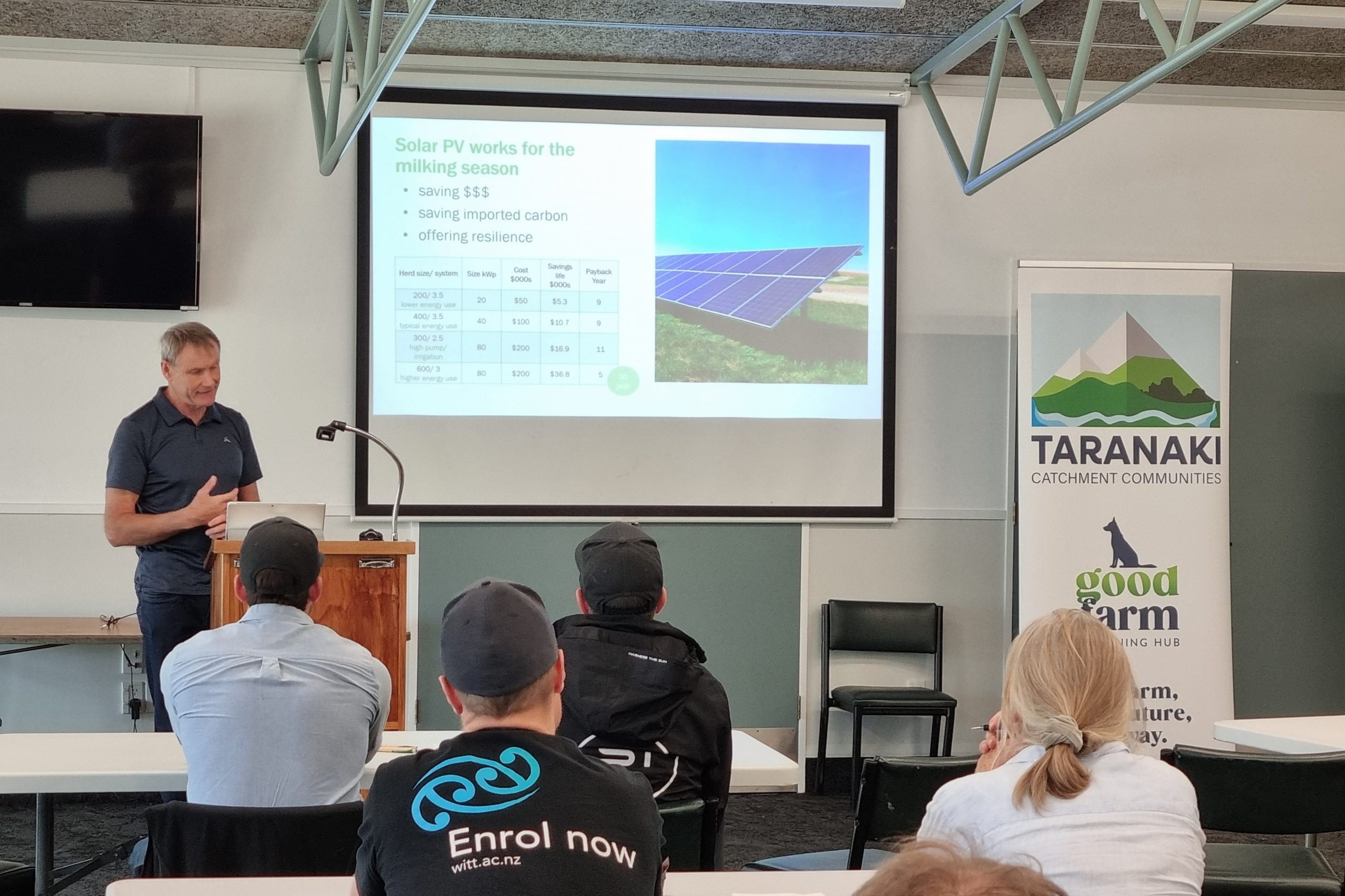
Save Energy On Farm project lead by farmers
Taranaki dairy farmers had been reluctant to install solar panels for electricity generation until a project helped identify significant energy efficiency opportunities.
Power outages no bother with battery back up
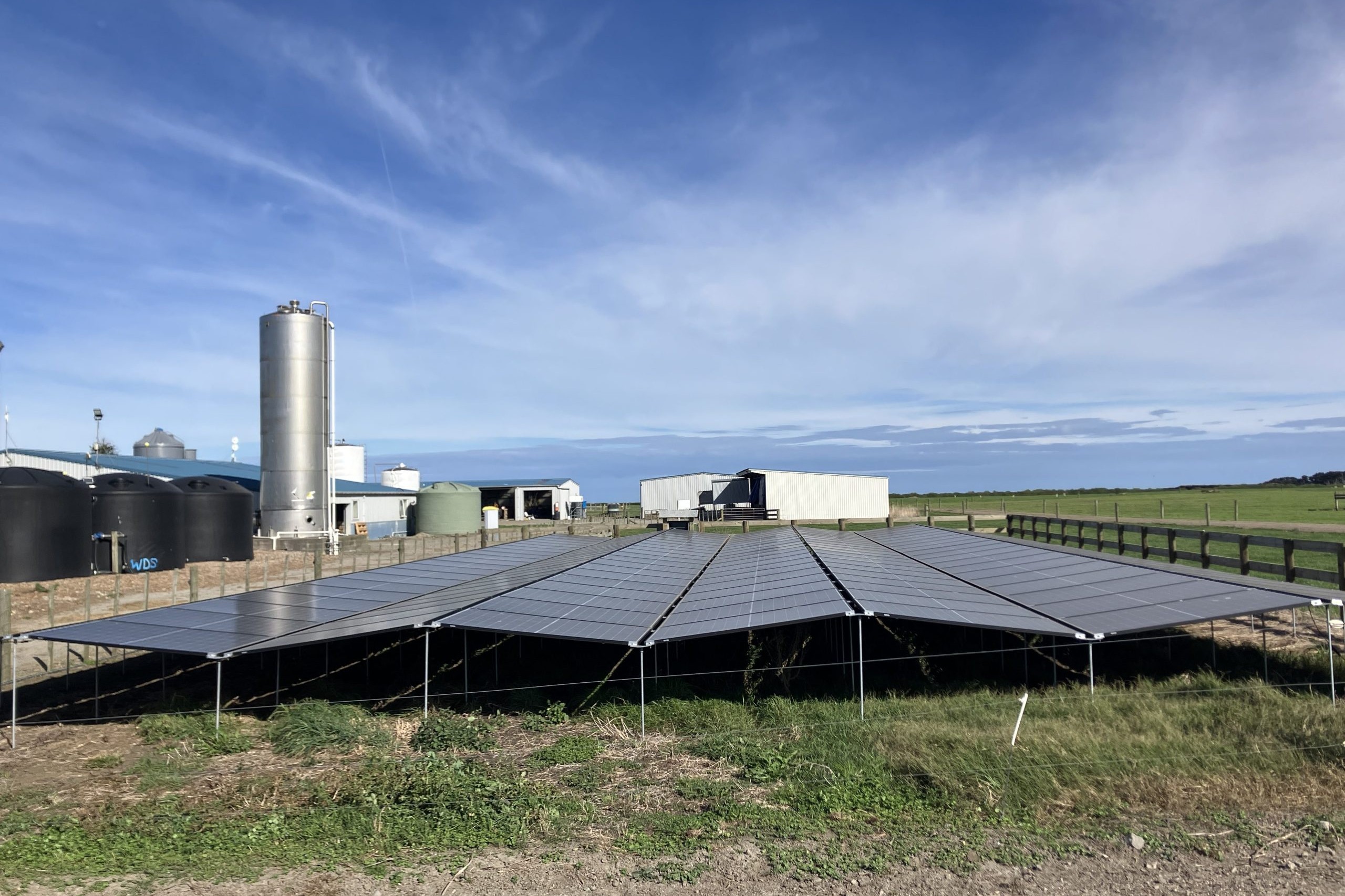
Dairy Trust Taranaki (DTT) is poised to make a second, more substantial investment in solar energy capture and storage to strengthen the operational resilience during power outages and reduce electricity costs of its farms.
Investing in our future
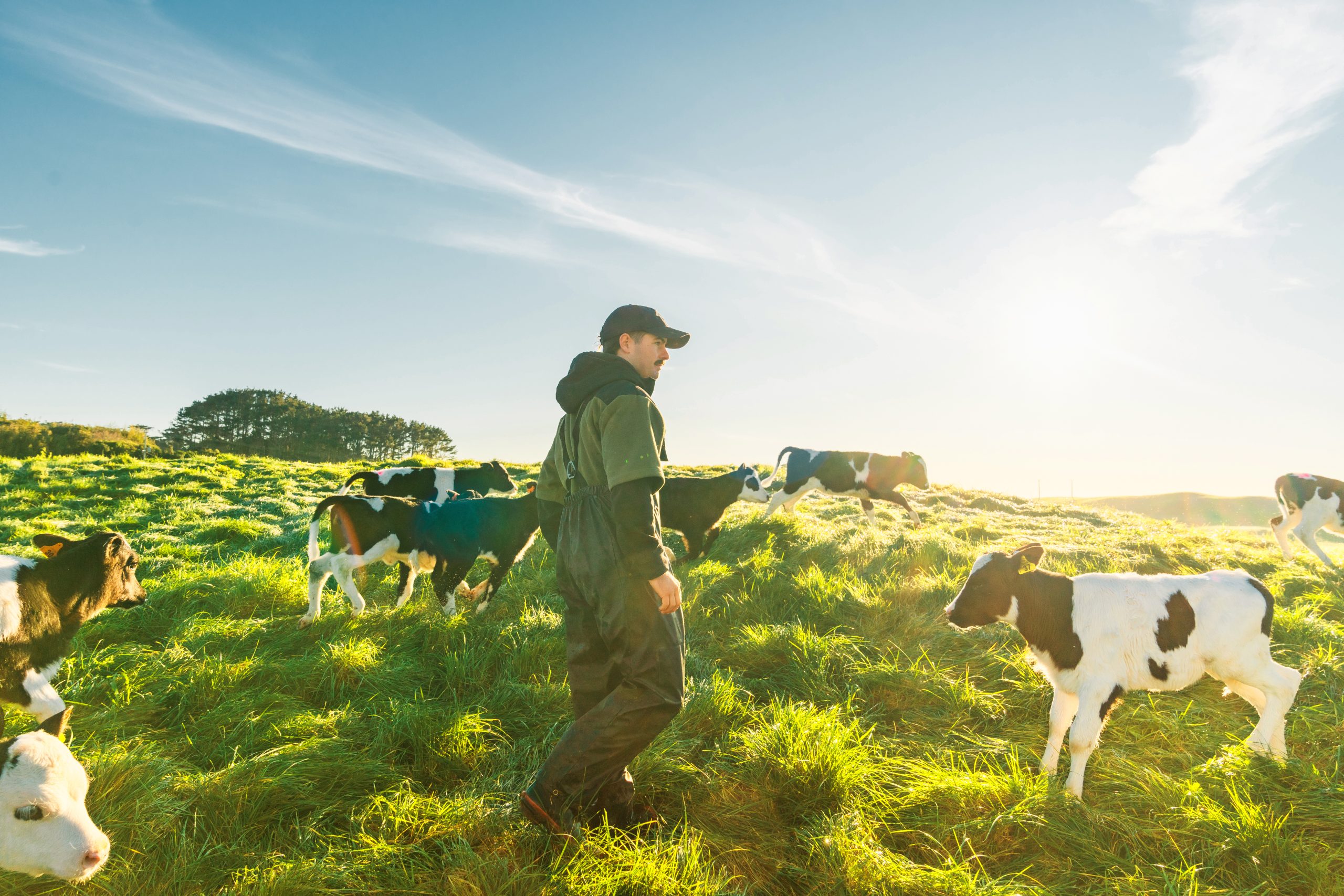
The Government has set an ambitious target to double the value of New Zealand’s primary sector exports over the coming decade whilst lifting environmental performance. Chair of DairyNZ, Tracy Brown, believes dairy will play a central role in achieving that aspiration. Words Tracy Brown.
Attractive paybacks from solar
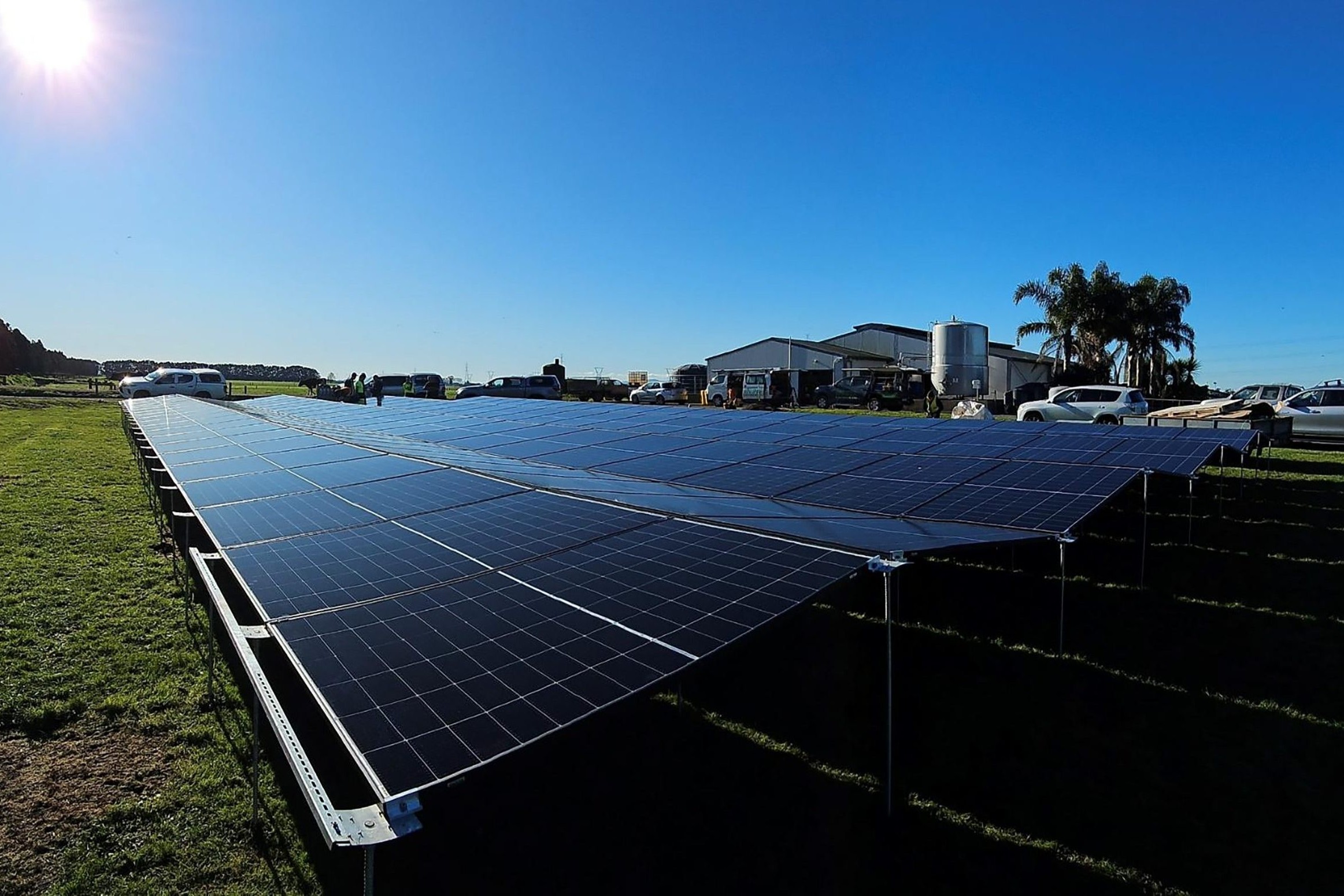
Taranaki entrepreneur, Matt Luscombe, is building a national business installing cost-effective solar energy systems with a 4-5-year payback for farm and lifestyle block owners.
Lincoln University breaks new ground with solar farm
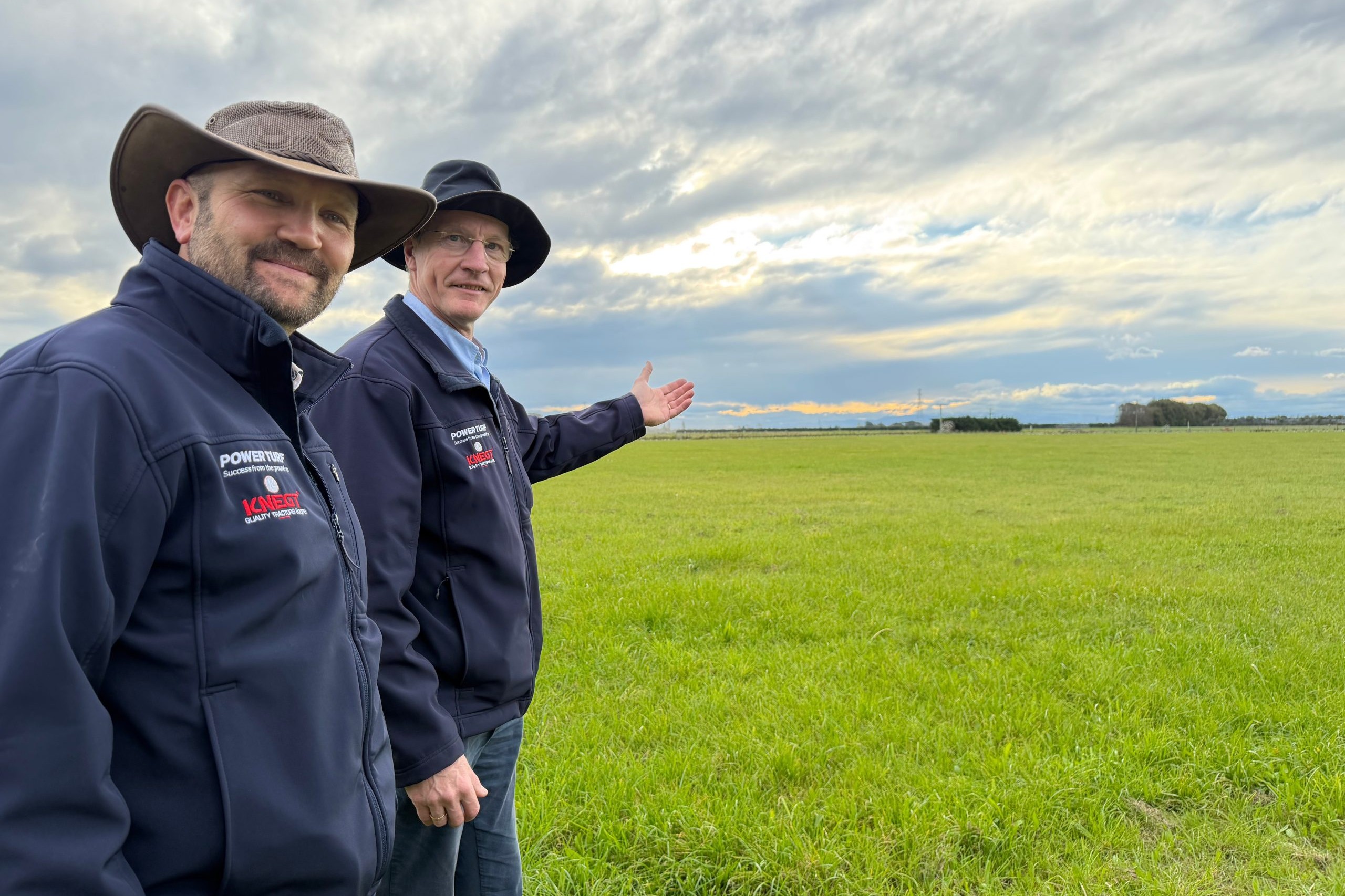
Ground-breaking research exploring growing high-value food crops and grapes under solar panels starts later this year at Lincoln University’s new 4ha Energy Farm in Canterbury.
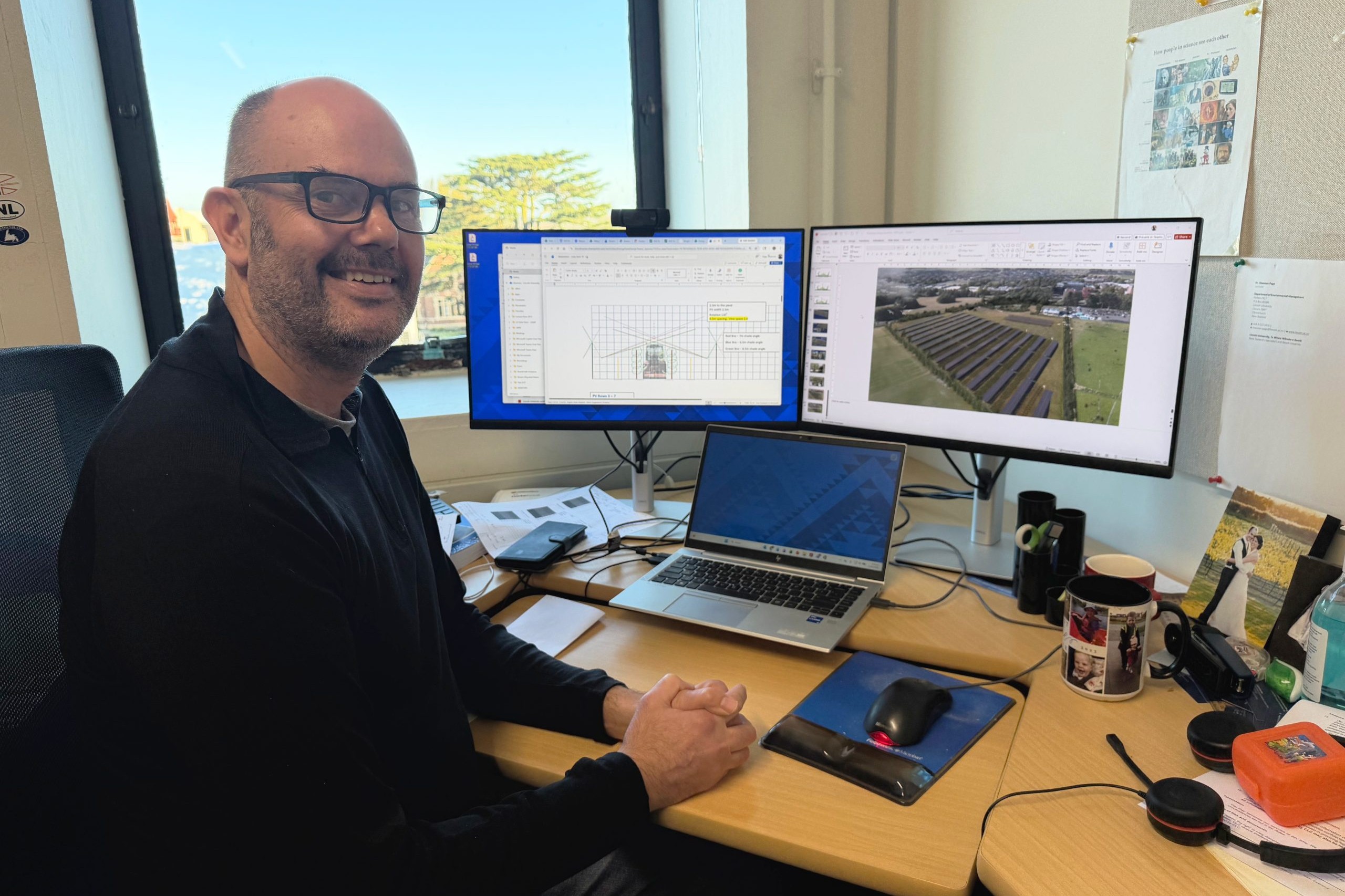
Solar grows exponentially
Installation of solar electricity systems globally is doubling every three years. Lincoln University’s Dr Shannon Page says.
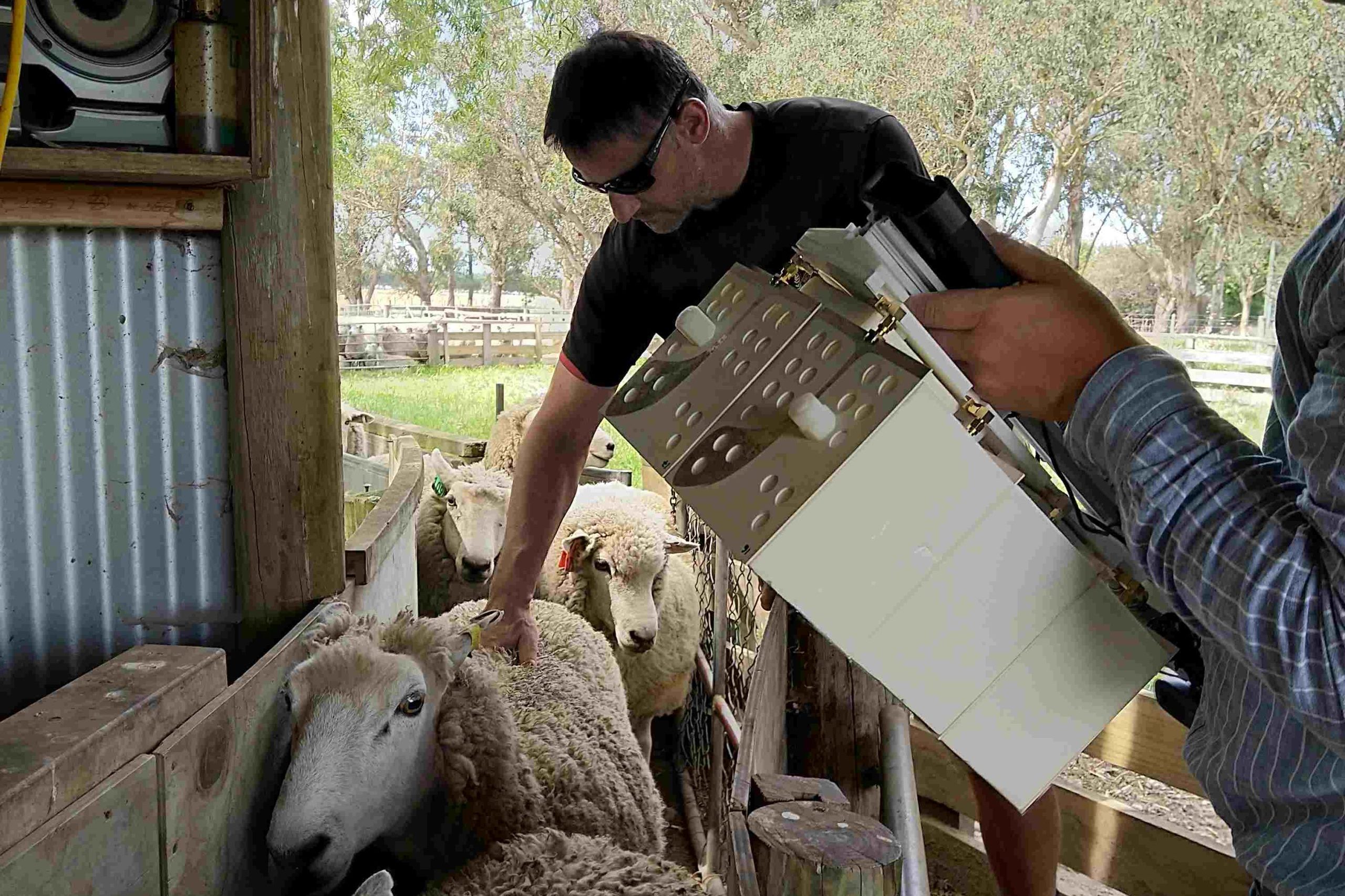
Fat depth sensor for live animals and carcasses
The success of livestock farming critically depends on careful feed management. Both over- and under-feeding animals leads to lower productivity and risks animal welfare, while affecting milk and meat eating quality. Despite being such a critical factor for New Zealand’s largest export industries, farmers and abattoirs are currently lacking the technology to efficiently and objectively assess fat depth in live animals or carcasses. This article introduces an emerging sensing technology which has the potential to fill that gap. Words Eva Anton.