Ensuring New Zealand has food security
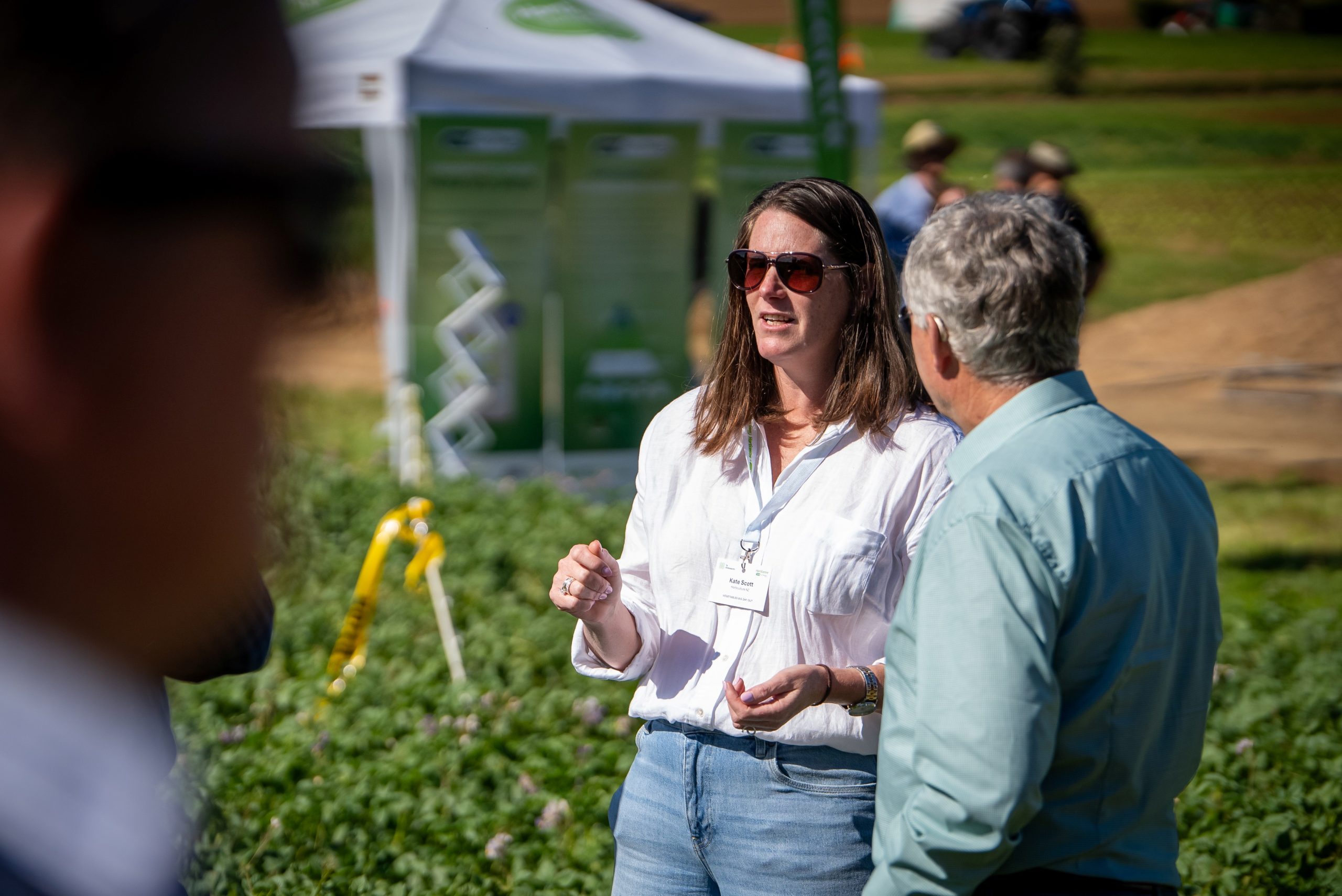
While New Zealand’s horticulture sector is one of the country’s fastest growing primary industries, Horticulture New Zealand’s Chief Executive, Kate Scott, has concerns that the current policy settings don’t favour a secure future for food security. Words Kate Scott.
The Ministry for Primary Industries latest Situation and Outlook for Primary Industries report forecast horticulture export revenue will reach $9.2 billion in the year to June.
However, while there is much cause for optimism, the sector also faces significant challenges – making it critical to have the right policy settings in place to ensure New Zealand’s food security.
HortNZ recently unveiled its election manifesto, setting out the measures a future government can take to back the sector.
We are working constantly on behalf of growers to ensure ministers and government understand the importance of addressing the issues in our grocery and supply chain system. Some challenges are common to the primary industries, like increasing costs for fuel, fertiliser and energy, and disruption to the global supply chain, most recently due to the Middle East conflict.
However, the decision by Heinz Wattie’s to close its manufacturing sites in Christchurch, Dunedin and Auckland and its frozen packing lines in Hastings, followed by McCain Foods’ plans to close its Hastings vegetable processing plant, are major blows. Many growers have crops that were destined for these plants and don’t currently know what the processing pathway will be for those. They have also invested in plant and machinery to support them. That creates a headache and a lot of financial uncertainty for them and for many in the rural communities that rely on them for jobs.
What these decisions really highlight is the country’s vulnerability to food insecurity and the need to maintain a strong and resilient domestic horticulture sector. We need affordable, reliable regional energy supply to support packhouses, cool storage and processing facilities and to maintain domestic production capacity.
We’d also like to see a stronger focus on encouraging consumers to ‘buy Kiwi-made’, which would be of benefit to all New Zealand-grown produce.
Horticulture is also more vulnerable to bad weather than broader agriculture as it involves perishable and often more sensitive crops. We have seen the impacts of this from the severe weather events in recent years and the risks this poses to consistent food supply.
The sector’s growing export success is the result of long-term investment and innovation by the sector through building a global reputation for quality. However, cost pressures, particularly in the current global environment, mean that export earnings don’t always flow through to the farmgate.
Ensuring growers can capture value is critical to the long-term sustainability and strength of the industry. Without that, it is very hard to invest in a business.
With resource management reforms underway, growers need to know there is going to be longevity to the changes. Consistent and practical policy settings are key to creating confidence. Growers have to plan, often years ahead, for their investment in crops, in technology and infrastructure. It can take a long time to see a return from investment. They need to know that the system and regulations they are basing those decisions on are not going to change.
“Many growers have crops that were destined for these plants (Watties/McCains), and don’t currently know what the processing pathway will be for those.” – Kate Scott, CEO, Horticulture New Zealand
The great strides the industry has made are down to really sustained effort, innovation and investment, and we need long-term policy settings that are supportive of continuing that .That is essential for growers to continue to grow export values for the economy, to provide healthy affordable fresh produce for New Zealanders and to see value flowing through to the farmgate.
Strong biosecurity settings, access to water and crop protection tools, and access to labour are key issues, along with the availability of reliable infrastructure and supply chain resilience.
We do need to see increased investment in biosecurity border protection and early detection systems for high-risk pests and diseases.
We also need to establish faster approval pathways for modern crop protection tools – including using international harmonisation and trusted regulator data to streamline approvals and address the current backlog in regulatory processes.
Along with secure long-term access to water, investment in community-scale storage and policy settings that support climate adaptation we can truly underpin New Zealand’s food security and protect the sector from increasingly frequent climate events. Immigration settings must also reflect the realities of horticulture. There needs to be long term certainty for the Recognised Seasonal Employer scheme and pathways that support the development of skilled workers and technical specialists.
Horticulture is also particularly reliant on supply chain resilience, to get perishable products to the domestic market as well as to locations for shipping internationally. New Zealand horticulture already has a strong reputation for quality. Future-proofing ports, ensuring container availability and building shipping strength would support export competitiveness and help ensure food reaches markets reliably. Upgrading rural roads and freight routes will provide confidence for growers that perishable produce will be transported in a timely fashion.
If New Zealand gets those fundamentals right, then the horticulture sector can become an even more significant employer and contributor to our regional and national economy. Growers are ready and waiting to play their part in that. If we can get the right policy settings in place, then all New Zealanders will benefit from a more secure and resilient food supply.