Tackling drench resistance in cattle
Drench resistance is a critical issue for New Zealand farmers and state-owned Pāmu is facing the challenge head-on. At Rangitāiki Station in the Central North Island, feeding and growing young cattle has been the key to continuing their dairy beef programme, while protecting the lucrative bull beef finishing component of the operation. Words Rebecca Greaves.

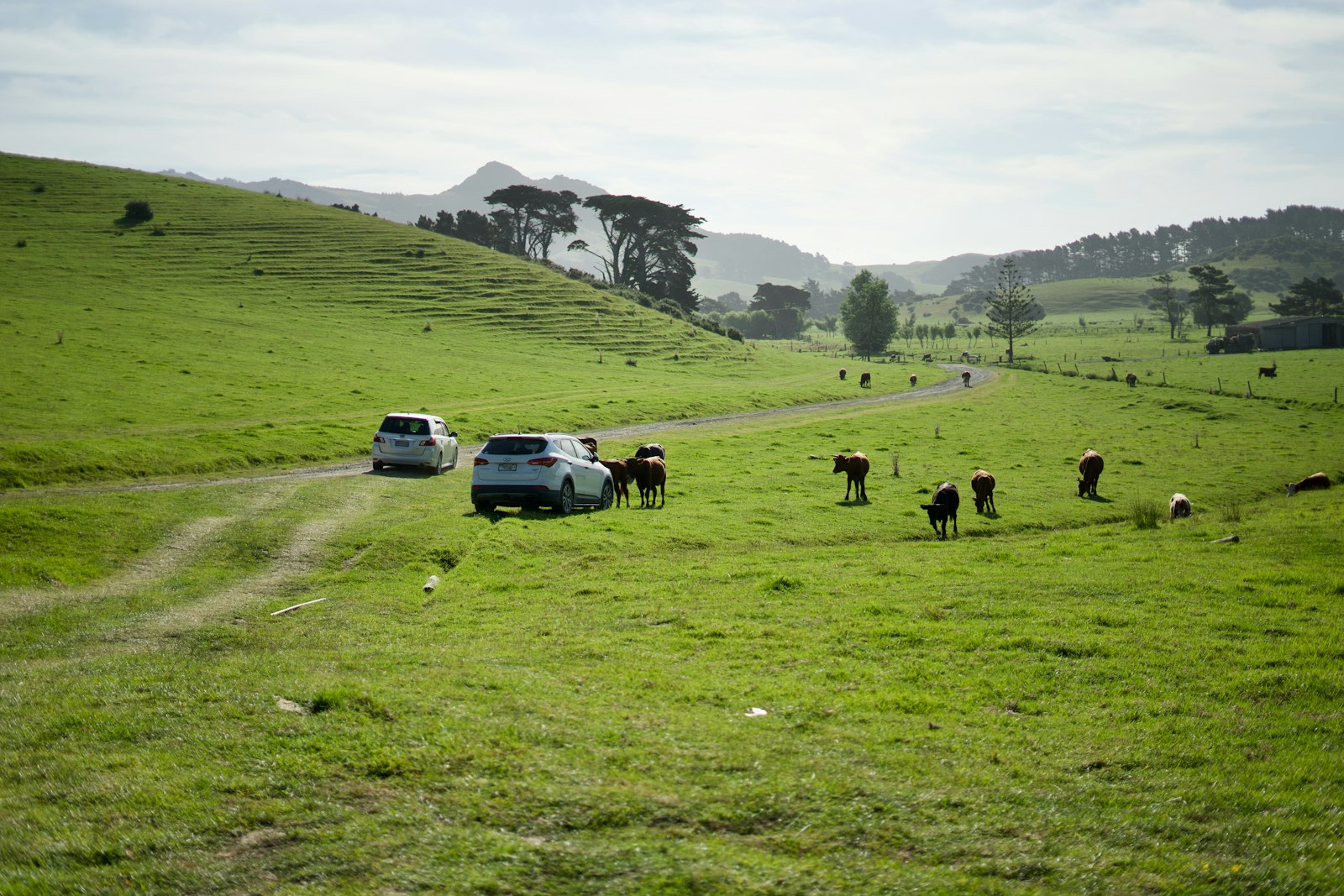
Addressing drench resistance in cattle has required significant farm system change at Pāmu Station, Rangitāiki, near Taupō, but it’s starting to bear fruit, Farm Business Manager James van Bohemen says.
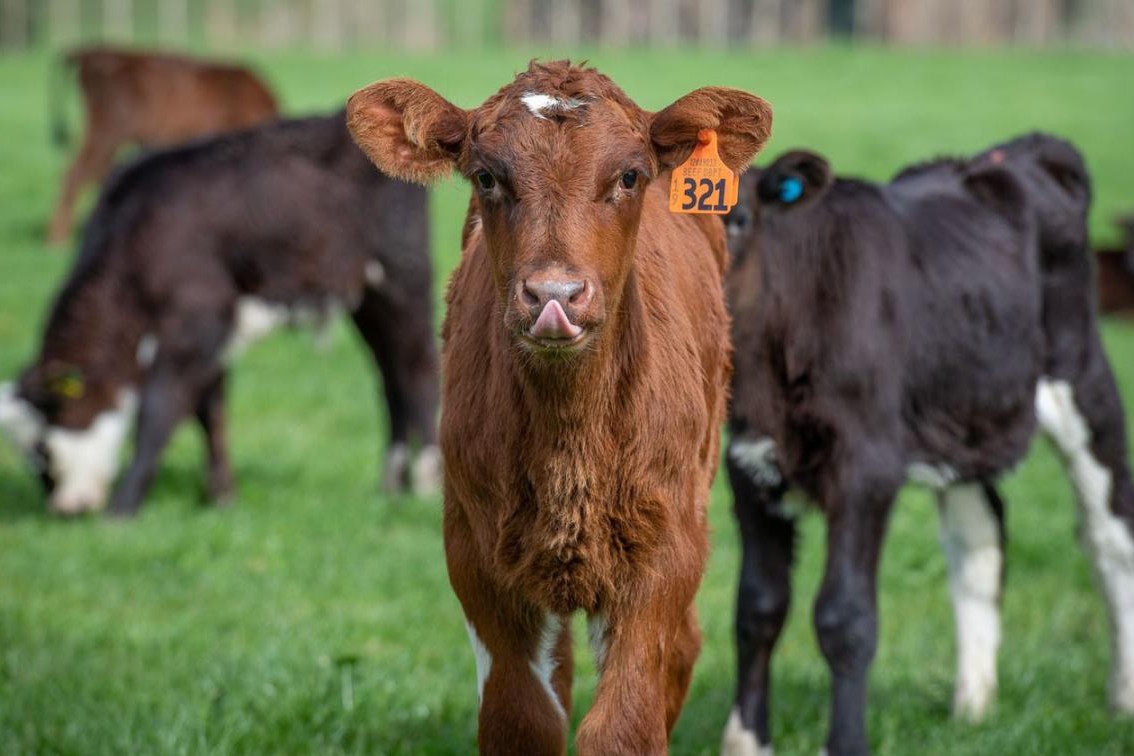
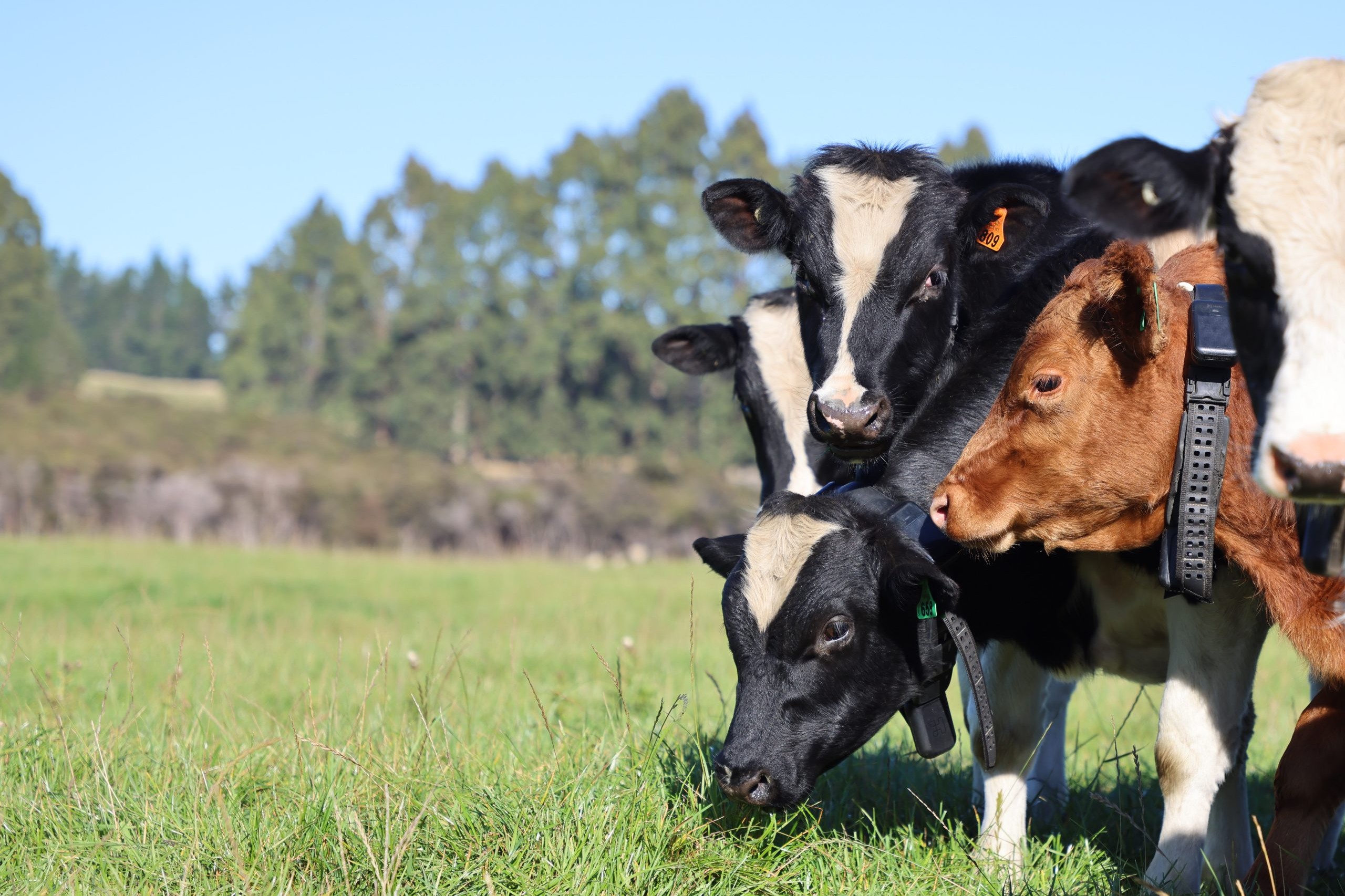
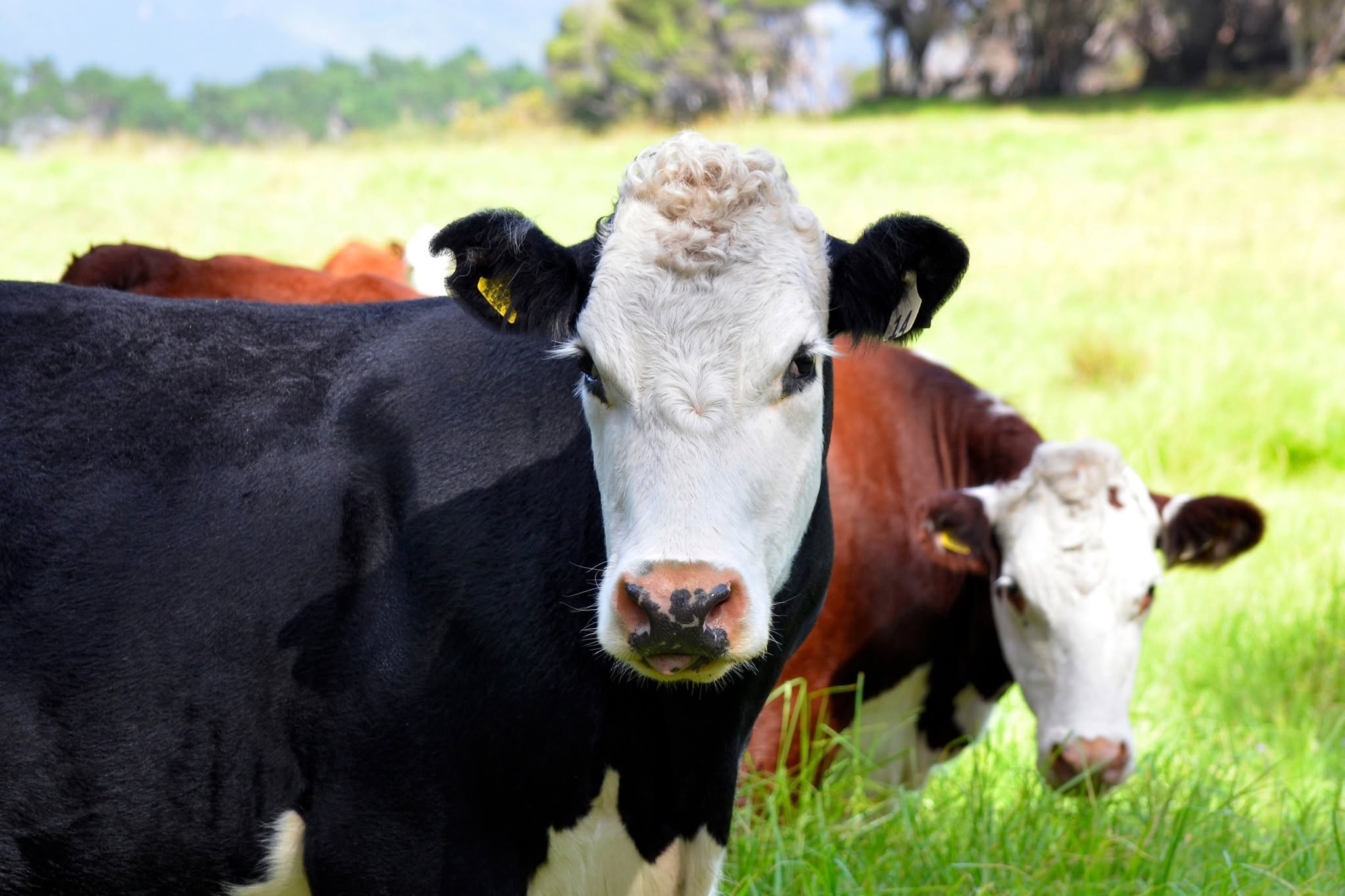
Rangitāiki was one of the early adapters in the Pāmu dairy beef journey following the establishment of the Efficient Beef System (EBS) in 2016, as Pāmu aims to rear all calves born on its dairy farms by 2030. Almost 10 years on, dairy beef has become a significant part of the operation, with a cattle trading system that soaks up more than 5000 dairy beef calves (bulls and steers) each spring, carrying the majority through to finish on a two-year system.
Triple drench resistance in cattle was identified within the station’s EBS in 2021 through standard practice faecal egg count (FEC) reduction testing. At the time, the farm’s efficient beef system platform was a monoculture with 100% cattle. Rangitāiki had high stocking rates and a system that involved young cattle who came onto the property at 100kg. This system required the manipulation of intakes and low pasture cover (residuals) as they managed grazing demand against the pasture curve.
“We knew we had to change our management practices. Historically, new drenches have been invented, but we’re running out of those options.” – James van Bohemen, Pāmu
This increased exposure to the impact of internal parasites, more so than with a fast-finishing type of programme. In 2021, the stress on the farm system meant that productivity/hectare had fallen by about 20% from where the system was three to five years prior. Death rates had increased at the same time.
“We recognised that something significant needed to change to stop the downward spiral, as we couldn’t continue to farm the way we were,” James says.
“We wanted to continue farming dairy beef, but the bull beef finishing is a significant revenue stream so we’re trying to protect that as much as possible. Running a monoculture-type system, we knew there were risks, but we were probably being naïve and weren’t aware of the implications. Discovering drench resistance probably wasn’t a surprise,” he says.
“With dairy beef, there’s a big difference in the amount of time calves are on mum. Dairy beef animals are weaned at four days old and there are a lot more inputs into that system. Mother’s milk plays a big part, it adds a fair bit of protection in terms of their immune system. That’s an assumption, but the majority of drench resistance in cattle is linked to dairy beef finishing or dairy grazing.”
It was a matter of evolving the farm system to manage the land and utilise it in a more sustainable way.
“We knew we had to change our management practices. Historically, new drenches have been invented, but we’re running out of those options.”
What’s changed?
They identified R1 bull performance over summer as being where they could make the most significant impact. Correcting this would assist in wintering them, and flow through to the R2/R3 bull performance.
At Rangitāiki, the pasture curve is a major factor to consider, with long winters they previously took a maintenance approach over winter. By changing the system to enable the feeding of young stock better, they have more immunity from worm burden.
“We wanted to continue farming dairy beef, but the bull beef finishing is a significant revenue stream, so we’re trying to protect that as much as possible. Running a monoculture-type system, we knew there were risks, but we probably weren’t aware of the implications.” – James van Bohemen, Pāmu
Now, they combine the two farm systems within the station. The first step is the sheep, beef and deer platform. Young calves come in and stay there until they are 12–15 months old, around early October, before they are transferred to the finishing system. This means all youngstock are on a block with mixed grazing (sheep and deer), a substantial lucerne platform and winter crop. By putting more weight on the youngstock before they move to the finishing system, they have lifted performance significantly.
“It creates options to shift kill dates or kill heavier. It creates flexibility in the cattle finishing system,” James says.
Forage changes
A big change has been the establishment of a lucerne platform, creating a system that enables the calf liveweight gain to be extended by two to three months through having some confidence in feed supply and quality. The lucerne has helped extend time between drenches from 28 days to 42 and improved feed quality, making the farm less susceptible to droughts.
“Lucerne in a summer dry environment holds its quality and bulk, which enables growth compared to pasture. The other positive is because it’s grown on a different part of the farm to the EBS System, we have moved from an area with drench resistance and worm pressure to a completely new environment with mixed grazing and less pressure.”
Integrated grazing
Integrated grazing, incorporating sheep into the calf grazing system, created a circuit breaker, to reduce parasite loads and slow resistance.
Integrating refugia
Refugia is created by leaving a proportion of the animals undrenched to help maintain a population of drench-susceptible worms, slowing the build-up of resistant parasites.
Trigger drench programme
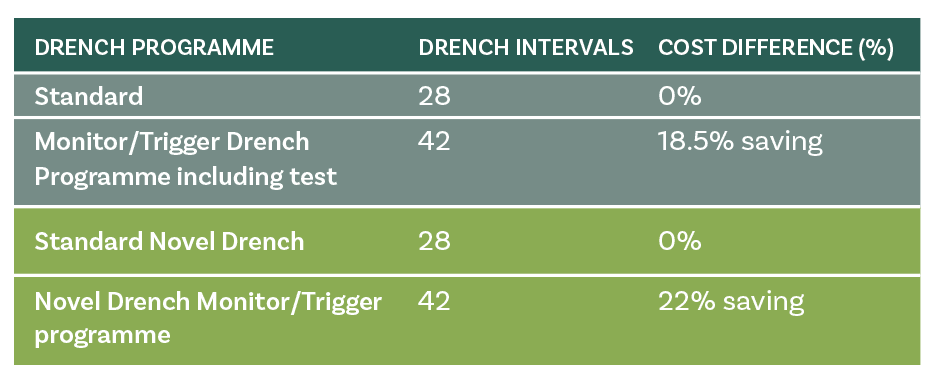
Doing their own FEC testing on farm (see sidebar below) and trigger drenching have also been implemented as tools in the fight against drench resistance. The trigger drench programme meant moving away from the standard 28-day drench cycle; now they only drench when there’s confirmed need, based on the FEC monitoring and liveweight gains.
FEC TESTING IN CATTLE
Rangitāiki utilises FECPAK as an on-farm diagnostic tool to carry out their own testing.
Head shepherd Pete Newman has taken ownership of this job. Samples are collected and tested by Pete at home. He is able to turn samples around within hours, giving real-time results that can be actioned to make decisions immediately.
The FECPAK digital microscope takes images of samples from sheep, cattle, equine and camelids and shares them to the cloud for counting by AI or its trained technicians. The FECPAK software stores results securely and enables access from approved people, such as farm managers and animal health advisors.
“It’s not a result like you would get from the vets, but it gives us enough information,” James explains. “It costs about $7/test and allows us to plan our workload for the rest of the week and act accordingly.
“For example, this week we tested 5000 head and we will only drench 250 animals, which is a massive saving in time and resource.”
James says they have been able to reduce animal health costs by 20% by utilising the FECPAK tool and consequently, drenching less (see table).
Disciplined quarantine management
All incoming calves are drenched before arrival, and upon arrival, then undergo a 24-hour quarantine period, ensuring any potential parasites are managed before integration into the herd.
The results
By extending the growing period for the calves thanks to the new lucerne platform they have almost doubled calf weight gains from 400g per day to 750g/day. They have also recorded more than a 20kg increase in average bull kill carcase weights year-on-year, increasing farm production.
Overall bull herd health has improved, death rates have decreased, staff workload has reduced and team morale has been boosted.
James says they are still on the journey, and are not yet where they want to be. But they’ve made great gains. “It’s a tough journey and at times she’s a lonely road, but we’re starting to see fruits in that space. The vets don’t have the golden answer and the reality is the vets are learning as well. It’s a challenge we are working through as an industry.”
Rangitāiki is driven by a culture of ‘don’t be afraid to change’, and in this case, they knew the change had to be big. “It’s been awesome working alongside Pāmu on this. Ultimately, we want to keep farming bulls and it was about how do we enable it? Rather than a small tweak, it was think big.”
He says it has been difficult for his team, but he’s grateful to them, particularly Farm Operations Manager Nathan Paton, who has been key in helping turn things around. “Those beef bull finishing roles are hard to fill in the first place, when you add in animal health challenges it’s even more testing; 100kg calves are not everyone’s cup of tea. Now we’re having conversations around stock performance, which is exciting, and there’s pride from the feeding profile, crops, getting the transition right, pasture intake, managing feed covers and demand. The ultimate is when the animals are in the yards and you’re seeing the results.
“Stockmanship is so important. Having reduced death rates in the calves and having stock looking good is bloody awesome.”
Pāmu has been open about its experiences with drench resistance, and has even presented to the Parliamentary Select Committee on the issue. It also has farm open days planned to share the learnings.
Rangitāiki Station
- Central North Island, near Taupō
- 9,753ha (8,103ha effective)
- Predominantly flat to rolling country
- Altitude ranging from 650–900m above sea level
- Long winters followed by explosive spring growth
- Sheep, beef and deer operation wintering 85,000 stock units