Spring starts with a plan, not a paddock
A strengthening El Niño signal does not change the fundamentals of a good spring, but it does change the odds on the calls made in the next three months. Words Dr. Maria Elena Duter.
Spring always runs to the same script: covers to manage, stock to feed, crops to get in the ground and never quite enough hours to do it all calmly. This year there is an extra layer worth paying attention to.
After a mild La Niña-leaning end to 2025, the Pacific has swung the other way through the middle of 2026 and forecasters are picking a strong, possibly historic El Niño to build through spring and into summer.
That does not change the basics of good farming, but it does change the odds on some of the calls made over the next three months, says Farmlands Head of Agronomy, Dr Maria Elena Duter.
“It’s worth building into your planning now, rather than reacting to it in January,” she says.
Start with the whole farm, not the paddock
It is tempting to jump straight to fertiliser rates or lambing dates, but Elena says the highest-value question right now is what the whole system needs to look like to hit this season’s targets. That means lining up feed supply against stock demand, checking labour and cashflow against calving, lambing or planting windows, and making sure nutrient budgets, effluent storage and winter grazing rules are sorted before they become urgent.
“A paddock-by-paddock approach can optimise the wrong thing beautifully. A whole-farm view catches the pinch points before they bite.”
Look back before you look forward
Before setting this spring’s targets, she suggests spending an hour with last year’s numbers. Where were pasture covers at set-stocking and how did that track against budget?
“None of this is about dwelling on what went wrong. It’s about turning last spring into three or four concrete adjustments for this one, whether that’s shifting a nitrogen application forward two weeks or changing which paddocks carry stock through the wettest month.”
Get the timing right, not just the rate
Soil temperature, not the calendar, drives the response from spring nitrogen. Growth lifts once soils sit consistently above 8-10°C, so Elena recommends a soil thermometer or a regional monitoring service rather than guesswork.
Soil tests should be done now if they are not already – Olsen P, pH, sulphur, potassium and key trace elements all shift the return from every other input this season. In eastern regions, there is a case for getting fertiliser and lime on while soil moisture is still reliable rather than banking on autumn topdressing to catch up.
“A buffer built in September is far cheaper than one bought in a hurry in January.” – Dr Maria Elena Duter, Head of Agronomy, Farmlands
Build the buffer before you need it
Feed budgets earn their keep in spring, so Elena says walk pastures regularly, track covers against budget and adjust rotation length as growth rates change week to week.
“If you’re in a region more exposed to drier El Niño conditions, look now at standing forage crops, plantain or fodder beet to carry stock through a dry patch, and firm up supplementary feed contracts before everyone else is chasing the same tonnes in February.
“A buffer built in September is far cheaper than one bought in a hurry in January.”
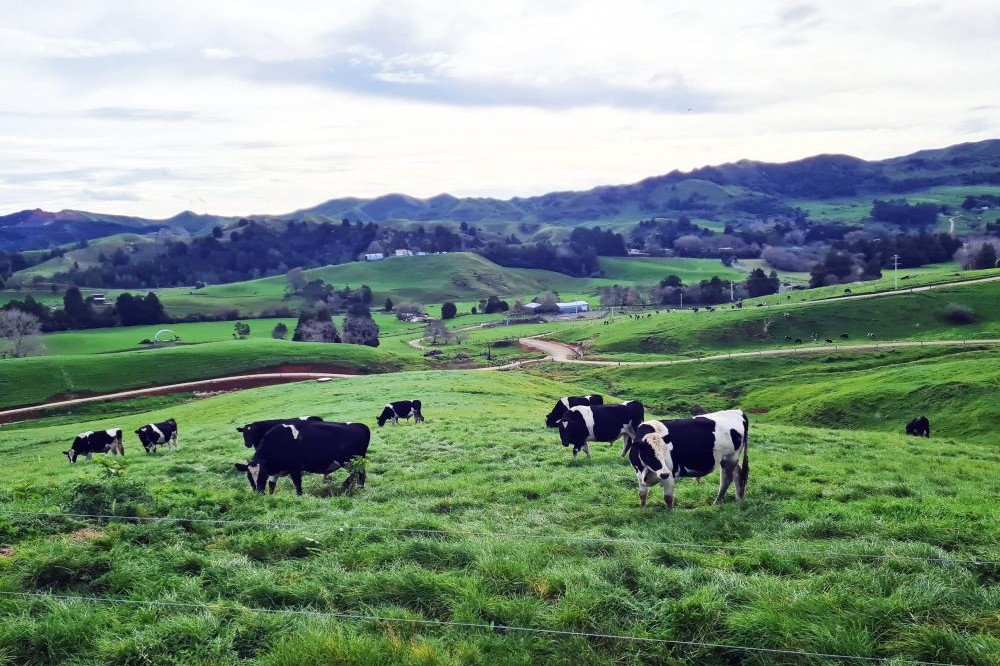
Earth Sciences New Zealand, formerly NIWA, puts the odds at about 95% for El Niño conditions through winter. El Niño years tend to bring more south-westerly winds, drier conditions east of both islands – Hawke’s Bay, Wairarapa, Canterbury and Otago – and wetter conditions in the west. Wind, not just rainfall, is often the bigger on-farm story, so shelter, stock water reliability and irrigation capacity are worth checking now.
The point is not to panic, Elena says, but to build decision points into the plan.
“If growth rates or soil moisture start tracking behind the budget by Labour Weekend, what’s your trigger to act: destocking, buying feed or bringing forward a crop?
“A good spring plan isn’t a longer to-do list. It’s a shorter list of the right decisions, made early enough to matter.”
No matter what your plan, it is important to remember in times of stress that you aren’t alone, so stay in contact with peers and colleagues. Equally, Farmlands can help to provide access to the Rural Support Trust.
Technology worth watching
The pace of change is picking up, Duter says, and most of it is useful rather than novelty. Variable-rate application and drone-based pasture monitoring have moved from novelty to mainstream contractor service.
Industry voices point to artificial intelligence, biotechnology and gene technology as the big swing factors and to a need for building farm teams that are comfortable with data.
“None of this needs to be adopted overnight, but it’s worth a conversation with your rural professional about what’s proven and what’s still finding its feet.”
Five jobs for this week
- Pull last spring’s pasture cover and feed budget records and note three things to change.
- Get soil tests now if they are not already done – Olsen P, pH, sulphur, potassium, trace elements.
- Set a soil-temperature trigger for nitrogen timing rather than working off the calendar.
- Check shelter, stock water and irrigation capacity against a drier-than-usual summer scenario.
- Bookmark NIWA weather, Earth Sciences New Zealand and put a weekly check in the diary.
Visit farmlands.co.nz