Restoring Mana
The transformation of a once-neglected property on the coastal hills on Northland’s Whangaruru Harbour was recognised on the national stage when Whangaroa Ngaiotonga Trust was awarded the 2025 Ahuwhenua Trophy. Words Sarah Perriam-Lampp.
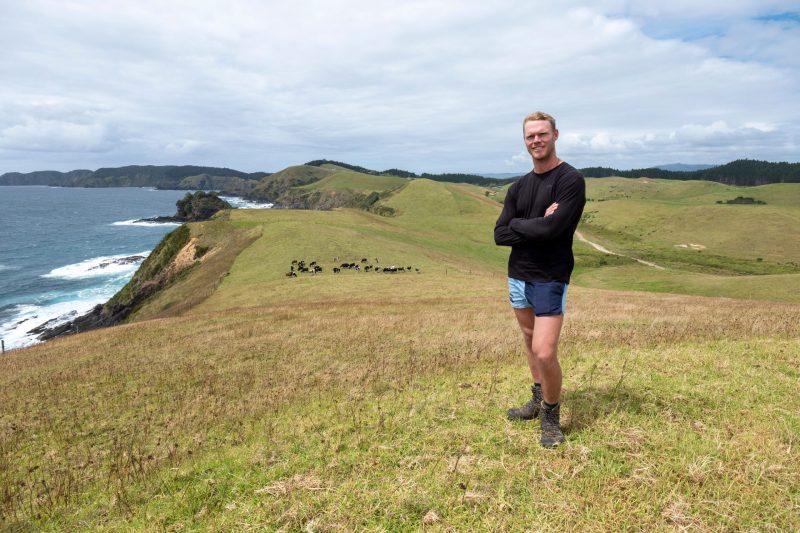
 Thriving now under Māori leadership not just as a productive farm, but as the beating heart of a revitalised community, Whangaroa Ngaiotonga Trust has a complicated history. Once home to numerous Ngātiwai whānau, including descendants of the founding ancestor Manaia, the land was pulled into a government consolidation scheme in 1952. By 1961, mismanagement left the block saddled with debt four times its value.
“In many ways, our story is one of disconnection and loss,” Morris Pita, co-chair of the trust explains. “For nearly 70 years, we were disconnected from our whenua. But in 2020, we came back onto the block to farm it again.”
The Whangaroa Ngaiotonga Trust was formally established in 1988, but financial pressures saw the land leased to a third party until 2020. Morris said the trust finally got back to managing the land in
2020, after nearly 70 years of disconnection, resuming direct management with an ambitious and carefully planned turnaround.
They had support from MBIE, farming consultants AgFirst, Te Puni Kōkiri, the Ministry for Primary Industries and Northland Regional Council.
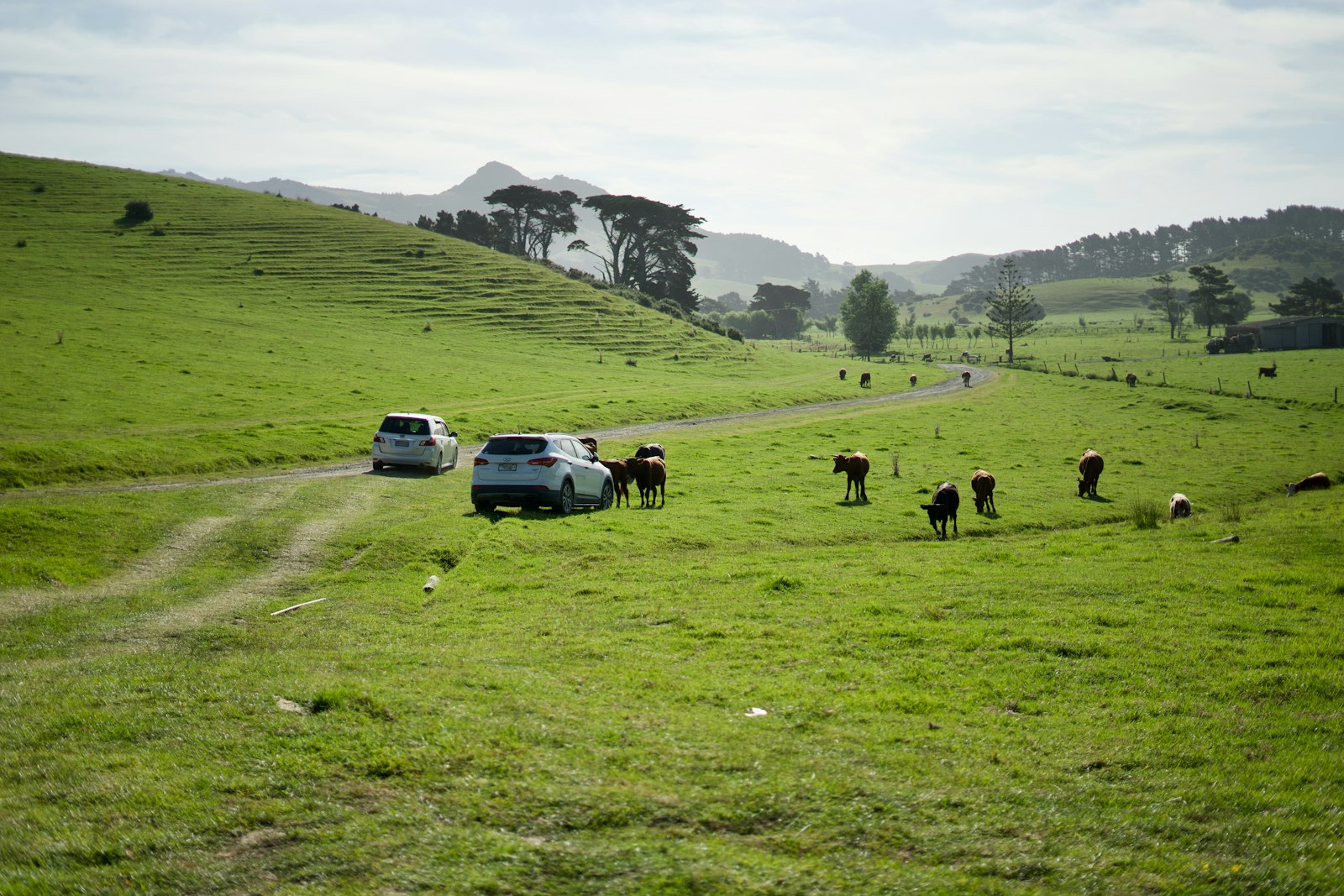
“We’ve completely rebuilt the infrastructure,” Morris says. “We started with 188 steers and went on to create 480 paddock cells for better pasture rotation, a reliable freshwater supply, and a road system that actually works. Now you can move stock without stopping every five minutes to open a gate.”
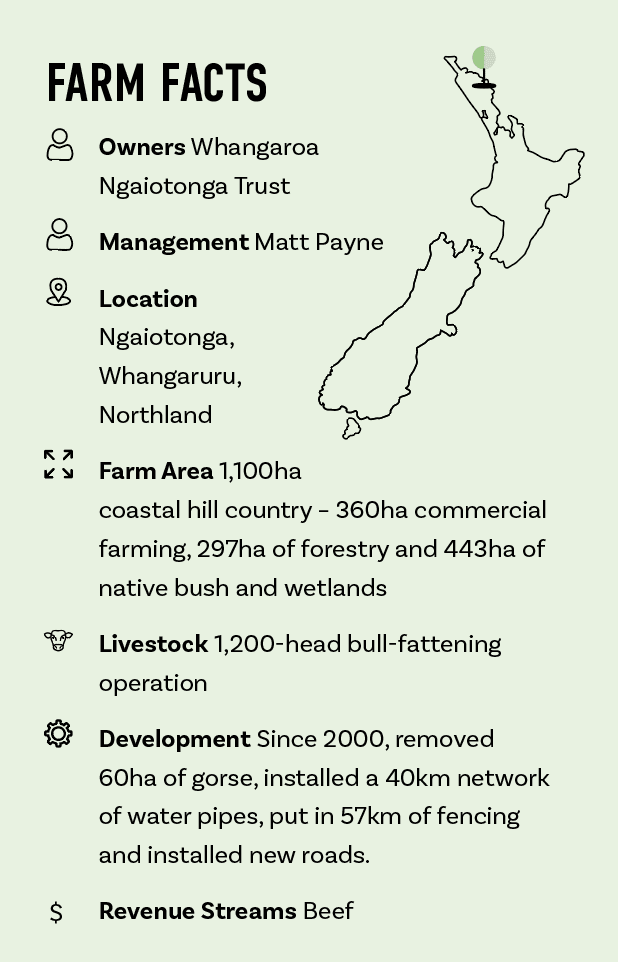
Today, it operates a thriving bull-fattening system of around 1,200–1,500 head on 360 effective hectares, with an additional 40ha leased nearby.
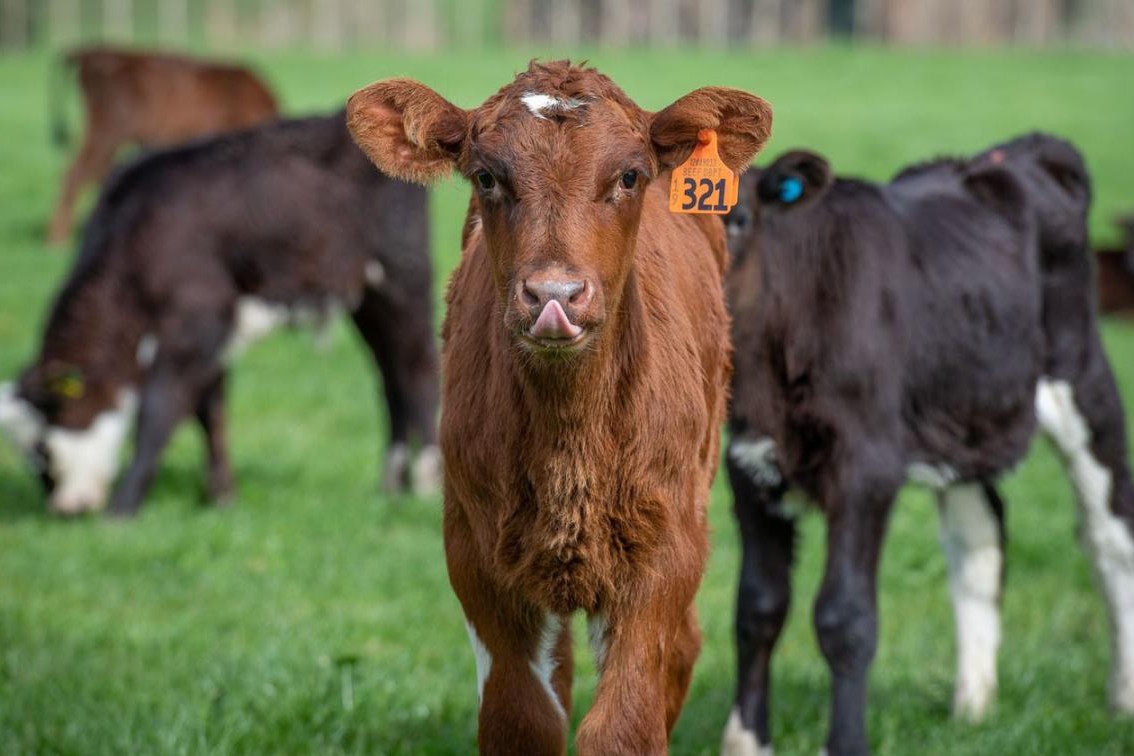
“We buy our bulls around four months old and sell them as either 14- or 25-month animals,” says Morris. “It’s a productive system that works for our land and our people.”
Production key but environment non-negotiable
One of the first things the trust did was fence off the 443ha of wetlands and native bush, removed 60ha of gorse, and installed a 40km network of water pipes.
“There are nine holding tanks, which are sitting up on the high points that feed fresh water from our maunga (mountain) through the new reticulation network across the farm,” explains Morris
The trust also put in 57km of fencing and installed new roads around the farm like a central ring for efficiently moving stock.
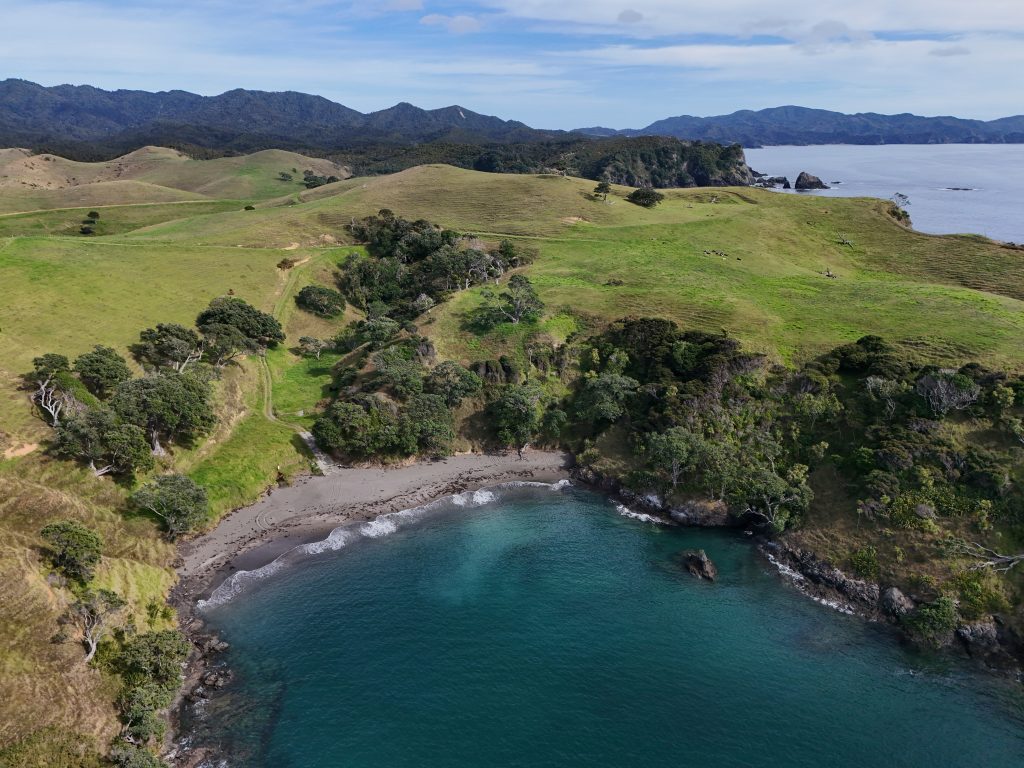
These areas have quickly begun to regenerate. “The pāteke (brown teal) and matuku (bittern) are returning,” Morris says. “Possum-damaged pōhutukawa are flowering again. The land is healing.
“We saw how the waterways were unprotected and how that wasn’t good for the stock – or the environment.”
“It’s about getting our fingers back into the soil and reconnecting with our food sources and our whenua.” – Morris Pita, co-chair, Whangaroa Ngaiotonga Trust
Native planting programmes and wetland restoration are ongoing, supported by careful land-use planning. The trust is also exploring horticulture and ecotourism as future ventures, ensuring the land’s economic sustainability while preserving its natural taonga.
“Our team of trustees has just started building a māra kai (garden) for our community,” says Morris. “It’s about getting our fingers back into the soil and reconnecting with our whenua. Like the sheep we farm around our steeper coastal bluffs, the garden will become another a great source of kai for whānau and tangihanga at our marae.”
Community-first philosophy
Morris is clear: the farm is run for the people of Whangaruru who whakapapa to (descendants of) the land.
“The work we’re doing isn’t just on the land. It’s with our people,” Morris explains. “We’ve supported the local kura and kapa haka, paid for rugby uniforms, and given out educational grants. Whatever’s happening in the community where we can – we’re keen to support.”
Community engagement is consistent and transparent. “We hold an AGM every year, and that’s a real focal point for our people to come together, have their say, and hear what’s next,” says Morris.
With a solid foundation in place, the trust is now looking to expand its impact. “Step one was to stand up our farming operation,” Morris says. “Step two is to optimise it. Step three is to grow our footprint – lease more land, buy land if it becomes available, and diversify our operation.”
This vision includes scaling up horticulture and capturing winter rainfall for water storage. “Infrastructure is key to that next phase,” he adds. “We need to be able to support year-round growing systems.”
Importantly, the trust is also exploring how to share economic surpluses more broadly with whānau. “We want the benefits of this land to reach as many of our descendants as possible.”
“We want the benefits of this land to reach as many of our descendants as possible.” – Morris Pita, co-chair, Whangaroa Ngaiotonga Trust
Māori farming success
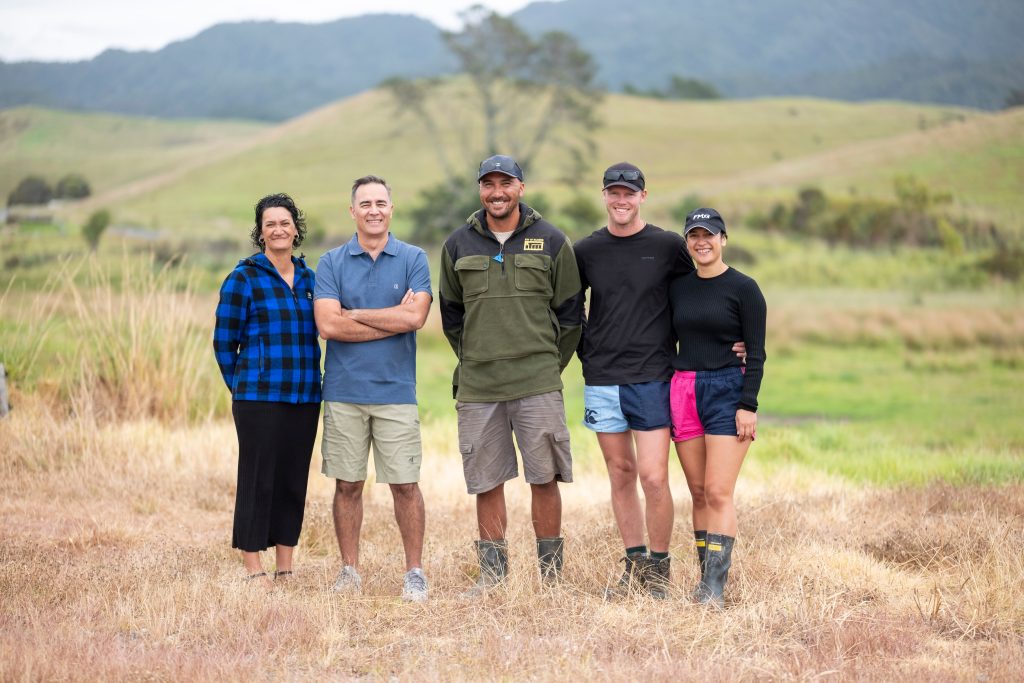
The Whangaroa Ngaiotonga Trust story is a blueprint for success – grounded in whakapapa, powered by innovation, and focused on collective wellbeing. For the trust, their reason for being is more than the farming operation; it’s about healing their land, restoring mana, and creating a future that is both prosperous and empowering for the thousands of descendants of whānau who used to live on the whenua.
“We’ve experienced rapid acceleration over the last five years,” Morris reflects. “We’re turning it around. Northland needs more uplifting stories, and this is one we can all be proud of.”
In the lush hills above Whangaruru, that story is still being written with visionary leadership and a future full of promise.
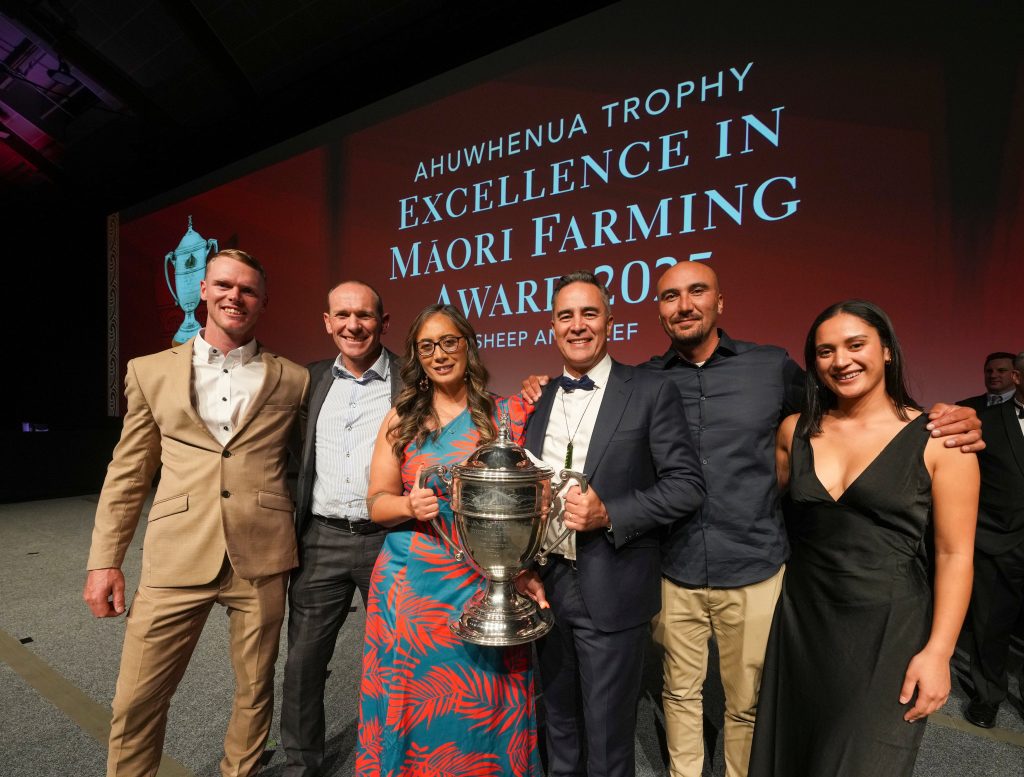
Ahuwhenua Trophy 2025
The Ahuwhenua Trophy is New Zealand’s most prestigious award for Māori farmers, celebrating excellence and innovation in agriculture.
Established in 1933 by Sir Apirana Ngata, the award is New Zealand’s highest honour for Māori in agriculture. The competition was initially aimed at dairy farmers, but over the years it has grown in scope. By 1954, the competition split into separate categories for dairy and sheep/beef, reflecting the distinct challenges and opportunities each farming sector presents. This year’s focus was on sheep and beef farming, and Whangaroa Ngaiotonga Trust stood out among strong finalists.
Nukuhia Hadfield, Chair of the Ahuwhenua Trophy Management Committee, says:
“Whangaroa Ngaiotonga Trust are indeed worthy winners. Their governance and farm management is outstanding.”
“This is more than a farming prize for us,” says Morris Pita, co-chair of the trust. “This is about reclaiming our connection to whenua, restoring its mauri, and empowering our people.”
Minister for Māori Development Tama Potaka praised the awards as vital for recognising Māori excellence. He noted
that Māori farmers contribute more than $2 billion to New Zealand’s export economy – a figure that continues to grow as Māori agribusiness expands.