On the lookout for Listeria
Listeria can present in a number of different ways and one common source of listeria infection in sheep is from feeding silage that hasn’t been well preserved. Vet Sara Sutherland outlines the different symptoms and treatments for listeria, and the importance of involving your vet early.
A farmer rang me because he had had a couple of ewe deaths in a mob of older ewes that were being fed balage over winter. He also had ewes that were looking sad and with a dark coloured diarrhoea. Could this be worms? Pneumonia? I went to have a look.
Farmer B, a lifestyle block farmer, rang because he thought his beloved pet ewe “Molly” had had a stroke – one side of her face was droopy and she was starting to circle to the left. He then spent 20 minutes telling me about his mother in law’s stroke.
Farmer C wanted antibiotics because he had an outbreak of pinkeye in ewes. He was frustrated that he was getting pinkeye in winter, and sick of having to bring ewes in to treat them in the mud and rain, and it was almost scanning time and he just wanted to get this sorted.
Farmer D had started finding aborted lambs a couple of weeks before set stocking. His ewes were fully vaccinated for the most common causes of abortions, Toxoplasmosis and Campylobacter. He didn’t want to spend a fortune on lab fees, but he did want to know what was going on.
These sound like very different diseases, but they could all be caused by one bacteria – Listeria monocytogenes. The listeria bacteria can cause any of these four syndromes depending on where it enters the body. Surprisingly, you usually only see one presentation at a time.
Listeria is a bacteria that is often found in dirt and on pasture. It survives well in cold and wet environments. This bacteria is the reason that pregnant women are advised not to eat raw milk cheeses (raw milk cheeses won’t hurt your pregnancy if they aren’t contaminated with listeria) and why many cheese factories don’t allow feeding silage to milking sheep (even though most cases of listeria in milk and cheese are from post-harvest contamination with dirt).
“One common source of listeria infection in sheep is from feeding silage that hasn’t been well preserved. Silage should have a pH below 4.5.” – Sara Sutherland, Vet
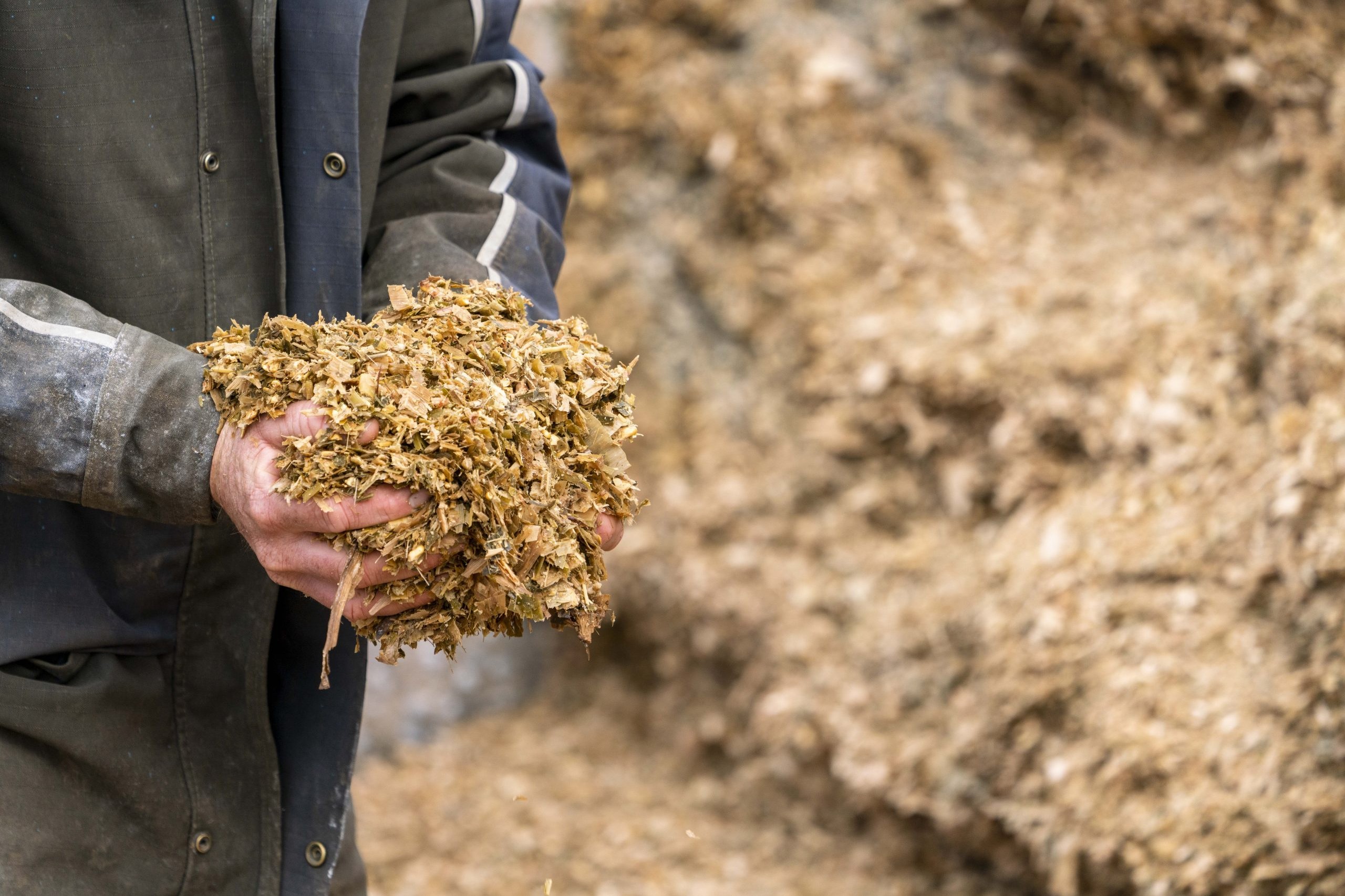
One common source of listeria infection in sheep is from feeding silage that hasn’t been well preserved. Silage should have a pH below 4.5. If it gets to this low pH then the listeria bacteria can’t grow. If it doesn’t, then listeria could grow. Seeing mould in the balage doesn’t mean that listeria will be there, but mould could indicate that silage wasn’t well made. Ideally get some tests on your silage before feeding it (or before paying for it if you are buying it in!). Although this is the most common source, this bacteria is found all over, so you can get outbreaks without feeding silage.
Classic ‘circling disease’ can happen from listeria in silage or in pasture. The bacteria enters little scratches in the mouth and climbs up the nerves into the brain. Infection of the brain causes drooping of one side of the face, circling to one side, depression, and death. If they get a lot of bacteria it can affect both sides of the brain and then they don’t circle, but look like they don’t know where they are. This situation needs some careful veterinary examination to distinguish it from other neurological diseases.
You can save these if you catch them early and give them antibiotics while they are still able to eat and drink – talk to your vet about which medication to use, how much and how often. You are unlikely to get an outbreak of circling disease, usually you just see one affected animal at a time.
Listeria abortion can happen on pasture or after silage feeding. Outbreaks can cause up to 20% losses. Without testing you wouldn’t know if abortions are from listeria or other causes. Bring your vet fresh foetuses, with a chunk of placenta if you can. Spreading animals out on good feed and picking up aborted material promptly may help limit the outbreak. Frustratingly there isn’t a lot you can do after losses have started. I have seen abortion outbreaks from listeria in mobs that haven’t been fed silage.
If the listeria bacteria gets in the eye, usually when feeding contaminated balage on a windy day, animals can get listeria conjunctivitis. It looks just like other types of pinkeye. Your vet can do some tests to tell what has caused the pinkeye.
This may be useful as “winter pinkeye”, caused by a mycoplasma bacteria, doesn’t respond to antibiotic treatment but listeria pinkeye and classic pinkeye will. Talk to your vet about the most practical way to treat. They may also get better if you stop feeding silage and spread them out.
Finally, Listeria gastroenteritis happens when the bacteria enters via the intestine. Normal healthy animals can shed small amounts of listeria bacteria without doing them any harm. But too many can set up a bad gut infection, which you will see either as sick and scouring ewes or as sudden death. Stress or cold weather can also precipitate this. Your vet will be able to distinguish between this and other causes of scouring and sudden death by doing some testing on freshly dead ewes. They can get this on pasture or from feeding infected silage. Deaths can be sporadic or happen as an outbreak.
What can you do with balage if you test it and it has a pH greater than 4.5? Feed it to adult trade cattle or non-pregnant adult animals if you have any. Keep it away from pregnant animals. Be aware of the different signs of disease so that you can keep an eye out for them. If it’s very mouldy then it is only suitable for mulch.
Main take home messages around listeria – get your silage or balage tested, get your vet involved early, do some testing to find out the cause, and never feed mouldy silage to pregnant animals!
- Sara Sutherland is a veterinarian in the Wairarapa. She will share some of the glitz and glamour of the daily life of a vet – sheep poo, dead lambs, maggoty hooves, sticking a hand up a cow’s backside, and lots of talking about worms.