New Zealand’s gene-editing crossroads
Will the country rise to the challenge of blending tradition with innovation, or will it be left behind as the rest of the world marches ahead? 2024 Nuffield Scholar Rachel Baker’s report Navigating adoption of gene editing in the New Zealand primary sector explores her thoughts on managing the complexities of gene-editing adoption – both scientifically and socially – over the coming years.
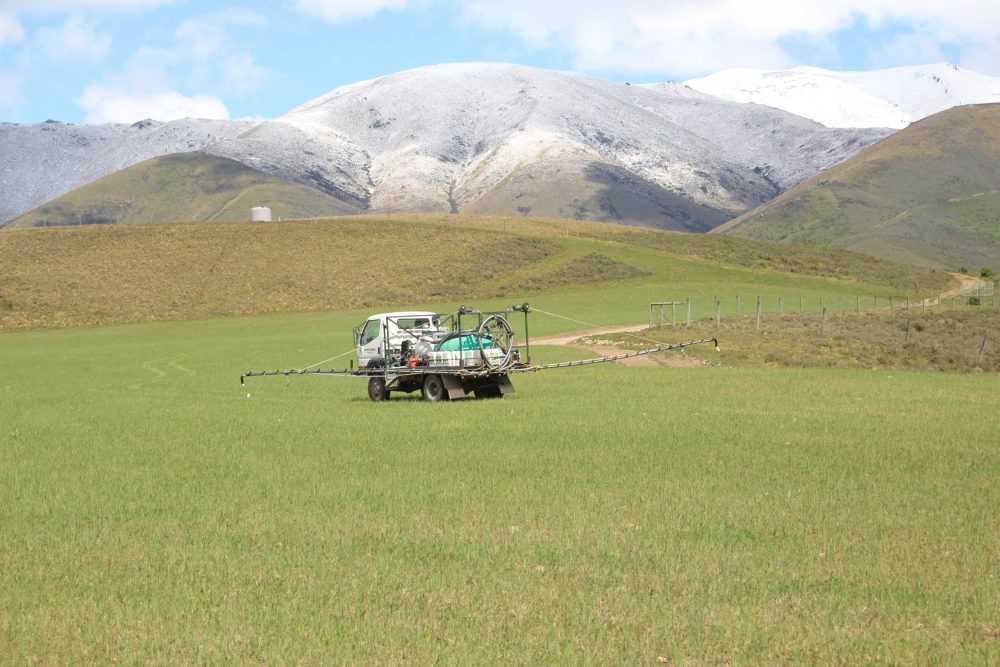
New Zealand has long been celebrated for its lush pastures, grass-fed livestock, and a commitment to sustainable farming practices. The country’s ‘clean, green’ brand has become a cornerstone of its international agricultural identity. But as climate change, environmental degradation, and global food insecurity intensify, New Zealand faces a crucial choice: continue preserving its
GE-free status or embrace advanced technologies like CRISPR to future-proof its farming sector.
“New Zealand stands at a crossroads,” says Rachel Baker, 2024 Nuffield Scholar in her report on gene editing and agricultural policy. “The question is not whether gene editing holds promise – it’s how we move forward responsibly, balancing innovation with public trust and cultural integrity.”
The Promise of CRISPR in the Primary Sector
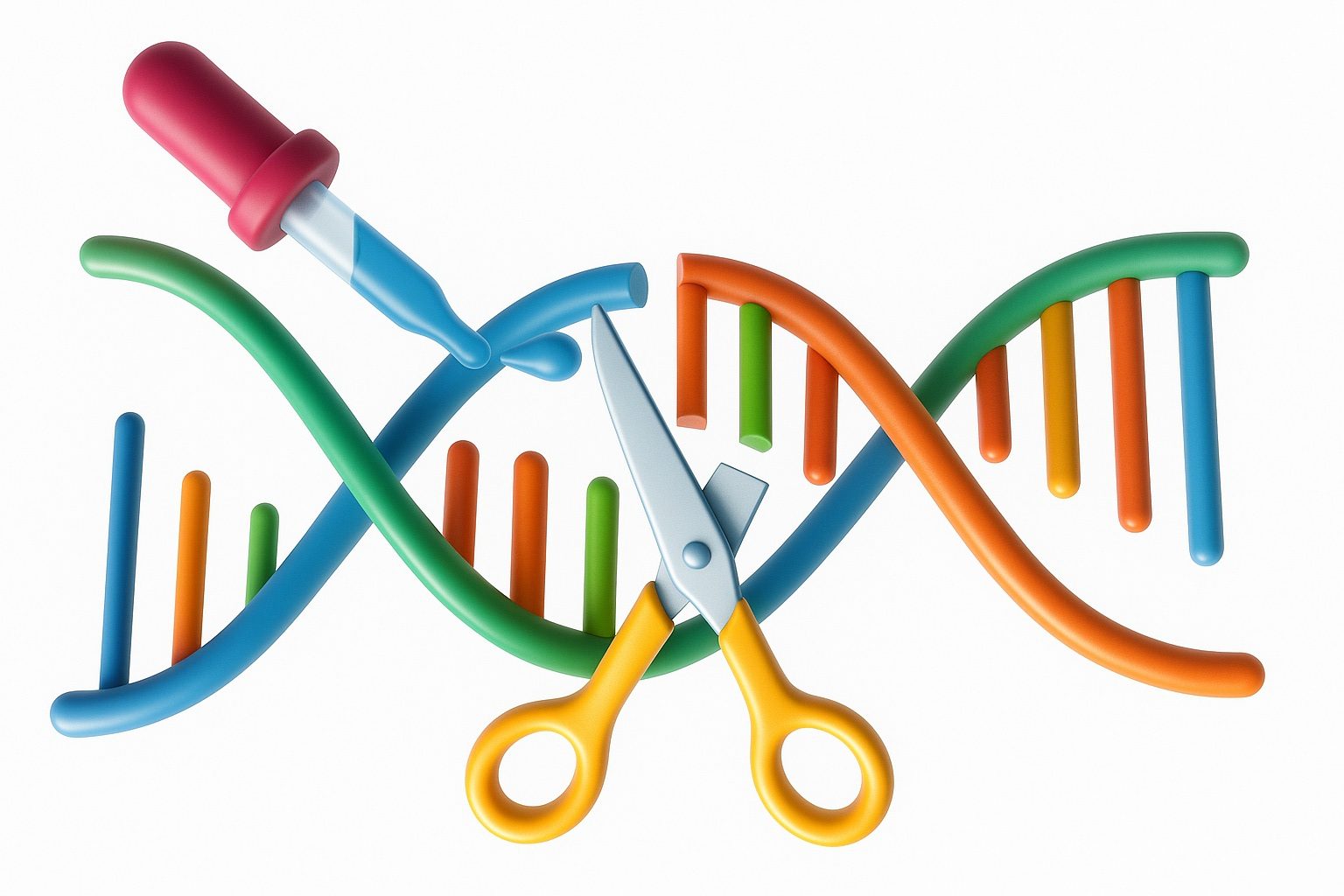
Gene-editing technologies, particularly CRISPR (Clustered Regularly Interspaced Short Palindromic Repeats), allow for highly targeted genetic modifications with remarkable precision. Unlike traditional genetic modification, CRISPR doesn’t necessarily involve introducing foreign DNA, making it a more acceptable option in the eyes of regulators and the public alike.
“CRISPR could help us tackle some of the biggest challenges in our agricultural sector – from improving drought resistance to enhancing animal health,” explains Baker. “It’s a tool with enormous potential, but one that must be used with care.”
With other nations such as the United States, Argentina, and China forging ahead in gene-editing innovation, New Zealand risks falling behind. As international markets shift towards technological acceptance, staying competitive may require adapting local regulations to meet global standards.
A Regulatory Turning Point
New Zealand’s regulatory framework for genetic technologies is among the most stringent in the world. Under the Hazardous Substances and New Organisms (HSNO) Act, gene-edited organisms are treated similarly to genetically modified organisms (GMOs), effectively halting commercial applications. But in 2024, the government signalled a shift by announcing the development of a Gene Technology Bill aimed at modernising regulation to accommodate advances in gene-editing science.
“The current regulatory model no longer reflects the science or the potential benefits these technologies offer,” says Baker. “A new framework would allow case-by-case assessments, ensuring that each application is judged on its own merits.”
This bill could mark a turning point for New Zealand’s agricultural innovation, enabling a more nuanced approach that fosters scientific progress while preserving public confidence.
Public Perception: The Trust Dilemma
One of the most complex challenges facing gene-editing adoption is public trust. New Zealand’s agricultural exports are marketed globally under the banner of natural and sustainable production. Integrating gene-editing technologies risks disrupting this narrative.
“Public perception is everything,” Baker warns. “If consumers perceive gene editing as unnatural or risky, we jeopardise our premium brand and market access.”
Surveys conducted in 2024 revealed that while farmers generally support gene editing for its potential to increase productivity and resilience, the wider public remains divided. Concerns include food safety, long-term environmental impacts, and ethical questions surrounding animal welfare.
“Engagement must be inclusive, transparent, and empathetic,” she adds. “We need to create space for honest conversations – not just with scientists and farmers, but with everyday New Zealanders.”
Māori Perspectives: Upholding Te Tiriti Principles
Māori communities are key stakeholders in New Zealand’s land and food systems, and their perspectives are central to any policy shift involving gene technology. Recent consultations indicate cautious openness to gene editing – provided it aligns with Te Tiriti o Waitangi and Māori values.
“Māori agribusinesses are interested in the potential of gene editing to enhance sustainability and resilience,” notes Baker. “But they are equally clear that any development must respect whakapapa, kaitiakitanga, and tino rangatiratanga.”
A Te Tiriti-led approach, involving Māori in co-design and decision-making, is essential to creating a regulatory system that reflects shared values. This also presents an opportunity to lead globally in inclusive, culturally grounded science policy.
Coexistence with Organic and Non-GE Farming
As gene editing enters the conversation, the organic and non-GE sectors have expressed concerns about contamination, market disruption, and maintaining certification standards.
“We cannot afford to pit innovation against tradition,” Baker insists. “A robust framework must ensure coexistence – where gene-edited, conventional, and organic systems can all thrive.”
Such a framework would need to include clear labelling, buffer zones, and traceability measures to maintain the integrity of GE-free and organic supply chains, both domestically and internationally.
Learning from the Past, Planning for the Future
History offers valuable lessons. The global backlash against genetically modified organisms (GMOs) in the 1990s stemmed largely from poor public engagement and lack of transparency. To avoid repeating those mistakes, New Zealand must prioritise education and trust-building as it explores gene editing.
“It’s vital we communicate not just what gene editing is, but why we’re considering it,” says Baker. “What problems are we trying to solve? What are the risks? What safeguards are in place?”
Emerging research suggests that if gene editing is framed around shared goals – such as food security, climate adaptation, and sustainability – public support becomes more likely.
Ethical and Environmental Considerations
While gene editing promises innovation, it also raises important ethical and ecological questions. How will biodiversity be affected? Will the technology be monopolised by multinational corporations? What protections exist for smallholders?
“We must consider these questions now, not after the fact,” Baker cautions. “Ethics, environmental justice, and governance must be baked into our regulatory systems – not bolted on as an afterthought.”
Baker advocates for an ESG-aligned approach, where environmental, social, and governance factors are built into all gene-editing policies and practices. This could help ensure that the benefits of technology are equitably shared and that unintended harms are avoided.
A Fast Follower, Not a Reluctant Laggard
New Zealand doesn’t need to lead the world in gene editing – but it can’t afford to lag too far behind. A ‘fast follower’ strategy, grounded in international best practices and adapted to local values, may be the wisest course.
“We have the chance to get this right,” says Baker. “By learning from others and tailoring our approach to our unique context, New Zealand can build a gene-editing framework that’s both progressive and principled.”
New Zealand’s agricultural future will be built on dialogue and trust and will depend on its ability to navigate the complex intersection of science, ethics, environment, and identity. Gene editing offers a powerful set of tools to help meet the challenges ahead – but only if managed carefully and inclusively.
“We don’t have to choose between innovation and integrity,” Baker concludes. “With the right regulatory settings, open dialogue, and shared commitment to sustainability, we can do both.”
As global markets evolve and climate threats loom larger, New Zealand’s agricultural sector must evolve too. The path forward is not about abandoning tradition, but reimagining it – with gene editing as a potential ally in a more sustainable, resilient, and equitable food system.