Growing Into Growers
After many years of working with fresh produce, South Auckland’s Peter and Michelle Pan decided to grow fruit and vegetables commercially. Words Helena O’Neill, Photos Alan Gibson & Cristy Benson.

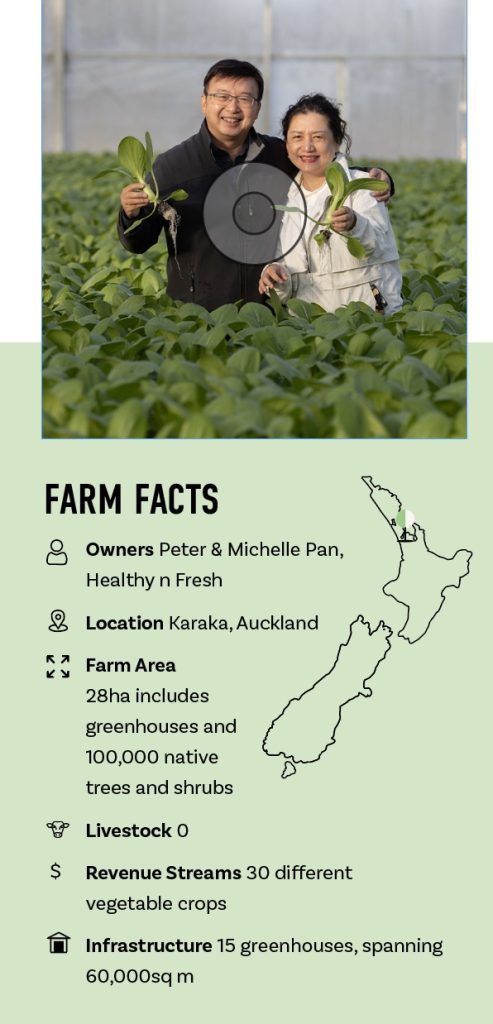 On a 28ha block in rural Karaka, Peter and Michelle Pan operate Healthy n Fresh, a business growing produce hydroponically. They grow more than 30 different crops (and counting) in 15 greenhouses, spanning 60,000sq m.
Their precise planting formula ensures optimal crop numbers year-round, aligning with contract demands and market trends, and reflecting a strong understanding of global trends and domestic demand.
The family-owned company was established in 2008, growing into a major supplier of fresh produce and ethnic food to supermarkets across New Zealand. They own a distribution centre in Mangere, which also imports fresh produce from garlic to dragonfruit. In 2020, the couple embarked on an ambitious project to establish the largest hydroponic farm for leafy greens in New Zealand. This led to the implementation of a cutting-edge hydroponic nutrient film technique system that ensures efficient water and nutrient use.
Energy efficiency is prioritised, with sunlight used as the primary energy source. Meanwhile, innovative pest control methods minimise the need for spraying.
Just 5% of the typical outdoor vegetable farming nutrient requirement is applied, while a highly efficient water reticulation system recycles fluids and nutrients, enhancing plant growth while using a fraction of the water required for typical outdoor vegetable production systems.
Initial capital costs for a hydroponic operation were large, but Peter says traditional methods of farming are resource-intensive and taxing on the environment. Hydroponic farming is a more sustainable way of farming, reducing the use of many unnecessary components of traditional farming, such as soil, pesticides and excess fertiliser.
“Using greenhouses means that crops are less susceptible to weather damage, reducing wastage, while also offering more precise growing,” Peter says.
Hydroponic systems allow better control over supply, along with standardising crops and products. The tabletop heights also reduce back injuries, and working in greenhouses means that staff avoid working in the rain or having harvesting hampered by weather conditions, he adds.
Asian greens, their primary crops, grow well in the hydroponic system, with Peter also finding success in growing watermelons in the summer months.
“They grow well indoors, we control the temperature between 35°C and 40°C, dropping to normal outdoor temperatures at night. The variance in temperature makes them very sweet. We give them enough water so they are very juicy compared with watermelons grown outdoors.”
Growing watermelons in an existing vegetable system utilises the space that would otherwise be underutilised. Hydroponically grown melons are cleaner, faster, and don’t affect the soil, he says.
Driven by a strong interest in innovative agritechnologies, the team plans to further refine its sustainable farming model. Ultimately, they aim to achieve a consistent supply of safe and healthy vegetables that is less dependent on weather conditions. They believe this will enhance New Zealand’s food security and contribute to a more sustainable food system.
More than 100,000 native trees and shrubs have been planted along riparian areas, stabilising the soil, reducing erosion and supporting the sustainability of the broader ecosystem’s waterways.
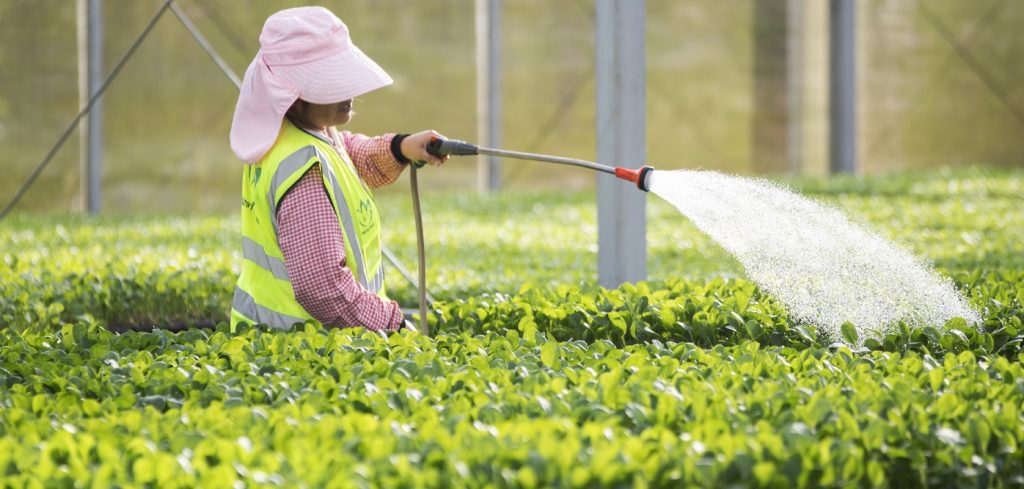
Produce is packed on-site, and rainwater supplies a large storage pond, also allowing for water from inside the greenhouses to be recycled. The business completed building a new 9,000sq m distribution centre in Mangere in 2024.
It wasn’t smooth sailing for the couple as they transitioned to growing fresh produce. Setting up a large number of greenhouses in 2020 offered many challenges due to the Covid-19 pandemic and its many restrictions. One day, a truck arrived on-site from Christchurch with a large number of huge pipes that needed to be unloaded, only to find that the building crews had already removed their machinery from the site. Peter was able to source some help from the previous owner of the property, who used his tractors to roll the pipes off the truck – a stressful start to the project.
Peter and Michelle have a passion for challenging how things are grown, striving for efficiency and consistent quality while being sustainable.
“We have been testing a few things, like herbs. We’re trialling about 10 varieties, including basil, oregano, parsley, Italian parsley, and coriander. We’re also looking into how to grow Thai basil and lemongrass, all grown in the greenhouses.”
Peter says they successfully grew snow peas and sugar snap peas during the winter months.
“At the moment, in winter, we rely on imports from Zimbabwe, the United States of America, and a little from Australia. This coming spring, we’re going to plant a whole greenhouse of snow peas and sugar snaps, all the way through next winter. We want to grow them all year round in New Zealand and not rely on imports.”
Healthy n Fresh is in the early stages of expanding the growing area, with plans for four new greenhouses in the works to make the most of the available land.
“In spring, we will plant a whole greenhouse in snow peas and sugar snaps, to provide a year-round supply. We’re also looking at introducing chillies, trialling them this past winter.”
He also hopes to add some beehives to utilise the mānuka trees planted across the block and produce honey.
Over the past few years, Peter has noticed an increasing interest in Asian greens. Their three most popular products are Shanghai Bok Choy, fancy lettuces, and Wong Bok (Chinese cabbage).
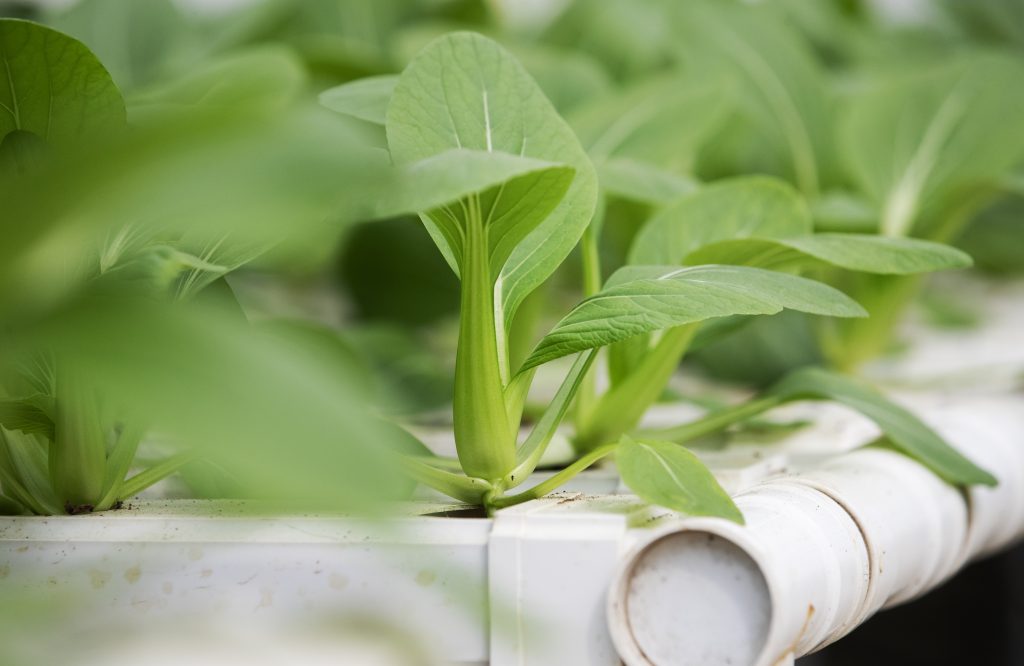
While running a commercial operation, Peter is keen to offer Kiwis more options for their plates. He says Asian greens are nice to eat, and many are quick to cook, suiting our busy lifestyles. Over the past few years he has noticed a greater demand for Asian greens as Kiwi palates become a little more adventurous. Food kits like My Food Bag also help introduce more people to Asian greens, Peter says, with broccolini sometimes replaced with Gai Lan (also called Chinese broccoli or Chinese kale).
Before starting Healthy n Fresh in 2008, Peter had several roles in the produce sector. He says the early 1990s were a challenging time with restaurants closing, and so he helped set up fruit and vegetable stores because people needed to eat. They expanded to eight Vege World stores, later becoming part of Fruit World. It became the biggest chain of fruit and vegetable supermarkets with stores across Auckland and south to Cambridge.
Peter says they are always learning and enjoy experimenting with new varieties of crops and adjusting growing techniques. Earlier this year, he travelled overseas to see how greenhouses and produce businesses operate in other countries. With lots of plans for the future, Peter is full of enthusiasm for the horticulture industry and a passion to grow top-quality produce for Kiwi plates.
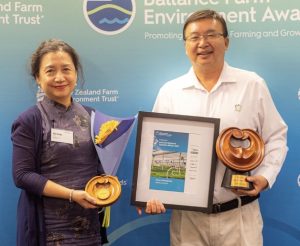 Auckland BFEA
In March 2025, the Pans took top honours at the Auckland Ballance Farm Environment Awards. In awarding the Regional Supreme Award, the judges identified Healthy n Fresh as a standout operation employing advanced growing techniques to mitigate climate risks, minimise waste and ensure a steady supply of high-quality produce.
“A friend of ours visited the farm and told us that we should enter. It was the very first award that we entered, so it was amazing that we won.”
About 120 people attended a field day at Healthy n Fresh after the win with a lot of interest in both the growing operation and the environmental efforts.
“They embrace a continuous learning approach, using trends, data and science to tailor international knowledge to their local conditions and growing techniques, ensuring production efficiency and business success,” the judges said.
Peter and Michelle also won the following awards: Ballance Agri-Nutrients Soil and Nutrient Management Award, Bayleys
People in Primary Sector Award, Hill Laboratories Agri-Science Award, Norwood Farming Efficiency Award, and NZFET Innovation Award.