Expand Their Horizons
It’s not new that farmers learn best from other farmers, particularly small groups that meet regularly. Is it time to expand your knowledge in a key area by joining a focus group? Words Sandra Taylor.

A Beef + Lamb New Zealand focus group is giving one young Northland farming couple the opportunity to identify ways they can make an already high-performing beef finishing operation even better.
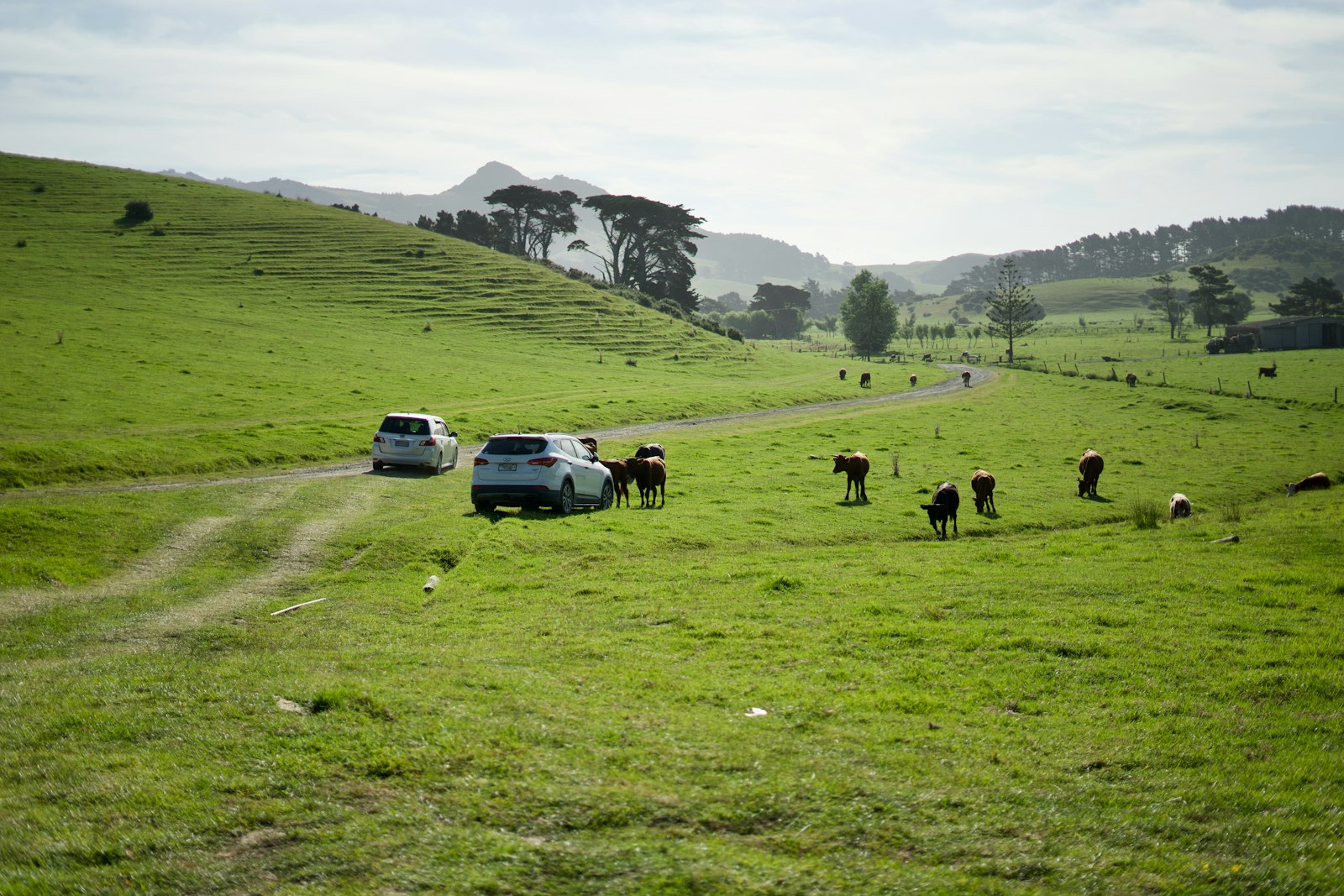
Ryan and Annie O’Callaghan returned to Ryan’s family farm, Temataa Station, four years ago and are working through succession, gradually assuming more and more responsibility of the 760ha bull beef finishing operation near Taipa.
Before returning home, Ryan, who has a Bachelor of Agricultural Science, and Annie, who studied at Taratahi Agricultural Training Centre, had both been on working farms to broaden their experience and skill base.
Ryan’s parents Dennis and Rachelle O’Callaghan, who were B+LNZ Monitor Farmers in 2004 and were Supreme Winners in the Northland Ballance Farm Environment Awards in 2016, have built a reputation for being outstanding operators, and Ryan and Annie are determined to continue in their high-performance footsteps.
Having seen how his father had benefited from his involvement in industry groups over the years, Ryan jumped at the opportunity to join the Kāinga Ora Animal Production focus group when it was formed earlier this year.
“We really wanted to see what we could be doing better. We are both really passionate about farming and saw an opportunity to meet and learn from other people.”
It was also an opportunity to get off farm and socialise with like-minded people. As an AI technician for LIC, Annie says she gets off farm a lot more than Ryan and he has benefited from the social aspect of the focus group.
“The social aspect of the focus group has been important for us. It has been really good for our mental health having that social day with like-minded farmers, picking their brains and not feeling so isolated.
They say they have met a lot of farmers doing some great work and are really enjoying having the opportunity to talk to other very engaged farmers as well as experts such as beef specialist Bob Thompson and local vet Garth Riddle.
With the support of the focus group and Garth Riddle, the couple is working towards reducing their reliance on drenches to manage internal parasites.
They have been using faecal egg counts (FEC) to inform their decisions about when to drench as well as carrying out FEC reduction tests to test the efficacy of their drenches. They have also learnt what worms they are targeting at different times of the year and have been implementing management changes, such as cross-grazing pastures with different classes of cattle, to help control larvae on the pasture.
All of this has enabled them to halve their drench use without compromising production.
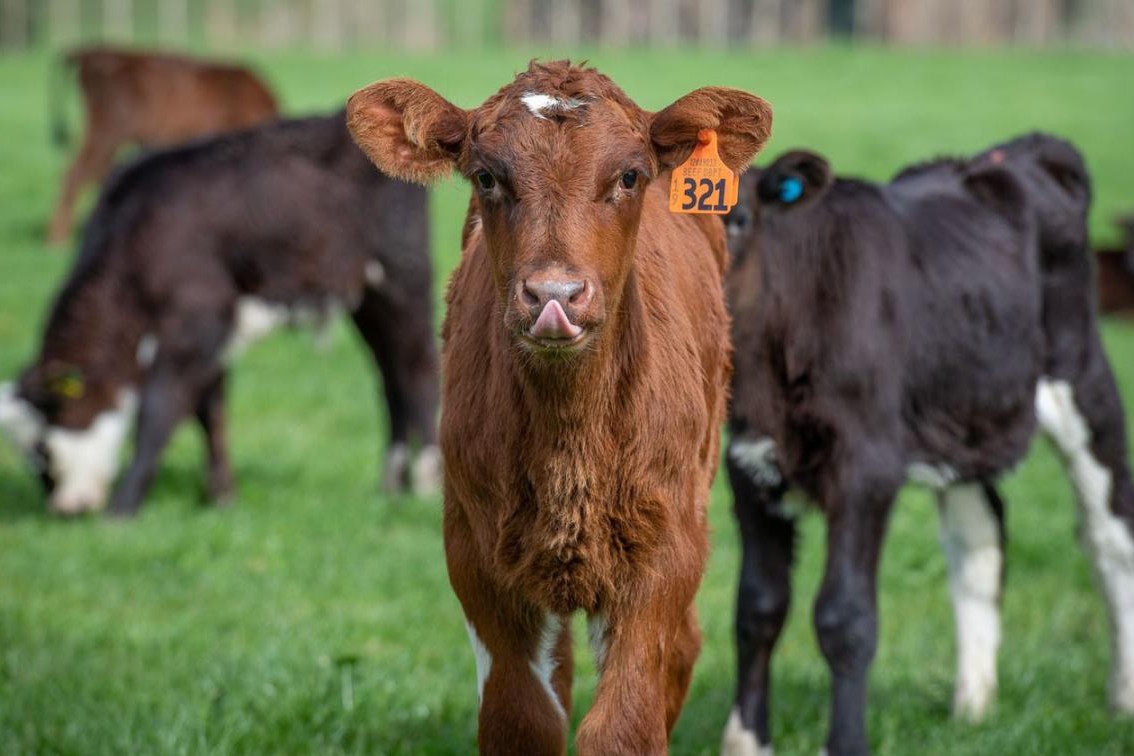
“We used to drench our calves every four weeks; sometimes we are now able to stretch this out to 12 weeks,” says Annie.
The couple use two-year-old bulls to prepare the calves’ wintering pastures and have implemented longer-round lengths, so they are feeding calves particularly well in late winter and early spring. Well-fed stock can better tolerate worm burdens.
As part of this focus on feeding as a worm management strategy, they are looking at ways to improve pasture quality in their Kikuyu dominant pastures.
“Increasing pasture quality all relates to feeding stock better and reducing our reliance on drenches,” says Ryan. “Everything ties together.”
Annie says their focus group meets around every six to eight weeks and they return from their meetings “with their heads spinning”.
“We cover so much; we come home brainstorming new trials we could carry out on the farm and different ideas we would like to implement or work with.”
They are both relishing the opportunity to throw around ideas with farmers who bring a wide range of experience to their focus group.
“We keep pushing each other to maintain the momentum,” says Annie. “Ryan and I have learnt so much. They are so knowledgeable and have so much farming experience, we are seeing things from a different point of view.”
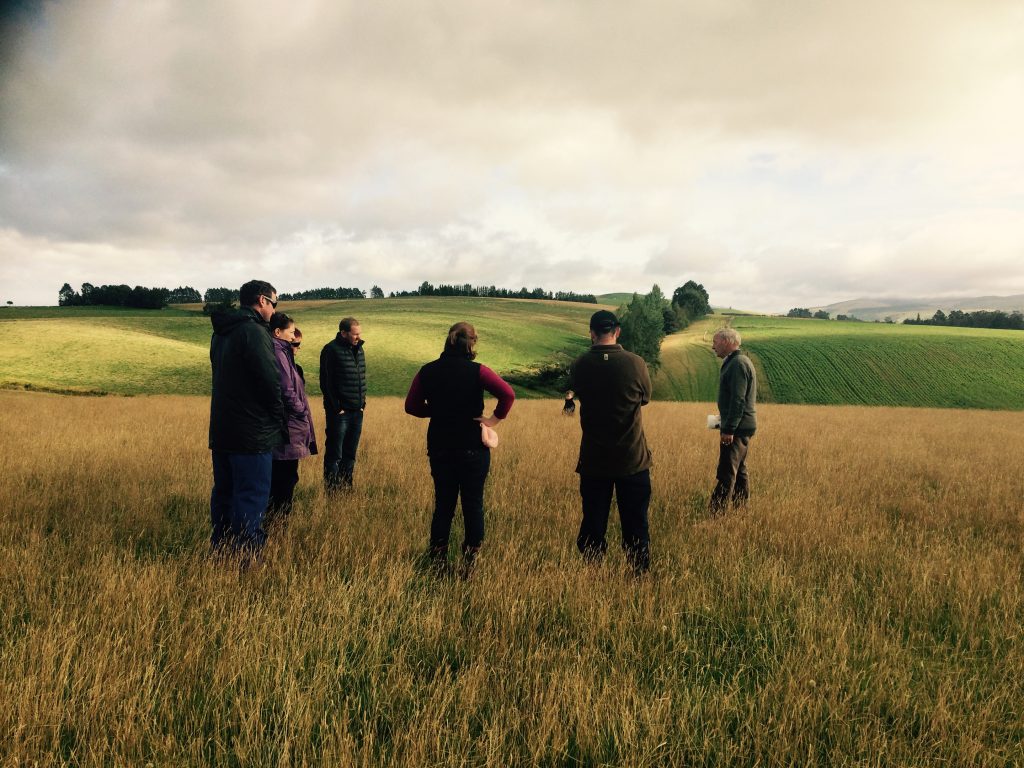
B+LNZ Focus Groups
B+LNZ focus groups are a small-group learning initiative introduced into the extension programme as part of B+LNZ’s refreshed strategy.
Alison Whitefield, B+LNZ’s Extension Manager for the Northern North Island, says the Kāinga Ora Animal Production focus group, which started in February, is one of two focus groups running in the region, both focusing on animal production.
“It’s really rewarding working with both these focus groups,” she says. “They are a great bunch of really engaged farmers who are willing to share their knowledge and experience.”
She says focus groups are topic focused, and outcomes driven, giving farmers the opportunity to learn from other members and subject matter experts. These groups are deliberately kept small to ensure everyone gets a chance to share insights and learn from each other.
Research carried out by the Red Meat Profit Partnership found that farmers learnt best from other farmers, particularly small groups that met regularly. Participants grew in confidence and benefited from the support of other group members as they actioned changes in their farm businesses.
Each B+LNZ focus group is closed for the duration, usually over two years, with eight group days in total. The group activity is designed to learn, identify opportunities and then identify actions to take ‘back home’ – delivering real value now and into the future.
A focus group is free to all B+LNZ levy payers and their employees; these groups are closed groups with members committing to the full group journey.