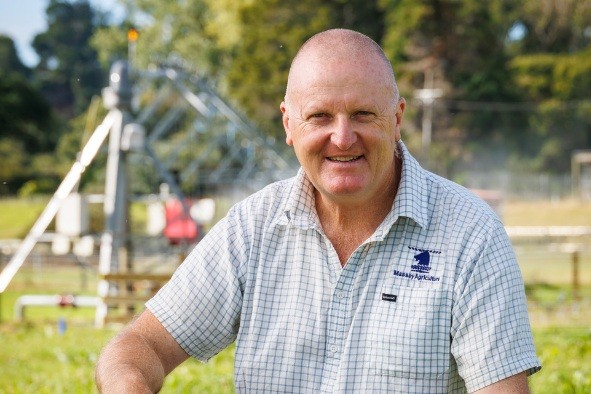

Getting calf pens clean and dry before the season starts is the most effective way to avoid disease problems that can affect stock performance, says Murray Hart, Ecolab’s Business Development Manager in Animal Health.
Young stock are the most valuable animals on the farm, Hart says, and the window before calving begins is the best opportunity to get facilities into the condition they need to be.
“It comes around super quick, and it is that time of the year… getting those calf rearing facilities where you want them is potentially going to save a lot of work and hassle down the track.”
Springtime creates particular challenges, Hart says, with wet conditions meaning bacteria is constantly being carried in from the paddock. The volume of rural professionals and contractors moving on and off farms during calving raises the risk of introducing disease from outside.
Boots, clothing, calf trailers and any equipment used to shift calves are all potential vectors, he says.
“You don’t want to be trudging in with dirty boots. Keep your calf trailers hosed down, disinfect them, and keep them clean.”
A disinfecting programme that covers the border between the calf pen and everything outside it is the foundation of good biosecurity, Hart says. Regular spraying and keeping bedding fresh are central to that.
“Have a good system set up where you can regularly disinfect and make sure your calf rearing pens are dry.”
Ecolab’s Virocid is a concentrated broad-spectrum disinfectant covering rotavirus and a range of other pathogens, Hart says.
The product was proven in high bacterial loading scenarios overseas before being introduced to New Zealand, where it has been available for more than six years. It can be sprayed or foamed, with foaming offering a practical advantage, he says.
“When you say that you’re hitting all the spots, it has that great advantage of being quite visual.”
A two litre pack size joins the existing five litre option this season, Hart says, giving smaller operators an entry point.
“It’s what the industry asked for, so it’s what we’ve brought forward.”
Both sizes are available at Farm Source, PGG Wrightson and Farmlands.
“It’s a lot easier getting it right at the beginning than dealing with any potential issues.”
To find out more about Biosecurity and Barn Hygiene go to: Dairy Barn Hygiene | Ecolab
CountryWide CONNECT with Andy Thompson & Sarah Perriam-Lampp is our daily rural show livestreamed from 11am-1pm. Visit country-wide.co.nz on how to watch/listen or download the CountryWide CONNECT mobile app, available on Apple iOS and Android.