Building wealth beyond the farm gate
Bay of Plenty farmers, John and Catherine Ford, have layered their financial diversification steadily over time to avoid all their wealth being tied up in land and livestock. This has built a second wealth generating engine under their family farm’s balance sheet. Words Sarah Perriam-Lampp, Photos John Ford.
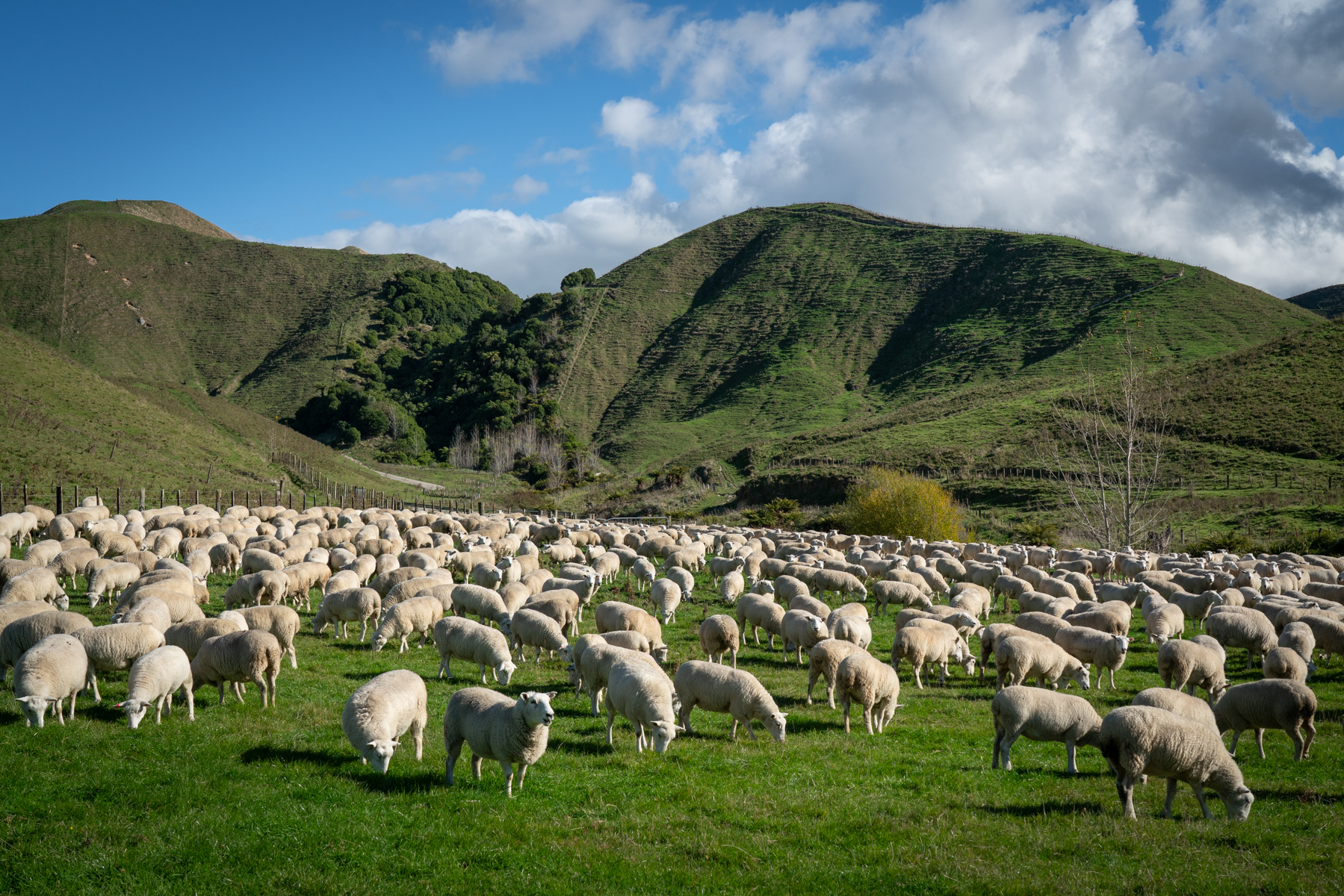
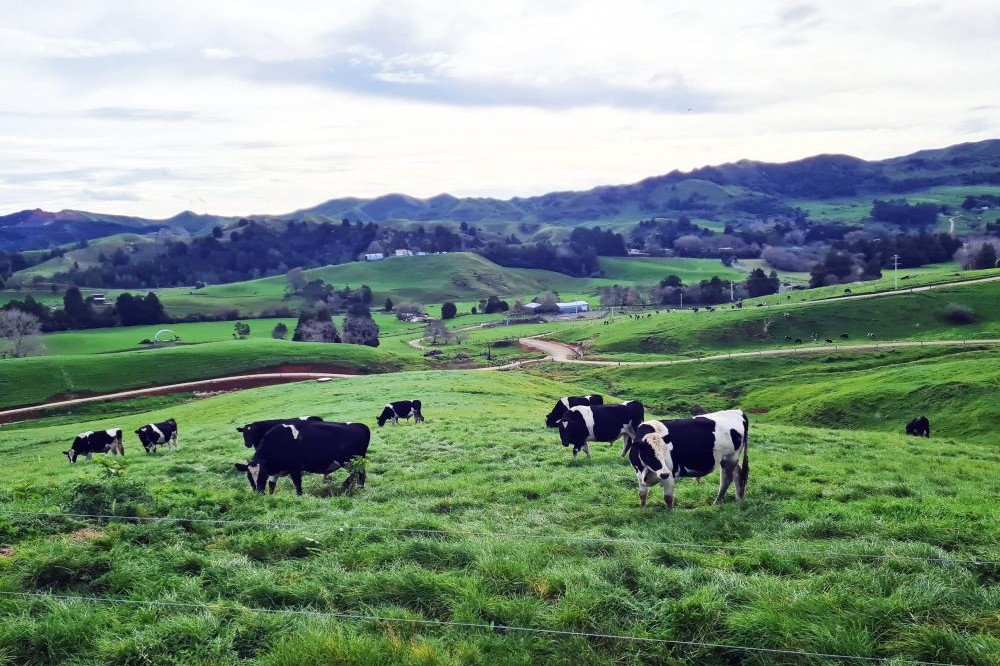
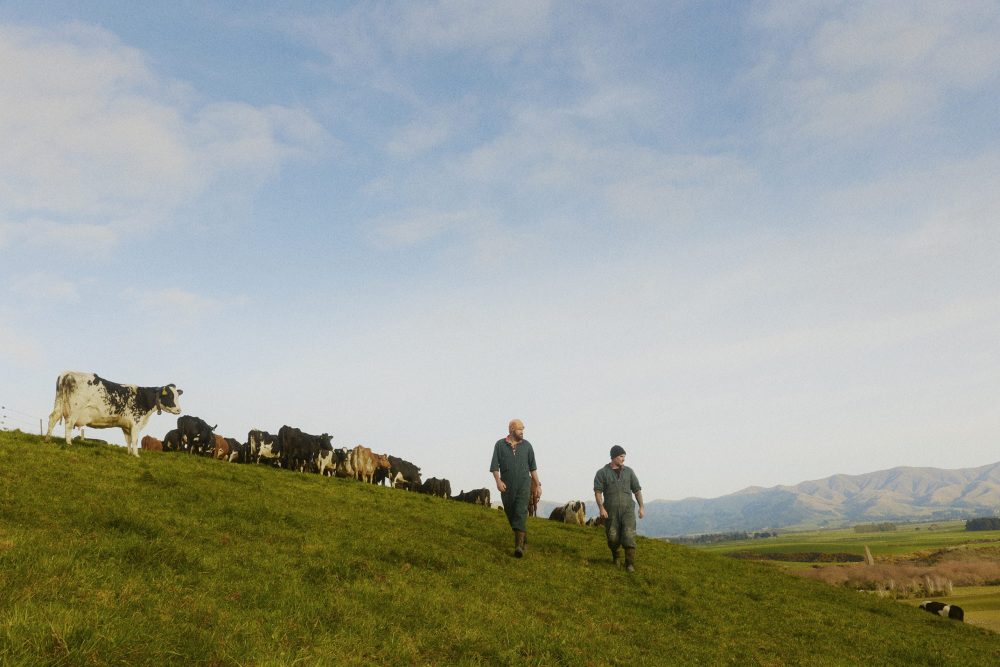
John Ford is the first to admit he loves farming. Once 1,640ha, Highland Station is a part of the family farm built up since 1931, with John and his brother dividing the land in 1995 and John retaining 1,200ha.
“It was pretty tough going when we bought the farm in ’95. I think we got to a low point in ’98 when bull beef was worth less than $2.”
By the early 2000s, after grinding through the tough years, the business had regained its feet. Instead of simply paying debt back as prices improved, John and wife Catherine began to diversify their investments off-farm.
Over the past two decades, the Fords have quietly built a substantial off-farm portfolio with much of it through Pie Funds – turning surplus farm cash (and some borrowed money against the farm) into long-term wealth that now gives them options with succession and retirement.
“The whole reason we did this was to diversify our asset base and also diversify our income.”
Play the “long term game”
When they started, many farmers were investing in more land, but nothing suitable came up nearby for John and Catherine – so they did something that they say felt pretty ‘radical’ for hill country farmers at the time.
“Instead, we borrowed the money and put it into the share market, which is a little bit unusual for farmers as many had a bad taste in their mouth still since the ‘87 crash.”
“Our investments have made us 10.8% (per annum) as an internal rate of return over the 23 years of investing. Compared to our farm which is about 6.4%.” – John and Catherine Ford, Rotorua
Investing in the share market wasn’t a foreign concept to John. He was educated on shares by his mother as a child, buying his first shares at 11 years old. He researched local brokers and fund managers and found a little-known boutique manager who had just started
out in July 2007.
“There was an article in the Listener about this guy who had a little boutique investment fund. I thought, well, that sounded really interesting.”
He arranged to meet Pie Funds founder, Mike Taylor, in his tiny Takapuna office nine months after Mike had opened in one big empty room with a single desk and a lot of screens.
John started with a modest amount in Pie’s Australasian Growth Fund. Almost immediately, the global financial crisis hit and unit prices fell.
“I think I paid 80 cents for the fund at the time and they promptly went down to about 60 cents. I remember him ringing me up and saying, ‘Oh, they’ll never be as cheap as this, you should buy some more!”
John didn’t top up immediately – “I couldn’t bring myself to buy some more at that point” – but he stuck with Pie Funds and kept adding over time.
“Those units are now worth about $10-$11 23 years later” – which works out at over 13% per anum.
Two decades on, that patience has been rewarded. However, it started small and their strategy was deliberate alongside the volatilities of farm income.
“I had this sort of rule that I’d only put $25,000 into any one company or fund, and then I’d add to it after three or four months.”
That steady, staged approach is known as ‘laddering in’ and meant they were never ‘all in’ at the wrong time, but always building.
The Numbers: Farm vs Funds
“Our investments have made us 10.8% (per annum) as an internal rate of return over the 23 years of investing. Compared to our farm which is about 6.4%.
Crucially, that return has shifted the shape of the family balance sheet.
“We’ve still got three quarters of our assets in land and stock, and the other quarter is in the share market and mainly funds now. 80% of our investments are in funds.”
Why Managed Funds?
Over time he’s moved away from picking individual companies and more into professionally managed funds and ETFs (Exchange Traded Funds).
“I’ve come to realise that if you’re going to invest directly in shares, you really need to be on it full time.”
He says Pie Funds’ Australasian Growth Fund, their Emerging Companies Fund and their Dividend Growth Fund have been “very good” to them.
“You wouldn’t bet the farm on one paddock so why do the same with your off-farm investments?”
John suggests to farmers who haven’t got a lot of knowledge about investments, to find an investment advisor that they’re confident in but to never forget it’s about playing a ‘long game’.
Visit piefunds.co.nz