Taking the Complexity Out
For Nic and Kirsty Verhoek, running a high-input dairy system that performs, without burning out your people or drowning in feed complexity, has been a mix of hard data, disciplined simplicity and a ruthless focus on people and cow welfare. Words Sarah Perriam-Lampp.
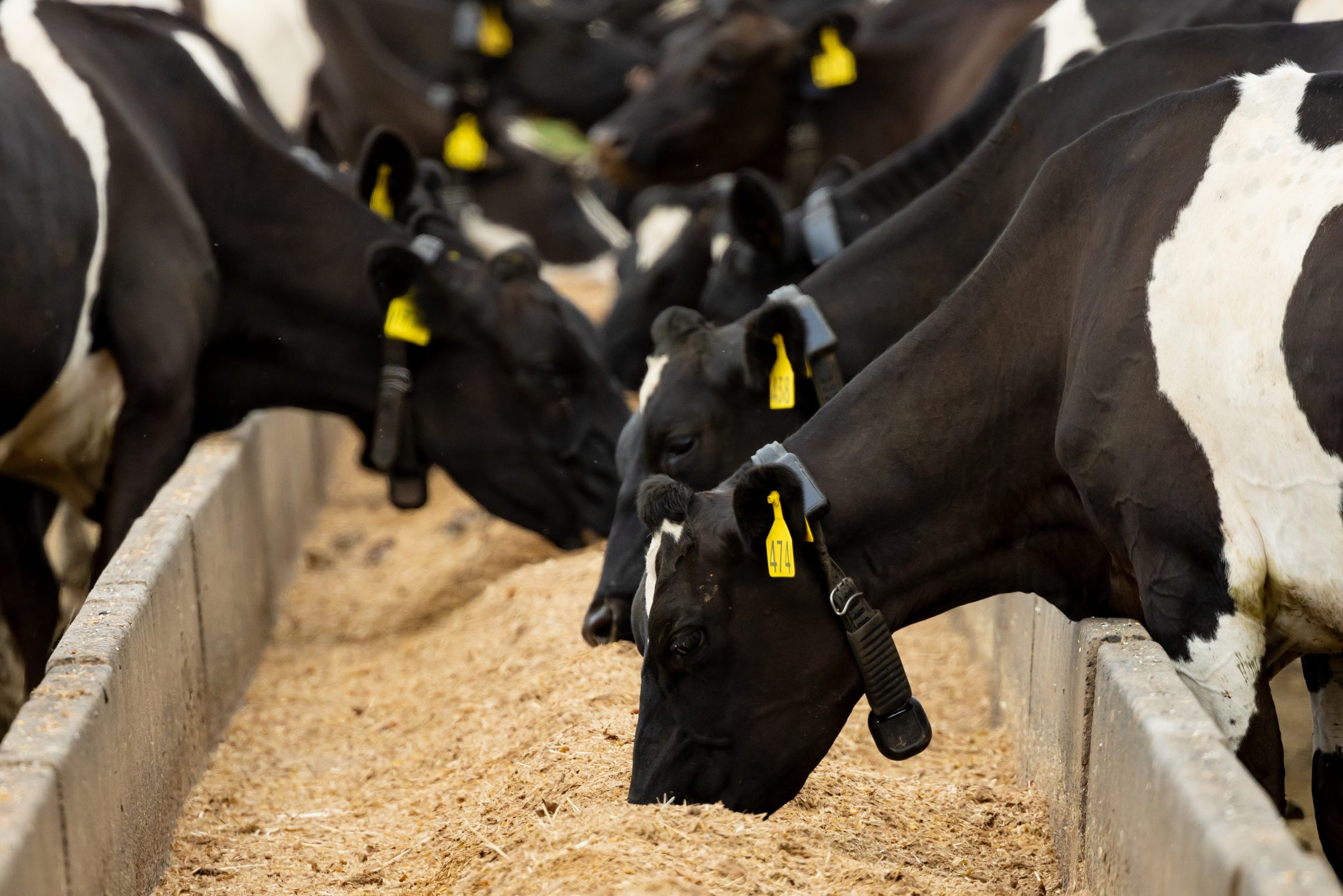
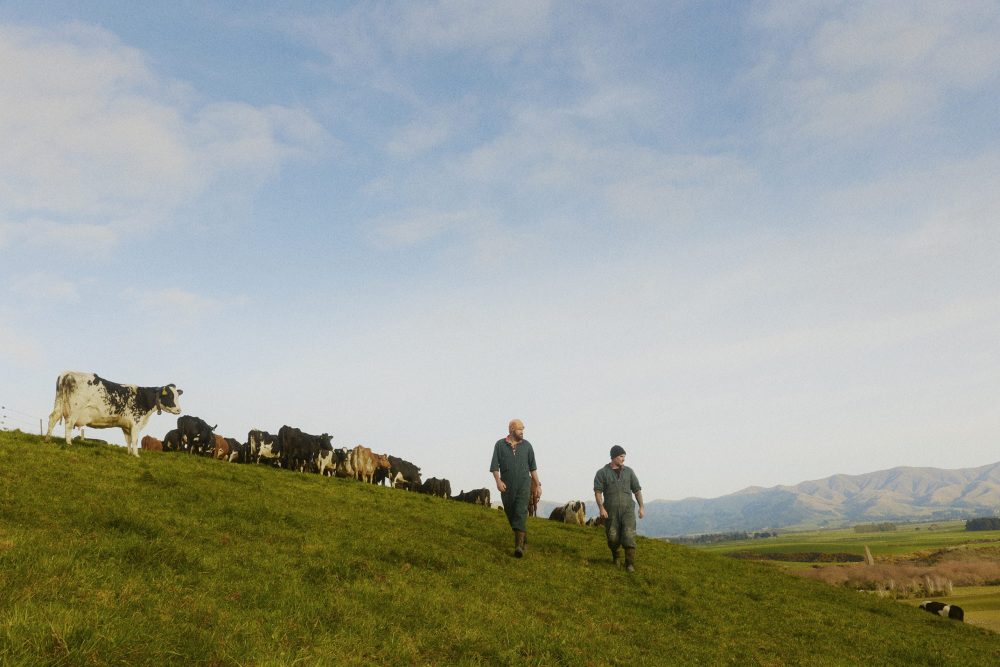
Morrinsville 50/50 sharemilkers and equity farm owners, Nic and Kirsty Verhoek, have reshaped a high-input, multi-farm operation into something that’s both repeatable and resilient.
In 2021, they were milking 738 cows, producing 396,000kg MS off a system five, high-input model that included maize silage plus a long list of by-product feeds like corn steep liquor, kiwifruit, peas and carrots. The results on paper looked impressive but the cost, complexity and pressure on people told a different story.
The farm track was like a state highway with trucks coming and going, hours were long and the number of moving parts in the diet made repeatability of this system hard.
“We were feeding everything you could feed to a cow and it was bloody expensive, in dollars, people and machinery,” explains Nic.
They asked themselves – How can we fully express the rumen’s capacity without needing half the local feed market on speed dial?
Feed It All to Feed It Smart
Kirsty, a senior scientist at DairyNZ and a ruminant nutritionist by trade, dropped their “kitchen sink” ration into the DairyNZ FeedChecker calculator and compared it with a much simpler, stripped-back diet.
The simpler system was a stable base of higher quality pasture and maize silage diet year-round with supplements when required.
That diet consists of each cow receiving roughly:
- 5kg DM maize silage
- 1kg grass silage
- 2kg palm kernel
- 1kg soy
On metabolisable energy (ME) and protein, the diets were effectively the same. But when comparing the cost, the simpler system came out clearly ahead at 8 cents per kg of DM cheaper.
“We put the very complex diet versus a stripped-back diet into the FeedChecker calculator and what we found was that while those two diets were equivalent on ME and protein, there was a significant cost saving,” says Kirsty.
Maize rates flex seasonally between about 2-10kg DM depending on pasture and weather. Protein and energy are then layered in with soy and palm kernel which can be adjusted across farms without compromising rumen stability.
“Maize is a safe, easy and relatively cost-effective feed almost all the time,” says Nic.
Lifting pasture and silage quality lifts milk production
The Verhoeks have doubled down on pasture and silage quality, particularly grass silage, after noticing a pattern.
“Every time we were opening up that grass silage stack, the cows were plummeting in their milk production,” says Kirsty.
They’ve reworked their annuals and silage programme to:
- Target earlier cuts and pre-graze mowing opportunities
- Avoid unnecessary spray-outs
- Capture higher ME and more consistent quality through the year
In recent seasons, they’ve also integrated sorghum as a flexible, climate-resilient option for dry and transition cows, with the ability to bale or pit it if conditions demand. For milking cows, they’re now even evaluating whether sorghum can replace some of the barley straw used as effective fibre.
The Verhoek’s risk management is to build a system that can ride out extreme summers, variable markets and changing conditions without sacrificing cow condition or staff sanity.
“We run a ‘No Hungry Minutes’ policy. Cows are to always be fully fed,” says Nic.
“We were feeding everything you could feed to a cow and it was bloody expensive, in dollars, people, and machinery.” – Nic Verhoek, Morrinsville
To achieve this across the three farms, they use Halter to manage grazing and movements. Other technologies they use to achieve this objective are for measuring and managing health treatments, water and infrastructure monitoring and staff communication.
Rather than cutting FTEs, technology has stripped hours out of the day, reduced key-person risk and made it far easier to train and retain good people. Simple, repeatable machinery and feed recipes mean a new staff member can move between farms without needing to relearn everything from scratch.
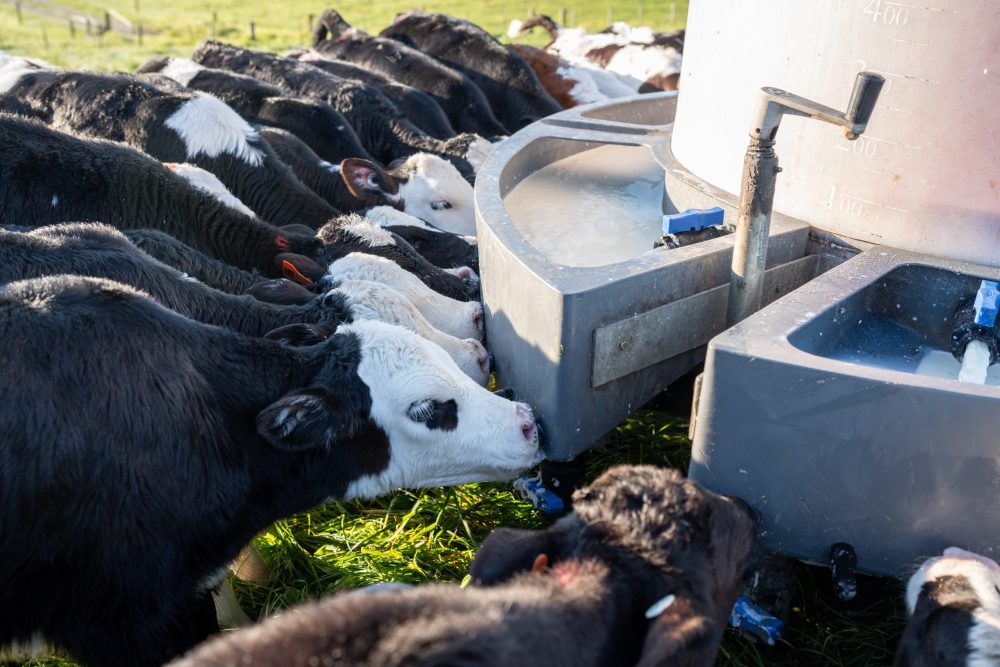
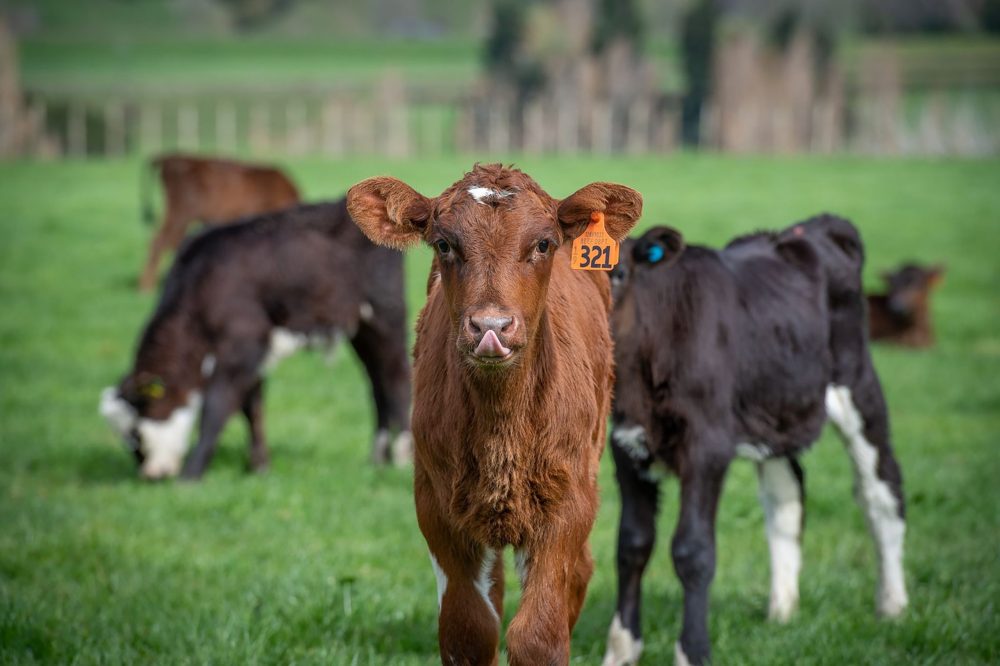
Zero bobby calf policy from fully feeding young stock
They regularly dive into the numbers to analyse liveweight targets and tightly controlled young stock growth. They are also working on the breeding and welfare decisions behind polled genetics and a future without bobby calves.
Their strict young stock growth targets are a minimum 500kg at first calving, with many heifers entering the herd at 550kg. To achieve their ‘no bobby calves’ policy, for the past four years they have leased support land to give them flexible finishing options.
The Verhoeks target 100% of liveweight in kg MS per cow, roughly 600-650kg MS from a 580kg cow, but they’re clear this must be done efficiently and ethically.
“It starts the day she enters the calf shed,” says Kirsty.
This structure has given the business confidence to scale. Their original Tatuanui spring-calving farm milks 740-760 cows but they now also run a 100ha autumn-calving unit and a nearby equity partnership farm milking 260-280 autumn-calving cows.
Across all the platforms, maize stays the anchor as they work on their system to sustain cows performing at a high level for a long time through consistency and ultimately profitability.
Check out the DairyNZ FeedChecker Calculator dairynz.co.nz/resources/tools/feed-checker