Beef Finishing Transforms Hill-Country Farm
Setting up cell grazing systems on their Te Pahu hill-country farm has transformed more than just Heather Gilbert and Elliot Kent’s bottom line. Words Sandra Taylor.

The intensive bull beef finishing system has benefited the couple’s farm business in a number of ways, including greater environmental protection, improved pasture production and quality, and a significant lift in the kilograms of product produced per hectare.
Now in their third year as Beef + Lamb New Zealand Monitor Farm farmers, Heather Gilbert and Elliot Kent have transformed their business with the support and guidance of the Monitor Farm steering committee and farmer mentors which the couple has used as sounding boards throughout the process.
Prior to joining the programme, the couple ran a beef finishing operation on their 500ha farm but were frustrated by poor returns.
It was Elliot who saw the potential of the intensive cell-type beef finishing system on hill country at a field day, although Heather, who also works as a farm consultant specialising in environmental management, was initially reticent about the proposal. She was primarily concerned about the environmental impact R2 bulls would have on their hill country, but her fears have proved to be unfounded.
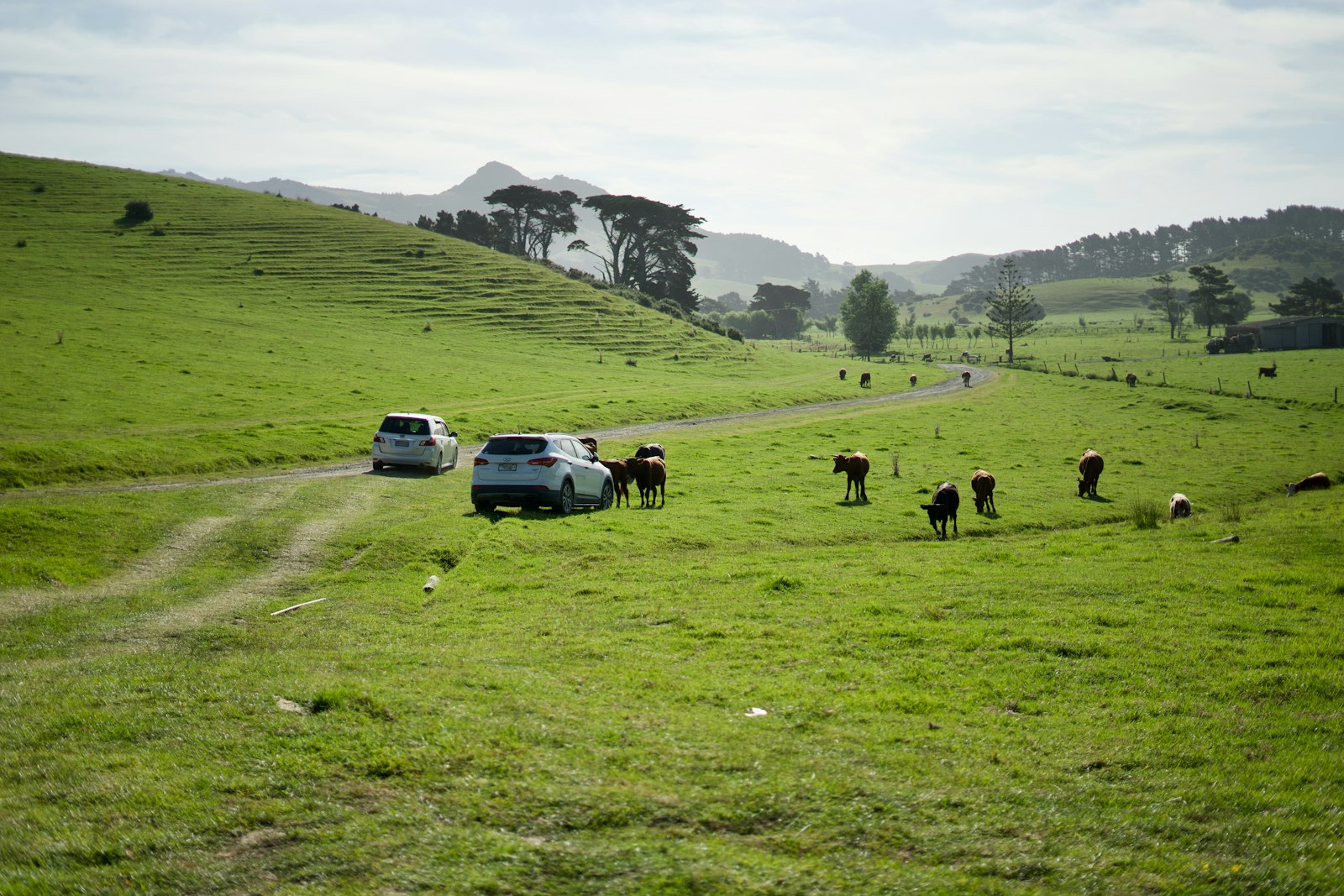
Conversely, the grazing system has allowed them to retire around 120ha of steep country and plant it in pines and mānuka, and regular monitoring has shown there to be no damage to the soils under the cell systems. Pasture quality and productivity has also improved significantly under intensive grazing, and this has been particularly apparent on a more recently purchased block of land which was covered in gorse and old pasture. Heather says this area has been transformed by clearing the gorse, fencing it into cells and intensively grazing it.
The couple initially converted 100ha into cell systems, and with the help of Ian Hanmore of Hanmore Land Management, they have converted a further 100ha. Ian designed the system, taking into account slope and aspect, utilising GPS, ground surveys, and aerial imagery to create geo-referenced and ortho-corrected maps.
They ‘ground truthed’ the designs and tweaked them as required during the building process.
Within their initial 100ha, there were 15 systems, but both the area and number of systems has increased over the past two years. Eventually, there will only be 50ha of the couple’s total 320ha of effective area not under an intensive cell grazing system.
Each system is around 6ha and is divided into 10 cells at 0.6ha each. For the winter rotation, these cells are then divided into two for the R1 bulls and four for the R2 bulls. Water is supplied through micro troughs.
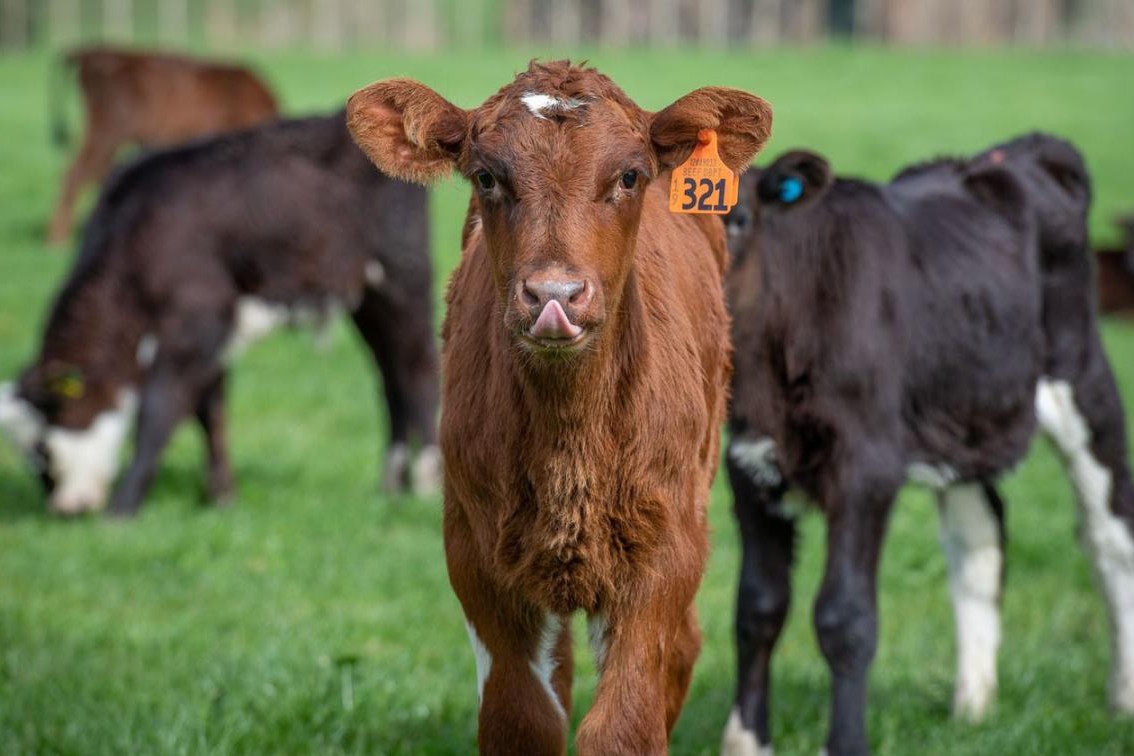
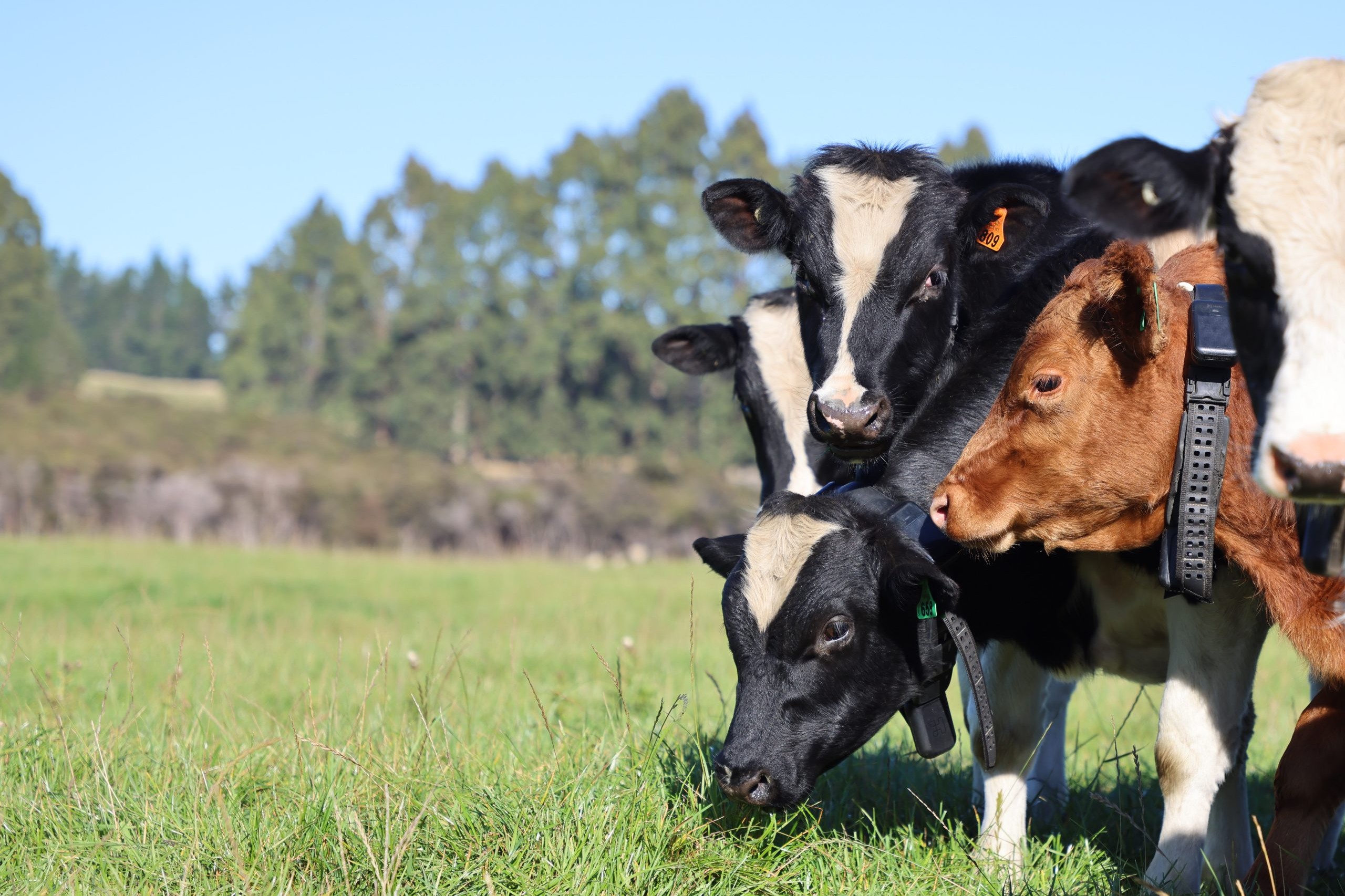
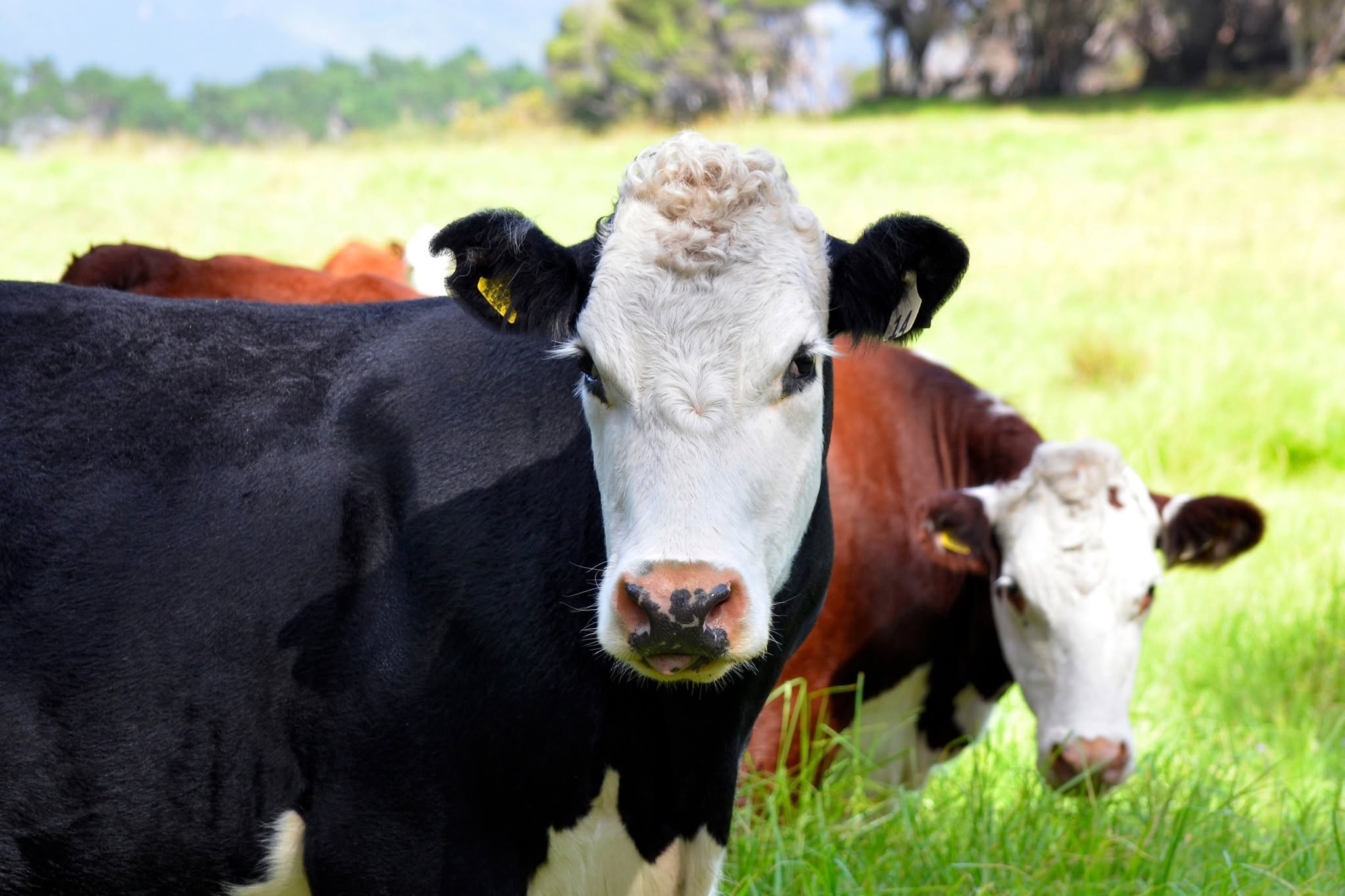
All the stock on the grazing system are Friesian bulls. The couple buy the majority of their 300 bull calves from neighbours and rear them to weaning. They are then run onto the cell area at different round lengths depending on the season.
On the first of May, the bulls go onto their winter rotation. Elliot says they aim to have pasture covers at 2,500kg DM/ha on 1 May which is when the bulls go onto two-and-a-half-day shifts. This rotation means the couple don’t have to shift bulls over the weekend. Total stocking rates over winter are 1,200kg/ha.
The couple, who both work part-time off farm, employ a farm manager and each person is responsible for shifting the bulls within their allocated systems.
They use the Resolution Farming App to keep records, make notes and share information.
This year, they have 900 bulls running on 300ha on a 100-day round. While they have been targeting low daily growth rates of 250–300g/day, with the expectation of high compensatory growth rates of around 2kg/day over spring, this winter the bulls are growing at 400g/day.
The round lengths are sped up to 50 days when pasture begins to grow in early August and 25 days from September.
Heather says they will sell their first bulls from late November, targeting 550–600kg LW. They will have sold half of their bulls by Christmas, with the last of the R2 bulls gone by late January. If needed,
the couple will buy yearling bulls in December or March to top the numbers up, with timing being dependent on season.
Heather says one of the biggest challenges has been managing larger numbers of younger stock, particularly around animal health as they work to avoid drench resistance.
“It’s more a mental challenge than anything else, just knowing when to pull the trigger.”
They also had to deal with an outbreak of Theileria in their calves last summer along with drought conditions, but they have recovered from both.
Heather says being a Monitor Farm has been a great experience for the couple and their farm manager. It has given them the opportunity to have their thinking challenged by open-minded farmers and they have all benefited from the experience.