A foot in the door ask the experts
Entering into a farming partnership is a big decision and it’s important to ensure it’s the right fit for you and your family. We ask three rural professionals for their advice around building strong partnerships that achieve good outcomes for all parties.

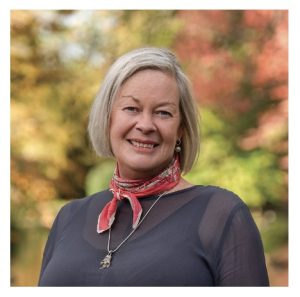 Sarah Barr, Rural Coach
What’s your advice for people entering into partnerships?
The development of a successful partnership takes time and real effort. Even when working with someone known, you are introducing a relationship dynamic not previously present.
Strong relationships are built on trust. For trust to be present we need to have confidence in both the character and the competence of the other party – this takes time and complete openness.
Don’t rush it. The more time and effort expended in working your way through structuring a partnership that works for both parties, the more likely it will stand the test of time and challenges.
Seek a partner with aligned values.
Be clear on and be able to articulate your goals and what you bring to the table. This clarity will help you assess alternative ideas through the formation/lens of guiding principles. These guiding principles will assist in assessing opportunities for right fit.
Make sure your goals are not in conflict, e.g. development programme for the farm versus dividend payments as income.
Be willing to share openly your needs, wants, fears and expectations – personally and professionally.
Listen to the other party. Unless all feel genuinely listened to, someone may feel their needs have not been adequately considered. Seek win–win outcomes. Compromise can sometimes feel like a loss.
Rome wasn’t built in a day. This first opportunity isn’t necessarily the end game – it may be the first step. Be prepared to work your way up to your ultimate desired ownership position.
Engage an independent facilitator to assist in discovering each other and guide the process.
“Paint the picture of who you are and what you bring to the table – don’t leave it to chance.” – Sarah Barr, rural coach
Use a professional team to help with the structures and paperwork.
Agree on an exit strategy – no one expects to get divorced on their wedding day but many do. Much easier to work these things through when communication is working well and relationships are strong.
Don’t be afraid to walk away if it doesn’t feel right. If you don’t feel comfortable with the proposal at the outset, the discomfort will likely ‘grow horns’ further down the track.
Consider the three D’s – Death, Divorce and Disablement, which of these risks can be mitigated, and how?
Agree on communication needs and strategies. Discuss how decisions will be made.
How can you put yourself in a position to be attractive to a potential investor?
Be mindful of your history – what could a potential partner learn about you based on your past? What sort of discipline have you demonstrated in getting to where you are today?
Paint the picture of who you are and what you bring to the table – don’t leave it to chance. Equally don’t oversell yourself – this may lead to dissatisfaction from your partner in the future.
What is your unique selling point – how do you stand out from the crowd?
Flip the lens – what is likely to matter most to your potential partner? Do your homework.
Consider what might elevate you from the crowd.
What opportunities do you see for us to structure farm ownership models for the future?
Consider employing an Advisory Board for the new business structure. This may include, but is not limited to, your existing professional team. This creates discipline and accountability for both parties, and independent facilitation can assist in productive forward-thinking discussions.
Value is derived from more than just the dollars – acknowledging this can lead to an acceptance of variation to a plan. For example, one party being able to ease back but still have access to the farm.
Be open and creative in how a partnership may be structured. Don’t be constrained by existing knowledge/models, every ‘deal’ will be slightly different depending on the needs, wants and resource available of both parties.
Begin with the end in mind and work collaboratively towards that. Remember the old saying ‘act in haste, repent at leisure’.
Brent Irving, Rural Real Estate Agent, PGG Wrightson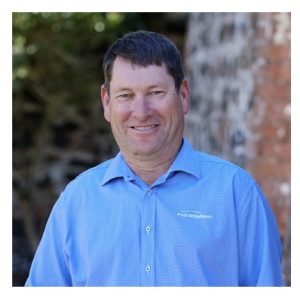
What’s your advice for people entering into partnerships?
Surround yourself with people with like-minded goals and aspirations. Maybe you’re an older farmer wanting to bring in an equity manager – you need someone who shares your beliefs and values. Remember, you can change the farm, but you can’t change the people.
When you’re looking for partners, whether that’s an equity manager or an equity investor, look for positive people who are on the same page as you.
How can you put yourself in a position to be attractive to a potential investor?
I ask people to write a one-and-a-half-page summary that includes your goals, aspirations, what you’re looking for from a partner and what you have to offer. This is then easily shared with people who may be able to assist you.
Often, it’s a couple and this process clarifies in their mind what they’re actually looking for and gives you a good, simple document to share.
Then start asking yourself, where will you find these investors? It’s really just word of mouth. Word soon gets out that someone is looking. Go to your local prominent bankers, accountants, lawyers, Federated Farmers, real estate agents, guys in your discussion group. Connect with those people and have a yarn. You should take a look at the Landify website.
The big thing is not being afraid to ask – you never know where the opportunity will be and an opportunity not taken is an opportunity missed.
If you’re looking for an equity manager position, reputation is important. People are always watching, the good and the bad.
A good couple is worth three, and that’s not to discourage someone who is single, but a good young couple with complementary strengths and passions makes for a formidable team when you’re an investor, looking for equity managers.
What opportunities do you see for us to structure farm ownership models for the future?
I think we have to challenge the sector to think outside the square. I’ve put together a significant number of equity partnerships and no two are the same. Just because it hasn’t been done before, doesn’t mean it can’t be done, as long as everyone involved understands what they’re getting into. In one case, I put two equity managers in on the same farm and they farm together.
The challenge with the sheep and beef sector is an ongoing lack of profitability, which makes it harder to create opportunities. There’s an opportunity to think more laterally about how we create profitability on farm. On-farm accommodation and renewable energy are examples of how farmers can utilise their farming assets to create better profit and, in turn, generate more interest in the sector.
“Just because it hasn’t been done before, doesn’t mean it can’t be done, as long as everyone involved understands what they’re getting into.” – Brent Irving, PGG Wrightson
We need to be far more open-minded about the way we stitch deals together. It’s not just a sheep and beef or perhaps a dairy farm. I would challenge existing farmers that the key component of rural New Zealand is young people coming through and to view assisting young talent into ownership as an investment, not a cost. There’s an element of industry good and you may have to give a little to receive – there are long-term benefits for all parties. It’s very rewarding when it all comes together.
An issue, in my opinion, is because of a lack of profitability in certain agri sectors and understanding, there’s a reluctance to pay for good advice. Good advice is an investment that will pay off. The missing link in the sector is that there aren’t many consultants or advisors in this space, and people with this expertise would find it tough to support themselves in such a role.
I believe we are heading into a period where there will be real opportunities. With a combination of OCR drops, milk payout, lifts in lamb and beef prices and a correction in land values, I think there will be green shoots, and we’re already seeing some, of investors looking at rural and agriculture. Personally, I think there will be opportunities in the next three to five years for people who are well positioned.
Sean Stafford, MCI & Associates
How can you put yourself in a
position to be attractive to a potential investor?
I often see a young person who is trying to develop their career and take that next step to become part of a business, maybe this is an opportunity to lease or a 50–50 opportunity. The first thing they need to do is invest in themselves becoming the highest-performing farmer in their chosen field that they can be, whether that’s extensive hill country or cropping, etc. Becoming a high-performing, proven operator in that area means finding people who are already the best, either going to work for them or positioning yourself to build a relationship and learn from them. There are also things like education and attending field days – try to expose yourself to as much learning as you can.
Secondly, learn to develop relationships and grow your network. Opportunities come to those who put themselves out there. I’m talking about not just farmers but consultants, livestock reps, agronomists and bankers. They all have influence and can help you access opportunities.
Finally, develop your business acumen and financial literacy. Young people often have the first two things under way but they may not have been exposed to the inner workings of a farm business. Understand what’s driving your farm system and the financial outcomes you’re seeking to achieve – what are the critical success factors? It’s about getting under the hood of the business so you can connect the dots around a high-performing system. I see a lot of young people who have worked their way up, maybe to a farm manager position or running a property for someone. They feel they’re ready for the next step, but often you find the farm owner is still fuelling the fire and driving the business, which the up-and-comer might not be aware of.
What’s your advice for people entering into partnerships?
From my experience, the partnerships where I see conflict is when the parties involved are not clear on what they’re trying to achieve from the investment. Whether it’s a lessor or share-farming partner, do their objectives and your objectives line up in terms of a business plan and what you are trying to achieve? Both parties need to be aligned on the way in. The classic one you see is when someone wants a return, while the operator wants to invest cash back into the asset to make the farm more enjoyable to work on.
“Learn to develop relationships and grow your network. Opportunities come to those who put themselves out there.” – Sean Stafford, MCI & Associates
Once you have a clear plan, make sure that plan is written down. The plan should also form part of your in-going agreement, so add it to your legal document that sets the rules of engagement, e.g. the formal lease agreement. This agreement needs to be workshopped, and I would recommend it probably needs professional input. It should cover things like exit strategy, time frames and the objectives you are seeking to achieve in the business.
What opportunities do you see for us to structure farm ownership models for the future?
I see opportunity everywhere. Land is a wonderful asset. The challenge is getting consistent good returns without an operator who is also invested in the land. To extract value from the land, you need someone on the ground running it who has a material stake in that land. This is where the agri sector has struggled to attract outside investment. I see huge opportunity for high-performing people who have a proven track record to enter into land ownership, if they’re prepared to partner with others. That opportunity is becoming more and more obvious in the current market. We have an ageing ownership base and plenty of people who want to put capital into agri. The road block is who will run it, do a good job and get a return on investment? This is where a well-developed young person can come in.